
Both chambers of the United States Congress made a significant move in March with the introduction of the Cooperative Watershed Management Program Reauthorization Act of 2026. This bipartisan legislative effort aims to extend the U.S. Bureau of Reclamation’s (Reclamation) Cooperative Watershed Management Program (CWMP) through 2031, while simultaneously enhancing funding accessibility to maximize its critical impacts on watershed health across the American West. The bill’s sponsors include a diverse group of legislators: Senator Steve Daines (R-Mont.), Senator John Hickenlooper (D-Colo.), Representative Juan Ciscomani (R-Ariz.), and Representative Joe Neguse (D-Colo.), underscoring the broad recognition of the program’s importance amidst escalating water challenges. The reauthorization is projected to significantly advance western water security, facilitate vital habitat restoration efforts for countless species, and bolster local economies through sustainable job creation.
Understanding the Cooperative Watershed Management Program (CWMP)
The CWMP, a cornerstone component of Reclamation’s broader WaterSMART program, plays a pivotal role in empowering local communities. Established in 2009, its core mission is to assist in the formation and development of watershed groups. These groups are then equipped to identify, plan, design, and implement projects specifically tailored to address pressing local water needs. The program has proven particularly effective and well-utilized in rural communities, supporting an extensive array of watershed restoration initiatives. Its reach spans 15 western states, Alaska, Hawaii, and the U.S. Virgin Islands, reflecting the diverse hydrological challenges faced across these regions.
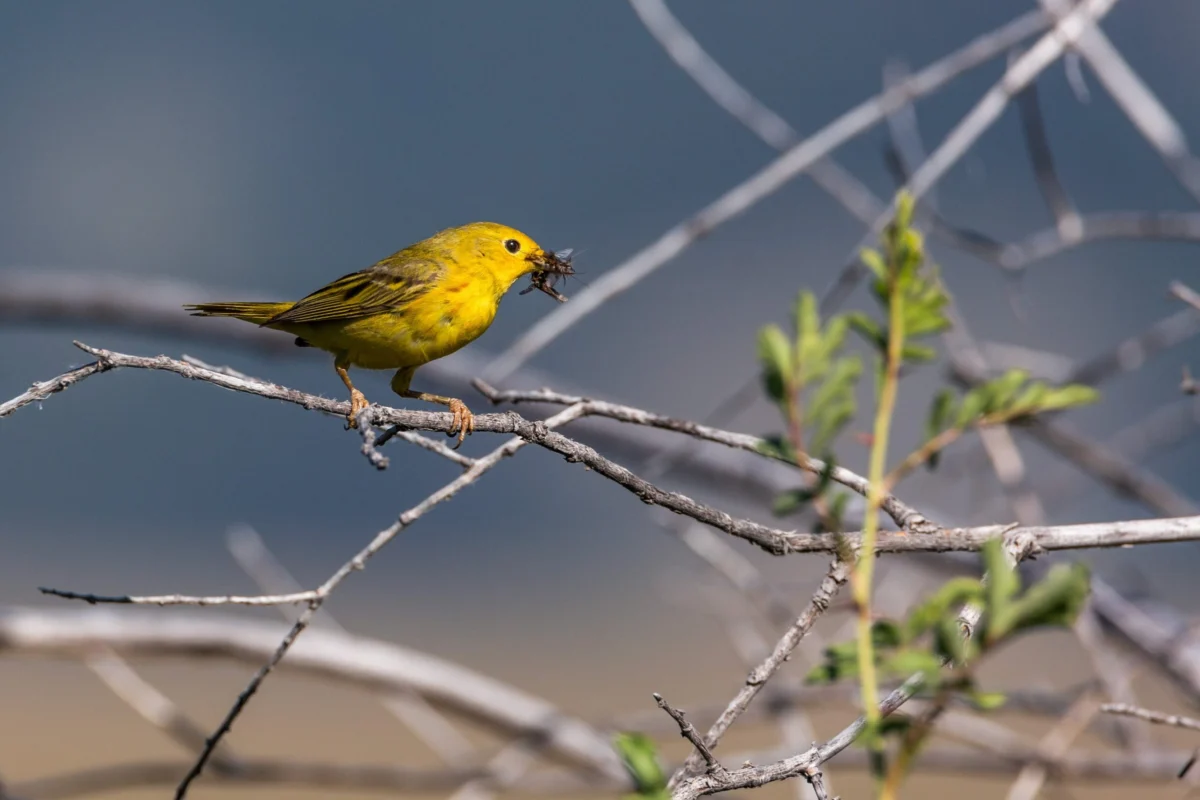
A notable aspect of CWMP funding has been its allocation to projects that directly contribute to the improvement of bird habitats. These restoration efforts are crucial for hundreds of bird species, including iconic and often vulnerable populations such as the Northern Yellow Warbler, Bell’s Vireo, and the Southwestern Willow Flycatcher, as highlighted by conservation groups like Audubon. By restoring riparian zones and wetlands, the program not only addresses water quality and supply but also nurtures the biodiversity essential for healthy ecosystems.
The Broader Context: Western Water Challenges and WaterSMART
The American West faces an unprecedented confluence of water-related challenges. Decades of over-allocation, particularly in major river basins like the Colorado River, coupled with a rapidly changing climate, have pushed water resources to their brink. Persistent and increasingly severe drought conditions have become the new normal, impacting everything from agricultural productivity and urban water supply to hydropower generation and ecosystem health. The region has experienced a significant decline in snowpack, which historically serves as a vital natural reservoir, releasing water gradually into rivers and streams during warmer months. For instance, recent winter seasons have seen abysmal snowpack levels across many western states, exacerbating extended dry conditions and leading to record-low reservoir levels in critical storage facilities like Lake Mead and Lake Powell.
Wildfires, often fueled by prolonged drought and overgrown forests, represent another escalating threat, destroying watersheds and impairing water quality with ash and debris. Furthermore, population growth in arid regions places additional strain on already stressed water systems.
It is against this backdrop that the WaterSMART (Sustain and Manage America’s Resources for Tomorrow) program, launched by the Department of the Interior in 2010, assumes critical importance. WaterSMART is a comprehensive initiative designed to help western communities make smart water management decisions. It encompasses a suite of programs, including grants for water and energy efficiency, drought response, and watershed restoration, with CWMP being a key component focused on community-led, collaborative watershed management. These programs aim to build long-term resilience, conserve water, and protect ecological resources.
Mechanisms of the CWMP: A Phased Approach to Local Empowerment
The CWMP is structured to foster local capacity and ownership through a meticulously designed phased approach. This ensures that communities are supported from the initial stages of group formation through to the concrete implementation of projects.
-
Phase I Funding: This initial phase is dedicated to supporting the development of watershed groups and their initial planning activities. Critically, Phase I funds are awarded without requiring a non-federal cost share, a provision that significantly lowers barriers to entry for nascent groups and those in economically disadvantaged areas. A strategic priority for these funds is placed on groups that actively incorporate the perspectives of a diverse array of partners, including agricultural producers, tribal nations, environmental organizations, local governments, and recreational users. This emphasis on inclusivity ensures that solutions are holistic, equitable, and widely supported within the community.
-
Phase II Funding: Once a watershed group has established its foundation and developed collaborative plans, Phase II funds become available. These funds are specifically allocated to support the implementation of on-the-ground projects identified and developed through the collaborative efforts of the watershed group. This direct investment translates plans into tangible outcomes, ranging from riparian planting and invasive species removal to stream bank stabilization and water conservation infrastructure upgrades.
Beyond habitat restoration, CWMP funding is strategically utilized to address a broader spectrum of challenges. These include initiatives to reduce the risks associated with drought and wildfire, improve water quality and reliability for both human consumption and ecological needs, and enhance local economies. By implementing effective water management solutions, the program yields benefits for diverse industries such as agriculture, outdoor recreation, and other sectors reliant on healthy water resources. The economic multiplier effect of these investments is substantial, supporting jobs in construction, environmental engineering, conservation, and related services, thus strengthening local economies.
A Chronology of Progress and Persistent Need
The journey of the CWMP reflects an evolving understanding of western water management and the increasing urgency of climate adaptation.
- 2009: The Cooperative Watershed Management Program is originally authorized by Congress. This marked a recognition of the need for a community-centric approach to water resource management, departing from purely top-down federal directives.
- 2010: The broader WaterSMART program is launched by the Department of the Interior, integrating CWMP into a larger framework for sustainable water management in the West.
- Throughout the 2010s and Early 2020s: The CWMP demonstrates its effectiveness, funding hundreds of projects across the western United States, Alaska, Hawaii, and the U.S. Virgin Islands. Success stories emerge, showcasing improved water quality, enhanced wildlife habitats, and strengthened community collaboration.
- March [Current Year]: The Cooperative Watershed Management Program Reauthorization Act of 2026 is introduced in both chambers of Congress. This action underscores the program’s proven track record and the ongoing need for its services, particularly in light of worsening drought conditions and climate change impacts.
- Proposed Extension: The new legislation proposes extending the program’s authorization through 2031, providing stability and foresight for communities and federal agencies to continue their long-term planning and implementation efforts.
This timeline highlights not only the program’s longevity but also the continuous legislative commitment required to address dynamic environmental challenges.
Data Supporting the Imperative for Reauthorization
The urgency for reauthorizing and strengthening the CWMP is underpinned by compelling data reflecting the severity of western water crises. The U.S. Drought Monitor frequently shows vast swathes of the West in severe, extreme, or exceptional drought categories. For example, recent analyses by federal agencies indicate that the last two decades have been the driest 20-year period in at least 1,200 years for the southwestern United States and parts of the West. This megadrought has led to dramatic declines in reservoir levels; Lake Mead, for instance, has repeatedly hit its lowest recorded elevations since its initial filling, prompting unprecedented water cuts for states in the Colorado River Basin.
Snowpack, a critical water source, has also shown alarming trends. Studies published in journals like Nature Climate Change have documented a significant reduction in snow water equivalent across western mountains, with projections indicating further declines. This directly impacts river flows, agricultural irrigation, and municipal water supplies.
Economically, the stakes are immense. Agriculture in the West is a multi-billion dollar industry heavily reliant on irrigated water. Droughts lead to crop failures, livestock losses, and significant economic hardship for rural communities. The outdoor recreation industry, including fishing, boating, and wildlife viewing, also generates billions in revenue and supports hundreds of thousands of jobs, all of which are vulnerable to degraded water resources and diminished habitats. A 2016 study by the National Oceanic and Atmospheric Administration (NOAA) estimated that coastal and Great Lakes recreation and tourism generated $124 billion in economic activity and supported 2 million jobs, with freshwater systems also contributing significantly. While specific to CWMP, investments in watershed health demonstrably protect these economic engines.
From an ecological perspective, riparian zones, which comprise a small percentage of land area, support a disproportionately high percentage of biodiversity, particularly bird species. Degradation of these habitats dueates to water diversions, pollution, and invasive species has put numerous species at risk. The CWMP’s focus on restoring these critical areas directly combats this trend, providing essential breeding, nesting, and foraging grounds for species like the Yellow Warbler, which rely on dense riparian vegetation.
Voices of Support: A Coalition for Water Security
The introduction of the reauthorization act has garnered strong support from a diverse coalition of stakeholders, each emphasizing different facets of the program’s importance.
Senator Steve Daines (R-Mont.) highlighted the program’s benefit to rural communities: "Montana’s communities, especially our agricultural producers and outdoor enthusiasts, depend on healthy watersheds. The CWMP empowers local Montanans to take the lead in managing their precious water resources, fostering both economic vitality and environmental stewardship. This bipartisan bill ensures our rural communities have the tools and funding they need to thrive."
Senator John Hickenlooper (D-Colo.) underscored the collaborative and resilient nature of the program: "In the face of intensifying droughts and climate challenges, collaboration is key. The CWMP is a proven success story, bringing together diverse stakeholders to develop innovative, on-the-ground solutions for water security. Extending this program through 2031 is a critical investment in Colorado’s future and the resilience of the entire West."
Representative Juan Ciscomani (R-Ariz.) focused on the critical need for water reliability in arid states: "Arizona knows firsthand the profound impact of water scarcity. The CWMP provides essential resources for our communities to address water quality, reliability, and drought risks head-on. This reauthorization is vital for ensuring our farmers, businesses, and families have access to the water they need for generations to come."
Representative Joe Neguse (D-Colo.) emphasized the environmental and wildfire mitigation aspects: "Healthy watersheds are fundamental to our ecosystems and play a crucial role in mitigating wildfire risks. This program supports vital restoration efforts that protect our forests, enhance biodiversity, and safeguard communities from the devastating impacts of catastrophic fires. We must continue to invest in these proactive solutions."
The U.S. Bureau of Reclamation, as the program’s administrator, expressed its strong endorsement. A spokesperson stated, "The Cooperative Watershed Management Program is a testament to the power of local ingenuity and collaboration. It aligns perfectly with Reclamation’s WaterSMART goals, enabling communities to develop tailored solutions to complex water challenges. We look forward to continuing our partnership with Congress to ensure this vital program remains robust and accessible."
Audubon, a leading conservation organization and a direct beneficiary of CWMP funding, has been a vocal advocate for the reauthorization. "In our work to protect people and birds in the arid West, Audubon has led and supported multiple efforts to establish watershed groups through the CWMP," stated a representative. The organization pointed to successful projects, such as those along the Lower Gila River west of Phoenix, where Audubon Southwest, in partnership with the Lower Gila River Collaborative, utilized CWMP funding to improve ecosystem health and water management. Similarly, the Tucson Bird Alliance in Arizona is leveraging CWMP support in the Sonoita Creek Watershed, while in New Mexico, the program was instrumental in establishing the Isleta Reach Stewardship Association, a collaborative focused on improving the watershed health and habitat within a 48-mile span of the Rio Grande River. "Sustained federal investment in WaterSMART and CWMP is not merely beneficial; it is absolutely necessary to support resilient communities, thriving ecosystems, and a sustainable water future for all," an Audubon spokesperson affirmed.
Local community leaders and watershed group representatives also voiced their support, highlighting the tangible benefits. "This funding has been absolutely critical for our ability to tackle long-standing issues like invasive species and water quality degradation," commented the director of a watershed group in Montana. "Without CWMP, many of our most impactful restoration projects simply wouldn’t be possible."
Broader Impact and Implications for a Resilient West
The reauthorization of the Cooperative Watershed Management Program carries profound implications for the future of the American West. Firstly, it represents a crucial step towards long-term water sustainability. By empowering local communities to proactively manage their watersheds, the program fosters a bottom-up approach to problem-solving that is often more effective and sustainable than top-down mandates. This local ownership ensures that solutions are tailored to specific ecological and socioeconomic contexts.
Secondly, the CWMP is an essential tool for climate change adaptation. As the West grapples with increasingly unpredictable weather patterns, including prolonged droughts, intense heatwaves, and severe wildfires, resilient watersheds become critical buffers. Projects funded by CWMP that improve water retention, reduce erosion, and restore natural floodplains enhance a watershed’s ability to cope with these environmental stressors. By reducing the risks of drought and wildfire, the program contributes directly to community safety and economic stability.
Thirdly, the bipartisan nature of the Cooperative Watershed Management Program Reauthorization Act of 2026 sends a powerful message. In an era of pronounced political division, the ability of lawmakers from across the political spectrum to unite behind critical environmental and resource legislation underscores the universal recognition of the urgent need for water security in the West. This consensus can pave the way for further collaborative efforts on other pressing environmental issues.
Furthermore, the bill’s focus on addressing barriers to accessing federal funding is a critical improvement. While the specific provisions for these enhancements will be detailed as the bill progresses through Congress, such measures typically aim to simplify application processes, provide technical assistance to smaller or less experienced groups, and ensure equitable access for underserved communities and tribal nations. By making funding more accessible, the program can reach a wider array of communities and maximize its overall impact.
Finally, the ecological benefits of CWMP cannot be overstated. By funding projects that directly restore bird habitats and improve ecosystem health, the program contributes significantly to biodiversity conservation. Healthy riparian corridors, vibrant wetlands, and restored stream systems provide essential homes for wildlife, purify water naturally, and offer numerous other ecosystem services that benefit both nature and people.
In conclusion, the introduction of the Cooperative Watershed Management Program Reauthorization Act of 2026 is a timely and vital legislative action. It promises to extend a highly effective program that is demonstrably contributing to western water security, ecological health, and local economic resilience. As Congress considers this important legislation, the sustained federal investment it represents will be instrumental in building a more adaptable and sustainable future for the American West.