
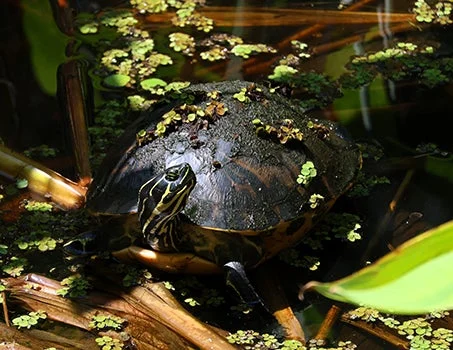
The renowned Corkscrew Swamp Sanctuary, a vital ecological haven in Southwest Florida, is grappling with severe drought conditions that threaten to completely dry down its iconic Lettuce Lakes by the end of April, absent significant rainfall. Data released by Audubon staff at the sanctuary indicates a drastic deficit in precipitation, painting a concerning picture for the region’s delicate wetland ecosystem and the myriad species that depend on its sustained hydrology. This looming environmental crisis underscores a prolonged period of rainfall scarcity that has persisted for over 17 months, pushing the sanctuary’s water levels to critical lows and accelerating recession rates.
The Unfolding Crisis: A Detailed Look at Rainfall Deficits
March 2025 saw Corkscrew Swamp Sanctuary record a mere 0.7 inches of rain, a stark contrast to the historical average for the month, which stands at 2.55 inches. This substantial shortfall represents less than a third of the typical precipitation expected during a crucial period of Florida’s dry season. Dr. Shawn Clem, Director of Conservation at Corkscrew Swamp Sanctuary, highlighted the severity of the situation, stating, "We’ve only received about half of the rain that we’ve typically received by this time in the dry season, which runs October through March." This significant deficit during the traditional dry season—a period normally characterized by lower rainfall but not to this extreme—has compounded existing hydrological stress.
Further exacerbating the concern, the total rainfall recorded at the sanctuary since June stands at 39.81 inches. While seemingly substantial, this figure is a staggering 26% lower than the long-term average for the same period. This cumulative deficit over nearly a year has prevented the full replenishment of the swamp’s intricate network of sloughs, strands, and lakes, leaving them highly vulnerable to the ongoing dry spell. The implications of such a prolonged and significant lack of rainfall extend far beyond simple aesthetic changes; they directly impact the very survival mechanisms of the swamp’s diverse flora and fauna.
Seventeen Months of Scarcity: A Chronology of Drought
The current crisis is not an isolated event but rather the culmination of an extended period of hydrological stress. The sanctuary has endured an astonishing 17 consecutive months where rainfall has largely remained below average. The only exception was May 2025, which saw average or slightly above-average precipitation, offering a fleeting moment of relief that proved insufficient to reverse the overarching trend. This persistent drought pattern indicates a deeper climatic challenge, potentially linked to broader regional weather phenomena or changing climate patterns affecting South Florida.
The historical context provided by Dr. Clem further emphasizes the alarming trend: "Historically, the Lettuce Lakes would dry down an average of once every five years. Over the past decade, it has dried down four years of every five." This dramatic shift from a once-in-five-year occurrence to a four-out-of-five-year regularity signifies a profound alteration in the swamp’s hydrological cycle. What was once an infrequent, natural event that allowed for specific ecological processes like nutrient cycling and predator-prey dynamics to reset, is now becoming the norm, with potentially devastating long-term consequences for the ecosystem’s resilience and biodiversity. The increasing frequency of these dry-downs suggests a new baseline for the sanctuary’s water levels, one that poses significant challenges for conservation efforts.
The Heart of the Swamp: Ecological Significance of Lettuce Lakes
Corkscrew Swamp Sanctuary, managed by Audubon Florida, is an internationally recognized wetland of importance, encompassing approximately 13,000 acres of pristine old-growth cypress forest, pine flatwoods, wet prairie, and marsh habitats. It is particularly renowned for harboring the largest remaining stand of old-growth bald cypress in North America. Lettuce Lakes, a critical component of this vast ecosystem, serves as a vital foraging and breeding ground for numerous species, especially during the dry season when other water sources recede.
The impending dry-down of Lettuce Lakes carries profound ecological implications. For wading birds like the federally protected Wood Stork, Roseate Spoonbill, and various species of egrets and herons, these shallow waters provide a concentrated source of fish, amphibians, and aquatic invertebrates—essential sustenance for adults and growing chicks. A complete dry-down disrupts this critical food supply, potentially leading to nesting failures, increased competition, and even starvation, forcing birds to expend vital energy seeking alternative, often less suitable, foraging sites. Alligators, crucial apex predators in the wetland, also rely on these deeper water bodies for survival during prolonged dry periods, using them as refugia when surrounding marshes desiccate. The loss of these water bodies can lead to increased stress, territorial conflicts, and reduced reproductive success for these keystone species.
Beyond the charismatic megafauna, the impact extends to the entire food web. Fish populations, vital to the diet of many birds and reptiles, can be decimated. Amphibians and aquatic insects, which form the base of the wetland food chain, face direct mortality from desiccation. The delicate balance of the ecosystem, fine-tuned over millennia to the natural ebb and flow of wet and dry seasons, is severely strained when dry-downs become too frequent, too severe, or too prolonged. The unique plant communities adapted to these specific hydrological conditions also face stress, potentially altering the very structure and composition of the habitat.
Hydrological Dynamics: Water Levels and Recession Rates
An intriguing aspect of the current situation is the observation that swamp water levels initially remained "higher than one would expect from the low rainfall." This phenomenon can be attributed to several factors, including the slow release of water stored in the extensive peat soils of the cypress swamp, or perhaps a residual effect from previous, albeit brief, periods of higher rainfall. However, this temporary buffering capacity has been rapidly overwhelmed.
The sanctuary is now experiencing "recession rates currently high due to warm daytime temperatures." Elevated temperatures significantly increase evaporation from open water surfaces and transpiration from plants (evapotranspiration), accelerating water loss from the system. Southwest Florida typically experiences warm temperatures, but sustained periods of unusually high temperatures during the dry season intensify water depletion. This rapid recession means that any residual water is quickly vanishing, leaving less time for the ecosystem to adapt or for rainfall to intervene. The combination of minimal replenishment and accelerated loss creates a critical feedback loop, driving the swamp towards unprecedented dryness. The dense canopy of the old-growth cypress forest usually helps moderate temperatures and reduce evaporation, but even this natural buffer struggles against such prolonged and intense atmospheric demand for moisture.
Expert Perspectives and Official Responses
Dr. Shawn Clem’s insights underscore the urgency of the situation, highlighting not only the immediate threat but also the troubling long-term trend. Her statements serve as a critical alarm for the environmental community and regional stakeholders. "We expect Lettuce Lakes could dry down by the end of April if we don’t get considerable rainfall," she reiterated, emphasizing the narrow window of opportunity for natural recovery.
While no explicit statements from external agencies were provided in the original content, it is logically inferred that such critical conditions at a sanctuary of Corkscrew’s stature would draw the attention of relevant state and federal bodies. The Florida Fish and Wildlife Conservation Commission (FWC), responsible for the conservation of Florida’s fish and wildlife resources, would undoubtedly be monitoring the impact on vulnerable species, particularly those listed as endangered or threatened, like the Wood Stork. Their purview extends to ensuring the ecological integrity of critical habitats, and a major dry-down at Corkscrew would be a significant concern. Similarly, regional water management districts, such as the South Florida Water Management District (SFWMD), whose mandate includes protecting water resources and managing flood control, would be observing these hydrological trends, as severe localized drought in sensitive ecosystems can sometimes be indicative of broader regional water stress. Public awareness campaigns regarding water conservation are often intensified by these agencies during periods of persistent drought, even if direct human water consumption is not the primary cause of the sanctuary’s specific issues. Audubon Florida, as the managing entity, would be actively engaged in internal monitoring, research, and potentially advocating for broader water management policies that support wetland health.
Broader Implications: Beyond the Sanctuary
The potential dry-down of Lettuce Lakes and the broader drought conditions at Corkscrew Swamp Sanctuary carry significant implications that extend beyond the immediate ecological impacts within its boundaries.
- Increased Wildfire Risk: One of the most immediate and dangerous consequences of prolonged drought in Florida’s wetlands is a dramatically elevated risk of wildfires. As peat soils and dense vegetation dry out, they become highly combustible. Peat fires, in particular, can smolder underground for weeks or months, releasing vast amounts of smoke and greenhouse gases, and are notoriously difficult to extinguish. A major wildfire originating in or near the sanctuary would threaten not only the delicate ecosystem but also surrounding communities and infrastructure.
- Ecological Shifts and Biodiversity Loss: The increased frequency of dry-downs can lead to fundamental shifts in the ecosystem’s composition. Species less tolerant of prolonged drought may decline, while those adapted to drier conditions or more opportunistic species may proliferate. This can result in a loss of biodiversity, as the unique wetland specialists are outcompeted or simply cannot survive. The reproductive cycles of many amphibians and fish are entirely dependent on consistent water levels, and repeated failures can lead to localized extinctions.
- Economic Impact on Eco-tourism: Corkscrew Swamp Sanctuary is a major eco-tourism destination, attracting tens of thousands of visitors annually who come to experience its boardwalk through the old-growth cypress forest and observe its abundant wildlife. A significant decline in water levels and associated wildlife populations, particularly wading birds, could diminish the visitor experience, potentially impacting local businesses that rely on tourism revenue.
- Regional Hydrological Stress Indicator: While Corkscrew is a protected area, its hydrological health serves as a critical indicator of the broader environmental well-being of Southwest Florida. Persistent drought conditions here can reflect larger trends in regional rainfall patterns, groundwater levels, and the overall health of interconnected water systems. This can raise concerns for agricultural interests, municipal water supplies, and other natural areas across the region.
- Climate Change Context: The increased frequency and intensity of drought events, alongside rising temperatures, align with scientific projections for the impacts of climate change in Florida. While attributing any single event solely to climate change is complex, the observed trends at Corkscrew—more frequent dry-downs, prolonged drought periods, and higher recession rates due to warm temperatures—are consistent with anticipated shifts in regional climate patterns. This underscores the importance of long-term climate resilience strategies for natural resource management.
Mitigation and Future Outlook
The immediate outlook for Lettuce Lakes hinges entirely on the unpredictable nature of rainfall. Conservation staff at Corkscrew Swamp Sanctuary will continue intensive monitoring of water levels, wildlife responses, and potential wildfire risks. In the long term, addressing the challenges posed by more frequent and severe droughts will require a multi-faceted approach. This includes continued scientific research to better understand the sanctuary’s hydrology and ecological responses to stress, adaptive management strategies that may involve innovative water retention techniques (where appropriate and ecologically sound), and broader advocacy for regional water policies that prioritize the needs of natural systems.
The potential dry-down of Lettuce Lakes is a stark reminder of the fragile balance within Florida’s precious wetland ecosystems and the escalating pressures they face from changing climatic conditions. The urgency of "considerable rainfall" cannot be overstated, as the survival of countless species within Corkscrew Swamp Sanctuary hangs in the balance, representing a critical moment for this irreplaceable natural treasure.