
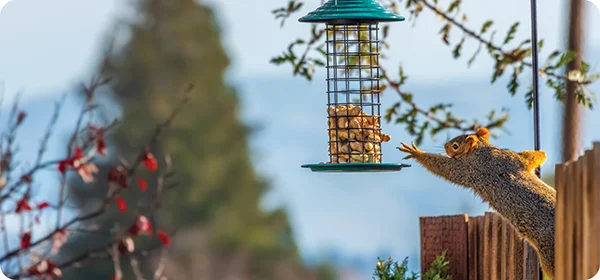
The age-old battle for backyard bird feeders between dedicated avian enthusiasts and their often-uninvited furry or feathered guests is a persistent challenge for nature lovers. While the instinct to forage is a fundamental drive for wildlife, the proliferation of well-stocked feeders can inadvertently create a convenient, all-you-can-eat buffet, leading to frustration for homeowners eager to support their local bird populations. Fortunately, a range of practical and effective solutions exists to help regain control of feeders and ensure that birds, not nuisance animals, are the primary beneficiaries.
The primary adversaries in this ongoing skirmish are typically squirrels and certain species of larger birds, often referred to as "nuisance birds." Squirrels, with their remarkable agility, problem-solving skills, and insatiable appetite, are notorious for their ability to access and deplete bird feeders. They can consume vast quantities of valuable birdseed and, in their determined efforts, can also cause damage to the feeders themselves. Similarly, flocks of certain bird species can descend upon feeders in such numbers that they overwhelm the available food supply, preventing smaller, more desirable birds from feeding and leading to significant waste.
Understanding the Adversaries: Squirrels and Nuisance Birds
Squirrels, belonging to the rodent family, are highly adaptable creatures known for their acrobatic feats. Their ability to climb, jump, and gnaw makes them formidable opponents for even the most robust feeder designs. A single squirrel can consume a substantial amount of birdseed daily, and a determined group can empty a feeder in a matter of hours. Beyond consumption, their constant attempts to reach the seed can lead to feeders being knocked down, damaged, or even broken, resulting in costly replacements.
The term "nuisance birds" is subjective and typically refers to species that congregate in large numbers at feeders, consuming excessive amounts of food and deterring other, often preferred, bird species. Common culprits can include starlings, grackles, and house sparrows, depending on the region and available food sources. These birds often exhibit flocking behavior, descending on feeders in a coordinated manner that quickly depletes the seed. Their presence can be overwhelming, leading to an unbalanced ecosystem within the backyard feeding environment.
Strategic Defense: Baffling Squirrels
One of the most effective methods for deterring squirrels from pole-mounted feeders involves the strategic use of baffles. A "stovepipe baffle," a smooth metal cylinder, is designed to prevent squirrels from climbing the feeder pole. For maximum efficacy, these baffles should be installed on the pole at a minimum of five feet above the ground. Crucially, the entire pole-mounted feeder system must be situated at least ten feet away from any potential jumping-off points, such as trees, bushes, fences, or buildings. This distance creates an insurmountable gap for squirrels, effectively rendering the feeder inaccessible. When installed correctly, this setup transforms a standard feeder into a squirrel-proof bird feeding station.
For feeders hung from trees or other overhead structures, a different approach is necessary. In these cases, a "domed squirrel baffle" placed directly above the feeder is the recommended solution. This dome acts as a physical barrier, preventing squirrels from climbing down the hanging chain or wire to reach the food. When a tube or hopper feeder is used with such a baffle, the feeder becomes protected from arboreal invaders.
Another innovative solution is the use of an "exclusion cage" or a feeder with an integrated cage. These cages feature openings large enough for smaller birds to pass through and feed, but too small for squirrels or larger nuisance birds. These cages can be retrofitted to existing feeders or purchased as part of a new feeder design, offering a versatile defense against a variety of unwanted visitors. The mesh size of these cages is critical, ensuring that the intended birds can access the food while excluding larger animals.

Tailoring Food and Feeder Choices to Favor Desired Birds
Beyond physical barriers, the type of food offered and the design of the feeders themselves play a significant role in managing unwanted visitors. Certain birdseed ingredients are highly attractive to nuisance species while being less appealing to the birds enthusiasts often wish to attract. For instance, cracked corn and millet are often favored by larger birds and squirrels. By avoiding these ingredients and opting for seeds like safflower, which is generally disliked by blackbirds and starlings but enjoyed by many smaller songbirds, the food selection can be subtly altered to favor desired species.
Pure suet cakes, without added ingredients like corn or millet, are another excellent choice for discouraging starlings, a common nuisance bird. Woodpeckers, chickadees, and nuthatches, however, are often attracted to plain suet. This targeted food strategy helps to curate the visiting bird population, making the feeder more appealing to the intended audience.
The design of the feeder itself can also be a powerful deterrent. Weight-sensitive feeders are engineered to automatically close off feeding ports when a heavier bird or animal attempts to feed. Feeders equipped with cages that have specific mesh sizes also serve to exclude larger birds. Furthermore, feeders with short or non-existent perches make it difficult for larger birds to comfortably perch and feed, naturally favoring smaller avian visitors. This approach leverages the physical characteristics of the birds to create a more selective feeding environment.
The Broader Context: Backyard Ecosystems and Conservation Efforts
The management of backyard wildlife, including the dynamics at bird feeders, has broader implications for local ecosystems and conservation efforts. While the primary goal for many is enjoyment, well-managed feeding stations can provide supplemental nutrition for birds, particularly during harsh winter months when natural food sources are scarce. Data from citizen science projects, such as those coordinated by the Cornell Lab of Ornithology, has shown that bird feeders can influence migration patterns and breeding success for certain species. For example, studies have indicated that the availability of suet feeders can influence the overwintering success of certain woodpecker species.
However, it is crucial to maintain hygiene and balance to prevent the spread of diseases among birds and to avoid creating artificial dependencies that could negatively impact wild populations in the long term. Regular cleaning of feeders and responsible placement are essential components of a healthy backyard feeding program.
Expert Advice and Resources
For individuals struggling with critter conflicts at their feeders, seeking expert advice is often the most effective path. Certified Bird Feeding Specialists at Wild Birds Unlimited stores, for instance, are trained to provide personalized recommendations based on local wildlife and specific backyard challenges. These specialists can guide customers through the selection of appropriate feeders, baffles, and food types.
Furthermore, resources like the "Nature Centered Podcast" from Wild Birds Unlimited offer in-depth discussions on a variety of backyard nature topics, including detailed episodes dedicated to critter solutions. Episode 76, for example, specifically addresses strategies for managing squirrels and nuisance birds, providing listeners with practical tips and scientific insights.
The Importance of Patience and Observation
Ultimately, successfully managing a backyard bird feeding station requires a degree of patience and keen observation. Understanding the behavior of the local wildlife and the specific challenges presented by one’s environment is key to implementing the most effective solutions. By employing a combination of physical deterrents, strategic food choices, and appropriate feeder designs, bird enthusiasts can create a harmonious backyard ecosystem where birds can thrive and be enjoyed without the persistent intrusion of less desirable visitors. This proactive approach not only enhances the enjoyment of birdwatching but also contributes to the well-being of local avian populations. The ongoing dialogue between nature enthusiasts and the wild creatures sharing their spaces highlights the importance of thoughtful engagement and the continuous learning required to foster a balanced and sustainable backyard habitat.