
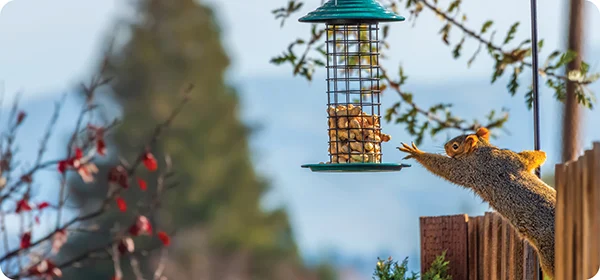
The allure of a well-stocked bird feeder is undeniable, transforming backyards into vibrant havens for feathered visitors. However, this avian dining experience often attracts unintended guests, ranging from acrobatic squirrels to flocks of opportunistic birds, leading to frustration for dedicated bird enthusiasts. WBU Inc., a leading authority in backyard bird feeding, offers a comprehensive guide to understanding and mitigating these common challenges, empowering individuals to reclaim their feeders and foster a more balanced ecosystem.
The Persistent Problem of Backyard Critters
The fundamental driver behind these incursions is simple: survival. For many wild animals, particularly squirrels and certain bird species, bird feeders represent a readily accessible and energy-rich food source. This abundance, while a boon for the intended recipients, can quickly deplete seed supplies and damage equipment, leading to a costly and disheartening experience for the feeder’s owner.
Squirrels, renowned for their agility, intelligence, and persistent nature, are often the primary culprits. Their ability to scale poles, leap from trees, and manipulate feeder mechanisms makes them formidable adversaries. A single determined squirrel can consume a significant portion of birdseed in a single visit, and their gnawing can compromise the integrity of feeders and poles. Beyond squirrels, certain bird species, often referred to as "nuisance birds," can congregate in such numbers that they overwhelm feeders, consuming vast quantities of food and actively deterring smaller, more desired species. This dynamic, while a natural part of ecological interactions, can disrupt the intended purpose of backyard bird feeding for many enthusiasts.
Strategic Solutions for Squirrel Deterrence
WBU Inc. emphasizes that effective squirrel-proofing is not about eliminating these creatures but about creating barriers that prevent them from accessing the feeders. The most widely recommended and effective strategy involves the strategic use of baffles.
Pole-Mounted Feeder Defenses
For feeders mounted on poles, stovepipe baffles are presented as a near-impenetrable defense. These smooth, metal cylinders, typically around six inches in diameter, are designed to prevent squirrels from climbing the pole. Their efficacy hinges on proper placement. WBU Inc. advises positioning the baffle at least five feet above the ground. Crucially, the entire pole system, including the feeder, should be situated at least ten feet away from any potential launching points. This includes trees, bushes, fences, or any other structure from which a squirrel could leap directly onto the feeder. By creating this "no-jump" zone, even the most athletic squirrels are thwarted. The analysis suggests that this physical separation is the most critical element, as squirrels are adept at overcoming obstacles when they have a clear trajectory.

Hanging Feeder Safeguards
For feeders suspended from trees or other overhead structures, a different baffle approach is necessary. In these scenarios, a domed squirrel baffle is recommended. This baffle is designed to be placed directly above the feeder, effectively blocking squirrels from descending along the hanging wire or chain. The principle here is to create a physical overhang that squirrels cannot navigate. The effectiveness of this method is enhanced when the dome is sufficiently wide to cover the entire feeder and its immediate surroundings.
Exclusion Cages: A Multi-Purpose Barrier
Another robust solution, particularly for feeders that cannot be easily adapted to pole-mounted baffle systems, is the use of exclusion cages. These cages, designed with openings sized to allow smaller birds to pass through while excluding larger birds and squirrels, can be retrofitted onto existing feeders. Available in various dimensions, these cages offer a versatile approach to protecting feeders from a range of unwanted visitors. The key to their success lies in selecting a cage with aperture sizes appropriate for the target bird species, ensuring that the desired birds can still access the food.
Addressing the "Nuisance Bird" Phenomenon
The term "nuisance bird" is subjective, but in the context of backyard bird feeding, it typically refers to species that dominate feeders to the exclusion of others, consuming food at an unsustainable rate. Identifying these species and understanding their feeding preferences is the first step in managing their presence.
Food Selection as a Deterrent
The type of food offered plays a pivotal role in dictating which birds visit a feeder. WBU Inc. suggests strategically selecting seeds and blends that are less appealing to common nuisance species while remaining attractive to desired backyard birds.
- Avoidance of Certain Seeds: Cracked corn and millet are identified as highly attractive to many species that can overwhelm feeders. By reducing or eliminating these ingredients, the appeal of the feeder to these particular birds can be diminished.
- The Safflower Solution: Safflower seed is highlighted as a beneficial alternative. While blackbirds, which can be numerous at feeders, tend to avoid safflower, many other desirable songbirds, such as cardinals, finches, and chickadees, readily consume it. This creates a more selective feeding environment.
- Pure Suet for Specific Tastes: Pure suet cakes, devoid of added ingredients like corn or artificial flavors, are often ignored by starlings, a species known for its aggressive feeding habits. However, these pure suet cakes remain highly attractive to woodpeckers, nuthatches, and other cavity-nesting birds, offering a targeted feeding opportunity.
Feeder Design: Engineering for Selectivity
Beyond food choices, feeder design itself can be engineered to favor smaller birds and deter larger ones.
- Weight-Sensitive Feeders: These innovative feeders are equipped with mechanisms that close off feeding ports when a bird of a certain weight lands on them. This effectively prevents heavier birds, such as starlings and grackles, from accessing the seed while allowing smaller birds to feed unimpeded.
- Caged Feeders: Similar to exclusion cages for squirrels, feeders with built-in mesh cages can be designed to allow smaller birds to pass through while blocking larger species. This offers a convenient, all-in-one solution for selective feeding.
- Perch Design: Feeders with short perches, or even no perches at all, can naturally discourage larger birds, which often rely on longer perches for stability. Smaller birds, accustomed to clinging to branches and twigs, can typically adapt to these designs more readily.
Expert Guidance and Further Resources
WBU Inc. underscores the importance of personalized advice for backyard bird feeding challenges. Their network of Certified Bird Feeding Specialists®, located in Wild Birds Unlimited stores across the United States and Canada, provides expert guidance tailored to local wildlife and specific backyard conditions. These specialists can offer hands-on demonstrations of various solutions and help customers select the most appropriate products for their needs.

For those seeking to deepen their understanding of critter management and bird feeding best practices, WBU Inc. also promotes its "Nature Centered" podcast. Episode 76, titled "Critter Solutions," is specifically dedicated to addressing these common backyard challenges, offering further insights and practical tips.
The Broader Implications of Harmonious Backyard Ecosystems
The efforts to manage critter interactions at bird feeders extend beyond mere convenience. They contribute to a more sustainable and enjoyable backyard ecosystem. By preventing the overconsumption of food by a few dominant species, enthusiasts can ensure that a wider variety of birds have access to essential nutrition. This, in turn, can support local bird populations, contributing to biodiversity.
Furthermore, the ongoing engagement with these challenges fosters a deeper appreciation for the natural world. Learning to coexist with wildlife, even the more persistent visitors, requires observation, understanding, and a willingness to adapt. The solutions offered by WBU Inc. are not about creating an artificial environment but about establishing a balanced relationship between human activity and the natural foraging behaviors of wildlife. This approach promotes a more harmonious coexistence, enriching the experience for both the bird feeder owner and the diverse array of creatures that share the backyard space. The sustained availability of diverse food sources, managed responsibly, can play a crucial role in supporting migratory birds and local populations through various seasons, contributing to the overall health of the avian community. The educational aspect of managing these interactions also encourages a more informed and respectful approach to wildlife, fostering a sense of stewardship among backyard naturalists.