
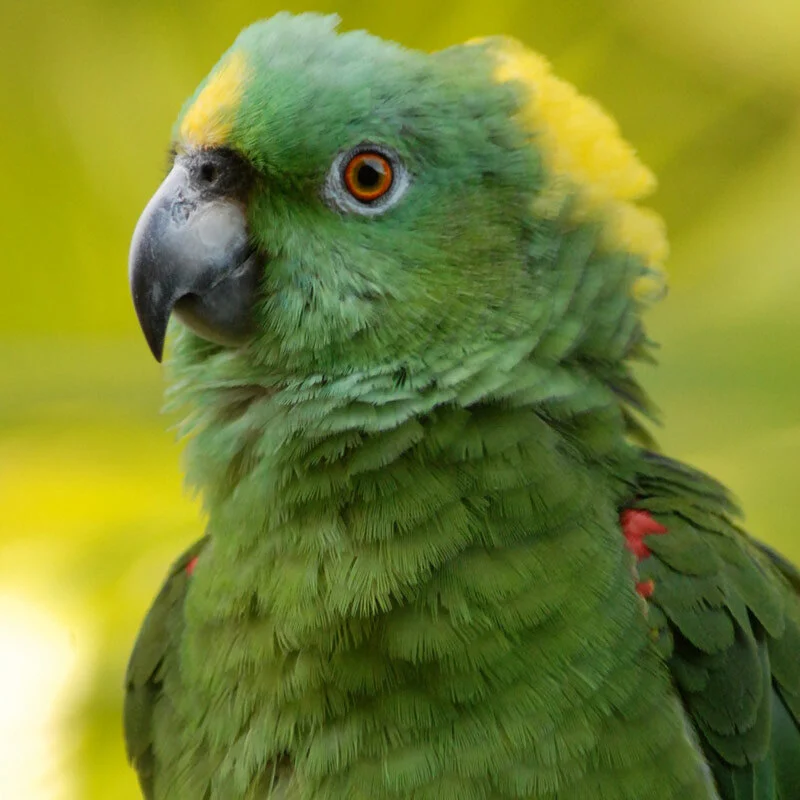
A groundbreaking study published on February 12, 2026, has unveiled the intricate and surprisingly structured vocal communication system of yellow-naped Amazon parrots, suggesting their duets may function in ways analogous to human language. Researchers from the University of Pittsburgh, led by Dr. Christine R. Dahlin, have identified that mated pairs of these critically endangered birds engage in elaborate "warble" duets composed of at least 36 distinct call types. These calls are not random utterances but are arranged in patterned, rule-governed sequences, providing compelling evidence for a sophisticated, learned communication system within these avian species. The findings underscore the depth of avian intelligence and the potential for complex linguistic-like structures in non-human communication, while simultaneously highlighting the urgent need for conservation efforts to protect these unique vocalists.
Unveiling the Complexity of Parrot Communication
For centuries, parrots have captivated human attention with their uncanny ability to mimic human speech and even adopt regional accents. This ability has often led to the perception that their vocalizations are primarily imitative. However, the latest research challenges this notion by demonstrating that parrots possess their own rich and complex internal communication systems, independent of human influence. The study on yellow-naped Amazon parrots reveals that their duets are far more than simple calls; they are structured exchanges with discernible patterns and rules, mirroring the syntactic organization found in human language.
Dr. Dahlin and her team meticulously analyzed hundreds of hours of recorded vocalizations from mated pairs of yellow-naped Amazons. Their analysis revealed that the duets are not simply a collection of sounds but are built upon a repertoire of 36 identifiable call types, with an additional 11 calls observed only once, suggesting the possibility of an even larger and more nuanced vocabulary. What makes these findings particularly significant is the discovery that these calls are arranged in specific, predictable sequences. This adherence to discernible rules in vocal exchanges is a hallmark of complex communication systems, including human language.
Sex-Specific Signals and Social Dynamics
A striking aspect of the study is the identification of sex-biased calls within the parrot duets. The research indicates that a significant majority of the calls—between 75% and 99%—are primarily produced by either male or female parrots. Even more remarkably, some calls are entirely sex-specific, meaning they are exclusively uttered by one sex. This suggests that vocalizations play a crucial role in maintaining pair bonds, coordinating activities, and potentially conveying information related to reproduction, territorial defense, or even individual identity within the pair.
The researchers categorized the calls into two main groups: primary calls and warble calls. Primary calls are the more frequently heard vocalizations, forming the general communication repertoire. The warble call, however, appears to be a specialized form of communication, seemingly employed by mated pairs to alert each other or warn of potential dangers. These warble calls are characterized by their faster tempo and a wider range of notes compared to primary calls, indicating a distinct functional purpose. The existence of such specialized call types within a structured duet system points to a high degree of social complexity and cooperation between mated pairs.
The Evolutionary Roots of Avian Language
The observed complexity in yellow-naped Amazon parrot communication aligns with broader scientific understanding of vocal learning and social behavior in animals. Highly social species often develop more elaborate communication systems to navigate their intricate social environments. Parrots, as a group, are renowned for their cognitive abilities, including problem-solving, tool use, and complex social interactions. Their capacity for vocal learning, a trait shared with a select group of other animals like cetaceans and some songbirds, allows them to acquire and modify vocalizations throughout their lives, facilitating the development of learned communication systems.
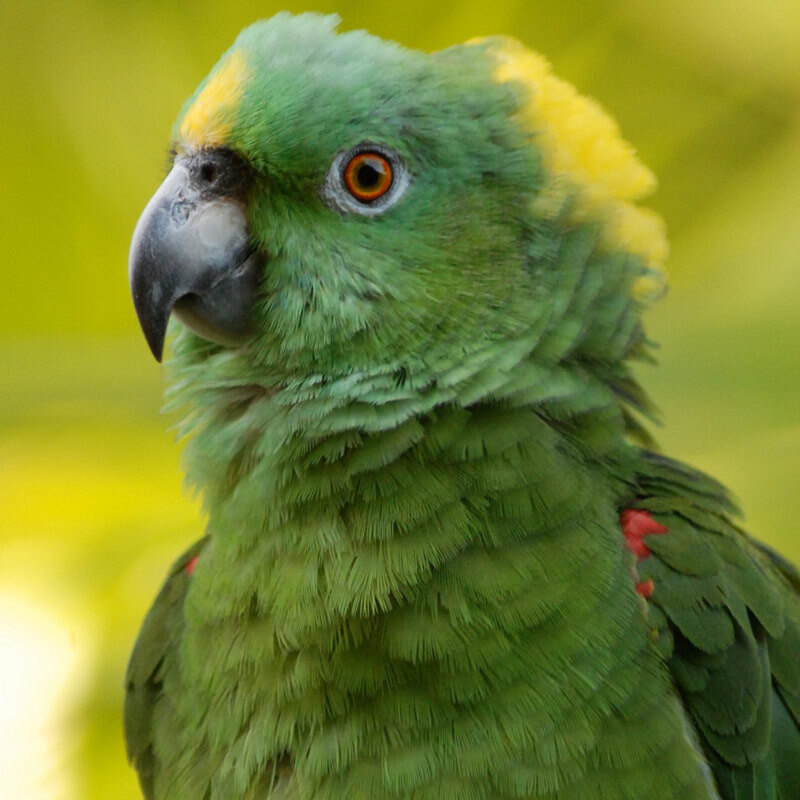
The study also sheds light on the phenomenon of regional dialects in parrots. Previous research has already established that different populations of yellow-naped Amazons exhibit distinct vocal patterns, suggesting a cultural transmission of vocal traditions across generations. The current study delves deeper, dissecting the internal structure of these vocalizations within mated pairs, revealing that the rule-governed nature of their communication extends to the intimate level of pair-bond interactions.
Implications for Conservation and Understanding
The findings from Dr. Dahlin’s research carry significant implications beyond the realm of animal communication. Yellow-naped Amazon parrots are listed as critically endangered by BirdLife International, facing severe threats from habitat loss and illegal pet trade. Understanding their complex communication systems is not merely an academic pursuit; it is crucial for effective conservation strategies.
"If we hope to eventually break the code of their vocal communication system, it will likely take a sustained mix of conservation efforts, field observations, and playback experimentation," stated Dr. Dahlin and her colleagues in their published paper. They emphasize that their work demonstrates the value of studying vocal complexity and syntactic organization in wild animal populations, as natural pressures shape communication in ways that cannot be replicated in captivity. This suggests that conservation efforts must not only focus on protecting habitats but also on preserving the natural social dynamics and communication patterns that are vital for their survival and reproductive success.
The ability to understand and potentially replicate their calls through playback experiments could be a powerful tool in conservation. For instance, it might aid in locating and monitoring populations, understanding their territorial boundaries, or even facilitating reintroduction programs by helping captive-bred parrots integrate into wild social structures. Furthermore, this research adds to the growing body of evidence that challenges anthropocentric views of intelligence and communication, highlighting the rich and diverse forms of cognitive complexity present in the natural world.
A Look Ahead: Future Research and Conservation
The study, titled "Decoding Parrot Duets," published in the Wiley journal, represents a significant leap forward in our understanding of avian vocalizations. It opens new avenues for research into the evolution of language and the cognitive abilities of non-human animals. The researchers are keen to expand their work, aiming to decipher the specific meanings and functions of individual call types and the rules that govern their sequencing. This could involve long-term field studies, advanced acoustic analysis, and behavioral observations to correlate specific vocal exchanges with particular actions or environmental events.
The urgency of these research efforts is amplified by the precarious status of the yellow-naped Amazon parrot. As their populations dwindle, the risk of losing their unique vocal heritage increases. The scientific community and conservation organizations are therefore urged to collaborate and invest in comprehensive research and conservation initiatives. The insights gained from studying these "talking" birds could not only help save a species but also profoundly enrich our understanding of communication itself, reminding us of the intricate tapestry of life and the urgent responsibility we have to protect it. The potential to "break the code" of their vocal communication system is a tantalizing prospect, one that promises to deepen our appreciation for the natural world and its astonishing complexities.