
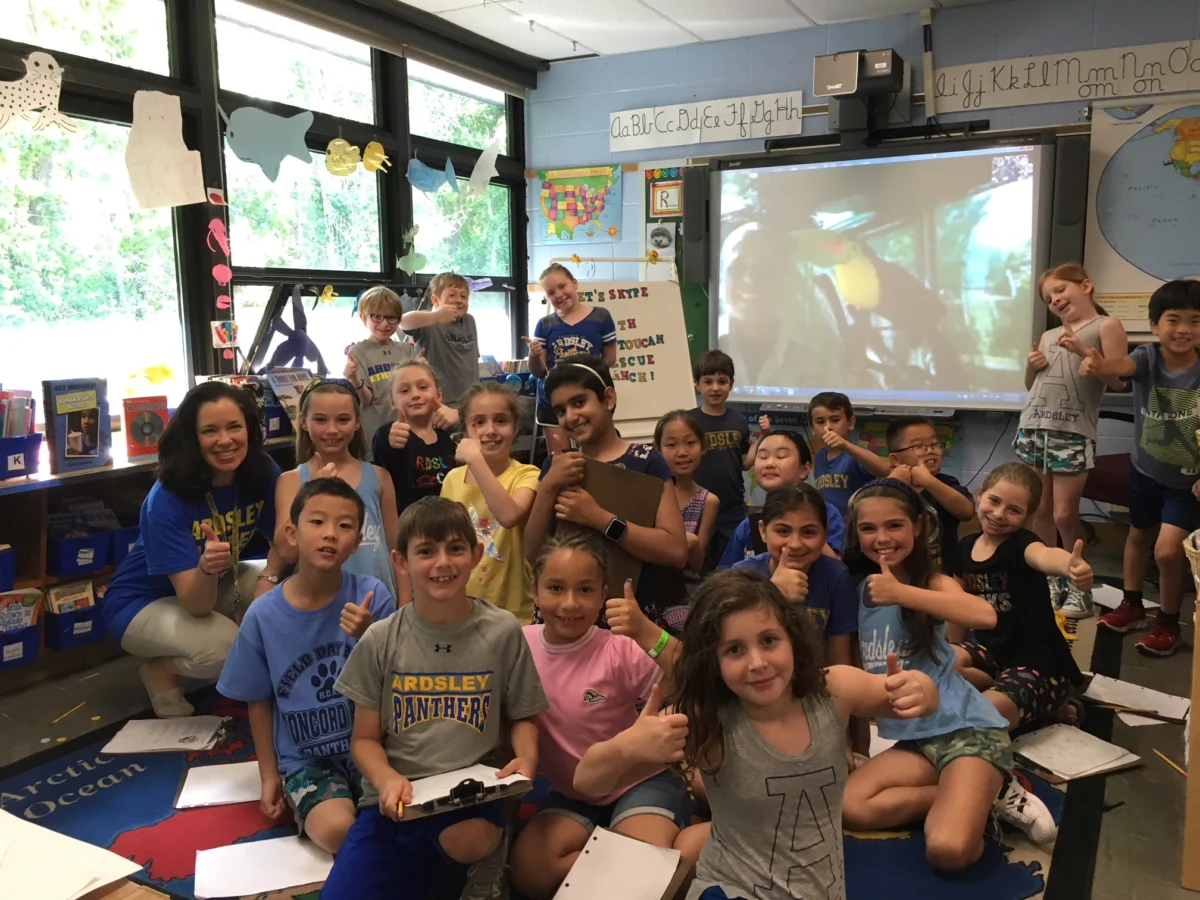
The Toucan Rescue Ranch (TRR), a leading wildlife rescue and rehabilitation facility based in Costa Rica, has officially unveiled the expanded scope of its comprehensive Education Program, marking a significant milestone in its mission to integrate environmental stewardship with scientific outreach. This initiative, which serves as a cornerstone of the organization’s conservation strategy, is designed to bridge the gap between wildlife rehabilitation and public awareness. By fostering a deep understanding of biodiversity and the complexities of ecosystem preservation, the program aims to cultivate a global network of informed advocates dedicated to protecting the natural world.
The Strategic Evolution of Wildlife Education
Founded on the principles of rescue, rehabilitation, and release, the Toucan Rescue Ranch has long recognized that clinical intervention alone is insufficient to address the systemic threats facing Costa Rica’s fauna. The Education Program was established as a proactive response to the increasing frequency of human-wildlife conflicts, habitat fragmentation, and the illegal pet trade. Over the past decade, the program has evolved from localized sanctuary tours into a sophisticated pedagogical framework that utilizes both onsite experiential learning and advanced digital outreach.
The core philosophy of the program rests on the belief that education is the most effective tool for long-term conservation. By providing participants with direct exposure to the realities of wildlife recovery, TRR seeks to transform passive observers into active participants in environmental protection. This approach is particularly critical in Costa Rica, a nation that holds approximately 6% of the world’s biodiversity, making it a vital laboratory for global conservation efforts.
Onsite Experiential Learning and Sanctuary Outreach
The Toucan Rescue Ranch offers a diverse array of interactive learning experiences at its sanctuary, tailored to accommodate various age groups and educational backgrounds. These onsite programs are structured to provide more than just a glimpse of exotic animals; they offer a rigorous look at the biological and ecological requirements of rescued species.
Guided tours are led by trained professionals who provide detailed insights into the life histories of the permanent residents—animals that, due to various injuries or domestic imprinting, cannot be returned to the wild. These residents serve as "ambassadors" for their species, helping visitors understand the specific challenges faced by toucans, sloths, owls, and wild cats in the contemporary landscape.
Furthermore, the ranch conducts hands-on workshops that delve into the mechanics of conservation. These sessions cover topics such as animal behavior (ethology), habitat requirements, and the veterinary challenges associated with treating injured wildlife. By aligning these programs with international curriculum standards, TRR has become a preferred destination for school field trips, university research groups, and community organizations seeking to integrate practical science into their educational agendas.
Digital Expansion: Virtual Learning and Global Accessibility
In an era of increasing globalization and digital connectivity, the Toucan Rescue Ranch has successfully transcended geographical boundaries through its virtual learning initiatives. Recognizing that not every student or wildlife enthusiast can travel to Costa Rica, the organization has invested heavily in high-quality virtual tours and interactive online workshops.
These virtual sessions are designed to be as immersive as their onsite counterparts. Utilizing live-streaming technology, educators at the ranch bring the sights and sounds of the rainforest directly into classrooms and homes worldwide. This digital pivot has allowed TRR to reach a broader audience, including schools in underserved regions and international students who might otherwise lack access to specialized conservation education.
The virtual program is not merely a passive viewing experience. It is structured to be highly interactive, featuring live Q&A sessions where participants can engage directly with conservationists. This real-time dialogue is essential for demystifying the work of wildlife rescuers and providing students with a realistic view of careers in biology and environmental science.
The Partnership with Exploring By The Seat Of Your Pants
A central component of TRR’s expanded digital outreach is its strategic partnership with "Exploring By The Seat Of Your Pants" (EBTSOYP). Founded in 2015 by National Geographic Explorer Joe Grabowski, EBTSOYP is a non-profit organization dedicated to bringing science, exploration, and conservation to life for students globally. Since its inception, EBTSOYP has hosted over 1,000 live events, connecting hundreds of thousands of students in more than 60 countries with world-class experts.
The collaboration between TRR and EBTSOYP has resulted in a specialized series of monthly virtual visits focused on one of the rainforest’s most iconic inhabitants: the sloth. These 40-minute sessions are meticulously planned to provide a comprehensive overview of sloth biology and the specific conservation efforts required to protect them.
During these sessions, a knowledgeable guide from the Toucan Rescue Ranch shares detailed information about the "Saving Sloths Together" program—a collaborative initiative between TRR and The Sloth Institute of Costa Rica. The presentations cover the entire lifecycle of a rescue case, from the initial emergency call to the intensive rehabilitation process and, ultimately, the final release back into the wild. The sessions conclude with a lively Q&A period, allowing students to probe deeper into the nuances of sloth behavior and the environmental pressures they face, such as power line electrocutions and habitat loss due to urban sprawl.
Supporting Data and Conservation Impact
The necessity of such educational programs is underscored by recent data regarding wildlife health in Central America. According to internal reports from the Toucan Rescue Ranch, the facility receives hundreds of animals annually, with a significant percentage of admissions resulting from preventable human-related incidents. Electrocutions from uninsulated power lines, dog attacks, and vehicle collisions remain the leading causes of injury for arboreal mammals like sloths and monkeys.
By educating the public—particularly the younger generation—on the importance of wildlife bridges, responsible pet ownership, and the preservation of biological corridors, TRR is seeing a measurable shift in community attitudes. In regions where education programs have been most active, there has been a documented increase in the reporting of injured wildlife and a greater community-led push for infrastructure improvements, such as the insulation of electrical transformers.
The financial model of the education program also contributes directly to the ranch’s operational sustainability. For instance, the partnership with EBTSOYP encourages classrooms to make modest donations (such as a $25.00 contribution), which are acknowledged with a special donation certificate. These funds are directly reinvested into the medical clinic and the "Saving Sloths Together" program, ensuring that the education initiative remains a self-sustaining engine for conservation.
Broader Implications for Global Environmental Stewardship
The impact of the Toucan Rescue Ranch’s Education Program extends far beyond the immediate rescue of individual animals. It represents a shift in the conservation paradigm, moving away from reactive crisis management toward proactive, education-based prevention. By equipping individuals with the knowledge and tools to advocate for wildlife, TRR is helping to build a global infrastructure of environmental stewardship.
Analysis of the program’s reach suggests that it plays a vital role in inspiring the next generation of scientists and conservationists. By humanizing the challenges of wildlife rescue and providing clear, actionable ways for the public to get involved, the program demystifies the path to environmental activism. This is particularly relevant in the context of the current global climate crisis and the ongoing loss of biodiversity, where informed public opinion is a prerequisite for policy change.
The integration of virtual platforms like EBTSOYP further democratizes access to scientific knowledge. It breaks down the socioeconomic barriers that often limit participation in environmental education, ensuring that a student in a rural North American town has the same opportunity to learn from a Costa Rican biologist as a student on a luxury eco-tour.
Conclusion and Future Outlook
As the Toucan Rescue Ranch continues to expand its educational footprint, the organization remains committed to refining its curriculum and embracing new technologies to enhance its message. The success of the "Saving Sloths Together" virtual series serves as a blueprint for future programs focusing on other critical species, such as the Great Green Macaw and various neotropical raptors.
The Education Program at Toucan Rescue Ranch stands as a testament to the power of informed advocacy. Through its blend of onsite immersion, tailored school programs, and global digital partnerships, the ranch is not only saving individual lives but is also fostering a deeper, more resilient connection between humanity and the natural world. For teachers, group leaders, and wildlife enthusiasts, the program offers a unique opportunity to participate in a movement that is as much about the future of our planet as it is about the animals currently in care. By supporting these initiatives, participants are playing a vital role in ensuring that the wonders of the rainforest remain for generations to come.