
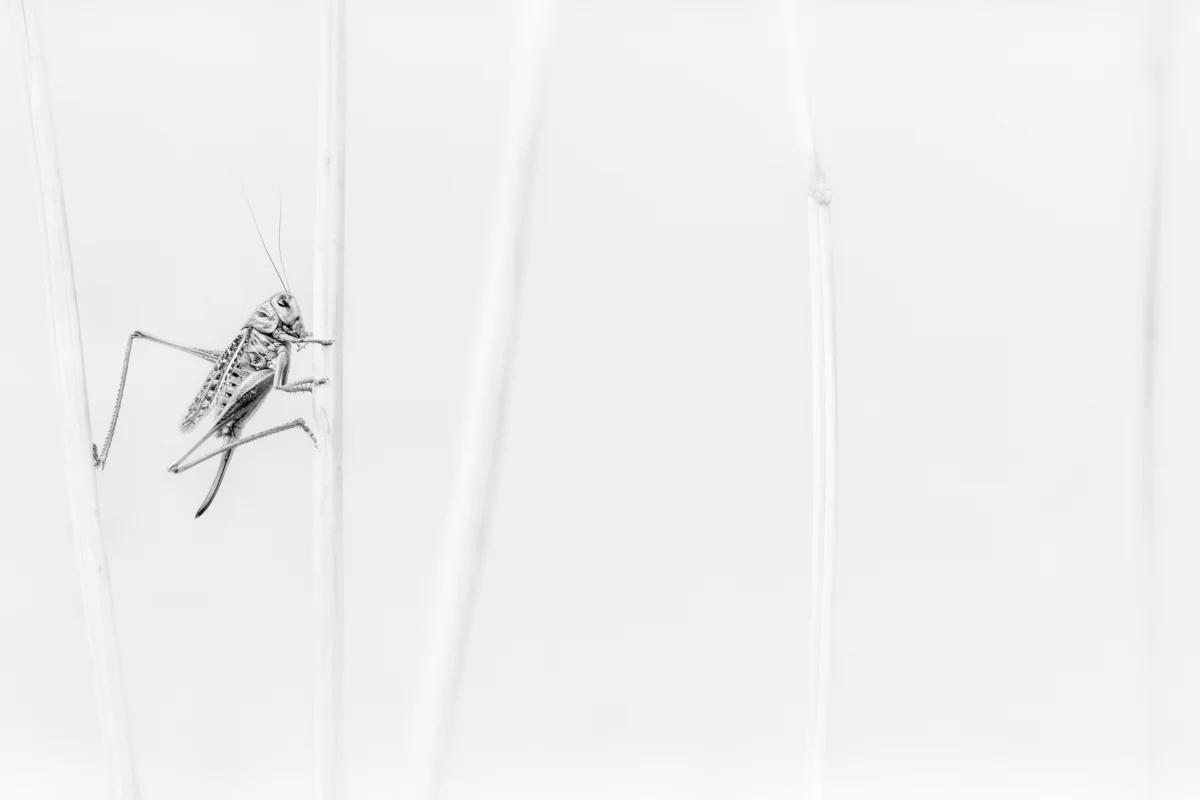
Elisa Confortini, a distinguished nature photographer, has cultivated a profound passion for documenting the natural world, particularly through the intricate discipline of macro photography focusing on arthropods. Her work transcends mere visual capture, evolving into a meticulous study of the behaviors and characteristics of these often-overlooked creatures, rendered with striking emotional depth through the deliberate choice of monochrome. Confortini’s journey began close to home, where the accessibility of arthropods provided a constant source of fascination and instruction, allowing for sustained observation that reveals behaviors typically invisible to the casual observer. Each year, she embarks on a quest to revisit familiar subjects or uncover new ones, consistently striving to portray them in ways that not only inform but also profoundly captivate the viewer, inviting a deeper appreciation for their complex lives.
The Unseen World: Arthropods as Crucial Photographic Subjects
Arthropods, a phylum encompassing insects, arachnids, and crustaceans, represent an astonishing 80% of all known animal species, playing indispensable roles in nearly every ecosystem on Earth. From the vital task of pollination to decomposition, nutrient cycling, and serving as critical links in food webs, their ecological contributions are immense and often underappreciated. Despite their omnipresence, from the most pristine wilderness to our urban backyards, they frequently elicit reactions ranging from admiration to disdain, embodying a long and complex human relationship marked by love, hate, veneration, and fear.
Confortini’s choice to focus on arthropods is a testament to their inherent photographic potential and ecological significance. Macro photography, by its very nature, demands precision and patience, transforming the minute into the magnificent. It offers a window into a world teeming with intricate structures, complex life cycles, and behaviors that unfold on a scale largely imperceptible without specialized equipment. Her long-term observational approach is particularly valuable, allowing her to document nuanced interactions and subtle expressions that would otherwise escape detection. This dedication not only results in visually stunning images but also contributes to a broader understanding and appreciation of these vital organisms, especially pertinent in an era where global insect populations face significant threats from habitat loss, climate change, and pesticide use.
The Enduring Power of Monochrome: A Timeless Artistic Medium
In an age dominated by vibrant, often digitally enhanced, color imagery, black and white photography stands as a powerful and timeless medium that continues to thrive. Its roots stretch back to the dawn of photography in the 19th century, with pioneers like Nicéphore Niépce and Louis Daguerre capturing the world in shades of gray. While color photography became widely accessible in the mid-20th century, monochrome never faded, enduring as a profound artistic choice. Today, for photographers like Confortini, working in black and white is not merely a nostalgic nod to the past but a deliberate aesthetic and stylistic decision, a potent means to express and convey raw emotion, stripping away the literal to reveal the essential.
The reasons for this enduring appeal are manifold and deeply rooted in photographic theory and artistic intent. As Confortini eloquently explains, color, while beautiful, can sometimes distract from the main subject. In the intricate and often chaotic environments where arthropods reside, the removal of color helps to isolate the subject, emphasizing its form and presence. The absence of color inherently highlights textures, contrasts, and shapes, allowing for the conveyance of emotions and narratives that might be overshadowed in a color image. The tonal nuances inherent in black and white—from the deepest blacks to the purest whites and the myriad grays in between—can evoke feelings of drama, mystery, and a sense of timelessness more readily than their colorful counterparts. Furthermore, monochrome compels both the photographer and the viewer to concentrate on foundational photographic elements: composition, light, shadow, and contrast. These elements are universally acknowledged as crucial in crafting an effective and impactful image, and black and white demands their mastery.
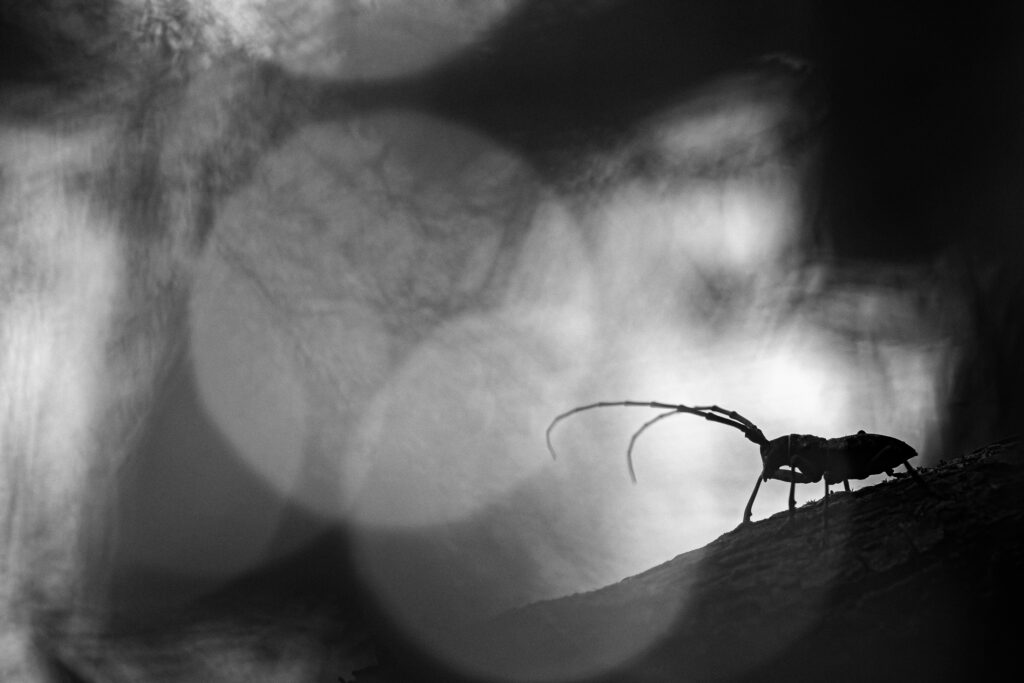
During the post-processing phase, the flexibility of black and white is particularly advantageous. Digital tools allow for unparalleled control over light and shadow, enabling manipulations that would be impossible or far less effective with color images. This empowers photographers to sculpt their images with precision, achieving a desired mood or emphasis that transcends mere documentation. As Confortini notes, monochrome offers a fundamentally different way of working, shifting the focus from chromatic fidelity to the interplay of light and form.
Elisa Confortini’s Philosophy: Decoding Monochrome’s Advantages
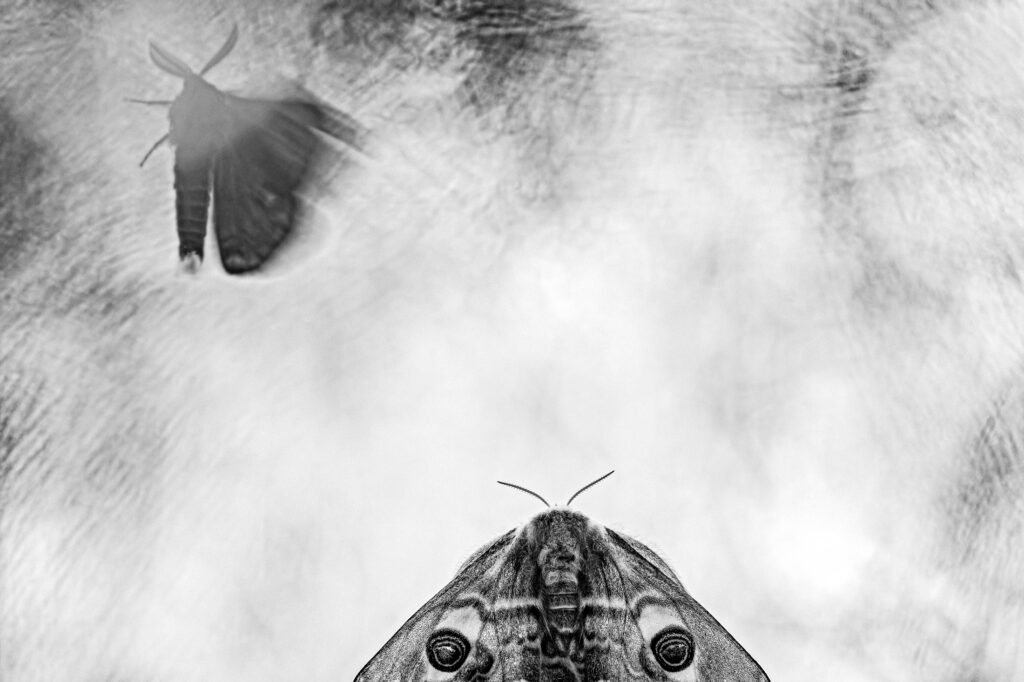
Confortini identifies several specific scenarios where the choice of black and white significantly enhances her macro photography of arthropods:
- Subject Isolation and Focus: Arthropod environments are frequently cluttered. By converting an image to monochrome, Confortini can effectively reduce visual noise, isolating the subject and drawing the viewer’s eye directly to it, emphasizing its unique characteristics.
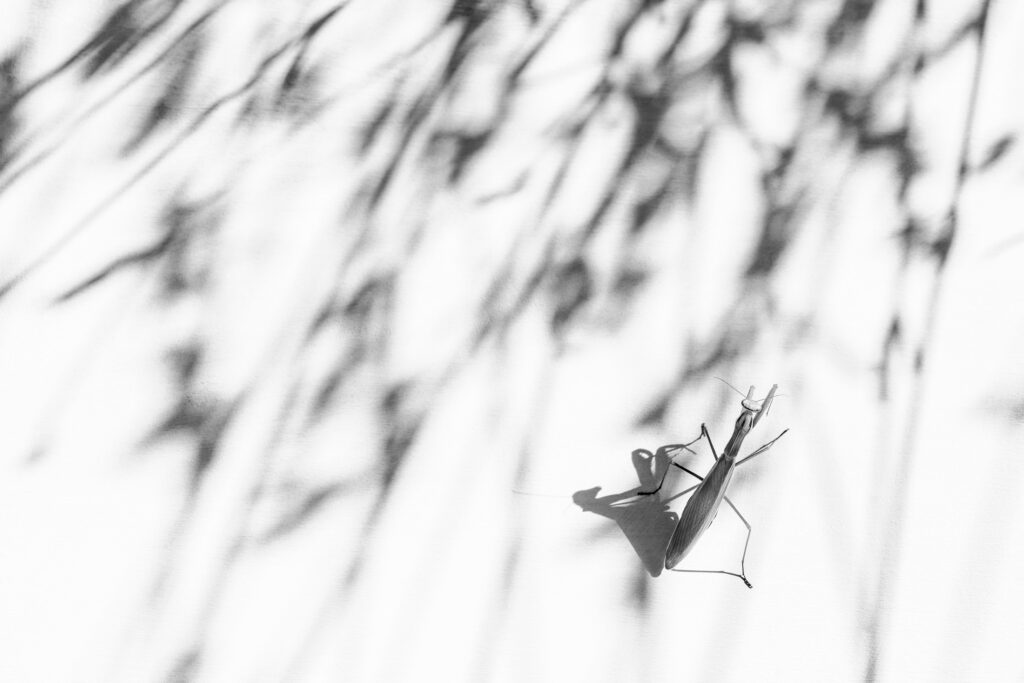
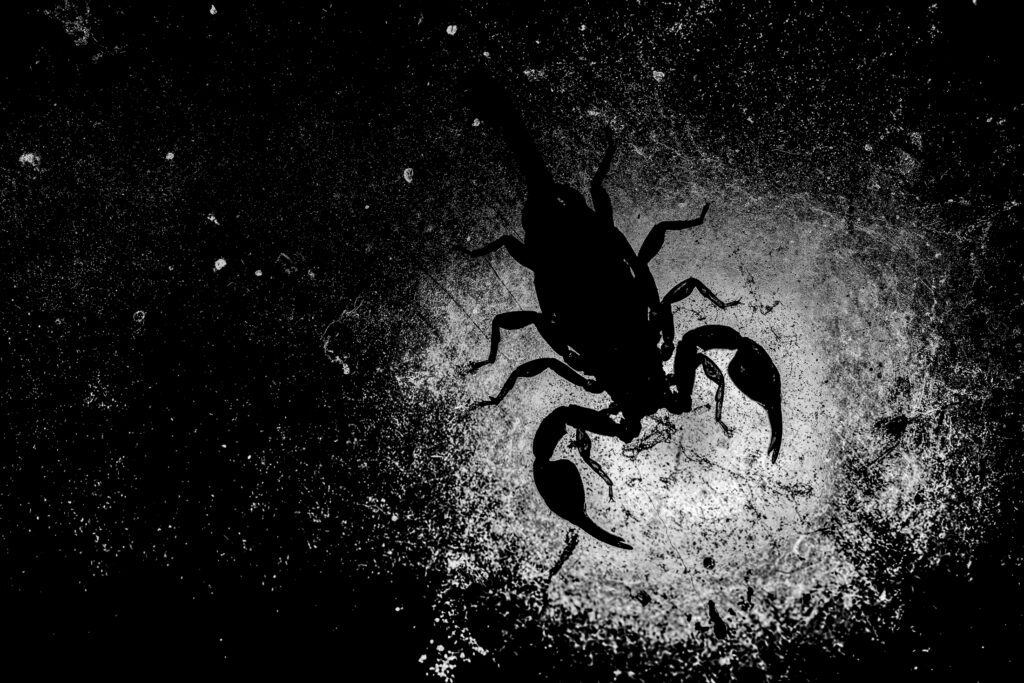
- Harnessing Harsh Light and Shadow: Challenging lighting conditions, such as strong, directional sunlight, can create harsh shadows and blown-out highlights in color photography. In black and white, these elements can be transformed into powerful graphic components, accentuating contrast and allowing for more effective use of negative space to shape the narrative.
- Transforming Noise into Atmosphere: High-ISO images, often necessary in low-light macro situations, can suffer from significant chromatic noise. Rather than attempting to suppress it, monochrome conversion can transform this noise into a pleasing grain, adding texture and atmosphere that enhances the image’s mood rather than detracting from its quality.
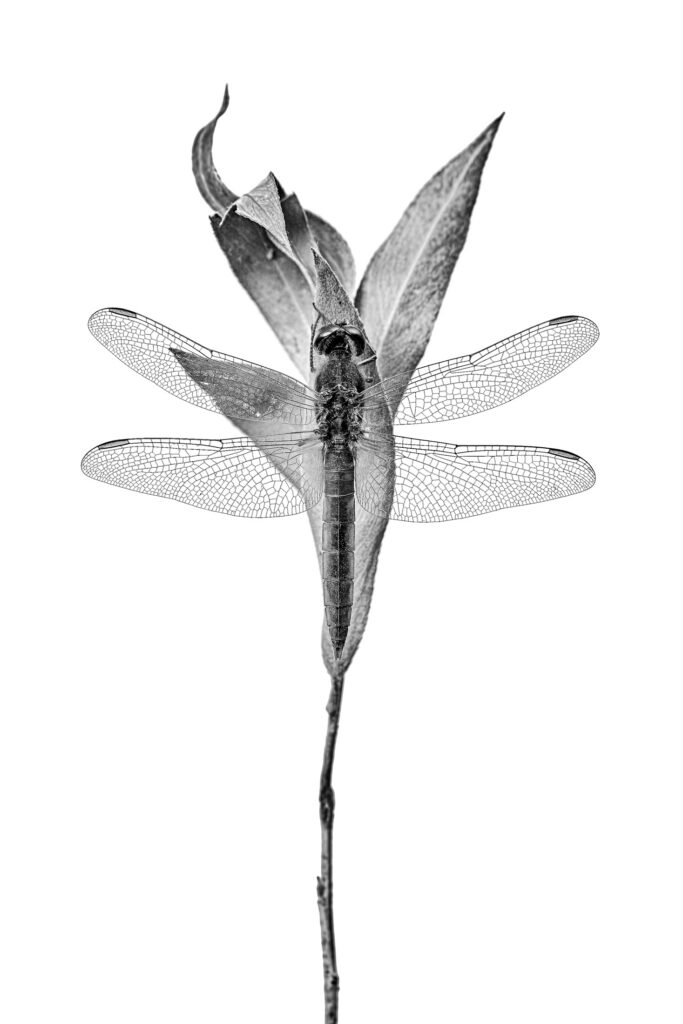
- Correcting Unwanted Color Casts: Environmental factors, such as the color of water in ponds or specific types of vegetation, can introduce undesirable color casts that are difficult to correct satisfactorily in color. Black and white circumvents this issue entirely, allowing the core composition and subject to shine through unblemished.
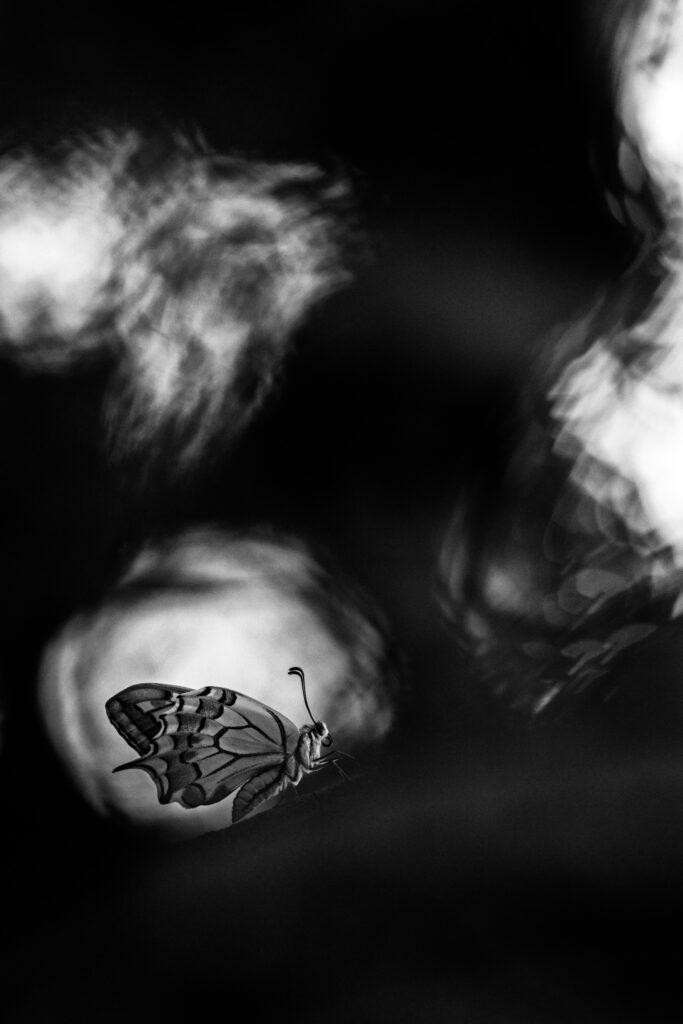
- Enhancing Artistic Techniques: When employing experimental techniques like double exposures or intentional camera movement (ICM), color can sometimes appear unnatural or distracting, detracting from the intended abstract or impressionistic effect. Monochrome allows the focus to remain on the fluid forms and interwoven elements, reinforcing the artistic intent.
Confortini is keen to clarify that her choice of monochrome is not a ‘rescue mission’ for technically imperfect images. On the contrary, she asserts that she converts only a select few images—those that already possess an inherent strength, graphic clarity, or expressive potential that is amplified by the absence of color. If color is integral to the story or emotional impact she wishes to convey, she preserves it. However, when atmosphere, graphic qualities, or the sheer interplay of light and shadow prevail, monochrome becomes the preferred medium.
Approaches to Black and White: Training the Eye
For any photographer venturing into monochrome, there are two primary approaches. The first involves continuing to photograph as usual, but maintaining a heightened awareness of scenes or subjects that possess qualities (strong light, interesting textures, compelling shapes) that might translate well into black and white. This opportunistic approach allows for flexibility.
The second, more immersive approach, is to commit to working exclusively in black and white for a period. Setting the camera to monochrome mode can be incredibly beneficial in training the eye and mind to "see" in tones and contrasts rather than colors. This method, as Confortini suggests, cultivates a new visual sensitivity, significantly improving a photographer’s ability to create impactful monochrome images. However, seeing the world without color, reduced to a continuous scale of grays, is a profound challenge, especially amidst the vibrant hues of grasses, flowers, and insects. It requires dedicated practice to understand how different colors translate into varying shades of gray. Experimenting by photographing brightly colored subjects and then converting them to black and white offers invaluable insights into this transformation.
Personally, Confortini prefers to convert her images to black and white during post-processing. This allows for unparalleled control over tonal nuances and intricate details. As monochrome is not her sole mode of expression, this workflow also provides the flexibility to calmly evaluate which images are best served by color and which are profoundly enhanced by black and white. Some images, she notes, are immediately envisioned in monochrome, while others require careful conversion and diligent work before their true effectiveness in black and white becomes apparent.

Revisiting Older Photographs and Embracing Minimalism
An insightful exercise for photographers is to revisit older images in their archives and experiment with monochrome conversion. This process can unveil new perspectives, evoke different emotions, and spark fresh creative ideas for future photographic endeavors. However, critical discernment is essential, as not every image lends itself effectively to black and white; some stories are simply best told in color.
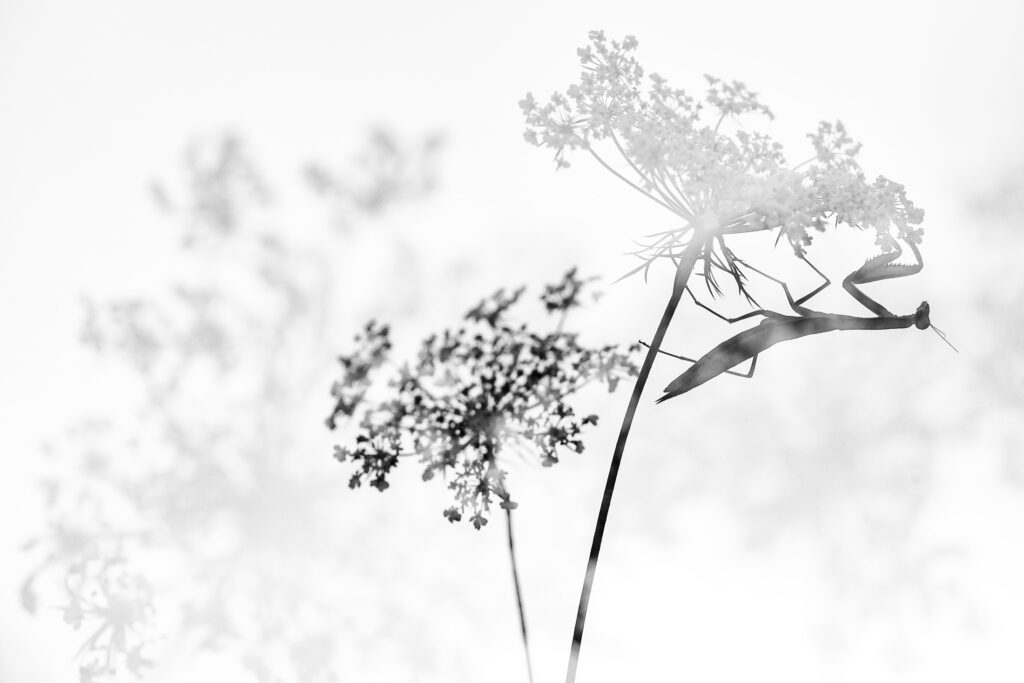
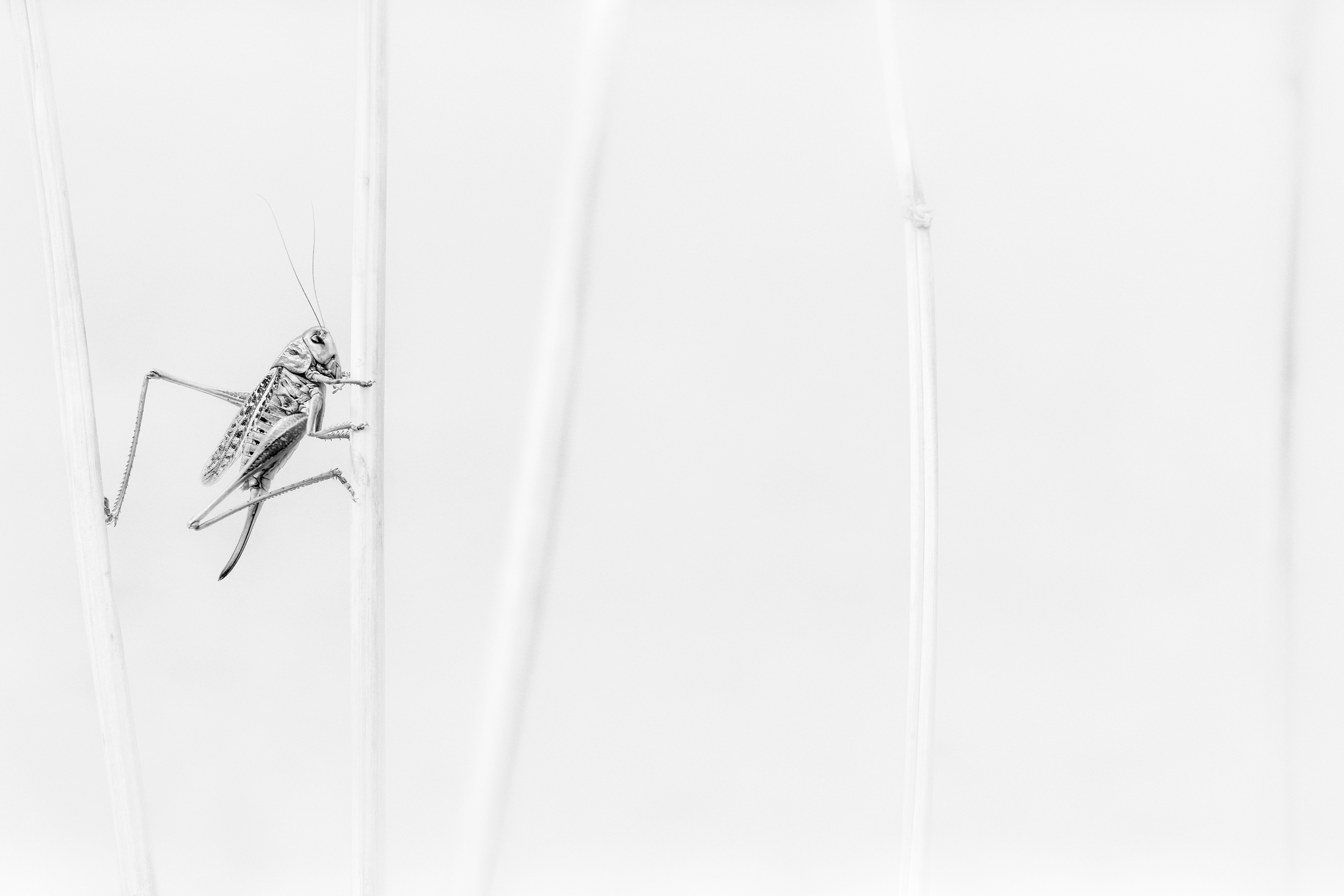
In the realm of macro photography, monochrome becomes a powerful tool for exploring minimalism. By stripping away chromatic complexity, Confortini can reduce clutter and distraction, focusing instead on simple, yet compelling, compositions. Enhancing the silhouette of an arthropod, for instance, is an intuitive application of black and white, but myriad other possibilities exist. The absence of color accentuates differences in light and shadow, allowing contrast to emerge with striking clarity. Exploring shapes—whether geometric forms that offer order and structure, or irregular shapes that introduce movement and unpredictability—becomes a primary means of creating engaging compositions.
Composition remains the cornerstone of creativity. Even in macro photography, the subject does not always need to fill the frame. Close-up work in monochrome can push boundaries towards abstraction, where details become patterns and textures become fields of light and shadow. Limited depth of field, a hallmark of macro photography, can be utilized creatively in black and white. By isolating a single sharp element, the surrounding environment dissolves into an elegant blur of tones, effectively guiding the viewer’s eye and offering unexpected, dreamlike perspectives.
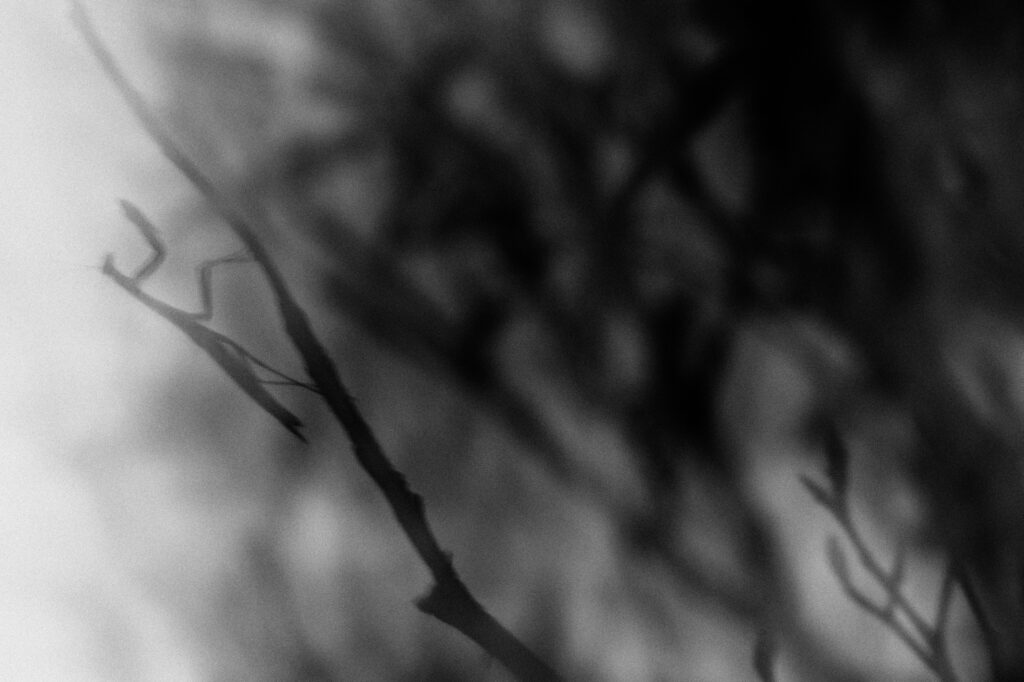
The deliberate use of grain is another artistic lever. While often considered a technical imperfection (due to high ISO or underexposure), in black and white macro photography, grain can enhance atmosphere, lending a timeless or gritty quality to an image, particularly when mood and environment take precedence over hyper-sharp detail. Confortini, preferring to maintain clean original images, opts to add grain selectively during editing, carefully experimenting with its intensity to achieve the desired emotional resonance.
Implications and Broader Impact: A Personal Creative Choice

While black and white photography is sometimes suggested as a learning tool for beginners, Confortini posits that in macro photography, this artistic choice often emerges later in a photographer’s journey, once a personal visual language has already begun to develop. For her, it became a profound path worthy of deeper exploration. In specific situations, she found that color could limit her creative interpretation, distracting from the atmosphere, emotion, and the profound sensations experienced during the act of photographing.
Her work underscores a crucial point: while nature photographers can create vibrant, hyper-detailed close-ups of insects, there is also immense artistic merit in choosing to express their beauty by evoking their environment, behavior, or character in a more interpretive, evocative manner. Ultimately, Confortini’s embrace of black and white macro photography is a deeply personal creative choice. It is a choice that allows her to reveal a small yet immense universe—rich, unfamiliar, fascinating, and sometimes unsettling—seen from a refreshingly different, profoundly artistic perspective. This artistic approach not only elevates the status of macro photography but also serves as a powerful reminder of the intricate beauty and ecological importance of arthropods, fostering a deeper connection between humanity and the natural world.