
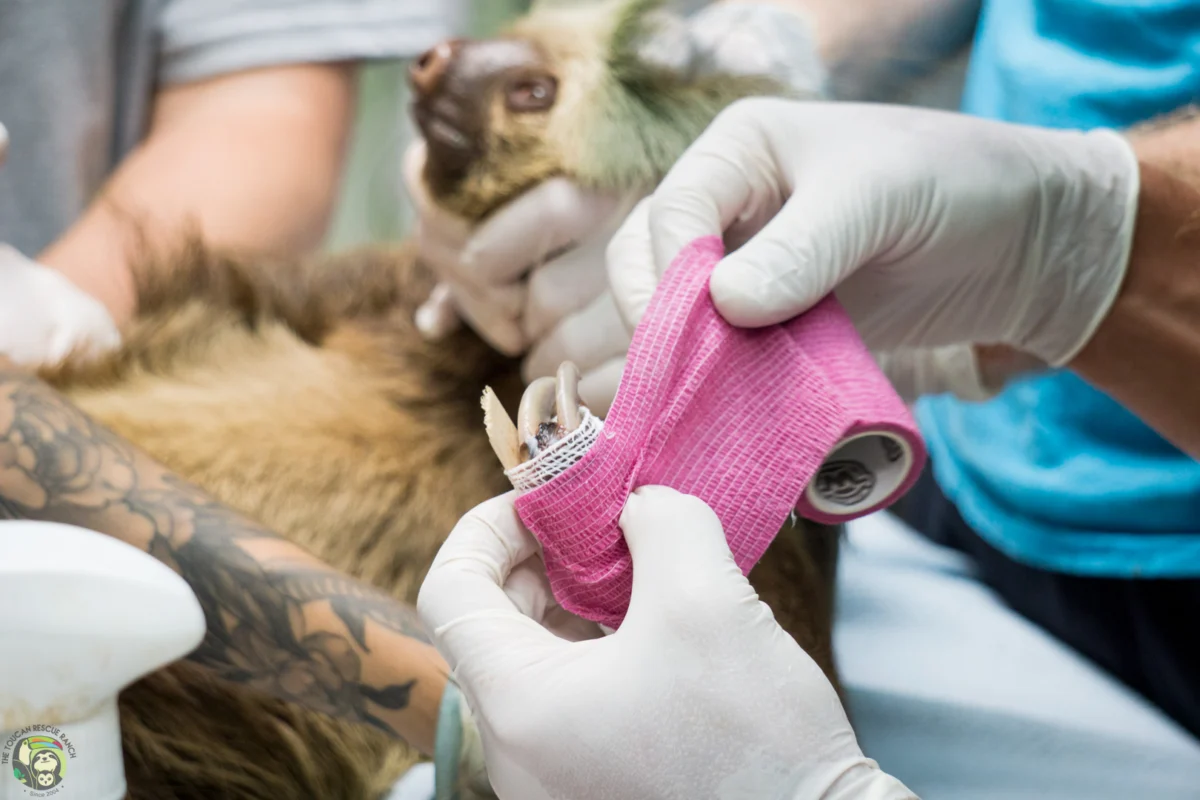
The Toucan Rescue Ranch, a prominent wildlife rescue and rehabilitation center based in Costa Rica, has launched a comprehensive initiative to streamline the donation of essential supplies through international logistics partnerships and digital wish lists. As global biodiversity faces increasing threats from habitat loss and climate change, organizations like the Toucan Rescue Ranch (TRR) are evolving their operational strategies to bridge the gap between international supporters and the immediate needs of tropical fauna. The organization’s latest appeal emphasizes the critical role of specialized medical equipment, nutritional supplements, and administrative resources in the rescue, rehabilitation, and eventual release of iconic species such as the three-toed sloth and the keel-billed toucan.
The Landscape of Wildlife Rehabilitation in Costa Rica
Costa Rica is home to approximately 6% of the world’s biodiversity, a staggering figure given its small geographic footprint. However, this biological wealth is under constant pressure from urbanization, infrastructure development, and human-wildlife conflict. The Toucan Rescue Ranch was established to address these challenges, providing a sanctuary for injured and orphaned animals that would otherwise perish. The facility operates as a high-functioning veterinary clinic and a long-term rehabilitation center, necessitating a constant influx of specialized supplies that are often difficult or prohibitively expensive to source within Central America.
The core mission of TRR—Rescue, Rehabilitate, and Release—is a resource-intensive process. For instance, the rehabilitation of an orphaned sloth can take up to two years, requiring specialized goat milk formula, constant veterinary monitoring, and enrichment materials to teach the animal how to survive in the wild. Similarly, toucans often arrive with beak injuries or wing fractures resulting from collisions or the illegal pet trade, requiring intricate surgical interventions and long-term physical therapy.
Navigating International Logistics and Postal Challenges
One of the primary hurdles for international NGOs operating in Costa Rica is the complexity of the national postal system. While the country is a leader in environmental policy, its logistical infrastructure for receiving international packages can be inconsistent. To mitigate the risk of lost or delayed donations, TRR has issued specific guidelines for supporters.
The organization strongly advises against using standard international mail services due to high rates of undelivered packages. Instead, they recommend a three-tiered approach to logistics. First, the most efficient method remains the "hand-carry" system. Travelers visiting Costa Rica for internships, volunteer programs, or ecotourism are encouraged to utilize their checked luggage allowance to transport donated items. This method bypasses customs delays and ensures that sensitive medical supplies reach the clinic in San Isidro de Heredia without exposure to the elements or mishandling.
Second, for those unable to travel, the organization has established a logistical hub in the United States. A board member located in Knoxville, Tennessee, manages a warehouse dedicated to collecting and storing donations. This U.S.-based collection point allows donors to take advantage of domestic shipping rates. Periodically, these items are consolidated and transported to Costa Rica via coordinated travel or specialized freight.
Third, for direct international shipping, TRR recommends the exclusive use of DHL. Although more expensive than standard mail, the reliability and tracking capabilities of DHL are considered essential for ensuring that high-value donations, such as veterinary surgical tools or diagnostic equipment, reach their destination safely.
Digital Integration: Amazon and Cuddly Wish Lists
To simplify the donor experience, TRR has leveraged e-commerce platforms, specifically Amazon and Cuddly. These digital wish lists are curated by the ranch’s veterinary and animal care teams to reflect real-time needs. This "precision giving" model ensures that the organization does not receive redundant items, instead focusing on high-priority tools that directly impact animal survival rates.
The Amazon Wish List typically includes items such as:
- Medical Grade Supplies: Gauze, antiseptic solutions, surgical drapes, and specialized veterinary monitors.
- Nutritional Support: Specific milk replacers for neonates and vitamin supplements tailored for avian and mammalian metabolism.
- Maintenance Tools: Heavy-duty gloves for handlers, cleaning agents for enclosures, and hardware for building temporary habitats.
The Cuddly platform, which focuses specifically on animal welfare organizations, allows donors to see the direct stories of the animals their contributions will help. This transparency fosters a deeper connection between the global donor community and the individual lives being saved on the ground in Costa Rica.
Prioritizing Needs: From the Clinic to the Release Site
The ranch categorizes its needs into priority levels to guide donors. High-priority items often include specialized medical equipment that is not manufactured in Costa Rica. For example, nebulizers for treating respiratory infections in sloths or incubators for orphaned birds are frequently at the top of the list. These items represent the difference between life and death during the critical first 48 hours of a rescue.
Medium-priority items generally include administrative and facility maintenance supplies. While less "glamorous" than medical tools, items such as high-quality flashlights for night rescues, durable rain gear for field biologists, and office supplies are vital for the organizational infrastructure. The ranch’s Release Site, located in the Sarapiquí region, requires unique supplies such as telemetry equipment (radio collars) to track animals after they return to the wild, ensuring the long-term success of the rehabilitation process.
Lower-priority items often consist of enrichment toys and general bedding. While important for the psychological well-being of the animals, these can sometimes be sourced locally or substituted with natural materials, making them less urgent for international shipment.
Financial Transparency and Tax Incentives
As a dual-registered entity, the Toucan Rescue Ranch offers significant tax advantages to its supporters. In the United States, TRR is a registered 501(c)(3) nonprofit organization (EIN: 80-0516453). This status allows American donors to deduct the value of their in-kind donations from their federal taxes, providing a financial incentive for corporate and individual philanthropy.
In Costa Rica, the organization is a registered foundation (#300667701803), adhering to strict local regulations regarding animal welfare and non-profit governance. This dual registration ensures a high level of accountability and transparency, reassuring donors that their contributions are managed according to international standards of best practice.
The Broader Impact of Wildlife Rehabilitation
The work of the Toucan Rescue Ranch extends beyond the individual animals in their care. By rehabilitating and releasing "umbrella species"—species whose conservation indirectly protects many other species in the same ecosystem—the ranch contributes to the overall health of the Costa Rican rainforest.
Furthermore, the ranch serves as an educational hub. The data collected by their veterinary team provides valuable insights into the health of wild populations and the prevalence of emerging diseases. The presence of a well-equipped clinic allows for the training of local and international veterinary students, creating a legacy of conservation knowledge that spans borders.
Analysis of recent trends suggests that in-kind donations are becoming increasingly vital for NGOs in developing nations. As inflation affects the cost of specialized goods globally, the ability to receive donated equipment from countries where those items are more accessible is a critical lifeline. For TRR, a single donated pulse oximeter or a box of specialized sutures can free up liquid funds to cover rising costs of food and electricity, effectively multiplying the impact of every dollar.
Conclusion and Call to Action
The Toucan Rescue Ranch continues to serve as a beacon of hope for Costa Rica’s wildlife, but its success is inextricably linked to the generosity and logistical coordination of its global "family." By following the established guidelines for donating through Amazon, Cuddly, or personal travel, supporters can ensure that their contributions bypass bureaucratic hurdles and go directly to the animals that need them most.
Whether it is a box of bandages brought in a suitcase or a high-tech incubator shipped via DHL, every item plays a role in a larger story of survival. As the ranch looks toward the future, the integration of global donor support with local conservation expertise remains the most effective strategy for preserving the natural heritage of one of the most biodiverse regions on Earth. The TRR team remains grateful for the continued support, reminding the public that in the world of wildlife rescue, no contribution is too small to make a life-saving difference.