
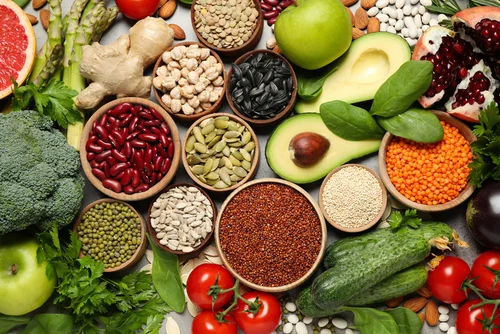
The surge in backyard poultry farming over the last decade has transformed the landscape of domestic food production, with millions of households now maintaining small flocks for egg production, pest control, and sustainable waste management. While chickens are biologically classified as omnivores and possess a robust ability to forage, veterinary experts and agricultural scientists are increasingly highlighting the critical importance of dietary boundaries. While the common perception of the chicken as a "living garbage disposal" persists, recent data from the Merck Veterinary Manual and various university extension services indicate that improper feeding practices—specifically the introduction of "toxic treats"—can lead to significant avian morbidity, reduced egg quality, and sudden flock mortality.

The Biological Context of Avian Digestion
To understand why certain human foods are hazardous to chickens, one must consider the avian metabolic system. Chickens lack the specific enzymes required to break down various complex compounds that are harmless to humans. Their high metabolic rate and relatively small body mass mean that even trace amounts of toxins can reach lethal concentrations in the bloodstream far more rapidly than in larger mammals. Furthermore, the avian respiratory and cardiovascular systems are highly sensitive to chemical interference, particularly from alkaloids and methylxanthines.

The role of the chicken in household sustainability often involves the consumption of kitchen scraps. While this practice significantly reduces landfill waste and provides birds with a varied diet, it necessitates a sophisticated understanding of botanical toxins. The distinction between "edible" and "toxic" is not always intuitive, as many common vegetables contain natural defense mechanisms—pesticides evolved by the plants themselves—that can overwhelm a bird’s internal organs.

Critical Toxins: A Detailed Analysis of Prohibited Foods
The most immediate threats to poultry health come from a specific list of foods containing concentrated toxins. Veterinary pathologists have identified several key categories of concern that every poultry keeper must recognize.

Avocado and the Threat of Persin
Among the most dangerous foods for poultry is the avocado. All parts of the avocado plant, including the fruit, skin, pit, and leaves, contain a fungicidal toxin called persin. According to the Merck Veterinary Manual, ingestion of persin is directly associated with myocardial necrosis in birds. Clinical studies have shown that as little as 5% of an avocado can prove fatal to a small bird within 48 hours. The toxin induces respiratory distress, fluid accumulation around the heart (hydropericardium), and eventual heart failure.

The Nightshade Family: Solanine and Chaconine
The Solanaceae family, commonly known as nightshades, includes white potatoes, tomatoes, eggplants, and peppers. These plants produce alkaloids such as solanine and chaconine as natural defenses. Solanine is a potent neurotoxin and cholinesterase inhibitor. In chickens, solanine poisoning manifests as diarrhea, slowed heart rate, and destruction of red blood cells leading to anemia.
.jpg)
While the toxins are most concentrated in the green parts of the plant—stems, leaves, and potato skins—the entire plant should be viewed with caution. Interestingly, the ripening process reduces solanine levels in the fruit of tomatoes and peppers, making fully ripe specimens safer in moderation. However, raw green potatoes and any part of the potato vine remain strictly prohibited. Sweet potatoes, conversely, belong to the Convolvulaceae (morning glory) family and do not contain solanine, making them a safe alternative.

Cyanogenic Glycosides in Stone Fruits and Apples
While the flesh of apples, peaches, cherries, and plums is nutritionally beneficial, their seeds and pits contain amygdalin, a cyanogenic glycoside. When digested, this compound releases hydrogen cyanide. Cyanide interferes with cellular respiration by preventing the cells from using oxygen. Symptoms in poultry include a bluish tint to the comb (cyanosis), rapid gasping, and sudden cardiac arrest. To ensure safety, all stone fruits must be pitted and apples cored before being offered to the flock.

Phytohaemagglutinin in Raw Legumes
Raw or undercooked dried beans, particularly kidney beans, contain high levels of the lectin phytohaemagglutinin. This compound acts as a natural insecticide but is highly toxic to vertebrates. In chickens, eating as few as three or four raw beans can cause rapid onset of severe digestive distress and death. The toxin can only be neutralized by soaking the beans for several hours and then boiling them at high temperatures. Sprouted legumes, such as peas and lentils, are generally safe as the sprouting process alters the chemical composition, but red kidney beans should always be avoided in any raw or sprouted form.

Compounds Requiring Strict Moderation and Oversight
Beyond the "immediately toxic" category lies a group of foods that, while not always fatal in small amounts, can cause long-term health degradation or interfere with the commercial viability of the flock.

Alliums and Heinz Body Anemia
Onions, leeks, and shallots contain thiosulphate, a compound that can cause the oxidative destruction of red blood cells, leading to Heinz body anemia. While garlic is also an allium, it contains significantly lower levels of thiosulphate and is often used in poultry science for its antimicrobial properties. However, raw onions should be excluded from the diet to prevent jaundice and potential mortality. Furthermore, sulfur compounds in onions can impart an "off" flavor to the eggs, rendering them unpalatable for human consumption.

Oxalic Acid and Calcium Interference
Rhubarb and spinach are high in oxalic acid. In the avian system, oxalic acid binds with calcium, creating calcium oxalates. This process effectively "steals" calcium from the bird’s system, which is critical for bone health and the production of eggshells. Excessive intake of these greens can lead to soft-shelled eggs or "rubber eggs," as well as kidney stones and renal failure. While spinach is nutritionally dense, it must remain an occasional treat rather than a dietary staple.

Stimulants and Anthropogenic Junk Food
Caffeine and chocolate contain methylxanthines (caffeine and theobromine). These stimulants cause a rapid increase in heart rate and can trigger seizures or cardiac arrest in birds. Similarly, "junk foods" high in refined salt and sugar are detrimental. High sodium intake leads to salt poisoning and kidney damage, as chickens have a limited capacity to excrete excess salt. Excessive sugar disrupts the delicate balance of the crop’s microbiome, potentially leading to "sour crop," a yeast infection that can be fatal if untreated.

Chronology of Toxicosis: Clinical Progression
The timeline from ingestion to clinical emergency varies based on the toxin type. For cyanide and persin, the window is often less than 24 to 48 hours. Owners may observe:

- Initial Phase: Lethargy, ruffled feathers, and a decrease in foraging activity.
- Intermediate Phase: Digestive upset (diarrhea), changes in comb color (pale or blue), and labored breathing.
- Terminal Phase: Convulsions, paralysis, coma, and death.
In contrast, toxins like solanine or thiosulphate may act more insidiously, with symptoms appearing over several days as red blood cells are gradually destroyed or the nervous system is slowly compromised.

Industry Standards and Expert Recommendations
Agricultural extension services, including the Maine Extension Service and Kalmbach Feeds, emphasize the "10% Rule." This standard dictates that treats—even healthy ones like fruits and vegetables—should never exceed 10% of a chicken’s total caloric intake. The remaining 90% must come from a balanced, commercially prepared poultry feed designed to provide the specific ratios of protein, calcium, and phosphorus required for avian health.

Dr. Lisa Steele, a prominent authority on backyard poultry, notes that while chickens are opportunistic feeders, the responsibility for biosecurity and nutritional safety rests solely with the keeper. "Chickens might not be picky, but they aren’t garbage disposals," Steele observes, highlighting the need for a "scraps bowl" approach that filters out hazardous materials before they reach the coop.

Broader Impact and Implications for Food Security
The health of domestic poultry flocks has direct implications for local food security. A flock suffering from sub-lethal toxicity will see a sharp decline in egg production and a weakened immune system, making them more susceptible to infectious diseases like Avian Influenza or Coccidiosis. Furthermore, the presence of chemical residues from pesticides or herbicides on lawn clippings fed to chickens can potentially contaminate the eggs consumed by humans.

In conclusion, the management of a backyard flock requires a rigorous scientific approach to nutrition. By excluding high-risk toxins such as avocado, raw beans, and nightshades, and by strictly moderating the intake of alliums and oxalic-rich greens, keepers can ensure the longevity and productivity of their birds. The transition from a "waste disposal" mindset to a "targeted nutrition" mindset is essential for the modern sustainable homestead. Choosing a diverse array of safe, whole-grain, and vegetable-based treats will result in a healthier flock, superior egg quality, and a more robust domestic food system.