
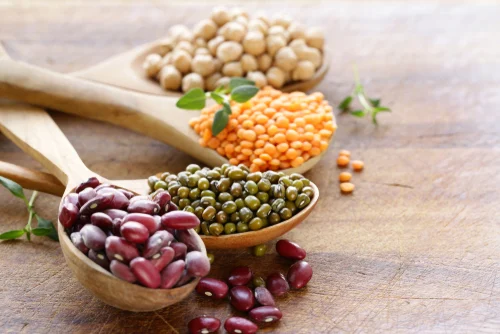
The rising popularity of backyard poultry farming has brought a renewed focus on avian nutrition and the potential hazards lurking in common kitchen scraps, most notably the severe toxicity associated with raw dried beans. While many flock owners view legumes as a cost-effective protein source, agricultural experts and avian veterinarians are issuing urgent warnings regarding phytohaemagglutinin (PHA), a potent lectin found in high concentrations in raw beans. This naturally occurring toxin, which serves as a defense mechanism for the plant against herbivores and insects, can be lethal to chickens in remarkably small quantities. According to poultry health experts, the consumption of as few as three or four raw kidney beans can lead to rapid physiological decline and death in an adult hen, making it one of the most acute dietary threats in the backyard setting.
The mechanism of this toxicity is rooted in the biological properties of lectins. Phytohaemagglutinin is a sugar-binding protein that, when ingested in its raw state, adheres to the carbohydrate-rich surface of the cells lining the digestive tract. This binding disrupts the cellular integrity of the intestines, leading to a cascade of systemic failures. For a bird with a high metabolic rate and a sensitive digestive system, the impact is almost immediate. Because chickens lack the complex enzymatic pathways required to neutralize these specific lectins during the initial stages of digestion, the toxin remains active and volatile as it passes through the crop and into the proventriculus and gizzard.
The Biological Profile of Phytohaemagglutinin
To understand why raw dried beans are so hazardous, it is necessary to examine the role of lectins in the plant kingdom. Phytohaemagglutinin is classified as a biochemical defense tool. In the wild, this toxin prevents insects and small mammals from consuming the seeds of the plant, ensuring the species can reproduce. While humans have learned to neutralize this toxin through heat, many animals—particularly birds—remain highly susceptible to its effects.

The concentration of PHA varies significantly across different types of legumes. Red kidney beans are known to contain the highest levels of the toxin, measured in Hemagglutinating Units (hau). Raw red kidney beans can contain between 20,000 and 70,000 hau, whereas fully cooked beans contain only 200 to 400 hau. For a chicken, which may weigh only four to seven pounds, the ingestion of even a small amount of high-hau material triggers a massive inflammatory response in the gut. This response causes the "leaking" of fluids and electrolytes, leading to the clinical symptoms of extreme vomiting, diarrhea, and severe lethargy.
The Context of Backyard Poultry Management
The danger of bean toxicity has gained prominence as the "grow-your-own" movement expands across North America and Europe. Modern poultry owners often prioritize sustainability, frequently supplementing commercial feed with "table scraps" or garden waste. While this practice can reduce waste and provide nutritional variety, it requires a sophisticated understanding of avian biology. Unlike mammalian pets, chickens have a unique digestive anatomy that makes them particularly vulnerable to certain phytochemicals.
In recent years, agricultural extension offices have reported an uptick in "mysterious" flock deaths that, upon necropsy, reveal acute gastroenteritis consistent with lectin poisoning. These incidents often occur after owners clean out pantries and discard old, dried beans into the chicken run, unaware that the hardness of the bean does not protect the bird, but rather ensures the toxin remains concentrated until it reaches the stomach.
Clinical Progression and Chronology of Ingestion
The timeline of PHA poisoning in poultry is often rapid, leaving little room for veterinary intervention. Once a chicken consumes raw dried beans, the following chronology typically unfolds:

- Ingestion (0–2 Hours): The bird consumes the beans, often attracted by the shape and size, which mimic small pebbles or high-protein treats. The beans enter the crop, where they begin to soften slightly due to moisture, releasing the initial stage of lectins.
- Early Symptomatic Phase (2–4 Hours): As the beans move into the gizzard and are ground down, the PHA is fully released and begins to bind to the intestinal villi. The bird may show signs of discomfort, such as fluffing of feathers or a cessation of normal foraging behavior.
- Acute Gastrointestinal Distress (4–8 Hours): The bird experiences severe digestive upheaval. Diarrhea becomes evident, and in some cases, the bird may attempt to clear its crop through regurgitation—a rare and distressing sight in poultry.
- Systemic Collapse (8–24 Hours): Dehydration and electrolyte imbalance set in. The bird becomes non-responsive. If the dosage was sufficient (the aforementioned three to four beans), the damage to the intestinal lining is often irreversible, leading to the death of the animal.
Safe Preparation and Mitigation Strategies
Despite the dangers of raw beans, legumes are not inherently "bad" for chickens; the risk lies entirely in the preparation. Legumes are an excellent source of vegetable protein, fiber, and essential minerals once the PHA has been denatured. For poultry owners who wish to include beans in their flock’s diet, a strict protocol must be followed to ensure safety.
The only reliable method to eliminate PHA is through sustained high-heat cooking. The process begins with a long soak—typically 12 to 24 hours—in cold water. This soaking process begins to break down the complex sugars and allows some of the water-soluble toxins to leach out. It is critical that the soaking water be discarded and the beans rinsed thoroughly before the next stage.
The most vital step is the boiling process. Beans must be brought to a full, rolling boil (212°F or 100°C) for at least 10 to 30 minutes. Some studies suggest that cooking beans at lower temperatures, such as in a slow cooker or "crockpot," can actually increase the toxicity of PHA by up to five times because the heat is sufficient to release the toxin but insufficient to destroy it. Therefore, owners must ensure a high-temperature boil is achieved before simmering the beans until they are soft. Once the beans are fully cooked and cooled, they are considered safe for avian consumption.
Analysis of Sprouting and Alternative Legumes
There is frequent debate among poultry enthusiasts regarding the safety of sprouted beans. Sprouting is a process that activates enzymes within the seed, often reducing certain anti-nutrients. For many varieties, such as mung beans or peas, sprouting is an effective way to make the nutrients more bioavailable and reduce lectin levels to a safe threshold.

However, experts warn that sprouting is not a universal solution. For high-toxin varieties like kidney beans and soy beans, sprouting does not sufficiently reduce the PHA levels to guarantee safety for chickens. The risk of residual toxicity remains too high to recommend sprouted kidney beans as a treat. Consequently, the standing recommendation from agricultural specialists is a "safety first" approach: if a bean requires boiling for human consumption, it must be boiled for poultry consumption.
Safe Alternatives: Fresh and Canned Options
For owners looking for safer ways to provide the nutritional benefits of legumes without the intensive preparation required for dried beans, several alternatives exist. Fresh green beans, wax beans, and snap peas are generally safe for chickens to consume raw. These immature pods contain negligible amounts of PHA compared to their dried, mature counterparts. Chickens often enjoy the hydration and "pecking activity" provided by fresh garden vegetables.
Canned beans are another viable option, as the commercial canning process involves high-pressure steaming and boiling that effectively neutralizes lectins. However, canned goods introduce a different risk: sodium. Most canned beans are preserved in a heavy brine. High sodium intake in poultry can lead to salt poisoning, kidney dysfunction, and poor eggshell quality. To mitigate this, canned beans must be thoroughly rinsed in a colander under running water to remove as much salt and preservative residue as possible. Even when rinsed, canned beans should be fed in moderation as part of a balanced diet.
Broader Implications for Animal Welfare and Education
The issue of bean toxicity highlights a broader challenge in the modern agricultural landscape: the gap between traditional farming knowledge and the new wave of hobbyist keepers. In previous generations, the "old-timers’ methods" often included a cautious approach to feed, but as the disconnect between people and food production grew, much of this nuanced safety information was lost.

The implications of dietary mismanagement extend beyond the loss of individual birds. For small-scale egg producers, the sudden death of several high-performing layers represents a significant economic blow. Furthermore, the emotional toll on backyard keepers, who often view their flocks as pets, is considerable. Educational initiatives by organizations such as "Fresh Eggs Daily" and various university agricultural extensions are working to bridge this gap, providing peer-reviewed, fact-based guidance on flock nutrition.
Veterinary professionals are also calling for more rigorous labeling or warnings on bulk bean packaging. While human poisoning from undercooked beans is well-documented in medical literature, the veterinary community is pushing for more public awareness regarding the sensitivities of livestock and companion animals to these same toxins.
Summary of Nutritional Best Practices
To ensure the health and longevity of a backyard flock, owners should adhere to a strict hierarchy of feeding safety. The primary diet should always consist of a high-quality, nutritionally balanced commercial feed tailored to the birds’ age and purpose (e.g., layer crumbles for egg-producing hens). Treats and scraps should never exceed 10% of the total daily intake.
When introducing legumes, the following rules are non-negotiable:

- Never feed raw, dried beans of any variety.
- Always soak, rinse, and boil dried beans at 212°F for at least 10 minutes.
- Avoid slow-cooking beans for poultry, as low heat can increase toxicity.
- Rinse all canned beans to remove excess sodium.
- Prioritize fresh peas and green beans as safer, raw alternatives.
By understanding the biochemical risks associated with common foods like dried beans, poultry keepers can prevent avoidable tragedies and maintain a thriving, healthy environment for their birds. The case of phytohaemagglutinin serves as a powerful reminder that "natural" does not always mean "safe," and that informed stewardship is the cornerstone of successful animal husbandry.