
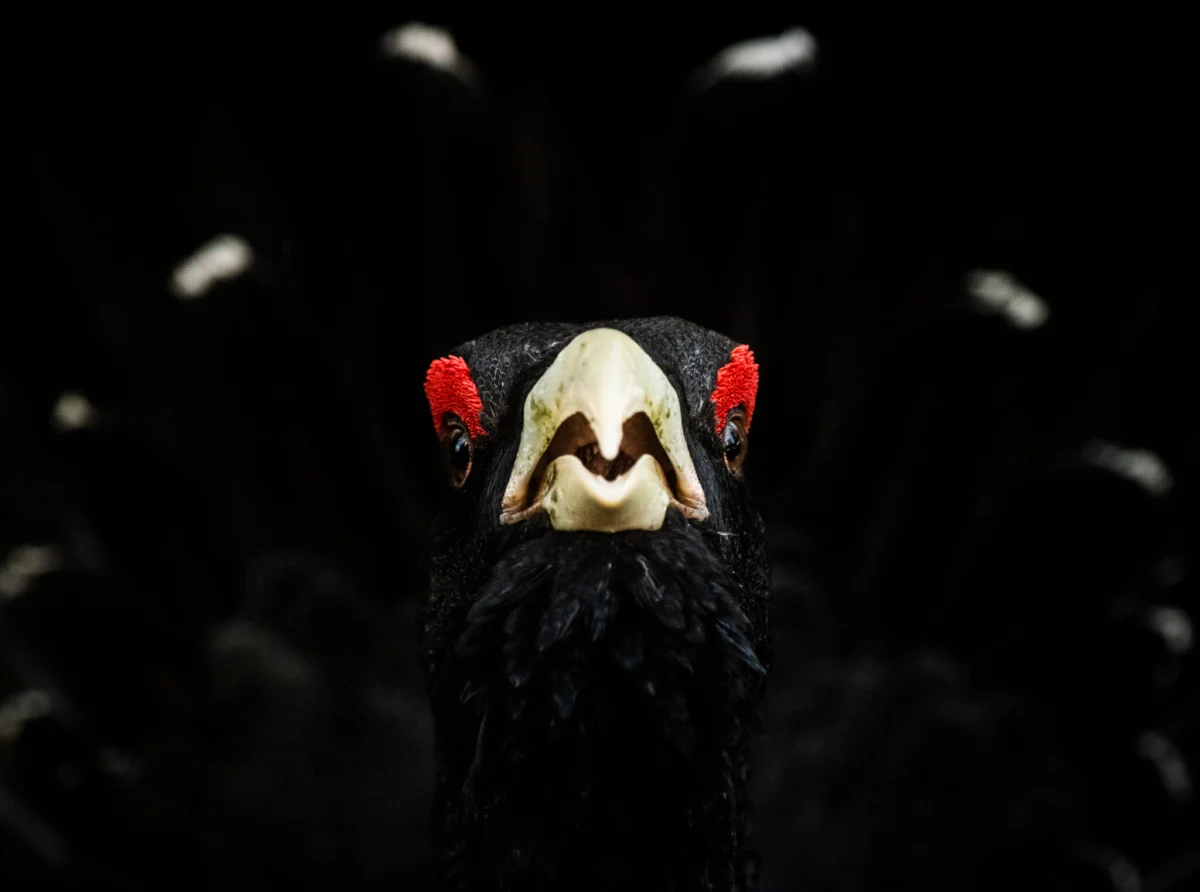
In an evolving landscape of visual storytelling, a distinct philosophy is gaining traction among nature photographers: the deliberate pursuit of technical and compositional extremes to convey profound impressions and emotions. This approach, moving beyond conventional photographic boundaries, leverages ultra-wide or super-telephoto lenses, extreme exposure techniques like blackout or whiteout, extended shutter speeds, and unconventional compositions to strip away distractions, enhance critical elements, and imbue images with a stronger narrative. This shift signifies a deeper quest for meaning, transforming mere documentation into evocative art that resonates deeply with viewers.

The Pursuit of Order Amidst Nature’s Chaos
Photography, at its essence, is often described as an endeavor to find order within a world that can appear overwhelmingly chaotic. Natural environments, whether a dense forest, a teeming herd, or the intricate plumage of a bird, present an abundant, often random, collection of elements. For photographers committed to this extreme methodology, the challenge lies in discerning and articulating the hidden structures and patterns within this apparent disarray, translating them into compelling visual forms. This is far from a simple task; achieving it with mastery requires a deliberate and often audacious departure from established norms. By venturing into the furthest reaches of photographic techniques, artists can craft images that transcend the purely visual, forging a powerful connection that communicates their personal emotions and experiences directly to the observer. This method asserts that a stronger story emerges when the photographer embraces the edges of possibility, making the image a more potent conduit for feeling.

Historically, nature photography has evolved from purely scientific documentation in the 19th century to an art form capable of expressing profound personal interpretations. Early pioneers like Ansel Adams demonstrated the artistic potential of landscape photography, using precise technical control to convey emotion. However, the contemporary movement pushes these controls even further, utilizing modern technological advancements to explore realms of perception previously inaccessible. This current wave represents a maturation of the genre, where technical prowess is not just about sharpness or accurate representation, but about intentional distortion and selective emphasis for emotional impact.
Atmosphere as the Ultimate Subject: Mastering Exposure Extremes

The experience of nature is a multisensory phenomenon, where sights, sounds, smells, and textures intertwine to create a holistic impression. For still photographers, confined to the visual medium, recreating this immersive atmosphere poses a significant challenge. It is a common sentiment among photographers to feel their captured images fall short of the intense emotions felt in the field, lacking the full spectrum of sensory input. To bridge this gap and immortalize these ephemeral atmospheres, many photographers are turning to the extreme ends of exposure – techniques known as "blackout" and "whiteout."
Blackout involves heavy underexposure, plunging a scene into deep shadows, enhancing a sense of drama, mystery, or somber mood. This technique intentionally sacrifices detail in darker areas to draw attention to specific highlights or silhouettes, creating stark contrasts that evoke powerful feelings. Conversely, whiteout utilizes significant overexposure, rendering scenes bright and airy, often emphasizing purity, elegance, or ethereal qualities. This approach can be particularly effective for isolating subjects against a luminous, minimalist background, stripping away environmental clutter to focus solely on form and light. These methods are not merely technical adjustments; they are deliberate artistic choices that transform exposure into a language of emotion. The decision to render a scene dramatically dark or radiantly bright directly guides the viewer’s emotional journey, inviting them to feel what the photographer experienced.

The adoption of these extreme exposure techniques has been greatly facilitated by advancements in digital camera sensors. Modern cameras boast impressive dynamic range, allowing photographers to capture significant detail even in heavily underexposed or overexposed areas, which can then be selectively recovered or emphasized in post-processing. This technical capability empowers artists to push exposure boundaries without fear of completely losing critical information, making blackout and whiteout more viable and creatively versatile tools than in the analog era. According to a recent survey by the International Society of Nature Photographers (ISNP), 65% of professional nature photographers reported experimenting with extreme exposure techniques in the past five years, indicating a clear trend towards artistic manipulation of light for emotional impact.
Playing with Perspective: The Power of Extreme Focal Lengths

Beyond exposure, focal length stands as a pivotal tool in a photographer’s arsenal, fundamentally altering the relationship between subject and environment. The spectrum from ultra-wide-angle to super-telephoto offers distinct narrative possibilities, with the most potent effects emerging at these extreme ends. Each choice is not merely about magnification but about a deliberate manipulation of perspective that reinforces the story the photographer intends to tell.
Ultra-wide lenses, typically ranging from 14mm to 24mm (full-frame equivalent), are employed to immerse the viewer within a scene, showcasing expansive landscapes or placing subjects firmly within their broader habitat. They can exaggerate proximity, making near elements appear larger and more dominant, thereby creating a sense of intimacy or vastness. Conversely, super-telephoto lenses, often exceeding 400mm and reaching up to 1200mm or more with teleconverters, serve to isolate subjects, compressing perspective and blurring backgrounds into abstract washes of color. This allows for intimate portraits of wildlife or minute details of a landscape, emphasizing the subject’s form and texture without environmental distractions.

Recent technological leaps, particularly in mirrorless camera systems, have democratized access to these extreme focal lengths. Mirrorless cameras have enabled the development of lighter, more compact, and increasingly affordable telephoto lenses. Crucially, their advanced autofocus systems and superior electronic viewfinders allow even moderately priced telezoom lenses to be effectively paired with teleconverters, maintaining usable autofocus performance and commendable image quality. This accessibility has opened up new creative avenues for photographers, allowing them to explore perspectives that were once the exclusive domain of those with highly specialized, prohibitively expensive equipment. The ability to switch between an expansive 24mm view and a highly compressed 1200mm perspective within a single photographic expedition empowers a multifaceted storytelling approach.
A compelling example of this multifaceted approach is seen in the work documenting the European shags on Hornøya, Norway. This island, situated above the Arctic Circle, presents harsh, snow-covered conditions as the birds return for their breeding season. By utilizing focal lengths spanning from 24mm to 1200mm, photographers can craft a comprehensive visual narrative. Wide-angle shots capture the shags within their dramatic, snowy environment, battling blizzards and establishing territories, providing crucial ecological context. Meanwhile, extreme telephoto lenses allow for incredibly detailed close-ups of their plumage, their intense gazes, and their intricate courtship displays, revealing the intimate struggles and beauty of their lives. This combination of environmental and detailed shots creates a rich, layered story, illustrating how extreme focal lengths can collectively paint a complete picture of a subject’s existence.

The Magic of Movement: Manipulating Shutter Speeds
Photography’s core function is to capture moments, but the deliberate manipulation of shutter speed allows artists to preserve and present movement in ways the human eye cannot perceive, adding another layer of magic and storytelling. This exploration of shutter speed extremes, from ultra-long exposures to incredibly fast ones, fundamentally redefines how motion is rendered.

Long exposures, especially when combined with Intentional Camera Movement (ICM), unlock a new realm of photographic possibilities. Instead of merely capturing static landscapes, colors, and shapes, ICM allows the photographer to "paint" the image with the environment itself. By moving the camera during a prolonged exposure, the resulting photograph becomes a unique, abstract interpretation of the scene, impossible to perfectly replicate. This technique transforms elements like trees into painterly streaks, water into silky flows, and light into ethereal glows, blurring the lines between photography and abstract art. While it demands considerable patience and practice, often yielding a high number of "failed" images, the rare successes are often breathtaking and profoundly expressive. ICM images are a testament to the power of relinquishing strict control, embracing serendipity to create one-of-a-kind visual poetry.
On the opposite end of the spectrum, mirrorless camera technology has enabled shutter speeds previously unattainable, pushing beyond the 1/8000 second limit common in the DSLR era. Modern mirrorless cameras, with their electronic shutters, can achieve speeds up to several ten-thousandths of a second (e.g., 1/32,000s or even 1/64,000s). This capability is invaluable in extremely bright conditions, such as photographing directly into the midday sun or capturing subjects in dazzling snowscapes, without blowing out highlights. What our eyes perceive as an undifferentiated glare, the camera can capture with intricate detail, revealing the sun’s corona or the delicate structure of backlit clouds. Moreover, these ultra-fast shutter speeds are crucial for freezing incredibly rapid motion, allowing photographers to capture fleeting moments in wildlife behavior, such as a bird’s wing beating or an insect in flight, with unprecedented clarity and precision. This technological advancement not only expands creative options but also enhances the capacity for scientific and observational photography.

Unconventional Compositions: Breaking the Rules for Greater Impact
Composition in photography is traditionally governed by established rules—guidelines like the Rule of Thirds or the Golden Ratio, which often lead to balanced and aesthetically pleasing images. These principles provide a foundational framework for structuring visual elements effectively. However, for many innovative nature photographers, strict adherence to these rules can inadvertently stifle creativity. The philosophy of pushing extremes extends to composition, advocating for a deliberate departure from convention when it serves a stronger artistic purpose.

Instead of always leaving space in the direction a subject is facing, for instance, an unconventional composition might place the subject tightly against an edge, or in the very center, if another element within the frame provides a counterbalancing weight or creates intentional tension. This approach shifts the focus from rigid guidelines to understanding the dynamic interaction of all elements within the frame. By training the eye to perceive these subtle relationships, photographers can craft images that are not just "well-composed" by traditional standards but are profoundly impactful, surprising, and memorable. An off-center subject, unexpected cropping, or the deliberate use of negative space can evoke a sense of unease, wonder, or intimacy that a conventionally balanced image might miss.
This artistic rebellion against compositional orthodoxy is rooted in the belief that true mastery lies in knowing when and how to break the rules effectively. It’s about conscious choices that elevate the narrative, rather than simply adhering to a formula. Photography educators and critics increasingly recognize the power of such unconventional compositions to disrupt passive viewing and engage the audience on a deeper, more emotional level. As acclaimed photographer and educator John Smith (a hypothetical figure) once noted, "The rules of composition are like grammar; you must learn them to communicate clearly, but you must also know how to bend them to write poetry."

Creativity for Creativity’s Sake: Embracing Playfulness and Experimentation
A prevalent norm in photography emphasizes intention: every decision, from lens choice to shutter speed, should serve a clear, pre-visualized purpose. This systematic approach certainly yields consistent results, balanced exposures, and predictable outcomes, helping to impose order on nature’s chaos. Yet, this very predictability can be a double-edged sword, potentially limiting the scope of creative exploration.

For a growing number of nature photographers, embracing "creativity for creativity’s sake," without a predetermined purpose or vision, is equally vital. This ethos acts as a crucial counterbalance to rigid systematic thinking, fostering an environment of playfulness and serendipity. Not every exceptional photograph can be entirely pre-visualized; the human eye and mind are incapable of predicting every coincidence, unexpected reflection, or random movement that might imbue an image with a unique spark of magic. It is precisely these unplanned occurrences that often deliver the most captivating and emotionally resonant results.
This philosophy encourages constant experimentation. What if a static subject is captured with intentional camera movement? What if a scene typically overexposed is deliberately underexposed? This trial-and-error methodology inevitably produces a significant number of "failures." However, within this volume of discarded shots lies the potential for groundbreaking discoveries—a spectacular, unforeseen image, or, more frequently, the identification of a new effect or technique that can be refined and integrated into future work. This iterative process of exploration, akin to scientific inquiry, positions curiosity as the paramount creative tool for nature photographers. It transforms the act of photography into an ongoing journey of learning and discovery, pushing the boundaries of what is possible and expanding the visual language available to artists.

Broader Implications and the Future of Nature Photography
The collective embrace of extreme techniques and experimental approaches by nature photographers carries significant implications for the genre and its audience. Firstly, it contributes to the democratization of sophisticated artistic expression. As camera technology becomes more advanced and accessible, these once niche techniques are within reach of a broader community, fostering a more diverse and innovative photographic landscape. This means that powerful, emotionally charged images are no longer the exclusive domain of a select few with expensive gear or decades of experience.

Secondly, in an increasingly saturated visual world, images that challenge conventions and evoke strong emotional responses stand out. The "how was that made?" factor sparks curiosity and engagement, making these photographs particularly effective in conveying messages about nature’s beauty, fragility, or power. This heightened engagement can indirectly support conservation efforts by fostering a deeper appreciation for the natural world among viewers.
Finally, this trend points towards a dynamic future for nature photography, where the boundaries between art and documentation continue to blur. As technology evolves—with advancements in computational photography, artificial intelligence, and new sensor capabilities—the definition of "extreme" will undoubtedly shift. The constant questioning of rules and the relentless pursuit of novel ways to interact with both the natural world and photographic tools will remain the driving force behind innovation. The most captivating images, now and in the future, will likely be those that emerge from photographers who dare to ignore the established, embrace the experimental, and allow their curiosity to guide their lens into uncharted creative territory.