
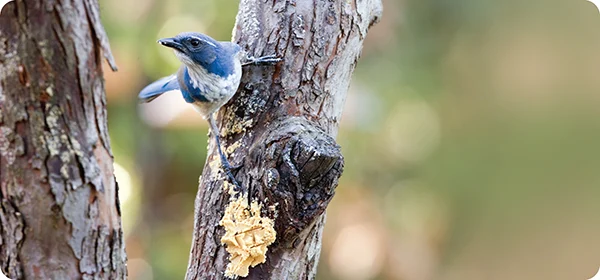
The concept of "feasting" traditionally evokes images of elaborate meals, celebratory gatherings, and a sense of abundance, often marking significant occasions. For many, this immediately brings to mind the communal experience of Thanksgiving, a holiday deeply rooted in gratitude and shared meals. This year, however, the spirit of feasting is extending beyond human tables, inviting a unique appreciation for the avian inhabitants of our backyards. Wild Birds Unlimited (WBU) Inc. is encouraging individuals to consider their feathered friends as integral parts of their celebratory meals, suggesting that by providing high-quality food and care, we can transform our backyards into vibrant dining halls for birds.
A Deeper Look at the Thanksgiving Tradition and its Extension to Wildlife
Thanksgiving, a holiday observed primarily in the United States and Canada, typically falls on the fourth Thursday of November in the U.S. and the second Monday of October in Canada. Its origins are often traced back to harvest festivals and days of thanksgiving, with the American tradition frequently associated with a 1621 harvest feast shared by the Pilgrims and the Wampanoag people. Over centuries, it has evolved into a secular holiday centered on family, gratitude, and a bountiful meal. The act of "feasting" during Thanksgiving involves more than just eating; it encompasses the preparation of special dishes, the use of cherished dinnerware, and the engagement in shared activities that foster connection and enjoyment. These activities can range from board games and puzzles to outdoor excursions like hiking, or the ubiquitous tradition of watching football.
The idea of extending this feasting concept to birds is a novel approach that seeks to broaden our understanding of community and generosity. WBU Inc. posits that if observing and sharing activities at backyard bird feeders is already a part of one’s holiday entertainment, then actively including birds in the "feast" is a natural and rewarding progression. This sentiment highlights the growing awareness of human impact on local ecosystems and the potential for reciprocal relationships with wildlife. By treating birds with the same care and consideration afforded to family members during holiday celebrations, individuals can foster a deeper connection with nature and contribute to the well-being of local bird populations.
Enhancing the Avian Dining Experience: A Menu for Our Feathered Guests
The core of this extended feasting concept lies in providing a meticulously curated dining experience for birds. This translates to ensuring their "table"—the bird feeders—is impeccably clean, a constant supply of fresh water is available, and the food offerings are of the highest quality. Just as a Thanksgiving dinner features a variety of dishes to satisfy diverse palates, WBU suggests a diversified menu for birds, moving beyond basic sustenance to offer a truly celebratory selection.
The foundational offerings for any backyard bird feast, according to WBU, include a quality seed blend, suet, and Nyjer® seed. These staples provide essential nutrients and are attractive to a wide range of bird species. However, to elevate the experience to a "feast," WBU recommends incorporating additional items such as peanuts, Bark Butter® products, and specialty seed blends like their Winter SuperBlend®.
- Quality Seed Blends: These are crucial for providing a balanced diet. Blends often include sunflower seeds (black oil and striped), safflower seeds, millet, and cracked corn, catering to the dietary needs of various seed-eating birds like finches, cardinals, jays, and sparrows. The quality of the blend is paramount; avoiding fillers and ensuring a high percentage of nutritious seeds is key.
- Suet: Particularly important during colder months, suet provides high-energy fat. It is a favorite among woodpeckers, chickadees, titmice, and nuthatches. Offering suet cakes with added ingredients like nuts, fruits, or insects can further enhance its appeal and nutritional value.
- Nyjer® Seed: This small, oil-rich seed is a favorite of smaller finches, such as American Goldfinches and House Finches. Its small size requires specialized feeders with small ports, ensuring that larger birds and squirrels cannot easily access it, thus maximizing the food for finches.
- Peanuts: Both shelled and in-shell peanuts are a highly nutritious and appealing food source for a wide array of birds, including jays, woodpeckers, chickadees, titmice, and nuthatches. They are a good source of protein and fat.
- Bark Butter® Products: These are a proprietary blend developed by Wild Birds Unlimited, typically made from peanut butter and cornmeal, often mixed with other ingredients like calcium and rendered beef fat. They are highly palatable and attract a broad spectrum of birds, including woodpeckers, chickadees, titmice, and even orioles and warblers during migration. They can be smeared on trees or offered in specialized feeders.
- Specialty Seed Blends (e.g., Winter SuperBlend®): These blends are often formulated to provide optimal nutrition and energy for birds during challenging seasons like winter. They might include a higher proportion of fats and proteins, alongside a variety of seeds and nuts to attract a wider diversity of species.
By offering such a diverse and high-quality menu, WBU suggests that the birds themselves will provide a significant portion of the day’s entertainment, their active feeding and social interactions becoming a captivating spectacle.
Beyond the Plate: The Broader Impact of Bird-Friendly Practices
The initiative to "feast with feathered friends" extends beyond the immediate act of feeding. It subtly underscores the importance of conservation and sustainable practices, particularly in the context of modern agriculture and its impact on biodiversity. The article highlights the inclusion of shade-grown, bird-friendly coffee as a thoughtful addition to the human feast, linking this choice to a tangible conservation effort.

Shade-grown coffee farms are recognized for preserving forest canopies, which provide crucial habitat and migratory stopover points for numerous bird species. Unlike sun-grown coffee plantations, which often involve clear-cutting forests, shade-grown systems maintain a more natural ecosystem. This preservation is vital for the survival of more than 42 species of North American migratory songbirds that overwinter in tropical regions. By choosing shade-grown coffee, consumers directly support these vital habitats, demonstrating that even personal consumption choices can have a significant positive impact on migratory bird populations. This connection illustrates how individual actions, when aligned with conscious consumerism and environmental stewardship, can contribute to larger conservation goals.
Resources for Further Engagement and Education
Wild Birds Unlimited is not only advocating for this enhanced bird-feeding experience but also providing resources to facilitate deeper engagement and understanding. The article points to several avenues for individuals seeking to learn more and take further action:
- 7 Simple Actions to Help Birds: This suggests that the organization offers practical, actionable advice beyond just feeding. These actions could encompass providing clean water sources, creating safe nesting sites, reducing pesticide use, and participating in citizen science projects.
- WBU Nature Centered Podcast, Episode 79: "Feasting with Feathered Friends": This podcast episode serves as an educational platform where experts John and Brian discuss how to attract a wider variety of birds to backyards. This highlights WBU’s commitment to educating the public and fostering a deeper appreciation for avian life. The podcast format allows for in-depth discussions and practical tips, making complex ecological concepts accessible to a broad audience.
- WBU Website and Franchise Information: The mention of the WBU website (www.wbu.com) and franchise opportunities (www.wbufranchise.com) indicates the organization’s established presence and its role as a leading retailer and advocate for backyard bird feeding and nature appreciation.
The registered trademark of Nyjer® seed by the Wild Bird Feeding Institute further underscores the organized and dedicated nature of the bird feeding community, signifying a collective effort to promote best practices and high-quality products.
The Broader Implications: Fostering a Culture of Coexistence
The "Feasting with Our Feathered Friends" initiative, as presented by WBU Inc., represents more than just a seasonal promotion; it signifies a subtle yet powerful shift in how humans perceive and interact with the natural world around them. By framing bird feeding as an act of hospitality and inclusion, akin to sharing a celebratory meal, the initiative encourages empathy and a sense of shared space.
In an era where urbanization and habitat loss are significant threats to bird populations, backyard bird feeders can serve as vital supplementary food sources and crucial ecological stepping stones. The emphasis on clean feeders and fresh water addresses responsible bird feeding practices, mitigating the potential spread of diseases and ensuring the food provided is genuinely beneficial. The recommendation for high-quality, diverse food options reflects an understanding of avian nutritional needs, moving beyond simplistic feeding to a more informed approach that supports bird health and breeding success.
The connection drawn between personal choices, such as selecting shade-grown coffee, and the welfare of migratory birds highlights the interconnectedness of human activities and ecological health. It suggests that even seemingly small acts of conscious consumption can contribute to broader conservation efforts. This educational component is critical in building a more informed and engaged citizenry, capable of understanding and addressing complex environmental challenges.
Furthermore, the initiative can foster a sense of community among backyard bird enthusiasts. Sharing observations, tips, and even friendly competitions to identify new species can strengthen social bonds and create a collective stewardship ethic. The WBU podcast, for example, acts as a hub for such knowledge exchange, promoting a shared passion for nature.
The implications of this approach are far-reaching. By cultivating a deeper appreciation for birds and their needs, individuals are more likely to support conservation initiatives, advocate for habitat protection, and make more sustainable lifestyle choices. The simple act of "feasting with feathered friends" can thus be a gateway to a more profound and enduring commitment to environmental stewardship. It transforms a passive observation of nature into an active, reciprocal relationship, enriching both human lives and the lives of the birds we share our planet with. The continued success of such initiatives relies on consistent education, accessible resources, and the ongoing demonstration that caring for wildlife is not just an altruistic act, but a deeply rewarding and integral part of living in harmony with the natural world.