
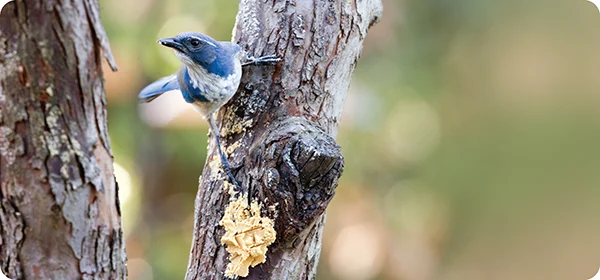
The Thanksgiving season, a time for reflection, gratitude, and shared meals, offers a unique opportunity to extend our celebratory spirit to the avian inhabitants of our backyards. While human gatherings center around elaborate tables laden with seasonal bounty, this article explores how individuals can translate the essence of "feasting" to benefit and delight their local bird populations. The concept of feasting, fundamentally the consumption of an elaborate meal to mark a special occasion, can be thoughtfully adapted to enhance the well-being and engagement of backyard birds, turning bird feeders into dynamic, celebratory dining spaces.
Understanding the "Feast" for Birds
For humans, a Thanksgiving feast is characterized by abundance, variety, and a sense of occasion. Applying this to bird feeding involves providing a high-quality, diverse menu, ensuring clean and accessible dining areas, and creating an environment that encourages natural behaviors. This approach transforms the act of bird feeding from a simple daily chore into a meaningful engagement with nature, particularly resonant during a holiday period focused on sharing and abundance.
The core of a bird’s "feast" begins with the foundational elements of their diet. High-quality seed blends, a staple for many species, form the base. These blends should be carefully selected to cater to a variety of avian preferences, moving beyond generic mixes to incorporate seeds rich in protein and fat, essential for energy and insulation, especially as temperatures begin to drop. For instance, sunflower seeds (black oil sunflower seeds are particularly popular), safflower seeds, and millet are often favored by a wide range of backyard birds.
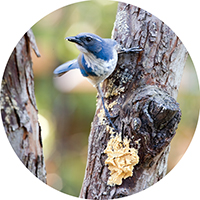
Beyond basic seeds, the inclusion of suet is a critical component for a truly celebratory offering. Suet, rendered animal fat, is a calorie-dense food that provides essential energy, particularly for insectivorous birds during colder months when natural insect populations dwindle. High-quality suet cakes, often formulated with added ingredients like seeds, nuts, and fruit, can significantly enhance the nutritional value and appeal of a bird’s diet. Mealworms, both live and dried, offer a protein-rich supplement that is highly attractive to many species, including robins, wrens, and bluebirds, mimicking a natural insect prey.
Specialty seed offerings further elevate the dining experience. Nyjer® seed, a tiny, oil-rich seed, is a particular favorite of finches, such as the American Goldfinch and House Finch, drawing these vibrant birds to feeders. Peanuts, offered in their shells or as kernels, are a versatile food source enjoyed by a broad spectrum of birds, from jays and woodpeckers to chickadees and titmice. The act of cracking a peanut shell provides an engaging activity for some species, adding an element of behavioral enrichment.
Products like Bark Butter®, a proprietary blend of suet, peanut butter, and corn, have been developed to offer a highly palatable and nutritious food source that can be spread on trees or feeders, attracting a diverse array of birds, including woodpeckers, nuthatches, and warblers. Specialty seed blends, such as those designed for winter survival, often incorporate a carefully curated mix of high-energy ingredients to meet the increased demands of birds during colder weather. These blends can include ingredients like cracked corn, peanuts, white millet, and sunflower seeds, providing a comprehensive nutritional profile.
Creating the Ideal Bird Dining Environment
Just as human feasts are enjoyed in clean and aesthetically pleasing surroundings, a bird’s dining experience is significantly enhanced by a well-maintained feeding station. This means ensuring feeders are regularly cleaned to prevent the spread of disease. A simple cleaning regimen, involving washing with a mild soap and water solution and thorough rinsing, followed by complete drying, is crucial. This practice is particularly important during periods of high bird traffic, such as the fall and winter months.

The availability of fresh water is as vital as food. A clean bird bath, especially one with a heater during colder weather, can be a central attraction. Birds need water not only for drinking but also for preening and maintaining their feathers, which are essential for insulation and flight. The presence of a reliable water source can transform a backyard into a vital oasis for birds, drawing them in even when food is readily available elsewhere.
The Entertainment Factor: Birds as Hosts
The definition of feasting often includes entertainment. In the context of backyard bird feeding, the birds themselves become the entertainers. The vibrant colors, varied behaviors, and constant activity of a well-stocked feeder can provide hours of enjoyable observation. Witnessing a flock of goldfinches flitting among feeders, a woodpecker methodically working on a suet cake, or a territorial dispute between jays adds a dynamic and engaging dimension to the backyard environment.
This "entertainment" is directly linked to the quality and diversity of the food offered. A richer menu attracts a wider array of species, increasing the potential for diverse and fascinating interactions. The presence of different feeder types, strategically placed to accommodate various feeding preferences and behaviors (e.g., tube feeders for smaller birds, hopper feeders for larger birds, suet feeders for clinging birds), further enhances the visual and behavioral richness of the scene.
A Deeper Connection: Shade-Grown Coffee and Migratory Birds
Beyond immediate backyard offerings, the concept of "feasting with feathered friends" can extend to a broader understanding of our impact on avian populations. The mention of shade-grown, bird-friendly coffee highlights this connection. The cultivation of coffee under a forest canopy preserves vital habitats for migratory songbirds that spend their winters in tropical regions. These birds, many of which grace North American backyards during the breeding season, rely on these protected areas for survival.
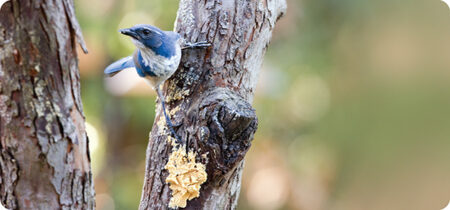
The link is significant: purchasing shade-grown coffee not only provides a conscious choice for consumers but directly supports conservation efforts that benefit over 42 species of North American migratory songbirds. This practice embodies the spirit of gratitude and reciprocity, extending the holiday’s themes of sharing and interconnectedness to global ecosystems. By choosing products that support bird habitat, individuals can feel a deeper sense of contribution to the well-being of their feathered visitors.
Broader Implications and Further Engagement
The practice of enhancing backyard bird feeding during the holiday season has several positive implications. It promotes greater awareness of local wildlife and their needs, fostering a deeper appreciation for nature. It encourages outdoor activity and observation, providing a healthy and engaging pastime for individuals and families. Furthermore, it contributes to the ecological health of urban and suburban environments by supporting local bird populations, which play crucial roles in insect control and seed dispersal.
For those seeking to deepen their understanding and engagement, resources such as the WBU Nature Centered Podcast offer valuable insights. Episodes dedicated to topics like "Feasting with Feathered Friends" provide expert advice on attracting a wider variety of birds and maximizing the enjoyment of backyard wildlife. The podcast’s experts, John and Brian, likely offer practical tips on food selection, feeder placement, and habitat enhancement, further empowering individuals to create thriving bird-friendly environments.
Additionally, organizations like the Cornell Lab of Ornithology provide accessible information on simple actions individuals can take to help birds. Their "7 Simple Actions" list likely covers a range of practical steps, from providing food and water to reducing pesticide use and creating safe nesting sites, offering a comprehensive guide for bird enthusiasts.

The acknowledgement of Nyjer® as a registered trademark of the Wild Bird Feeding Institute underscores the specialized nature of bird feeding products and the ongoing efforts to provide optimal nutrition for wild birds. This attention to detail reflects a commitment to the science and practice of bird conservation and feeding.
Ultimately, "feasting with our feathered friends" is more than just providing food; it’s about fostering a reciprocal relationship. It’s about recognizing the ecological value of birds and actively contributing to their well-being while simultaneously enriching our own lives through the simple yet profound act of connecting with nature. As the Thanksgiving holiday prompts us to count our blessings, extending that gratitude to the birds that share our spaces offers a unique and rewarding way to celebrate abundance and interconnectedness.