
By WBU Inc | Hobby
The concept of "feasting," traditionally defined as the consumption of an elaborate meal to mark a special occasion, takes on a unique and heartwarming dimension when extended to our avian companions. As many individuals prepare for Thanksgiving and other holiday gatherings, the practice of sharing abundance and joy can readily encompass the birds in our backyards. This extended definition of feasting highlights a growing appreciation for the role birds play in our environment and our lives, fostering a sense of connection and responsibility towards these often-overlooked members of our communities.
The Essence of a Backyard Feast
At its core, a feast signifies a time of abundance, celebration, and shared experience. For humans, this often translates to meticulously prepared meals, festive decorations, and engaging in activities that strengthen bonds with family and friends. The article posits that this spirit of generosity can and should be extended to backyard birds. Their "table," much like ours, requires attention to detail: clean feeders, a constant supply of fresh water, and a diverse and high-quality food offering. This perspective reframes bird feeding not merely as a hobby, but as an act of hospitality and ecological stewardship, particularly relevant during seasons when natural food sources may become scarce.
Curating a Bird-Friendly Menu
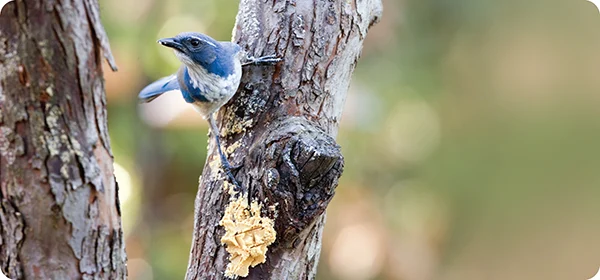
The article suggests a diverse menu for our feathered guests, starting with foundational offerings of quality seed blends, suet, and Nyjer® seed. These staples provide essential nutrition and energy, attracting a wide array of species. To elevate the avian feast, the inclusion of peanuts and Bark Butter® products is recommended. Peanuts, rich in protein and fat, are a favorite among many backyard birds, including woodpeckers, jays, and chickadees. Bark Butter®, a versatile blend of suet, peanut butter, and corn, has proven exceptionally effective in attracting a broad spectrum of birds, often including species less commonly seen at traditional feeders.
Specialty seed blends, such as the Winter SuperBlend®, are also highlighted as valuable additions. These blends are often formulated to provide a balanced nutritional profile tailored to the specific needs of birds during colder months, when foraging becomes more challenging. The variety in the menu is crucial, as different species have distinct dietary preferences and foraging behaviors. Offering a diverse selection ensures that a wider range of birds can partake in the feast, maximizing the ecological benefit and visual appeal for the observer.
Beyond the Seed: Specialty Offerings and Their Impact
The inclusion of specific, high-energy foods like suet is particularly important for birds during winter. Suet is an excellent source of fat, crucial for maintaining body temperature and energy levels when insects are dormant and seeds are buried under snow. The article’s recommendation of suet and specialized blends underscores a commitment to providing optimal nutrition that goes beyond basic sustenance.
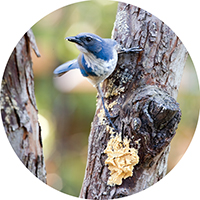
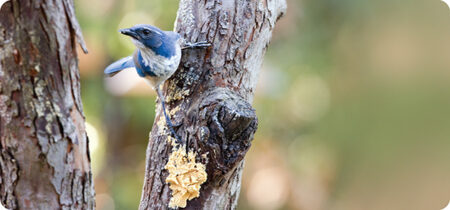
Bark Butter® products, a proprietary offering from Wild Birds Unlimited, represent an innovative approach to bird feeding. Their high palatability and versatility, allowing them to be spread on tree bark or offered in feeders, make them effective for attracting a wide variety of insectivorous and omnivorous birds. This not only enhances the dining experience for the birds but also provides valuable support during lean periods.
The Coffee Connection: A Symbiotic Relationship
An intriguing aspect of the article is the suggestion to pair our own holiday indulgences with a cup of shade-grown, bird-friendly coffee. This recommendation is rooted in a deeper understanding of the ecological impact of coffee cultivation. Traditional sun-grown coffee farms often involve the clearing of forests, which are vital habitats for migratory birds, especially during their wintering grounds in the tropics. Shade-grown coffee, conversely, preserves the forest canopy, providing essential shelter and food sources for over 42 species of North American migratory songbirds.
This connection highlights a powerful synergy: by choosing bird-friendly coffee, consumers can directly contribute to the conservation of critical habitats for the very birds we admire and feed in our backyards. It transforms a simple personal pleasure into an act of environmental advocacy, demonstrating that our choices, even in seemingly unrelated areas, can have a profound impact on avian populations. This symbiotic relationship underscores the interconnectedness of human activities and the natural world, urging a more conscious approach to consumption.
The Entertainment Value of Bird Feeding
The article subtly emphasizes the entertainment value derived from observing birds. When our backyards become vibrant hubs of avian activity, they offer a dynamic and engaging form of natural entertainment. The variety of species, their unique behaviors, and their interactions create a captivating spectacle that can be as enjoyable as any planned holiday activity. This perspective encourages individuals to view their bird feeders not just as a way to provide food, but as a means to foster a deeper connection with nature and to appreciate the natural world’s inherent beauty and complexity. The "best entertainment of the day" can indeed come from the fluttering wings and cheerful chirping of our feathered visitors.

A Call to Action: Seven Simple Steps
Beyond the immediate act of feasting, the article directs readers to further resources that promote bird conservation. The mention of "7 Simple Actions" to help birds, sourced from Cornell Lab of Ornithology, suggests a broader commitment to avian welfare. This points to a growing movement advocating for practical, everyday actions that can make a tangible difference in the lives of birds. These actions might include reducing pesticide use, providing clean water sources, creating bird-friendly habitats with native plants, and advocating for policies that protect bird populations and their habitats.
The WBU Nature Centered Podcast: Deeper Insights
The article also promotes the WBU Nature Centered Podcast, specifically highlighting an episode titled "Feasting with Feathered Friends." This podcast episode, featuring experts John and Brian, promises to offer further insights into attracting a wider variety of birds and enhancing the joy of backyard bird feeding. This suggests that Wild Birds Unlimited is dedicated to educating the public and fostering a community of informed and engaged bird enthusiasts. The podcast serves as a valuable platform for sharing knowledge, practical tips, and inspiring stories related to bird watching and conservation.
Background Context: The Rise of Backyard Bird Feeding
The practice of backyard bird feeding has seen a significant surge in popularity over the past few decades. This trend is driven by several factors, including increased environmental awareness, a desire for connection with nature, and the therapeutic benefits of observing wildlife. Organizations like Wild Birds Unlimited have played a pivotal role in this movement by providing specialized products, expert advice, and educational resources.
The Thanksgiving holiday, with its emphasis on gratitude and abundance, provides a natural thematic link to the act of providing for birds. As families gather and reflect on what they are thankful for, extending this sentiment to the natural world through bird feeding becomes a meaningful expression of appreciation. This aligns with a broader cultural shift towards recognizing the intrinsic value of nature and the importance of human stewardship.
Analysis of Implications: Beyond a Hobby
The implications of extending the concept of "feasting" to birds extend far beyond a simple hobby. It represents a significant shift in human-nature relationships, moving from passive observation to active participation and care. By intentionally providing for birds, individuals contribute to their survival, particularly in urban and suburban environments where natural food sources and habitats may be limited.
Furthermore, this practice can foster a deeper understanding of ecological principles. Observing the dietary needs of different species, their foraging strategies, and their responses to environmental changes can provide valuable educational opportunities for both children and adults. It cultivates empathy and a sense of responsibility, encouraging individuals to become more mindful of their environmental footprint.
The promotion of bird-friendly coffee also illustrates a growing awareness of the global impact of consumer choices. By connecting a local backyard activity with international conservation efforts, the article underscores the interconnectedness of ecosystems and the power of informed consumerism to drive positive change. This integrated approach to conservation, where everyday actions contribute to larger ecological goals, is becoming increasingly important.
Official Responses and Industry Trends
While the article originates from Wild Birds Unlimited, a commercial entity, its message aligns with broader trends in the wildlife conservation and bird-watching industries. The increasing demand for bird feeders, birdseed, and related accessories reflects a growing market for nature-based recreational activities. Companies in this sector are increasingly emphasizing the ecological and educational benefits of their products, moving beyond simple retail to become advocates for conservation.
The mention of Nyjer® seed, a registered trademark, also points to the industry’s efforts to develop and market specialized products that cater to specific bird species. This innovation drives engagement and allows enthusiasts to attract a wider array of birds, enhancing their observational experience.
Broader Impact and Future Outlook
The concept of "feasting with feathered friends" serves as a powerful metaphor for a more inclusive and ecologically conscious approach to our relationship with nature. As urban sprawl continues and natural habitats shrink, initiatives that encourage backyard wildlife support become increasingly vital. The trend of viewing birds not just as visitors but as members of our extended community, deserving of care and attention, holds significant promise for fostering a generation of environmentally responsible citizens.

The continued popularity of bird feeding and the growing interest in conservation-related activities suggest that this trend is likely to persist and expand. As more people recognize the profound connection between human well-being and the health of the natural world, the practice of extending our celebrations and acts of generosity to our feathered neighbors will undoubtedly continue to flourish. This simple act of providing nourishment and care can lead to a deeper appreciation for biodiversity, a greater understanding of ecological interdependence, and ultimately, a more sustainable future for both humans and the wildlife that shares our planet.