
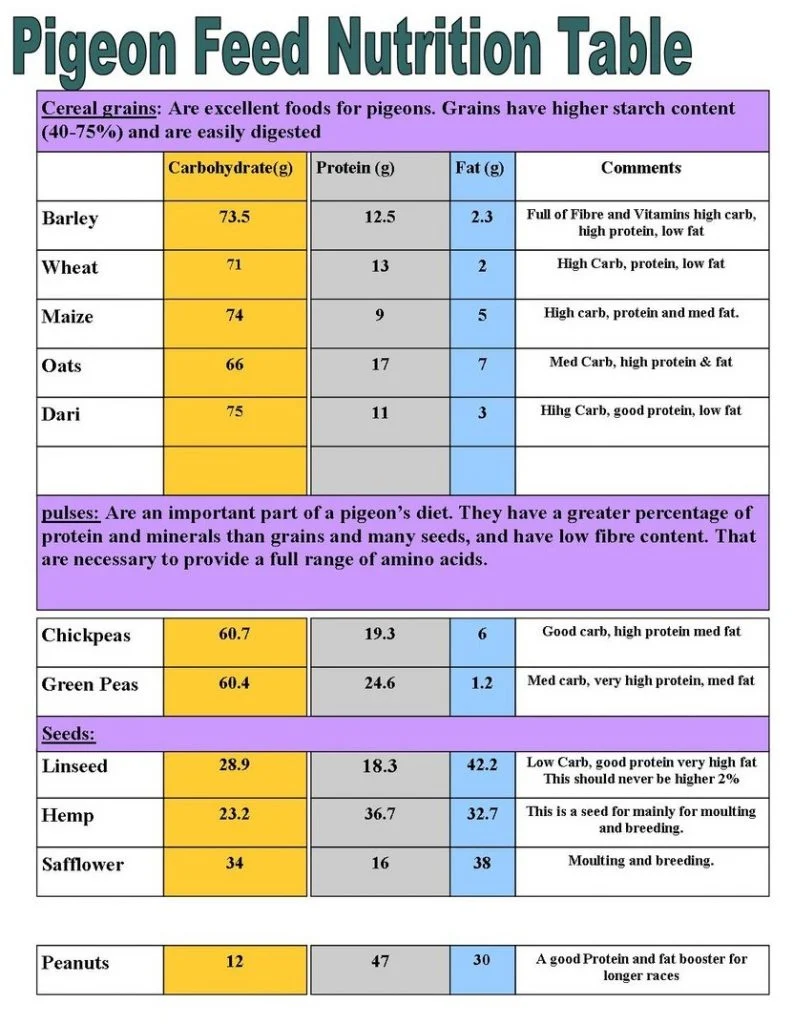
The physiological demands placed upon a racing pigeon during long-distance flight are comparable to those of high-performance endurance athletes, requiring a precise balance of caloric intake and metabolic efficiency. In the competitive world of pigeon racing, the difference between a bird returning in peak condition and one returning as "feathers and bones" often dictates the success of a loft. Historically, the foundation of pigeon nutrition has rested on a diet high in carbohydrates, primarily sourced from maize, wheat, and peas. However, as avian nutritional science has evolved, the role of high-fat supplements—most notably the peanut—has emerged as a critical factor in sustained performance and rapid recovery.
The Metabolic Engine: Glycogen vs. Fat
To understand the necessity of high-fat supplements, one must first examine the avian digestive system’s processing of standard grains. When a pigeon consumes maize or wheat, its system converts these carbohydrates into animal proteins and glycogen. This glycogen is then stored in the liver and the pectoral muscles, serving as the primary fuel source during the initial stages of a race. Biologically, the combustion of one gram of glycogen yields approximately 4.1 calories of energy.
The limitation of a carbohydrate-heavy diet becomes apparent during marathon races or "tough" flights involving headwinds. Once the bird’s "glycogen tank" is exhausted, the body enters a catabolic state. If the pigeon has not yet reached its loft, it begins to metabolize its own body proteins—essentially consuming its own muscle tissue—to stay airborne. Because protein also yields only 4.1 calories per gram, the bird loses weight rapidly. In extreme scenarios, pigeons arrive home in a state of physical emaciation, having sacrificed their structural integrity for the sake of survival.
In contrast, fat offers a significantly higher energy density. A single gram of fat provides 9.3 calories, which is roughly 2.33 times the energy provided by carbohydrates or proteins. By transitioning the bird’s primary energy source from carbohydrates to fats prior to a race, fanciers can provide their birds with a "high-octane" fuel similar to that used in Formula-1 racing. This allows the pigeon to maintain its roundness and muscle mass throughout the flight, ensuring a faster recovery and better long-term health.
The Evolution of High-Fat Feeding Strategies
The shift toward fat-heavy diets is supported by historical evidence and modern research. In the United Kingdom, researchers have demonstrated that increasing the fat content of feed—specifically through the addition of approximately 5% corn oil—results in measurable improvements in racing performance. This scientific backing reinforces the anecdotal success of legendary fanciers who have long utilized oil-rich seeds.
Beyond peanuts, several seeds are prized for their high oil content and are often introduced as the racing season reaches its peak:

- Rapeseed: 42% fat
- Linseed: 34% fat
- Hempseed: 32% fat
- Sunflower seeds: 28% fat
- Rolled oats: 7% fat
- Maize: 4% fat
While these seeds are vital, the peanut remains the "first-class fuel" for the racing engine. With a protein content of 30%, it follows only the soybean in protein density while offering a massive caloric advantage. The energy value of 5.7 grams of peanuts is equivalent to approximately 10 grams of a standard grain mixture.
Historical Context and the Eduard Pape Case Study
The effectiveness of an all-peanut or peanut-heavy diet is perhaps best illustrated by the post-war experiences of Eduard Pape in Hamburg, Germany. As documented by avian experts like Dr. Meyer, Pape was a laborer at the Hamburg port who had access to surplus peanuts destined for oil mills. Following World War II, when traditional grain mixtures were scarce and expensive, Pape fed his racing pigeons almost exclusively on peanuts.
By carefully managing portions to prevent obesity, Pape achieved extraordinary racing results. His birds were noted for their resilience in difficult races, often outperforming competitors who were fed traditional mixtures. This historical anecdote serves as a proof of concept: pigeons can not only survive but thrive and compete at elite levels when their caloric needs are met through high-density fat sources rather than bulk carbohydrates.
Practical Implementation: The Dr. Meyer Method
Dr. Meyer, a prominent figure in the pigeon racing community, has refined the methodology for integrating peanuts into a loft’s nutritional program. He advocates for a systematic approach that begins in the winter months. Because pigeons are creatures of habit, they must be "taught" to recognize peanuts as food. Once accustomed to the taste, birds often begin to prefer peanuts over all other grains, making them an excellent tool for taming and loft management.
A critical logistical detail in Dr. Meyer’s strategy is the "cracking" of the nuts. When fed whole peanuts, aggressive eaters—often not the best racers—will consume the majority of the supply before more reserved birds can eat. By using a kitchen machine to break the peanuts into three or four pieces, a fancier ensures that the nutritional benefit is distributed more equitably across the flock.
Furthermore, Dr. Meyer utilizes peanuts to strengthen the bond between the fancier and the bird. Carrying peanuts in a coat pocket allows for individual feeding in the nest boxes. This practice transforms the pigeon’s relationship with the fancier from one of flighty apprehension to one of trust and "tame" cooperation, which is a significant psychological advantage during the stress of the racing season.
Nutritional Support for Breeding and Development
The utility of the peanut extends beyond the racecourse and into the breeding loft. The nutritional composition of a peanut—high in both fat and protein—closely mimics that of "crop milk," the substance parent pigeons produce to feed their hatchlings.
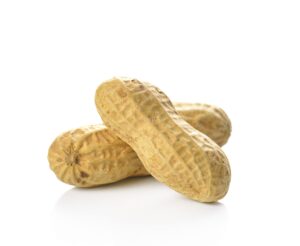
Dr. Meyer recommends providing 5 to 10 grams of peanut pieces to breeding pairs, particularly between the sixth and twelfth days of a youngster’s life. This is the critical transition period when squabs move from crop milk to solid "rough" feed. For parent birds that struggle with the transition or produce insufficient milk, peanuts provide a dense nutritional bridge that ensures the youngsters do not suffer a growth check. Additionally, weaning young birds on a diet that includes peanuts makes them highly motivated to return to the loft, as they associate the sound of the fancier’s call with a high-value treat.
Strategic Feeding for Competition: Weather and Distance
The application of high-fat feeding must be adjusted based on environmental conditions and race logistics. A "one-size-fits-all" approach can lead to birds being over-fueled or under-prepared.
- Headwinds and Strenuous Flights: When weather forecasts predict difficult conditions or headwinds, fanciers should increase the peanut portion. This provides the extra caloric reserves necessary to fight the wind without depleting muscle tissue.
- Tailwinds: In races where birds are expected to have a "fast" flight with the wind at their backs, peanuts should be fed sparingly. Over-fueling in easy conditions can lead to excessive weight gain, which may hinder the bird’s speed.
- The Two-Night Basket Stay: For races where pigeons spend two nights in transport baskets, Dr. Meyer suggests a split feeding schedule. On the day of basketing, grains high in carbohydrates are fed in the morning to provide immediate energy. In the early afternoon, pigeons are given as many peanuts as they desire. This "double ration" ensures the bird has enough internal fuel to last through the holding period and the subsequent long-distance flight.
- The Widowhood System: For those racing widowhood hens, peanuts are used to maintain energy while preventing the birds from becoming "too high" or exhibiting "lesbian" behaviors (laying eggs or pairing with other hens). By feeding peanuts on the evening before and the day of basketing, the hens maintain sufficient energy for 14 weeks of straight racing without losing form.
Broader Implications for Avian Sports Science
The focus on fat-based nutrition represents a broader shift in avian sports science toward metabolic optimization. By prioritizing the "caloric density" of the feed, fanciers are essentially reducing the physical volume of food a pigeon must carry in its crop while increasing its total energy potential. This reduction in "dead weight" combined with a high-energy payload is the ultimate goal of any endurance-based competition.
Furthermore, the psychological impact of high-value feeding cannot be overlooked. The "love of the nest box" is a primary motivator in the widowhood system. When a widower knows that a return to his box will be rewarded with peanuts, his speed and determination to trap quickly are significantly increased.
In conclusion, while carbohydrates remain a staple of the pigeon diet, they are no longer viewed as the sole fuel for victory. The integration of peanuts and other high-fat seeds provides a biological safeguard against muscle wastage and a potent energy source for the most grueling marathons. As demonstrated by the research in the UK and the practical successes of Dr. Meyer and Steven Van Breeman, the modern racing pigeon is a creature fueled by fat, managed by precision, and motivated by the superior nutrition that only high-quality supplements can provide.