
The physiological demands of long-distance avian racing require a sophisticated understanding of metabolic pathways and caloric density, particularly as the sport evolves into an increasingly competitive discipline. At the core of a racing pigeon’s performance is its ability to convert dietary intake into sustainable energy, a process that relies heavily on the management of carbohydrates, proteins, and fats. While traditional feeding regimens have long emphasized grains and legumes, modern nutritional science and the practical experiences of elite fanciers suggest that the strategic integration of high-fat supplements, most notably the peanut, serves as a critical "superfuel" for the marathon athlete of the skies.
The Metabolic Framework: Glycogen vs. Lipid Utilization
To understand the necessity of high-fat diets, one must first analyze the pigeon’s primary energy systems. Most standard pigeon feeds are predominantly composed of carbohydrates derived from maize, wheat, and peas. The avian digestive system processes these carbohydrates into animal proteins and glycogen, which are subsequently stored in the liver and muscle tissues. During the initial phases of flight, the pigeon utilizes this glycogen as its primary fuel source. The combustion of one gram of glycogen yields approximately 4.1 calories of energy.
However, the "glycogen tank" is limited. In grueling marathon races where birds are airborne for twelve to fifteen hours, glycogen stores are often depleted long before the bird reaches its loft. When this occurs, the pigeon enters a state of catabolism, where it begins to burn its own body proteins—essentially consuming its own muscle tissue—to maintain flight. This process also yields 4.1 calories per gram but results in a devastating loss of physical condition. Pigeons returning from such races are often described as "feathers and bones," having sacrificed their structural integrity to survive the journey.
In contrast, the utilization of fats (lipids) offers a significantly higher energy yield. A single gram of fat provides 9.3 calories, which is 2.33 times the energy density of carbohydrates or proteins. By shifting the pigeon’s metabolism to favor fat oxidation, fanciers can provide their birds with a more efficient fuel that preserves muscle mass and ensures the bird returns in excellent physical condition. This metabolic shift is analogous to the difference between standard unleaded gasoline and high-octane racing fuel used in Formula-1 vehicles.
Comparative Nutritional Profiles of High-Fat Seeds
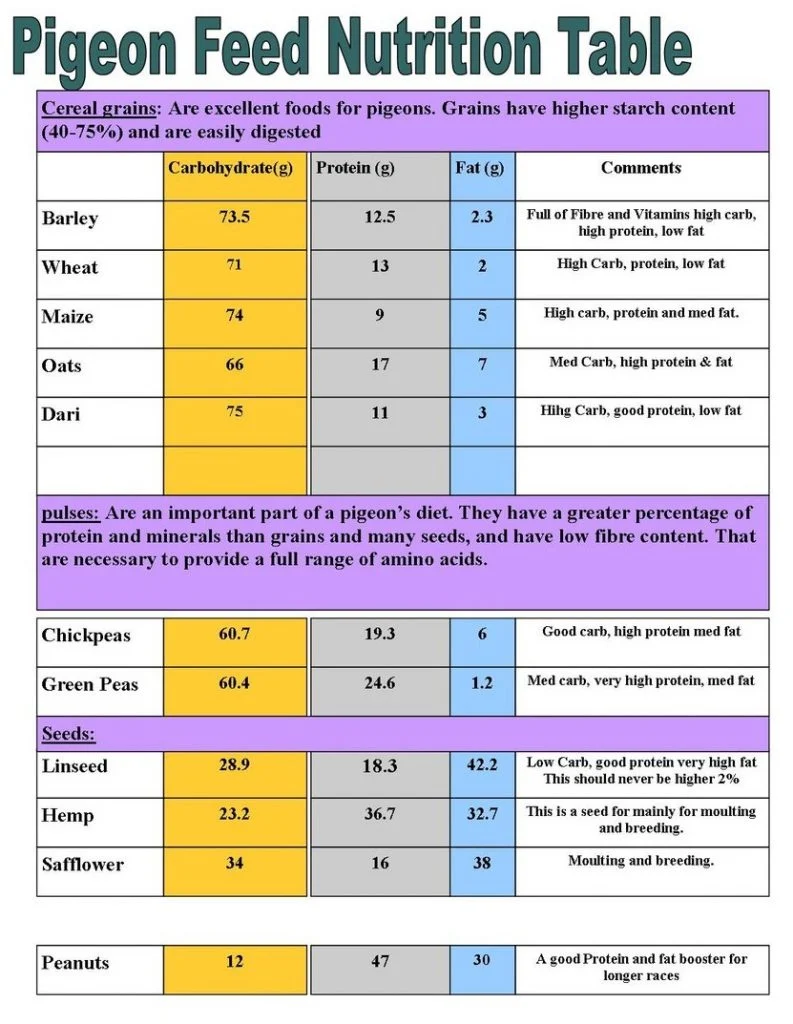
The transition toward high-fat feeding involves the strategic selection of oil-rich seeds. Traditional maize contains roughly 4% fat, while rolled oats offer 7%. While these are improvements over basic grain mixes, they are insufficient for extreme endurance. To bridge the energy gap, researchers and successful fanciers have turned to seeds with significantly higher oil content:
- Rapeseed: 42% fat
- Linseed: 34% fat
- Hempseed: 32% fat
- Sunflower Seeds: 28% fat
- Peanuts: Approximately 45-50% fat and 30% protein
Research conducted in the United Kingdom has further validated this approach, demonstrating that supplementing standard feed with a 5% concentration of corn oil significantly improves flight duration and recovery times. However, the peanut remains the most practical and palatable delivery mechanism for these high-energy lipids.

The Role of the Peanut in Modern Husbandry
The peanut (Arachis hypogaea) is uniquely suited for racing pigeon nutrition due to its high fat content and its secondary role as a protein powerhouse. With a protein concentration of 30%, it is second only to the soybean in vegetable protein density, making it far superior to maize or wheat for muscle repair and growth. Furthermore, the nutritional profile of a peanut closely mirrors that of "crop milk," the substance produced by parent pigeons to feed their young, which consists primarily of fats and proteins.
Integrating peanuts into a loft’s regimen requires a tactical approach. Because pigeons are creatures of habit, they must be introduced to peanuts during the winter months to ensure they recognize them as food. Once acclimated, pigeons often develop a strong preference for them, allowing fanciers to use the nuts as a tool for taming and "trapping"—the process of encouraging a bird to enter the loft quickly after a race.
Strategic Implementation: A Chronology of the Racing Season
The application of high-fat feeding varies depending on the bird’s life cycle and the racing calendar. Expert fanciers, such as the renowned Dr. Meyer, utilize specific protocols to maximize the benefits of peanut supplementation.
1. The Breeding Phase (Days 6 through 12)
During the rearing of squabs, parents are often provided with 5-10 grams of crushed peanut pieces daily. This is particularly crucial between the sixth and twelfth day of the youngsters’ lives, as they transition from crop milk to solid "rough" feed. The high protein and fat content of the peanuts ensure rapid growth and robust immune development in the nestlings.
2. The Racing Season: Preparation and Performance
The use of peanuts during the racing season is governed by weather forecasts and race distance.
- Headwinds and Marathons: When difficult conditions are expected, the portion of peanuts is increased toward the end of the week. This ensures the bird is "loaded" with high-density lipids to endure prolonged physical exertion.
- Tailwinds: If a fast race with assisting winds is predicted, peanut portions are curtailed to prevent the birds from becoming overly heavy, which could hinder their speed in a "sprint" scenario.
- Basketing Strategy: For races involving two nights in the transport basket, Dr. Meyer recommends a morning feeding of high-carbohydrate grains followed by an afternoon session where pigeons are allowed to eat as many peanuts as they desire. This provides a two-day energy reserve, as one crop full of peanuts is equivalent in caloric value to two crops of standard grain.
3. Management of the Widowhood System
In the "widowhood" system—where males and females are kept separate to increase their motivation to return home—peanuts serve a psychological purpose. Providing a few peanut halves in the individual nest boxes increases the bird’s attachment to its territory. For racing hens, this high-energy diet prevents them from becoming "light" or under-conditioned, which often leads to unwanted behaviors such as egg-laying or "lesbian activity" (hens pairing with each other) during the 14-week racing circuit.
Historical Context: The Post-War Hamburg Case Study
The efficacy of a peanut-centric diet is not merely theoretical; it is rooted in historical observation. Following World War II, a dockworker in Hamburg named Eduard Pape discovered the benefits of peanuts by necessity. Tasked with unloading peanuts for oil mills, Pape had access to surplus nuts at a time when traditional grain was scarce.
Pape fed his racing team exclusively on peanuts, adjusting the rations to avoid overfeeding. Despite the unconventional diet, his birds achieved extraordinary results, particularly in the most challenging long-distance races. This case study provided early evidence that the avian body can thrive on a high-lipid, high-protein diet if the caloric intake is carefully balanced against energy expenditure.
Professional Handling and Fair Distribution
One challenge in feeding peanuts is the aggressive nature of pigeons toward highly palatable treats. In a flock setting, "fast eaters" may consume ten nuts before more reserved birds—often the most talented racers—can secure a single one. To mitigate this, Dr. Meyer advocates for crushing peanuts into three or four pieces using a kitchen machine. This smaller size ensures a more equitable distribution of the supplement among the flock.
Furthermore, the act of hand-feeding peanut halves to individual birds in their nest boxes fosters a bond between the fancier and the bird. A tame, calm pigeon is generally more focused and less stressed during transport and racing, leading to more consistent performance.
Analysis of Broader Implications for the Sport
The shift toward lipid-based nutrition represents a paradigm shift in columbiculture. By prioritizing caloric density over bulk, fanciers can reduce the physical volume of feed required, which in turn reduces the metabolic heat produced during digestion and the amount of waste the bird must carry during flight.
The implications for recovery are equally significant. A bird that returns from a race having utilized fat stores rather than muscle tissue can be returned to peak form much faster. Traditional "cleansing" rations, which are low in protein, are often insufficient for repairing the structural damage caused by protein catabolism. By preventing that damage through high-fat feeding, a fancier can potentially race a bird more frequently throughout the season without risking long-term exhaustion.
Conclusion
The integration of peanuts and high-fat seeds into the diet of racing pigeons is a hallmark of sophisticated modern husbandry. By understanding the bioenergetics of flight—specifically the 2.33x energy advantage of fats over carbohydrates—fanciers can provide their athletes with the fuel necessary to conquer the most grueling marathon races. From the historical lessons of post-war Hamburg to the clinical observations of modern avian researchers, the data remains consistent: fat is the primary driver of endurance. When managed with precision, the humble peanut becomes a decisive factor in the pursuit of victory, ensuring that the racing pigeon returns not just as a survivor, but as a champion in peak physical condition.