
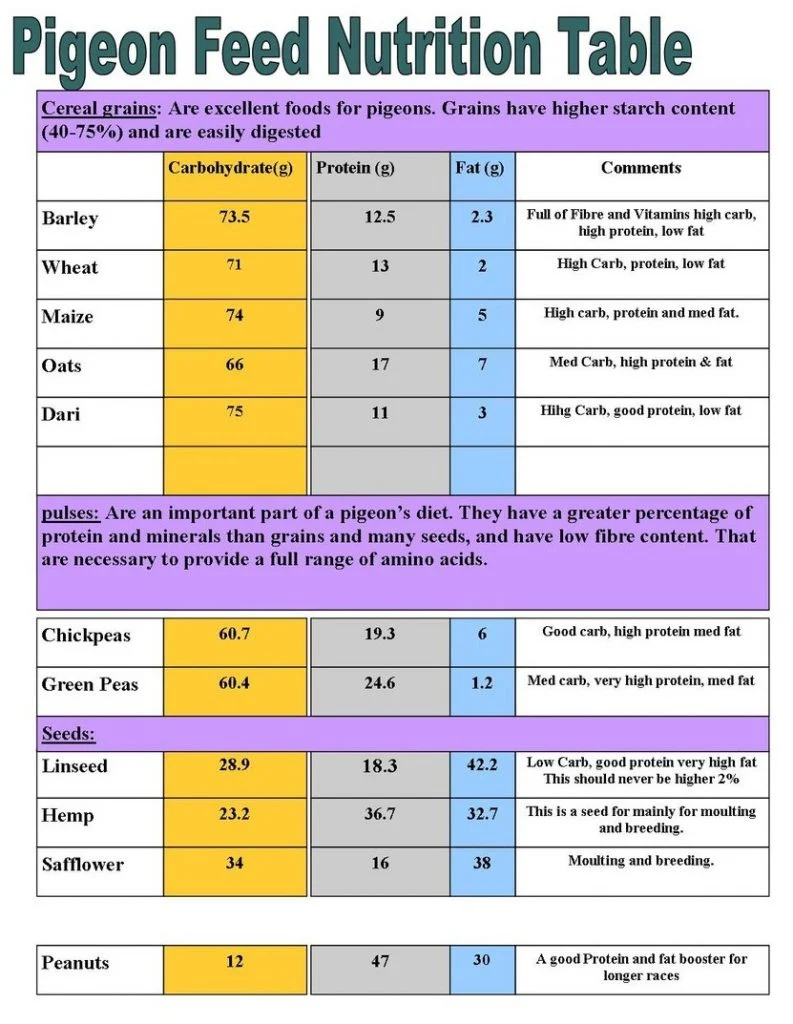
During the initial stages of a race, this glycogen serves as the primary fuel source. The combustion of one gram of glycogen yields approximately 4.1 calories of energy. However, for marathon distances, the "glycogen tank" is often insufficient. When these reserves are exhausted before the bird reaches the loft, the pigeon’s metabolism shifts to catabolizing its own body proteins—essentially burning its own muscle mass to maintain flight. This process, while providing the same 4.1 calories per gram, results in significant physical degradation. In extreme cases, birds return to their lofts in a state of emaciation, having consumed nearly all soft tissue, leaving little more than feathers and bone. To prevent this "biological bankruptcy," modern fanciers are increasingly turning to high-fat supplements, with peanuts emerging as the gold standard for high-octane avian fuel.
The Comparative Bio-energetics of Avian Flight
The fundamental advantage of fat over carbohydrates lies in its caloric density. While carbohydrates and proteins provide 4.1 calories per gram, fat delivers a staggering 9.3 calories per gram—approximately 2.33 times the energy output. In a professional racing context, this is the difference between a standard consumer-grade fuel and high-performance racing spirit. By providing a pigeon with a fat-rich diet prior to basketing, the fancier ensures the bird has a reserve that preserves its muscle integrity. Instead of returning home "blown out" and underweight, fat-fueled pigeons often return in excellent physical condition, having utilized the more efficient lipid energy source throughout the duration of the flight.
Historically, fanciers attempted to increase fat intake by adjusting grain ratios, such as increasing maize (4% fat) or rolled oats (7% fat). However, as racing distances increased, these levels proved inadequate. This led to the introduction of oil-rich seeds into the diet, particularly during the grueling marathon season. Analysis of these seeds reveals significant energy potential:
- Sunflower seeds: 28% fat
- Hempseed: 32% fat
- Linseed: 34% fat
- Rapeseed: 42% fat
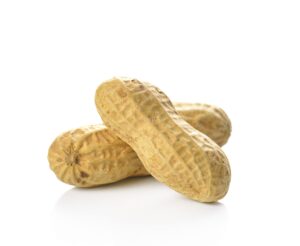
While these seeds are vital, the peanut has gained a unique reputation among elite fanciers as a superior "first-class fuel." Beyond its high fat content, the peanut contains roughly 30% protein, surpassed only by the soybean in the legume family. This combination of high fat and high protein makes it an ideal physiological match for the demands of both racing and reproduction.
Historical Chronology and Research Context
The shift toward fat-loading is not a new phenomenon but one that has been refined through decades of observation and formal research. In the post-World War II era, practical necessity often led to nutritional breakthroughs. A notable case study is that of Eduard Pape of Hamburg, a dockworker who unloaded peanuts for oil mills. Due to the scarcity of traditional grains after the war, Pape fed his pigeons almost exclusively on peanuts obtained from the port. Despite the unconventional diet, his birds achieved extraordinary results, particularly in difficult, long-distance races. His success provided early empirical evidence that pigeons could thrive—and dominate—on high-fat rations, provided the quantities were carefully managed to prevent obesity.

In more recent decades, formal research in the United Kingdom has validated these observations. Studies have demonstrated that performance improves significantly when diets are enriched with fats, particularly when traditional grain mixes are supplemented with approximately 5% corn oil or direct nut supplementation. This research shifted the industry’s perspective, moving the peanut from a "treat" to a functional dietary requirement for the serious competitor.
Strategic Implementation and Dietary Integration
Integrating peanuts into a pigeon’s diet requires a methodical approach, as birds are naturally suspicious of unfamiliar feed. Experts recommend introducing peanuts during the winter months when the birds are less stressed. Once accustomed to the taste, pigeons often begin to prioritize peanuts over all other grains, a behavior that fanciers can leverage for both nutritional and psychological benefits.
Dr. Meyer, a prominent figure in the field of pigeon nutrition, advocates for a specific preparation method to ensure equitable distribution of the nutrient. Because "fast eaters" in a flock can quickly consume whole peanuts before less aggressive—but potentially more talented—racers can get their share, Dr. Meyer recommends crushing the peanuts into three or four pieces using a kitchen machine. This ensures that every bird in the loft receives a portion of the high-energy fuel.
The application of this diet follows a specific timeline based on the pigeon’s life cycle:
- Breeding Phase: Between the 6th and 12th day of a youngster’s life, parents are provided with 5 to 10 grams of peanut pieces. This supports the transition from crop milk to solid feed, as the peanut’s fat and protein composition closely mimics the nutritional profile of natural crop milk.
- Weaning and Trapping: Young birds are taught to associate the "call" of the fancier with a peanut reward. This creates a powerful psychological incentive that ensures rapid entry into the loft following a race, a critical factor in competitions decided by seconds.
- The Racing Week: For widowers (racing males), the peanut ration is gradually increased as the week progresses toward basketing day. This "loading" phase ensures peak energy reserves for the weekend.
Gender-Specific Strategies and Environmental Adjustments
Nutritional requirements differ between racing widowers and widowhood hens. Hens, which are prone to "lesbian activity" or premature egg-laying if overstimulated, require a more disciplined feeding regimen. Dr. Meyer notes that providing a limited amount of peanuts to hens increases their "love for the nest" and territorial aggression, making them more focused and reliable racers. By increasing the peanut ration only on the evening before and the day of basketing, fanciers can ensure the hens have sufficient energy for 14 consecutive weeks of racing without the hormonal complications associated with overfeeding.
Environmental factors, specifically wind direction and velocity, also dictate the volume of peanut supplementation. Professional fanciers monitor weather forecasts with precision:
- Headwinds: Predicted strenuous flights require an extra portion of peanuts to account for the increased caloric burn required to maintain airspeed against resistance.
- Tailwinds: On days where the birds are "pushed" home by the wind, peanut rations are curtailed to prevent the birds from carrying unnecessary weight.
- Extended Transit: For races involving two nights in the basket, a strategic "double-feeding" occurs. Grains are fed in the morning for carbohydrate loading, followed by a large afternoon feeding of peanuts. This ensures the bird has a slow-release energy source that sustains them through the waiting period and the subsequent flight.
Psychological Impact and Human-Avian Bonding
Beyond the physiological benefits, the use of peanuts serves as a tool for behavioral modification. The peanut is often described as the "ultimate bribe" in pigeon racing. By carrying peanuts in their pockets, fanciers can tame even the most timid birds, fostering a bond of trust that is essential for a calm and focused loft environment.
A bird that is unafraid of its handler is less likely to experience stress-induced cortisol spikes, which can deplete energy reserves even before a race begins. The "peanut ritual"—where the fancier moves from nest box to nest box handing out individual treats—is more than just feeding; it is a tactical assessment. It allows the fancier to observe the physical condition and alertness of each bird individually, identifying those that may need extra recovery time or those that are in peak form for the upcoming weekend.
Broader Implications for the Sport
The evolution of pigeon nutrition toward high-fat, peanut-enriched diets reflects a broader trend in animal athletics toward precision bio-energetics. As the sport continues to modernize, the role of the "kitchen-table scientist" remains vital. The ability to calculate caloric requirements based on distance, wind speed, and individual bird metabolism has transformed pigeon racing from a hobby of chance into a sophisticated discipline of sports science.
The implications are clear: the traditional "cleansing ration" of low-protein, high-carbohydrate grains is no longer sufficient for recovery after a grueling race. Modern methodology suggests that a bird returning with significant weight loss must be replenished with high-density fats immediately to prevent long-term muscle atrophy. Failure to do so often results in a "crash" the following weekend, as the bird has not had the biological resources to rebuild its engine. In the high-stakes world of international pigeon racing, the humble peanut has proved to be the most potent tool in a fancier’s arsenal, bridging the gap between basic survival and championship performance.