
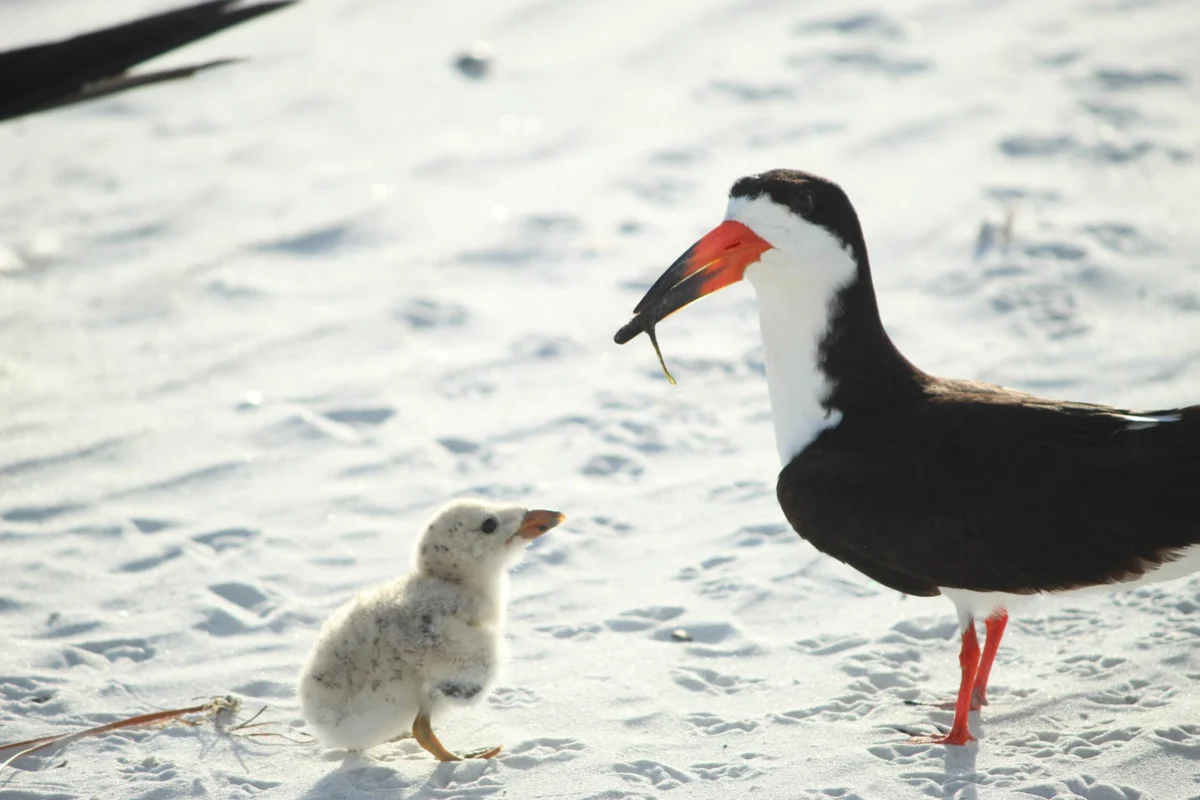
Sea and shorebirds, integral components of Florida’s rich biodiversity, have officially entered their spring and summer breeding season, a period fraught with peril as they strive to raise their young amidst escalating human disturbance, predatory threats, and the intensifying impacts of environmental shifts. Across the Sunshine State’s extensive coastlines and increasingly, on the rooftops of coastal structures, these avian species are now laying their eggs, initiating a delicate annual cycle that underscores their precarious existence and the urgent need for enhanced conservation efforts. This critical window, extending from early spring through late summer, represents a make-or-break period for populations already under stress, with successful fledging rates heavily influencing the long-term viability of these ecologically vital species.
A Delicate Ecosystem Under Pressure: Understanding Coastal Bird Vulnerability
Florida’s unique geography, characterized by thousands of miles of coastline, barrier islands, and intricate estuarine systems, positions it as a crucial breeding ground and migratory stopover for a vast array of avian life. Among the most vulnerable are beach-nesting and coastal species, which exhibit distinct nesting behaviors that inherently expose them to a multitude of threats. Unlike wading birds, which typically construct nests in the protective canopy of coastal trees and mangroves, many sea and shorebirds, including the American Oystercatcher, Least Tern, and Black Skimmer, lay their eggs directly on the open sand or shell-strewn beaches. This seemingly simple nesting strategy, honed over millennia, relies on camouflage and remote locations for success. However, in an era of burgeoning coastal development and ever-increasing human recreational activity, these traditional nesting sites are shrinking and becoming increasingly fragmented, forcing some species to adapt by seeking alternative, often less ideal, locations such as large, gravel rooftops in urbanized coastal areas.
The inherent vulnerability of these ground-nesting birds stems from several factors. Their eggs and newly hatched chicks are incredibly camouflaged, blending seamlessly with the sand and shells, making them nearly invisible to the untrained eye. While this provides protection from some predators, it also makes them exceptionally susceptible to accidental disturbance or trampling by unaware beachgoers, their pets, or off-road vehicles. Furthermore, the exposed nature of these nests leaves them vulnerable to extreme weather events, particularly during Florida’s hurricane season, which often overlaps with the latter part of the breeding period. Rising sea levels and increased storm intensity, both linked to climate change, exacerbate this threat, leading to more frequent nest inundation and habitat loss.
The Annual Cycle: A Race Against Time and Threats
The breeding season for these species typically commences in March and can extend through August or even September, depending on the species and whether they attempt multiple nesting cycles after early failures. The process begins with elaborate courtship rituals, followed by the scraping of shallow depressions in the sand or gravel to serve as nests. Females then lay clutches of typically two to four eggs. Incubation periods vary but generally last between three to four weeks, during which both parents diligently guard the nest, taking turns to ensure the eggs remain at an optimal temperature and are protected from predators like raccoons, coyotes, and various avian species.
Once hatched, the chicks, known as precocial young, are covered in down and are capable of moving around shortly after emerging from the egg. However, they remain highly dependent on their parents for food, warmth, and protection for several weeks, often up to a month or more, until they are capable of sustained flight, a stage known as fledging. During this critical post-hatch period, disturbance can be even more detrimental. Frequent flushing of parent birds from the nest or chicks from their hiding places exposes them to the elements, increases their energy expenditure, and leaves them vulnerable to opportunistic predators. A single prolonged disturbance event can lead to nest abandonment, overheating of eggs, or the separation of chicks from their parents, often with fatal consequences.
Data Illuminates the Peril: Declining Populations and Nesting Failures
Conservation agencies and ornithological researchers have amassed significant data over decades, painting a sobering picture of the challenges faced by Florida’s coastal birds. The American Oystercatcher, a distinctive large shorebird with a bright orange bill, is listed as a Species of Special Concern in Florida, indicating its populations are particularly vulnerable. Studies have shown localized declines due to habitat loss and human disturbance. For instance, some breeding colonies have experienced nest success rates as low as 20-30% in highly disturbed areas, far below the rate needed to maintain a stable population, which is typically estimated at around 0.5 to 1.0 fledglings per pair per year.
The Least Tern, Florida’s smallest tern species, is classified as Threatened in the state. Historically, these colonial nesters thrived on undisturbed beaches. However, with increasing beach development, many populations have resorted to nesting on gravel rooftops, a habitat that presents its own unique set of challenges, including heat stress, limited food availability, and difficulties for fledglings to navigate the urban landscape. Research indicates that rooftop colonies, while offering some refuge from ground predators, can have lower fledging success rates compared to ideal beach habitats, often due to chicks falling from roofs or succumbing to heat.
The Black Skimmer, another iconic Florida species known for its unique feeding method, is also listed as Threatened. These birds are highly susceptible to disturbance during nesting, with entire colonies known to abandon sites if disturbance is persistent. Data from various monitoring programs, including those conducted by Audubon Florida, consistently show that sites with active management, such as protective signage and fencing, demonstrate significantly higher nesting success rates compared to unmanaged or heavily trafficked areas. For example, managed sites can see success rates double or even triple, underscoring the direct positive impact of human intervention and awareness. These cumulative threats contribute to a downward trend for many coastal bird populations, making every successful breeding season critical for their survival.
Expert Voices: The Call for Public Stewardship
Conservation organizations, particularly Audubon Florida, play a pivotal role in monitoring these species, educating the public, and advocating for protective measures. Kara Durda, Tampa Bay Area Shorebird Program Manager for Audubon Florida, underscores the profound impact of human activity on these vulnerable populations. "Excess disturbance by people, their dogs, and beach toys can heavily impact an entire breeding season for beach-nesting birds," Durda states. Her observation highlights a critical point: even seemingly innocuous activities can have cascading negative effects. Repeated flushing, where birds are forced to take flight due to perceived threats, expends vital energy, exposes eggs and chicks to the elements and predators, and can ultimately lead to nest abandonment.
Audubon Florida, in collaboration with state agencies like the Florida Fish and Wildlife Conservation Commission (FWC), is actively engaged in implementing protective measures. Informational signs, along with physical barriers such as string and flagging, are being strategically installed in several known nesting locations throughout the Tampa Bay area and other critical coastal zones. These visual cues serve as vital alerts for beachgoers, boaters, and coastal residents, delineating areas where nesting activity is present. Officials emphasize that beachgoers and boaters must heed these nesting signs and strictly avoid areas posted as "no trespassing," even if no birds are immediately visible. The effectiveness of camouflage means that nests and chicks can be present but expertly hidden, making adherence to signage paramount.
Furthermore, representatives from FWC often echo Audubon’s call for vigilance. "Our coastal ecosystems are precious, and the responsibility to protect them rests with all of us," an FWC spokesperson might infer, emphasizing the legal protections afforded to these species under state and federal law. Disturbing nesting birds or their nests can result in fines and penalties, reflecting the serious nature of these conservation challenges. The overarching message from experts is clear: public awareness and responsible behavior are not merely encouraged but are essential for the survival of Florida’s coastal bird populations.
The Broader Tapestry: Ecological and Economic Implications
The decline of coastal bird populations carries implications far beyond the immediate loss of individual species. These birds serve as crucial indicators of ecosystem health. Their presence and success are often reflective of the overall vitality of coastal habitats, including the health of beaches, estuaries, and nearshore waters. As apex predators in their respective niches, species like the American Oystercatcher play a role in regulating invertebrate populations, contributing to the delicate balance of the food web. The loss of these species can trigger unforeseen ripple effects throughout the coastal ecosystem, potentially impacting other wildlife and even human communities that rely on healthy coastal environments.
Beyond their ecological significance, coastal birds contribute significantly to Florida’s economy through ecotourism. Birdwatching is a rapidly growing recreational activity, attracting millions of enthusiasts annually who spend billions of dollars on travel, lodging, and specialized equipment. Florida’s status as a premier birdwatching destination is directly linked to its rich avian diversity, including its charismatic shorebirds. A decline in these populations could diminish the state’s appeal to ecotourists, impacting local businesses and regional economies that benefit from this specialized form of tourism. The "value" of these birds, therefore, extends beyond their intrinsic worth, encompassing tangible economic benefits that underscore the importance of their conservation.
A Shared Responsibility: Safeguarding Florida’s Avian Heritage
The challenges facing Florida’s coastal birds are multifaceted, encompassing habitat loss, human disturbance, predation, and the pervasive impacts of climate change. Addressing these threats requires a concerted, multi-pronged approach involving government agencies, conservation organizations, local communities, and individual citizens. Audubon Florida, a non-profit conservation organization since 1900, exemplifies this approach, working throughout the Americas using science, advocacy, education, and on-the-ground conservation to protect birds and the places they need. Their state programs, nature centers, chapters, and partners create an unparalleled network that reaches millions, informing, inspiring, and uniting diverse communities in conservation action, all driven by the belief in a world where people and wildlife thrive.
To ensure the next generation of chicks reaches adulthood, every individual has a role to play. Simple actions can collectively make a profound difference:
- Respect Posted Areas: Always adhere to posted signage and avoid entering roped-off nesting areas, even if birds are not immediately visible. These boundaries are established for a reason.
- Keep Dogs Leashed: Pets, particularly dogs, can be perceived as predators by nesting birds, causing them to flush from their nests and exposing eggs or chicks. Keeping dogs on a leash and away from nesting areas is crucial.
- Dispose of Trash Properly: Litter can attract predators and entangle wildlife, indirectly impacting nesting success.
- Observe from a Distance: When observing birds, use binoculars or a telephoto lens and maintain a respectful distance to avoid causing any disturbance.
- Report Disturbances: If you witness someone disturbing nesting birds or their habitats, or if you find injured wildlife, report it to the Florida Fish and Wildlife Conservation Commission (FWC) or local authorities.
- Educate Others: Share knowledge about vulnerable coastal birds and the importance of their protection with friends, family, and fellow beachgoers.
The future of Florida’s beach-nesting and coastal birds hinges on a collective commitment to stewardship. By understanding their vulnerabilities, respecting their habitats, and adopting responsible behaviors, residents and visitors alike can contribute significantly to safeguarding these remarkable species, ensuring that their calls continue to echo across Florida’s shores for generations to come. The spring and summer breeding season is not just a biological event; it is an annual call to action, reminding us of our shared responsibility to protect the natural heritage that defines the Sunshine State.