
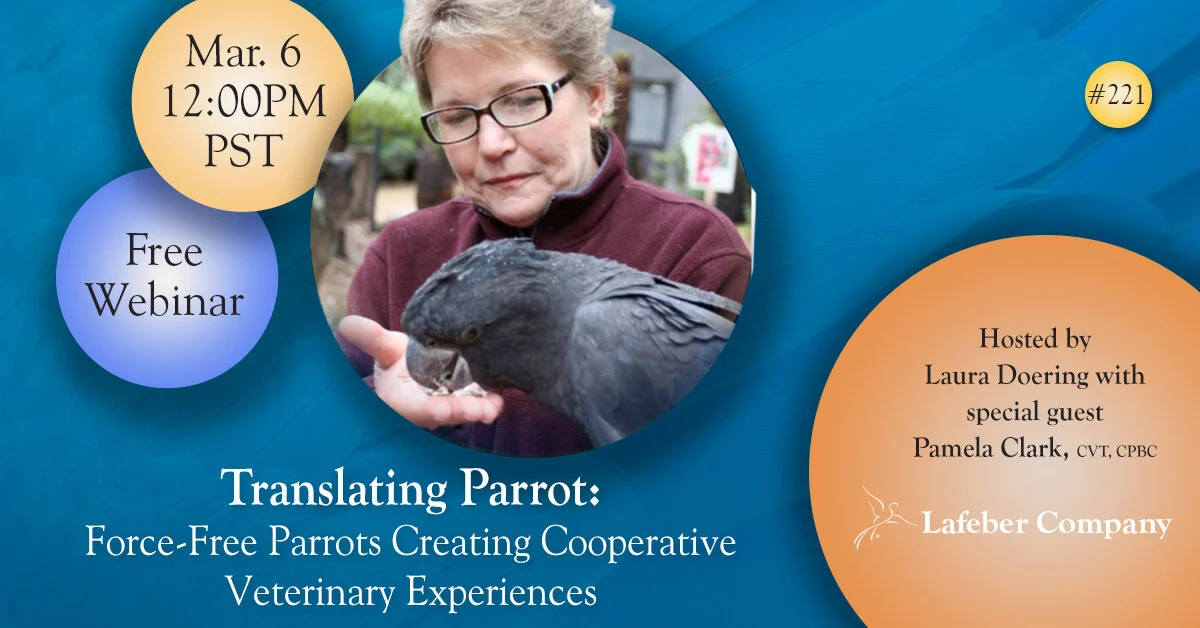
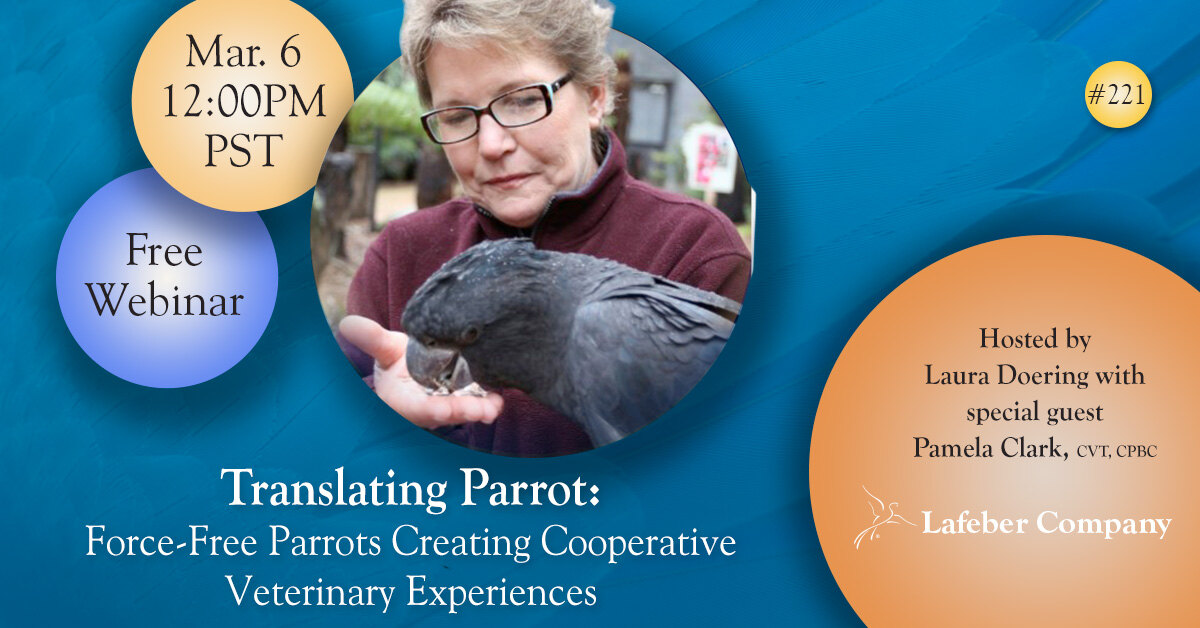
A pivotal webinar, "Force-Free Parrots: Creating Cooperative Veterinary Experiences," is scheduled to take place on Friday, March 6, 2026, at 12:00 p.m. PST. This online event aims to revolutionize the approach to avian veterinary care by introducing and advocating for force-free handling techniques and cooperative care principles for parrots. The presentation will be led by Pamela Clark, CPBC (Certified Professional Bird Behavior Consultant), and is designed to benefit both dedicated parrot caregivers and veterinary professionals. The webinar will delve into practical strategies for minimizing stress, fostering trust, and empowering parrots to actively participate in their own healthcare, ultimately leading to more positive and productive veterinary visits. Attendees are encouraged to utilize a provided time zone converter to verify their local start time.
The Need for a Paradigm Shift in Avian Veterinary Care
For decades, the standard practice for handling parrots during veterinary examinations has often relied on physical restraint. While these methods may have been perceived as efficient for achieving immediate diagnostic or treatment goals, their long-term consequences on a parrot’s psychological well-being are increasingly being recognized as detrimental. Such forceful interventions can instill deep-seated fear and anxiety, creating a negative association with veterinary visits that can manifest as resistance, aggression, and a general reluctance to cooperate during subsequent appointments. This can create a vicious cycle, making it even more challenging for veterinarians to provide essential care and potentially compromising the bird’s overall health and welfare.
The inherent nature of parrots as intelligent, sensitive, and socially complex creatures necessitates an approach that respects their cognitive abilities and emotional states. Unlike some domesticated animals, parrots often form strong bonds with their human companions and can experience significant distress when subjected to perceived threats. Traditional restraint methods, which may involve towel wraps, firm grips, or even sedation purely for handling, can be experienced as overwhelming and terrifying by these animals. This can lead to a breakdown in the human-animal bond, impacting the trust between the bird and its owner, and creating a barrier to necessary preventative care.
Introducing Force-Free Handling and Cooperative Care
Pamela Clark, a recognized expert in avian behavior, will guide participants through the foundational principles of force-free handling and cooperative care. Force-free handling emphasizes techniques that avoid the use of coercion, intimidation, or physical force. Instead, it focuses on building positive associations with handling and medical procedures through reward-based training methods. This approach seeks to make the experience predictable, voluntary, and even enjoyable for the parrot.
Cooperative care, a direct extension of force-free principles, involves training animals to willingly participate in their own husbandry and medical procedures. This can range from voluntarily presenting a limb for examination or blood draw, to accepting medication in a positive manner, or even allowing for diagnostic imaging with minimal stress. The core idea is to shift the paradigm from the veterinarian performing procedures on the animal to the animal choosing to participate with the veterinarian. This requires a significant investment in training and a deep understanding of the animal’s communication signals.
Key Objectives and Benefits of the Webinar
The webinar is meticulously designed to equip attendees with actionable strategies that can be implemented immediately. Participants will gain insights into:
- Understanding Parrot Behavior: Learning to interpret subtle cues of stress, fear, and comfort in parrots is paramount. This includes recognizing body language, vocalizations, and behavioral patterns that indicate their emotional state.
- Building Trust and Rapport: The webinar will detail methods for establishing a strong, trusting relationship between the parrot and its human caregivers, and by extension, the veterinary team. This forms the bedrock of cooperative care.
- Desensitization and Counter-Conditioning: Participants will learn how to gradually introduce parrots to veterinary equipment, environments, and handling techniques in a positive and controlled manner, associating these elements with pleasant experiences and rewards.
- Practical Training Techniques: Concrete examples and demonstrations will be provided for training parrots to voluntarily engage in procedures such as wing and foot inspections, beak conditioning, and even blood collection.
- Reducing Veterinary Visit Stress: The overarching goal is to transform veterinary visits from sources of dread into manageable, or even positive, experiences. This not only benefits the parrot but also reduces stress for owners and veterinary staff.
- Enhancing Diagnostic Accuracy: When a parrot is relaxed and cooperative, it can significantly improve the quality and accuracy of diagnostic examinations and procedures. Less stress often leads to more reliable physiological readings and observations.
- Strengthening the Human-Animal Bond: By fostering mutual respect and understanding, force-free methods strengthen the bond between parrots and their owners, contributing to a higher quality of life for both.
The Science Behind Force-Free Approaches
The efficacy of force-free and positive reinforcement-based training methods is well-documented across a range of species, including dogs, cats, and marine mammals. Research in animal behavior consistently demonstrates that positive reinforcement leads to faster learning, greater retention, and reduced fear and aggression compared to punishment-based or coercive methods. For parrots, whose cognitive abilities are comparable to those of young children in some respects, these principles are particularly relevant.
Studies in animal welfare highlight the negative impact of chronic stress on an animal’s immune system and overall health. By reducing stress during veterinary interactions, force-free methods can contribute to improved physical health outcomes for parrots. Furthermore, the principles align with modern ethical considerations in animal care, emphasizing sentience and the importance of minimizing suffering. The American Veterinary Medical Association (AVMA) has increasingly advocated for the use of low-stress handling techniques in veterinary practice, recognizing the significant impact on animal welfare and the human-animal bond. Organizations like the American Association of Avian Veterinarians (A3V) also endorse and promote such humane approaches to avian care.
Background and Context of the Webinar
This webinar is part of an ongoing effort within the avian community to elevate the standards of parrot care. The growing recognition of parrots as highly intelligent and emotionally complex pets has led to a demand for more sophisticated and humane approaches to their management and healthcare. Lafeber Company, a prominent name in avian nutrition and education, often hosts webinars and educational content aimed at improving the lives of pet birds and supporting their owners and the veterinary professionals who care for them. The timing of this webinar, in early March 2026, suggests a proactive approach to addressing emerging trends and best practices in avian veterinary medicine.
The inclusion of a YouTube embed of a related video, "Translating Parrot 16 – Force-Free Parrots: Creating Cooperative Veterinary Experiences," further indicates a commitment to accessible and comprehensive education on this subject. This visual component likely offers a preview or supplementary material that reinforces the concepts discussed in the live webinar. The video’s presence suggests a broader campaign or series dedicated to improving communication and understanding with parrots.
Expert Speaker: Pamela Clark, CPBC
Pamela Clark’s expertise as a Certified Professional Bird Behavior Consultant (CPBC) lends significant credibility to this webinar. CPBC certification signifies a rigorous level of knowledge and practical experience in understanding and modifying avian behavior. Her work typically involves addressing behavioral issues, developing training programs, and educating owners and professionals on humane and effective methods of animal management. Her extensive background in applied animal behavior, particularly with avian species, makes her an ideal presenter to guide participants through the intricacies of force-free handling and cooperative care for parrots. Clark’s contributions to the field have likely influenced numerous veterinary practices and parrot owners, promoting a more compassionate and effective approach to avian well-being.
Implications for the Future of Avian Veterinary Practice
The widespread adoption of force-free and cooperative care principles has profound implications for the future of avian veterinary practice. For veterinary clinics, this shift signifies an opportunity to differentiate themselves by offering a superior client and patient experience. It may require investment in staff training, updated handling protocols, and potentially new equipment designed for low-stress interactions. However, the long-term benefits—including increased client loyalty, reduced staff stress, improved patient outcomes, and a more positive practice reputation—are substantial.
For parrot owners, the webinar offers empowerment. It provides them with the knowledge and tools to actively contribute to their parrot’s health and well-being, transforming vet visits from dreaded obligations into manageable, and potentially even positive, events. This can lead to earlier detection of health issues, better adherence to treatment plans, and an overall improvement in the quality of life for their beloved avian companions.
Ultimately, the "Force-Free Parrots: Creating Cooperative Veterinary Experiences" webinar represents a significant step forward in promoting a more ethical, effective, and compassionate approach to avian veterinary care. By embracing these principles, the avian community can work towards a future where every parrot receives the highest standard of care, grounded in respect, understanding, and a commitment to their emotional and physical well-being. The webinar serves as a crucial educational resource, equipping individuals with the knowledge and skills to make this vision a reality.