
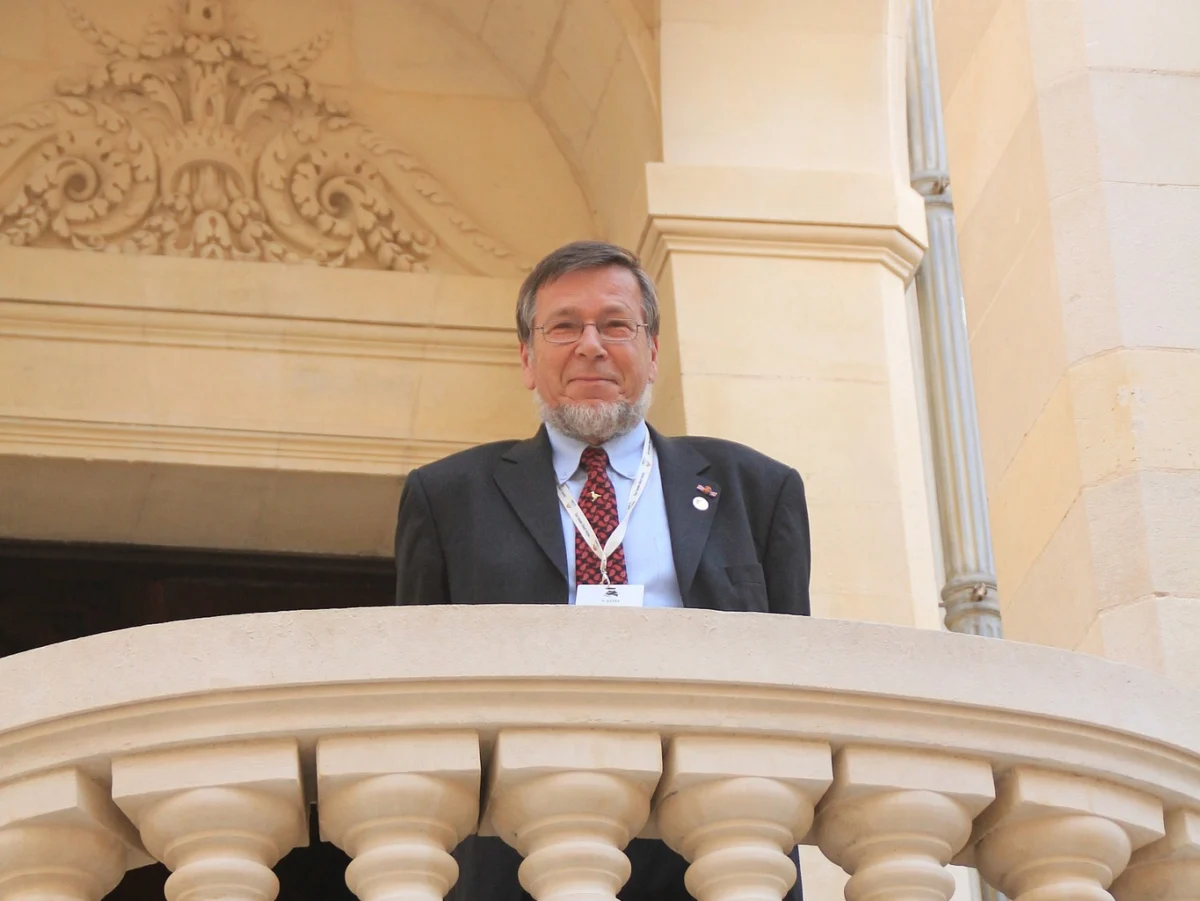
The world of international nature conservation mourns the passing of Gerard C. Boere, who died on January 6, 2026, at the age of 84. Boere was a towering figure whose visionary leadership and unwavering dedication fundamentally shaped the landscape of flyway-scale conservation for migratory waterbirds. His most enduring legacy is undoubtedly his instrumental role in the establishment of the Agreement on the Conservation of African-Eurasian Migratory Waterbirds (AEWA), an international treaty that continues to safeguard countless bird populations across two continents. Boere served as the Honorary Patron of AEWA until his final days, a testament to his lifelong commitment to its mission.
A Career Dedicated to Migratory Birds and Wetlands
Boere’s impact extended far beyond AEWA. Throughout his distinguished career, he championed the cause of migratory waterbirds, recognizing the critical interconnectedness of their journeys across vast geographical distances. His work was deeply rooted in the understanding that effective conservation requires a coordinated, international approach, addressing the needs of birds not just within national borders, but along their entire migratory pathways, or "flyways."
Born in the Netherlands, Boere’s early career saw him serving as a dedicated policy officer at the Dutch Ministry of Agriculture, Nature and Fisheries (LNV). It was in this capacity that he played a pivotal role in positioning the Netherlands as a global hub for flyway conservation. In the late 1990s, he was instrumental in facilitating the establishment of Wetlands International and other significant nature conservation organizations within the country. This strategic move not only bolstered the Netherlands’ international profile in conservation but also fostered a collaborative environment for tackling complex environmental challenges.
His early contributions also extended to supporting the production of seminal works like the "Atlas of Anatidae," published in 1996 by Wetlands International. This atlas was a groundbreaking initiative, representing the first comprehensive flyway atlas ever produced by the organization, offering invaluable data on the distribution and migration patterns of ducks, geese, and swans.
Bridging Policy and Practice: A Tenure at Wetlands International
Between 2000 and 2004, Boere transitioned from his role at LNV to a seconded position at Wetlands International. This period marked a significant phase of his career, where he directly contributed to advancing wetland and waterbird conservation efforts on the ground and through policy development. During his tenure, he actively mentored and built the capacity of Wetlands International staff, fostering a new generation of conservation professionals.

A highlight of his time at Wetlands International was his leadership in organizing the "Waterbirds Around the World Conference" held in Edinburgh in 2004. This landmark event convened a diverse array of experts, scientists, policymakers, and conservation advocates from across the globe. The conference served as a crucial platform for sharing knowledge, forging partnerships, and galvanizing action for waterbird conservation, significantly influencing international conservation agendas.
Boere’s strategic vision was also central to the development of the UNEP GEF-funded "African-Eurasian Flyway" project, also known as "Wings Over Wetlands" (WOW). This ambitious initiative aimed to improve the conservation status of migratory waterbirds and their habitats across the African-Eurasian flyway. During its implementation phase, from 2008 to 2011, Boere chaired the project’s steering committee, providing crucial guidance and oversight. He was also a principal author of the comprehensive "WOW Training Kit," a vital resource for building capacity in flyway conservation across the participating countries. Furthermore, he made significant contributions to the development of the "Waterbird Population Estimates" series, providing essential data for monitoring and conservation planning.
The Wadden Sea Flyway Initiative: A Regional Success Story
Boere also spearheaded the development of the Wadden Sea Flyway Initiative (WSFI). The Wadden Sea, a UNESCO World Heritage site, is a critical staging and wintering area for millions of migratory birds. The WSFI, under Boere’s chairmanship of its advisory and steering committees, has played an indispensable role in supporting vital waterbird monitoring efforts through the International Waterbird Census. Crucially, it has also focused on capacity-building for the effective management of key waterbird wintering sites throughout Africa, stretching from Morocco in the north to South Africa in the south. This initiative underscores Boere’s commitment to ensuring that conservation efforts are not only strategic but also grounded in practical, on-the-ground action that benefits birds in their crucial non-breeding grounds.
A Passion for the Field: Beyond Policy and Planning
Gerard Boere was not solely a strategist and policy architect; he was also an avid and passionate field birder and an experienced bird ringer. His dedication to understanding birds in their natural habitat fueled his conservation work. He led numerous expeditions, including challenging searches for the elusive breeding grounds of the Slender-billed Curlew in remote parts of Russia, a testament to his adventurous spirit and his commitment to unraveling the mysteries of bird migration.
Even after his official retirement, Boere maintained a rigorous and consistent bird-ringing program on his property in France. He meticulously implemented the "Constant Effort Scheme," a standardized method for monitoring bird populations through ringing. His continued dedication kept him at the forefront of the bird-ringing community in the Netherlands, contributing valuable data and insights to ornithological research.
A Lasting Legacy of Collaboration and Inspiration
Gerard C. Boere’s vision, unwavering dedication, and remarkable ability to foster collaboration have left an indelible mark on the global conservation community. His influence extended to the staff of Wetlands International and numerous other organizations, many of whom were fortunate enough to work alongside him and benefit from his profound knowledge and experience. He will be remembered with deep affection and respect by colleagues, friends, and all who were inspired by his lifelong pursuit of protecting the natural world and the magnificent migratory birds that traverse it. His passing represents a significant loss, but his legacy will continue to guide and inspire conservation efforts for generations to come.

The impact of his work is quantifiable. AEWA, for example, currently covers 256 migratory waterbird species and 39 action plans are in place for various species or groups of species. These action plans detail specific conservation measures, habitat management strategies, and research needs, all of which have been shaped by the foundational principles that Boere championed. The "Waterbird Population Estimates" series, to which he contributed, has been instrumental in informing conservation targets and assessing the effectiveness of conservation measures. For instance, the latest estimates for certain species have indicated population declines, prompting renewed calls for intensified conservation efforts in critical habitats along the flyways.
The "Wings Over Wetlands" project, another of Boere’s key initiatives, involved over 30 countries and facilitated numerous capacity-building workshops, training over 1,500 individuals in various aspects of wetland and waterbird conservation. This investment in human capital has created a network of dedicated professionals across Africa and Eurasia, ensuring the continuity of conservation efforts.
Boere’s approach often involved bridging the gap between scientific research, policy development, and practical implementation. His understanding of the intricate ecological needs of migratory birds, coupled with his diplomatic skills in navigating international policy landscapes, made him an exceptionally effective conservationist. His commitment to the Wadden Sea Flyway Initiative, for instance, has directly contributed to the improved conservation status of numerous species that utilize this critical region. The International Waterbird Census, supported by WSFI, has provided decades of invaluable data, revealing trends in bird populations and highlighting the importance of these coastal ecosystems.
The passing of Gerard C. Boere is not just the end of a remarkable life but also a moment to reflect on the profound and lasting impact one individual can have on global conservation efforts. His work has ensured that the breathtaking phenomenon of avian migration, a natural wonder that connects ecosystems and cultures across the globe, will continue to enchant and inspire for years to come. The wetlands and the skies will undoubtedly feel the absence of his guiding presence, but his legacy will continue to soar.