
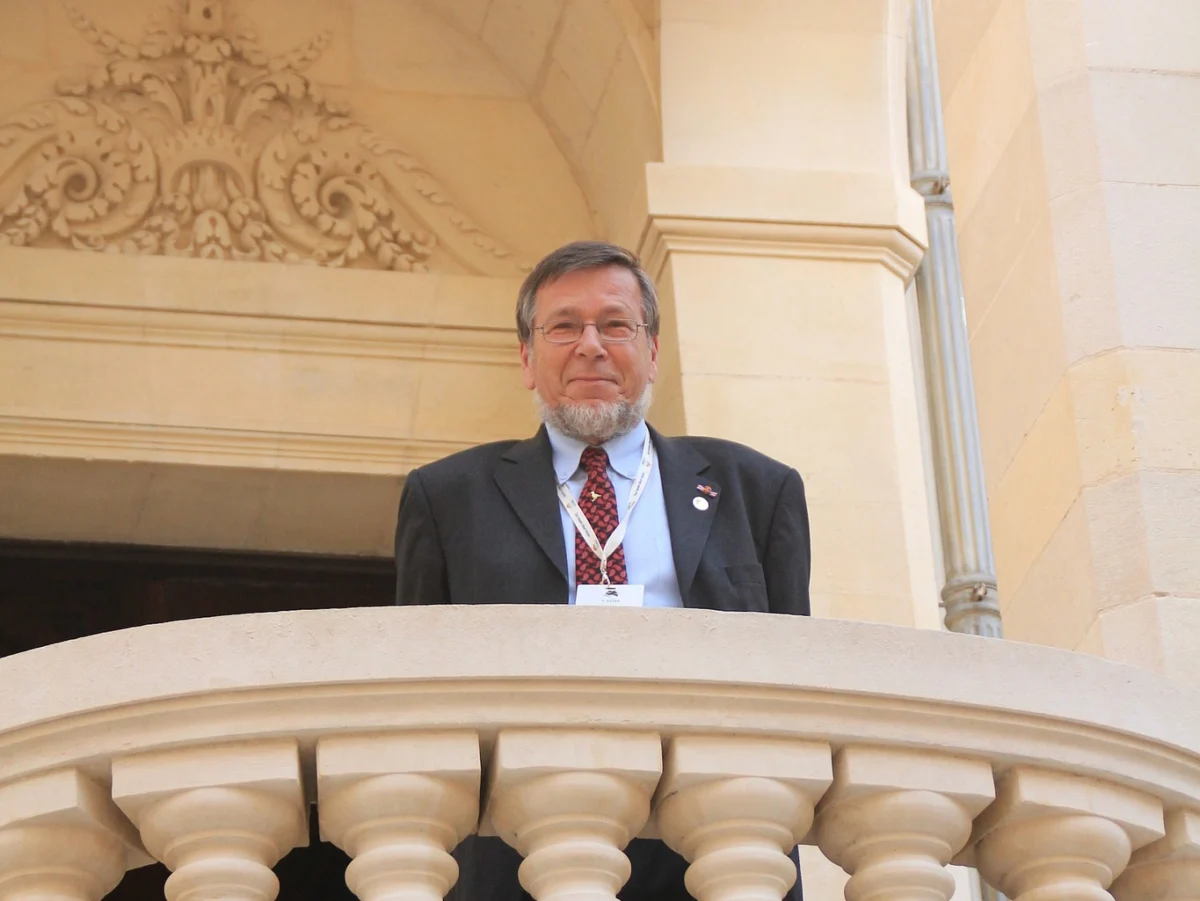
Gerard C. Boere, a towering figure in international nature conservation whose pioneering work shaped the global understanding and protection of migratory waterbirds, passed away peacefully on January 6, 2026, at the age of 84. His indelible legacy is profoundly etched in the landscape of flyway-scale conservation, most notably through his instrumental role in the establishment of the Agreement on the Conservation of African-Eurasian Migratory Waterbirds (AEWA), for which he served as Honorary Patron until his final days. Boere’s passing marks the end of an era for conservationists worldwide, leaving behind a void that will be deeply felt by colleagues, friends, and the countless species he dedicated his life to safeguarding.
Boere’s lifelong commitment to nature conservation began during his tenure as a dedicated policy officer at the Dutch Ministry of Agriculture, Nature and Fisheries (LNV). It was during the late 1990s that his strategic foresight and diplomatic acumen were instrumental in attracting Wetlands International and other significant conservation organizations to establish their presence in the Netherlands. This strategic move significantly bolstered the nation’s standing and influence in the critical field of flyway conservation. His contributions extended beyond policy and institutional development; he also provided crucial support for the production of the Atlas of Anatidae, a landmark publication by Wetlands International that served as the first comprehensive flyway atlas, released in 1996. This atlas provided an unprecedented overview of the migratory patterns and challenges faced by duck, geese, and swan species, laying essential groundwork for future conservation efforts.
A Career Dedicated to Wetlands and Waterbirds
The period between 2000 and 2004 saw Boere seconded from LNV to Wetlands International, a testament to his deep commitment and expertise. During this time, he channeled his energies into advancing wetland and waterbird conservation initiatives with unparalleled dedication. He was a profound mentor, nurturing and building the capacity of Wetlands International staff, fostering a new generation of conservation leaders. His leadership culminated in the organization of the Waterbirds Around the World Conference in Edinburgh in 2004, a seminal event that convened a global assembly of scientists, policymakers, and conservation practitioners. This conference served as a critical platform for sharing knowledge, forging partnerships, and galvanizing action for migratory waterbirds, solidifying their status as global conservation priorities.

Boere’s influence extended to crucial international agreements. He played a pivotal role in the development of the UNEP GEF-funded African-Eurasian Flyway (or Wings Over Wetlands, WOW) project. This ambitious initiative aimed to address the conservation challenges faced by migratory waterbirds and their habitats across the vast African-Eurasian flyway. During its implementation phase, Boere served as the esteemed chair of its steering committee from 2008 to 2011, guiding the project through its critical developmental stages. His intellectual contributions were also evident in his co-authorship of the WOW Training Kit, a vital resource designed to build local capacity for wetland and waterbird conservation across numerous countries. Furthermore, he made significant contributions to the development of the Waterbird Population Estimates (WPE) series, a vital ongoing effort to track and understand the status of global waterbird populations.
Championing the Wadden Sea Flyway Initiative
Another significant initiative championed by Gerard Boere was the Wadden Sea Flyway Initiative (WSFI). As its architect and subsequent chair of its advisory and steering committees, Boere imbued the WSFI with his characteristic vision and collaborative spirit. The WSFI plays an indispensable role in bolstering waterbird monitoring efforts through the International Waterbird Census, a long-standing global program that collects crucial data on waterbird populations. Beyond monitoring, the initiative has been instrumental in capacity-building for the effective management of vital wintering sites for waterbirds across Africa, spanning from the coastal wetlands of Morocco to the diverse habitats of South Africa. This regional focus underscores Boere’s understanding that effective flyway conservation requires coordinated action at both continental and local scales.
Beyond Policy: A Passionate Field Birder and Ringer
Gerard Boere’s engagement with nature conservation transcended policy documents and international agreements. He was a passionate and accomplished field birder, a dedicated bird ringer, and an intrepid explorer. He led numerous expeditions, venturing into remote landscapes in pursuit of ornithological knowledge. One such notable expedition involved extensive searches for the elusive breeding grounds of the Slender-billed Curlew in Russia, a species whose population has drastically declined and whose breeding areas remain poorly understood. This commitment to boots-on-the-ground research exemplifies his holistic approach to conservation.
Even after his retirement, Boere maintained an active and rigorous field presence. He meticulously implemented a Constant Effort Scheme (CES) ringing program on his property in France, a scientifically designed method for monitoring bird populations and productivity. His dedication to bird ringing also kept him at the forefront of the bird-ringing community in the Netherlands, where he remained a respected and influential figure. His personal commitment to collecting data through ringing provided invaluable insights into bird demographics and survival rates, further informing conservation strategies.

A Lasting Impact on Global Conservation
Gerard Boere’s vision, unwavering dedication, and remarkable capacity for collaboration have left an indelible mark on the global conservation community. His influence is deeply embedded in the frameworks and initiatives that continue to protect migratory waterbirds and their vital wetland habitats. For the staff of Wetlands International and numerous other organizations, the opportunity to work alongside him was a privilege, shaping their careers and inspiring their commitment to conservation.
His passing is mourned by colleagues, friends, and countless individuals worldwide who have been inspired by his lifelong dedication to the natural world. The principles of flyway conservation, which he so eloquently articulated and so tirelessly championed, will continue to guide efforts to safeguard these remarkable journeys undertaken by millions of birds each year. The establishment of AEWA, a testament to his diplomatic skill and conservation foresight, remains a cornerstone of international cooperation for waterbird protection, ensuring that the legacy of Gerard C. Boere will endure for generations to come. His work serves as a powerful reminder of the interconnectedness of ecosystems and the critical importance of international collaboration in addressing global environmental challenges. The conservation community is profoundly indebted to his contributions, and his memory will undoubtedly continue to inspire action and innovation in the years ahead.