
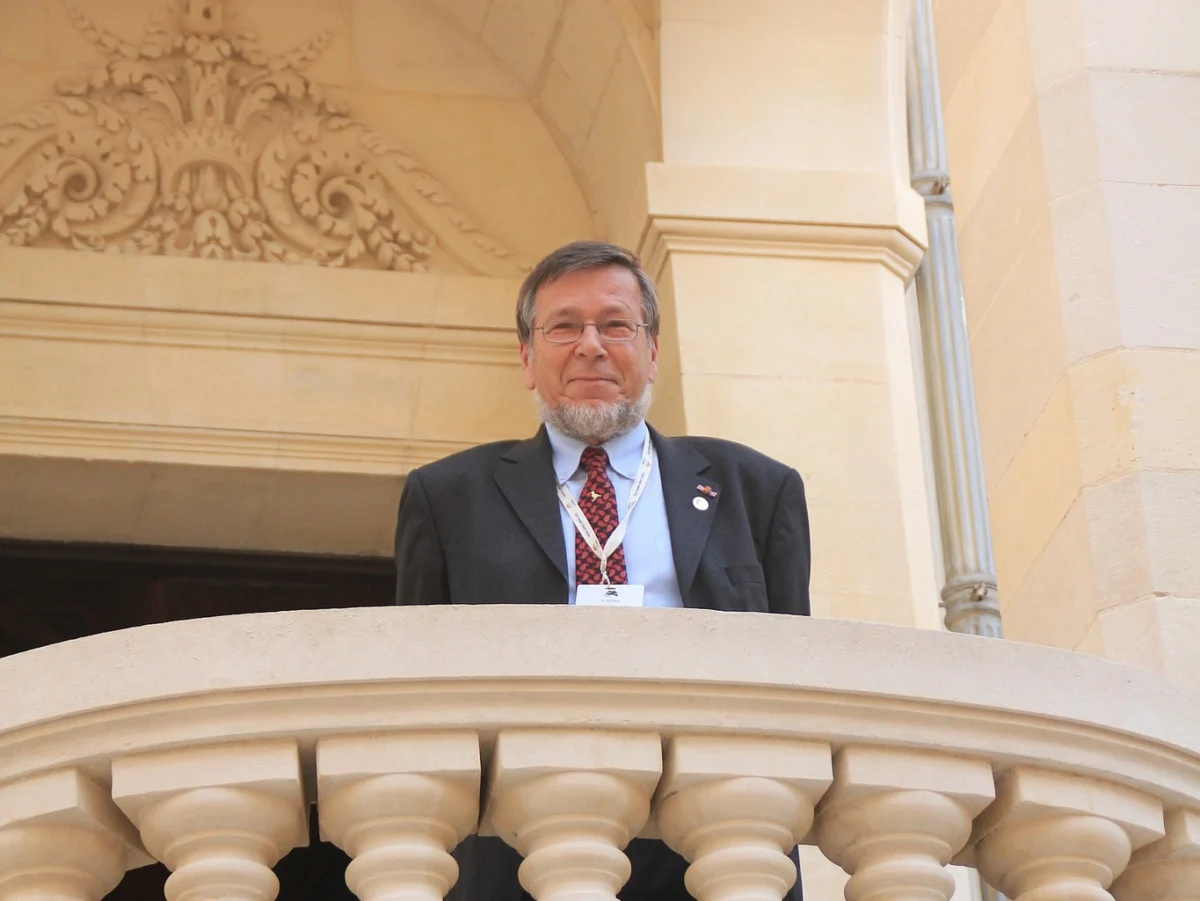
Gerard C. Boere, a towering figure in international nature conservation whose pioneering work in flyway-scale protection of migratory waterbirds fundamentally shaped global conservation efforts, passed away on January 6, 2026, at the age of 84. His enduring legacy is most prominently marked by his instrumental role in the establishment of the Agreement on the Conservation of African-Eurasian Migratory Waterbirds (AEWA), for which he served with distinction as Honorary Patron until his final days.
Boere’s passing marks the end of an era for wetland and migratory bird conservationists worldwide. His career, spanning decades of dedicated service and visionary leadership, was characterized by a profound understanding of ecological interconnectedness and an unwavering commitment to safeguarding species that traverse vast continental landscapes.
A Lifelong Dedication to Migratory Waterbirds
Born in the Netherlands, Gerard C. Boere’s journey into conservation began long before his formal policy roles. His early passion for ornithology blossomed into a career dedicated to understanding and protecting the complex migratory routes of waterbirds. These avian travelers, undertaking arduous journeys often spanning thousands of kilometers between breeding and non-breeding grounds, face a myriad of threats across their annual cycles, from habitat degradation and pollution to climate change and unsustainable hunting. Boere recognized early on that effective conservation of these species demanded a holistic, international approach that transcended national borders.
His formative years as a policy officer at the Dutch Ministry of Agriculture, Nature and Fisheries (LNV) provided him with the platform to translate his passion into tangible policy and institutional frameworks. It was during the late 1990s that Boere played a pivotal role in a strategic initiative to anchor major international conservation organizations, including Wetlands International, within the Netherlands. This move significantly bolstered the nation’s standing as a hub for flyway conservation and facilitated crucial collaborations.
One of Boere’s early significant contributions was his support for the production of the Atlas of Anatidae, published in 1996. This landmark publication, the first of its kind by Wetlands International, meticulously documented the distribution and migratory patterns of ducks, geese, and swans across various flyways. Such atlases are vital tools for conservationists, providing essential data for identifying critical habitats and understanding the scale of challenges faced by migratory species.

Architect of AEWA and Global Flyway Initiatives
The crowning achievement of Gerard C. Boere’s career is undoubtedly his central role in the conception and establishment of the Agreement on the Conservation of African-Eurasian Migratory Waterbirds (AEWA). Recognizing the transboundary nature of migratory waterbird populations, Boere championed the need for a legally binding international agreement to coordinate conservation actions across the vast African-Eurasian flyway. This initiative, which formally came into being in 1999 and entered into force in 2000, provides a framework for international cooperation on the conservation of over 250 species of migratory waterbirds, including 45 globally threatened species.
AEWA aims to harmonize conservation measures across the 119 contracting parties, covering the most important migratory flyways of Africa, Europe, the Middle East, and parts of Asia. The agreement addresses a range of issues, including habitat protection, sustainable use, preventing illegal killing and capture, and tackling challenges posed by pollution and climate change. Boere’s foresight in advocating for such a comprehensive agreement has had a profound and lasting impact on the survival prospects of countless waterbird populations.
His commitment to AEWA extended beyond its inception. He served as the Honorary Patron of the agreement until his death, continuing to lend his wisdom and support to its ongoing mission. This honorary role underscored his deep and abiding connection to the initiative he helped bring to fruition.
A Hands-On Leader in Conservation Practice
Boere’s influence was not confined to policy formulation; he was also a deeply engaged practitioner. Between 2000 and 2004, he was seconded from the Dutch Ministry of Agriculture, Nature and Fisheries to Wetlands International, where he immersed himself in advancing wetland and waterbird conservation on the ground. During this period, he played a crucial role in mentoring and building the capacity of Wetlands International staff, fostering a new generation of conservation leaders.
His leadership was particularly evident in his organization of the Waterbirds Around the World Conference in Edinburgh in 2004. This seminal event brought together over 300 experts, policymakers, and conservationists from more than 70 countries, creating a vital platform for knowledge exchange, partnership building, and the articulation of future conservation priorities. The conference’s outcomes significantly influenced the direction of international waterbird conservation for years to come.
Boere also played a pivotal role in the development of the UNEP GEF-funded African-Eurasian Flyway (or Wings Over Wetlands, WOW) project. This ambitious initiative aimed to strengthen conservation efforts across the flyway by building capacity, improving knowledge, and fostering collaboration among countries. During the project’s implementation phase, Boere chaired its steering committee from 2008 to 2011. He was also a principal author of the WOW Training Kit, a valuable resource for professionals working on waterbird conservation across the region. His contributions to the development of the Waterbird Population Estimates series further enhanced the scientific basis for conservation planning.

Championing the Wadden Sea Flyway Initiative
Further demonstrating his commitment to pragmatic, action-oriented conservation, Gerard C. Boere developed and championed the Wadden Sea Flyway Initiative (WSFI). The Wadden Sea, a UNESCO World Heritage site, is a critical staging and wintering area for millions of migratory birds. The WSFI plays a vital role in supporting waterbird monitoring through the International Waterbird Census, a global effort to collect data on waterbird populations and their habitats. Additionally, the initiative focuses on capacity-building for the effective management of key wintering sites for waterbirds across Africa, from Morocco in the northwest to South Africa in the south. This initiative highlights Boere’s understanding that conservation efforts must be integrated across entire flyways, from breeding grounds to stopover sites and wintering areas.
Beyond Policy: A Passionate Birder and Ringer
Gerard C. Boere’s dedication to birds extended far beyond the conference rooms and policy documents. He was an avid and skilled field birder, possessing a deep personal connection to the avian world. His passion was further expressed through his extensive work as a bird ringer. He led numerous expeditions, including challenging expeditions to search for the elusive breeding grounds of the Slender-billed Curlew in remote regions of Russia, a testament to his adventurous spirit and commitment to scientific discovery.
Even after his retirement, Boere continued to maintain a rigorous ringing program on his property in France, employing the Constant Effort Scheme, a standardized method for monitoring bird populations. He remained an active and respected figure within the bird-ringing community in the Netherlands, generously sharing his expertise and contributing to long-term data collection efforts. This hands-on engagement provided him with invaluable insights into bird ecology and behavior, which undoubtedly informed his broader conservation strategies.
A Legacy of Collaboration and Inspiration
The impact of Gerard C. Boere’s vision, dedication, and remarkable collaborative spirit on the international nature conservation community is immeasurable. His ability to bridge the gap between policy and practice, to foster international cooperation, and to inspire those around him has left an indelible mark. Colleagues at Wetlands International, where he spent significant time and energy, remember him fondly as a guiding force and a generous mentor. His work has touched the lives of countless individuals and has directly contributed to the improved conservation status of numerous migratory waterbird species.
The establishment of AEWA alone stands as a monumental achievement, providing a framework that will continue to protect migratory waterbirds for generations to come. His work on the African-Eurasian Flyway and the Wadden Sea Flyway Initiative demonstrates a profound understanding of the interconnectedness of ecosystems and the necessity of coordinated international action.
Gerard C. Boere will be remembered not only for his policy achievements and scientific contributions but also for his personal qualities: his passion, his intellect, his unwavering commitment, and his enduring belief in the power of collaboration. His life’s work serves as an enduring inspiration to all who strive to protect our planet’s natural heritage. The skies, which he so passionately sought to protect for the birds that traverse them, will continue to echo with the legacy of his extraordinary contributions.