
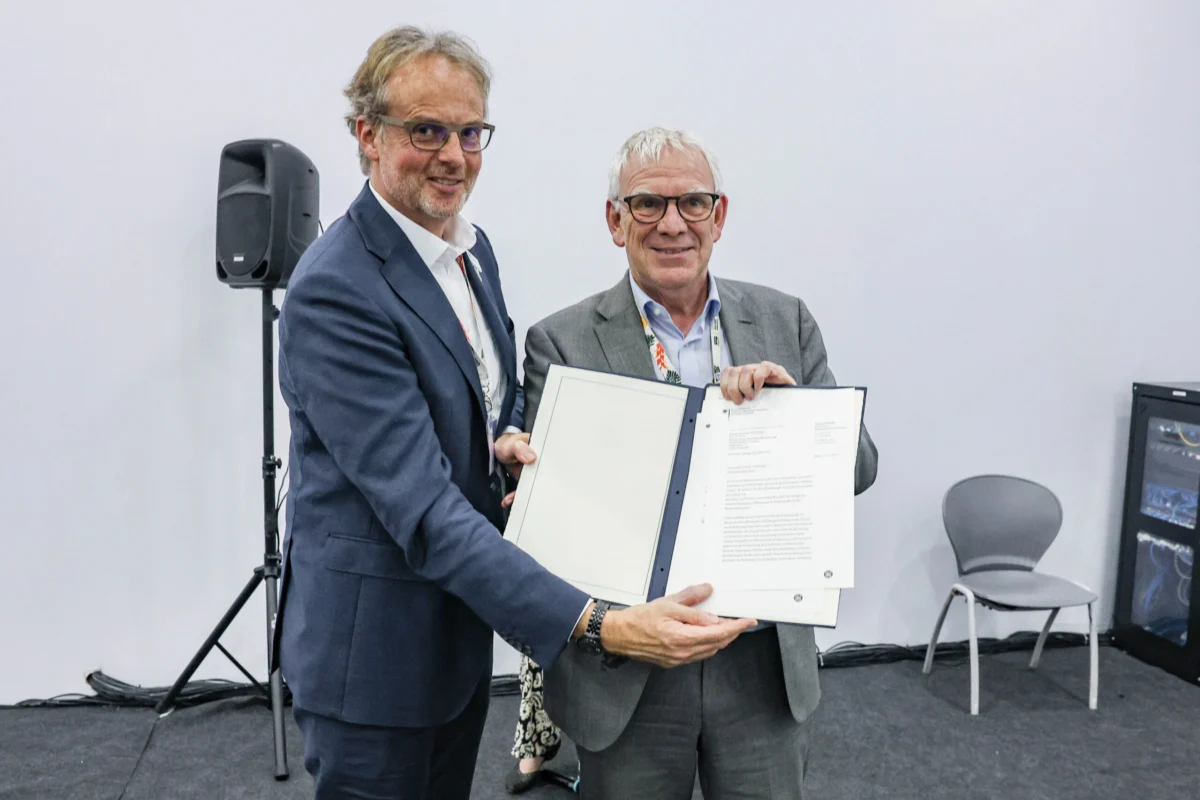
Germany has officially become a Champion Country for the Peatland Breakthrough initiative, a significant development announced at the 30th Conference of the Parties (COP30) to the UNFCCC. This commitment positions Germany alongside Peru and Uganda, underscoring a growing global recognition of peatlands as a critical, yet often overlooked, climate solution. The decision marks a pivotal moment in Germany’s strategy to achieve climate neutrality by 2045, leveraging the immense carbon storage potential of these vital ecosystems.
Germany’s Commitment to Peatland Restoration
The announcement, made on November 20, 2025, highlights Germany’s substantial historical impact on its peatland landscapes. Over 90 percent of Germany’s peatlands have been drained, primarily for agricultural and forestry purposes, as well as for land development and infrastructure. This extensive drainage has transformed these natural carbon sinks into significant sources of greenhouse gas emissions. Currently, drained and degraded peatlands are responsible for approximately 7.5 percent of Germany’s national greenhouse gas emissions, a figure that presents a formidable challenge to its ambitious climate targets.
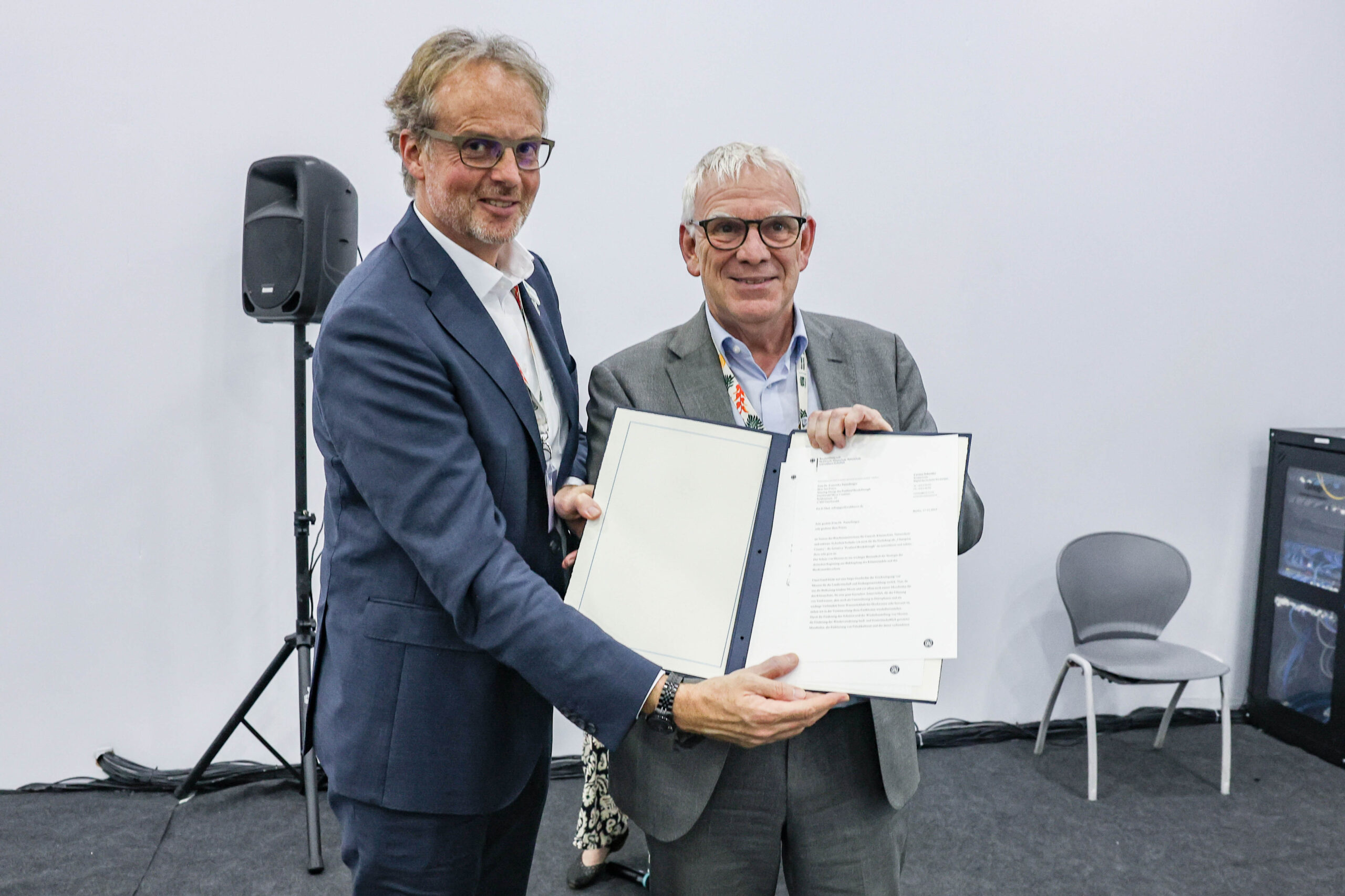
Jochen Flasbarth, State Secretary at the Federal Ministry for the Environment, Nature Conservation and Nuclear Safety, Germany, emphasized the urgency and potential of peatland restoration during an official side event at COP30, titled "The Peatland Breakthrough: A Global Call to Unlock the Power of Peatlands." He stated, "In Germany, we drained 95% of our peatlands, and today we see the consequences. Peatlands now account for 7.5% of our national greenhouse-gas emissions, which makes restoring them one of our biggest challenges – and essential to reach our 2045 net-zero target. Rewetting is one of the fastest ways to stop emissions from drained peatlands, and in the future rewetted areas may even contribute to negative emissions. This is why Germany is investing billions in rewetting and why we are working closely with partners around the world, from Eastern Africa to Patagonia, to accelerate peatland restoration."
Germany’s participation in the Peatland Breakthrough is a direct complement to its existing National Peatland Protection Strategy. This strategy, developed with a focus on collaborative approaches and robust public outreach, aims to foster a transformative shift towards sustainable land-use practices. A key element of this strategy is the promotion of paludiculture, a system of land use that involves the cultivation of crops on rewetted peatlands, thereby preserving their ecological functions and contributing to climate mitigation. The success of this strategy, Germany believes, hinges on the close collaboration with local residents, landowners, and farmers, ensuring that restoration efforts are socially and economically viable.
The Global Significance of Peatlands
Peatlands, though covering a mere 3-4 percent of the Earth’s land surface, hold an astonishing amount of carbon. They store up to one-third of the world’s soil organic carbon, a quantity that is more than double the carbon contained in all the world’s forest biomass combined. This immense carbon reservoir is a critical component of the global carbon cycle. However, when peatlands are drained and degraded, this stored carbon is exposed to oxygen, leading to decomposition and the release of greenhouse gases, primarily carbon dioxide (CO2) and methane (CH4).

The implications of this transition are stark. Globally, drained and degraded peatlands contribute between 4-5 percent of annual human-induced greenhouse gas emissions. This is a staggering figure, equivalent to the combined emissions from the aviation and shipping industries. Effectively, these vital ecosystems transform from powerful carbon sinks into significant carbon sources, actively exacerbating climate change. Halting these emissions and restoring peatlands is therefore not merely an environmental aspiration but a fundamental necessity for achieving global climate goals.
Eva Hernandez, Programme Head for Peatlands at Wetlands International, hailed Germany’s decision as a powerful endorsement of peatland conservation. "Germany’s decision to become a Champion Country for the Peatland Breakthrough sends a strong signal: that investing in peatlands is one of the highest-impact climate solutions available today. Restoring peatlands is not just about climate, but also about water security, nature, and people. With this commitment, Germany is helping to turn science-based ambition into practical, large-scale action," she stated.
The Peatland Breakthrough Initiative: A Collaborative Endeavor
The Peatland Breakthrough is a multi-stakeholder initiative designed to accelerate and mobilize global action towards the conservation, rewetting, restoration, and sustainable use of peatlands. Its core objective is to ensure that these ecosystems can continue to perform their essential functions, thereby supporting climate goals, enhancing water security, protecting biodiversity, and safeguarding the livelihoods of local communities.
This ambitious initiative is spearheaded by a consortium of leading organizations, including Wetlands International, the United Nations Environment Programme (UNEP), the Food and Agriculture Organization of the United Nations (FAO), and the Greifswald Mire Centre. The initiative is developed in close alignment with the Global Peatlands Initiative and operates in collaboration with the Convention on Wetlands. The growing network of partners further includes the Global Environment Centre, Landscape Finance Lab, RE-PEAT, and The Nature Conservancy, all of whom are contributing expertise and resources to advance peatland conservation and restoration efforts worldwide.
A Timeline of Growing Awareness and Action
The recognition of peatlands as critical climate regulators has been a growing trend in recent years, culminating in initiatives like the Peatland Breakthrough.
- Early 2000s onwards: Scientific research increasingly highlights the significant carbon storage capacity of peatlands and the substantial emissions resulting from their degradation.
- 2016: The Global Peatlands Initiative (GPI) is launched, bringing together a coalition of governments, research institutions, and NGOs to raise awareness and promote action on peatlands.
- 2020-2022: UNEP and FAO publish comprehensive reports, including the "Global Peatlands Assessment 2022," providing detailed scientific data and policy recommendations on peatland conservation and restoration.
- 2023: The Peatland Breakthrough is formally established as a global call to action, seeking Champion Countries to lead by example and accelerate peatland restoration efforts. Peru and Uganda are among the initial countries to join this initiative.
- November 2025: At COP30, Germany officially announces its commitment to becoming a Champion Country for the Peatland Breakthrough, signaling a substantial commitment from a major European economy.
Broader Implications and Future Prospects
Germany’s accession to the Peatland Breakthrough carries significant implications beyond its national borders. As a leading industrial nation and a significant contributor to global climate policy, Germany’s commitment amplifies the initiative’s visibility and influence. It demonstrates that developed nations, which have historically contributed to significant environmental degradation, are willing to invest in and champion nature-based solutions with high climate mitigation potential.

The investment of billions of euros by Germany in rewetting initiatives underscores a tangible financial commitment to peatland restoration. This financial backing is crucial for scaling up restoration efforts, which often require substantial upfront investment for land acquisition, hydrological restoration, and the development of sustainable land-use alternatives.
Furthermore, Germany’s emphasis on cooperative approaches and public outreach serves as a model for other nations. Successful peatland restoration is not solely a technical or scientific endeavor; it requires the buy-in and active participation of local communities, farmers, and landowners. By prioritizing these stakeholder engagements, Germany aims to ensure that its restoration projects are not only environmentally effective but also socially equitable and economically sustainable in the long term.
The commitment also positions Germany as a key partner in international collaborations. Its stated intention to work with partners globally, from Eastern Africa to Patagonia, suggests a willingness to share expertise, resources, and best practices in peatland restoration. This global collaboration is essential for addressing a challenge that transcends national boundaries and requires coordinated international action.

The future prospects for peatlands as climate solutions are increasingly promising, driven by initiatives like the Peatland Breakthrough and the growing political will to act. As more countries join this movement, the collective impact on global greenhouse gas emissions and climate resilience is expected to grow significantly. The potential for rewetted peatlands to not only cease emitting but to actively sequester carbon, contributing to negative emissions, offers a vital pathway towards achieving ambitious climate targets. Germany’s leadership in this domain is a testament to the growing understanding that protecting and restoring these unique ecosystems is an indispensable element of a sustainable future.