
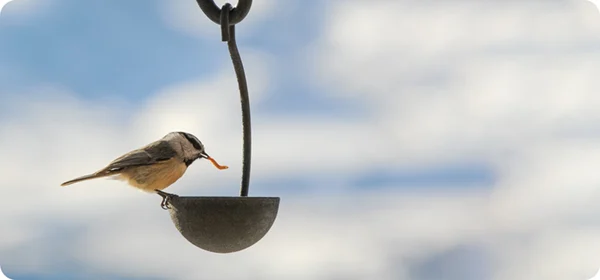
The notion of gifting insects for Mother’s Day might initially strike as unconventional, even preposterous. However, for those who cherish avian life and the vibrant ecosystems they inhabit, this seemingly unusual suggestion holds significant ecological and observational merit. The period surrounding Mother’s Day, typically in May, coincides with a critical phase in the avian life cycle: nesting season. During this time, a substantial portion of bird species rely almost exclusively on insects to nourish their rapidly growing young. Consequently, enhancing backyard habitats with insect-friendly provisions can dramatically increase the likelihood of successful fledgling production and attract a more diverse array of songbirds, offering unparalleled visual and auditory enrichment for any mother.
The Nutritional Imperative for Nestlings
Avian reproduction is a finely tuned process, and the dietary requirements of young birds are exceptionally high. Insects, rich in protein, fats, and essential micronutrients, are the ideal food source for nestlings. From the moment they hatch until they are ready to leave the nest, often for several weeks, parent birds will tirelessly forage for and deliver a constant supply of invertebrates to their offspring. This biological imperative underscores the effectiveness of providing supplemental insect-based foods.
Dried Mealworms: These are a readily available and highly palatable form of insect protein. Offering dried mealworms in feeders provides a concentrated source of the nutrients that parent birds need to sustain their brood. This supplement can be particularly beneficial during periods of high demand, such as during peak nesting season.
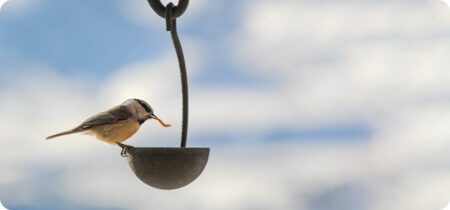
Live Mealworms: For an even more compelling attractant, live mealworms can be offered. Their movement stimulates a natural foraging response in birds, making them an exceptionally effective way to draw a wider variety of insectivorous species to feeders.
Insects in the Natural Habitat: Beyond supplemental feeding, fostering a healthy insect population within the garden itself is crucial. This involves creating an environment that supports a diverse array of native insects, which are the natural prey for many bird species.
Migratory Songbirds: A Vital Fuel Stop
May is also a peak period for the migration of countless songbird species across North America. These journeys are arduous, covering hundreds or even thousands of miles. To undertake such feats, birds require substantial reserves of energy, primarily derived from high-fat food sources. Insects, particularly those with a high fat content, are a cornerstone of their migratory diet.
Warblers, Vireos, Thrushes, and Tanagers: These migratory marvels, known for their vibrant plumage and melodious songs, often rely on insects encountered along their migratory routes. A yard that provides a consistent and abundant supply of insect food can serve as a critical refueling station, allowing these birds to successfully complete their journeys to breeding grounds further north. The observation of these species in a backyard setting offers a unique and memorable experience, especially for mothers who appreciate the beauty and wonder of nature.
Cultivating an Insect-Rich Environment: A Two-Pronged Approach
Creating a bird-friendly haven that caters to insectivorous needs involves a dual strategy: enhancing the natural insect population and providing supplemental insect-based foods.
1. The Enduring Gift of Native Plants
Instead of ephemeral bouquets, consider the lasting impact of native plants. These species are adapted to the local climate and soil conditions, requiring less maintenance and offering significant ecological benefits.
Ecological Benefits: Native plants provide essential food sources and habitat for a wide variety of native insects, including butterflies, moths, beetles, and bees. These insects, in turn, become a vital food source for birds. Furthermore, native plants support beneficial insects that help control pest populations, reducing the need for chemical interventions.
Aesthetic Appeal: Beyond their ecological contributions, native plants add beauty and interest to any garden. They offer diverse textures, colors, and forms that evolve throughout the seasons, creating a dynamic and visually appealing landscape. Many native plants are well-suited for container gardening, making them accessible even for those with limited space.

Examples of Insect-Attracting Native Plants:
- Milkweed (Asclepias spp.): Crucial for Monarch butterfly larvae.
- Coneflowers (Echinacea spp.): Attract bees and butterflies, and their seeds feed finches.
- Goldenrods (Solidago spp.): Provide nectar and pollen for a wide array of pollinators.
- Sunflowers (Helianthus spp.): Offer seeds for birds and attract pollinators.
- Oaks (Quercus spp.): Support hundreds of insect species, forming the base of many food webs.
By selecting a variety of native plants, one can create a garden that is not only beautiful but also a thriving ecosystem, a true gift that keeps on giving throughout the year.
2. Strategic Supplementation with Mealworms
While natural insect populations are paramount, supplemental feeding with mealworms offers a reliable and effective way to attract and support insectivorous birds.
WBU Nesting SuperBlend®: This specialized blend is formulated with dried mealworms, providing a concentrated source of protein vital for nesting birds and their young. It is available as a loose seed mix or in a convenient seed cylinder format, which can be hung from feeders.
Bug, Nut & Berry Cylinder®: This offering combines the attractants of insects with the energy-rich appeal of nuts and berries, creating a highly palatable and nutritious food source for a broad spectrum of birds, particularly those with a preference for insects.
Live Mealworms: As mentioned earlier, live mealworms are exceptionally effective at attracting songbirds. Their natural appeal and nutritional density make them a prime choice for gardeners seeking to observe a greater variety of avian visitors.
The Wild Birds Unlimited Advantage
Wild Birds Unlimited (WBU) is a recognized leader in the backyard bird feeding and nature specialty store industry. With over 350 locations across the United States and Canada, WBU is dedicated to bringing people and nature together. Their stores offer a comprehensive selection of high-quality bird foods, feeders, and expert advice tailored to local bird populations and habitats.
Product Innovation: WBU has developed specialized bird food blends, such as the Nesting SuperBlend® and the Bug, Nut & Berry Cylinder®, designed to meet the specific nutritional needs of birds at different times of the year. These products are formulated with carefully selected ingredients to maximize appeal and nutritional value.
Educational Outreach: Beyond retail, WBU is committed to educating the public about the importance of backyard habitats and bird conservation. They host educational events and encourage a deeper understanding of ecological principles. Their podcast, Nature Centered, provides further insights into bird feeding, nature observation, and conservation efforts.
Franchise Opportunities: For individuals interested in pursuing a career in nature-related retail, WBU also offers franchise opportunities, supporting entrepreneurs in establishing their own nature specialty stores.
A Mother’s Day Gift That Soars
The concept of gifting "bugs for birds" for Mother’s Day is, therefore, far from a whimsical jest. It is a thoughtful and ecologically responsible approach to celebrating mothers while simultaneously contributing to the well-being of avian populations. By understanding the nutritional needs of birds, particularly during nesting and migration, and by implementing strategies that support both natural insect populations and supplemental feeding, one can create a truly remarkable and enriching experience.
The joy derived from observing a vibrant tapestry of songbirds in one’s own backyard, knowing that this spectacle is, in part, a result of a carefully considered gift, is profound. It is a gift that connects us to the natural world, fosters an appreciation for biodiversity, and offers a continuous source of wonder and delight.

Broader Implications and Environmental Stewardship
The practice of enhancing backyard habitats for birds has far-reaching implications that extend beyond individual enjoyment. It contributes to the overall health of local ecosystems by supporting insect populations, which are crucial for pollination and pest control. Furthermore, it plays a role in bird conservation by providing essential resources that may be diminished in increasingly urbanized landscapes.
Data-Driven Insights: Studies have consistently shown a correlation between the availability of food resources and bird populations. For instance, research published in journals like The Auk: Ornithological Advances has highlighted the importance of supplemental feeding for the survival rates of certain bird species, particularly during harsh weather conditions or periods of high nutritional demand. The National Audubon Society also emphasizes the role of habitat restoration and native plantings in supporting bird populations, noting that the decline of insect species due to pesticide use and habitat loss directly impacts bird numbers.
Economic Impact: The bird feeding industry is a significant economic driver, supporting businesses that range from specialized feed manufacturers to retail outlets like Wild Birds Unlimited. This economic activity underscores the public’s engagement with nature and the value placed on birdwatching and backyard wildlife.
Conservation Efforts: By encouraging the use of native plants and discouraging the use of pesticides, initiatives like those promoted by Wild Birds Unlimited contribute to broader conservation goals. These efforts help to mitigate the negative impacts of human development on wildlife and promote a more sustainable coexistence with nature.
The decision to provide "bugs for birds" as a Mother’s Day gift is a testament to a growing awareness of ecological interconnectedness. It is a gesture that acknowledges the vital role of insects in the food web and the profound pleasure that observing birds can bring. It is a gift that nourishes both the recipient and the natural world, a truly fitting tribute for a mother who appreciates the beauty and resilience of life. As the article suggests, having this explanation readily available might be prudent, as the initial concept may require a brief elaboration for those unfamiliar with the intricate dance of nature that unfolds in our backyards.