
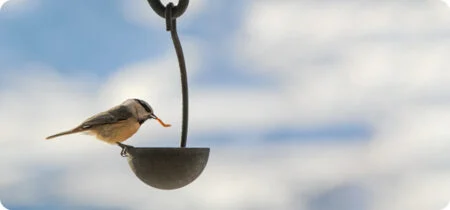
The notion of gifting insects to mothers for Mother’s Day may initially strike as unconventional, even peculiar. However, a closer examination reveals a compelling, nature-centric approach to celebrating mothers, one that centers on the vibrant life of backyard birds and the essential role insects play in their sustenance and reproduction. This seemingly unusual suggestion is rooted in the biological realities of avian life cycles and the profound connection many mothers feel with the natural world around them.
The Avian Appetite: Why Bugs Matter for Birds and Mothers
May represents a critical period for avian populations across North America, marking the height of nesting season. During this time, virtually all bird species rely heavily on insects to nourish their rapidly growing young. From the moment they hatch, nestlings require a diet rich in protein and essential nutrients found abundantly in invertebrates. This biological imperative translates directly into a mother’s delight when observing a flurry of bird activity in her own backyard, a testament to a thriving ecosystem.
The provision of supplemental food sources, particularly those mimicking natural insect prey, can significantly bolster local bird populations. For instance, incorporating mealworms into bird feeders during this period offers a concentrated source of energy and protein that adult birds can easily process and deliver to their demanding chicks. This not only supports the survival rates of young birds but also increases the likelihood of more fledglings successfully taking flight. Furthermore, a yard that actively attracts a diverse insect population, through thoughtful landscaping and the absence of harmful pesticides, becomes a more attractive and sustainable habitat for a wider array of bird species.
The migratory journeys of songbirds also highlight the importance of insect-based food sources. As countless species traverse vast distances, they depend on readily available sources of fat and energy to fuel their arduous flights. Insects are a prime component of this vital fuel. The visual spectacle of a diverse array of migrating songbirds, such as warblers, vireos, thrushes, and tanagers, gracing a backyard feeder offers a unique and enriching experience for any nature enthusiast, including mothers. The presence of these ephemeral visitors, often fleeting and beautiful, transforms a simple garden into a dynamic wildlife sanctuary.
Cultivating a Bird-Friendly Haven: Two Pillars of Support
To effectively create a backyard environment that caters to the insectivorous needs of birds, two primary strategies emerge as particularly effective. The first involves a deliberate approach to gardening, moving beyond the ephemeral beauty of cut flowers to the enduring appeal of native plants.
Native Plants: A Living Buffet for Birds
Opting for native plants offers a sustainable and aesthetically pleasing method to attract a thriving insect population. Unlike traditional bouquets that offer temporary visual appeal before wilting, native flora provides a continuous source of nectar, pollen, and foliage that serves as a food source and habitat for a multitude of native insects. These plants are not only adapted to the local climate and soil conditions, requiring less maintenance, but they also form the foundational element of the food web that supports birds.
The ecological principle at play here is that native plants have co-evolved with local insect species. This co-evolution means that specific insects are adapted to feed on the leaves, stems, roots, and fruits of these plants, and in turn, birds are adapted to prey on these insects. For example, milkweed plants are essential for the monarch butterfly’s life cycle, and the caterpillars that hatch from monarch eggs are a food source for certain bird species. Similarly, oak trees are known to support hundreds of species of insects, providing a substantial food base for a wide variety of birds.
By incorporating a diverse range of native plants into a garden, whether in the ground or in containers, homeowners can create a miniature ecosystem that naturally attracts and sustains the insects that birds depend on. This approach not only benefits the avian population but also contributes to local biodiversity and the health of the surrounding environment. It transforms a garden from a mere aesthetic feature into a functional habitat, offering a year-round source of sustenance and shelter.
Supplemental Feeding: The Power of Mealworms
Complementing a native plant landscape with targeted supplemental feeding can further enhance a backyard’s appeal to insect-eating birds. Among the most effective supplemental food sources are mealworms. These dried or live larvae are a highly concentrated and easily digestible source of protein and fat, closely mimicking the nutritional profile of natural insect prey.

Mealworms can be offered in various formats, catering to different feeding preferences and feeder types. Loose dried mealworms can be scattered on the ground, placed in tray feeders, or incorporated into specialized feeders designed to dispense small, high-protein foods. Seed cylinders that are specifically formulated with mealworms, such as those designed for nesting or attracting insectivorous birds, provide a convenient and long-lasting feeding option. These cylinders can attract a wide range of species, including chickadees, titmice, wrens, and nuthatches, all of which benefit from this readily available protein boost, especially during breeding season.
For an even more direct and potent attractant, live mealworms are often considered the premium offering. Their movement and fresh appeal can be irresistible to many songbirds, acting as a powerful lure to the feeder. This direct appeal is particularly beneficial for attracting shy or less common species that might otherwise overlook a feeder with dry seed mixes. The strategic use of live mealworms can transform a backyard into a bustling avian cafeteria, offering a consistent and highly nutritious food source.
The Wild Birds Unlimited Approach: Curated Solutions for Backyard Bird Enthusiasts
Recognizing the growing interest in backyard bird feeding and the importance of providing appropriate nutrition, retailers like Wild Birds Unlimited have developed specialized product lines to facilitate this endeavor. Their offerings are designed to simplify the process for consumers while maximizing the benefits for birds.
For example, Wild Birds Unlimited offers a "Nesting SuperBlend®," available in both loose seed mixes and seed cylinder formats. This blend is specifically formulated to provide essential nutrients for nesting birds and their young, with dried mealworms being a key component. The inclusion of mealworms ensures that parent birds have a readily available and high-energy food source to provision their offspring during the critical nesting period.
Another innovative product is the "Bug, Nut & Berry Cylinder." This offering combines a variety of appealing ingredients, including dried insects, nuts, and berries, to create a highly attractive food source for a broad spectrum of birds, particularly those that favor insectivorous diets. The cylindrical format allows for easy placement on specialized feeders, providing a long-lasting and mess-free feeding experience.
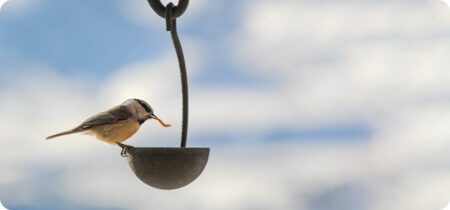
The availability of live mealworms through these specialty retailers further underscores the commitment to providing premium nutrition for backyard birds. By offering fresh, live mealworms, these stores cater to the highest demands of avian nutrition, ensuring that even the most discerning bird species can be enticed to visit and thrive in the backyard environment.
A Mother’s Day Gift That Keeps on Giving
The concept of "bugs for birds" as a Mother’s Day gift, therefore, transcends its initial quirky presentation. It represents a thoughtful and ecologically conscious choice that aligns with the values of many mothers who appreciate nature and wildlife. Instead of a fleeting material possession, this gift offers the enduring joy of observing a vibrant and healthy bird population in action.
The act of creating a bird-friendly habitat is, in essence, a gift that continuously unfolds. It provides a dynamic natural spectacle, a source of educational opportunities for children and grandchildren, and a tangible connection to the natural world. The satisfaction derived from seeing a parent bird diligently feeding its young, or a colorful warbler pausing for sustenance during its migration, is a profound and lasting reward.
Moreover, this approach to gifting aligns with a growing societal trend towards experiences and sustainable living. It moves away from consumption-driven celebrations and embraces activities and contributions that foster environmental stewardship and appreciation for the natural world.
The Broader Impact: Conservation Through Backyard Engagement
The implications of promoting "bugs for birds" extend beyond individual backyards and Mother’s Day celebrations. By encouraging the creation of insect-rich habitats and the provision of supplemental, species-appropriate food, these initiatives contribute to broader conservation efforts.

Bird populations worldwide are facing numerous challenges, including habitat loss, pesticide use, and climate change. Backyard bird feeding, when done responsibly, can play a vital role in mitigating some of these threats. Providing supplementary food, especially during critical periods like nesting and migration, can help birds survive and reproduce more successfully, thereby bolstering local populations.
Furthermore, the engagement of individuals with their local wildlife through bird feeding can foster a deeper appreciation for nature and a greater commitment to conservation. When people witness the beauty and complexity of the natural world in their own backyards, they are more likely to support conservation initiatives and make environmentally conscious decisions in their daily lives.
The trend towards offering insect-based foods for birds is supported by scientific data highlighting the nutritional requirements of avian species. Studies published in ornithological journals consistently emphasize the indispensable role of insects in the diet of many birds, particularly during breeding seasons. For instance, research on species like the Blue Tit (Cyanistes caeruleus) has demonstrated a direct correlation between the availability of insect prey and nesting success rates. Similarly, data from migratory bird monitoring programs underscore the reliance of long-distance travelers on high-energy food sources, with insects being a primary component.
The economic impact of the bird feeding industry is also significant, with millions of households participating annually. Specialty retailers and manufacturers that focus on providing high-quality, ecologically responsible products contribute to this economic ecosystem while also promoting best practices for backyard wildlife management.
In conclusion, the seemingly unconventional idea of gifting "bugs for birds" for Mother’s Day is, in reality, a sophisticated and rewarding gesture. It is a gift that nourishes not only the birds but also the human spirit, fostering a deeper connection with nature and contributing to the well-being of our feathered friends and the broader environment. By embracing this nature-centric approach, we can transform Mother’s Day into an occasion that celebrates life, sustains biodiversity, and enriches the lives of both mothers and the avian wonders they admire.