
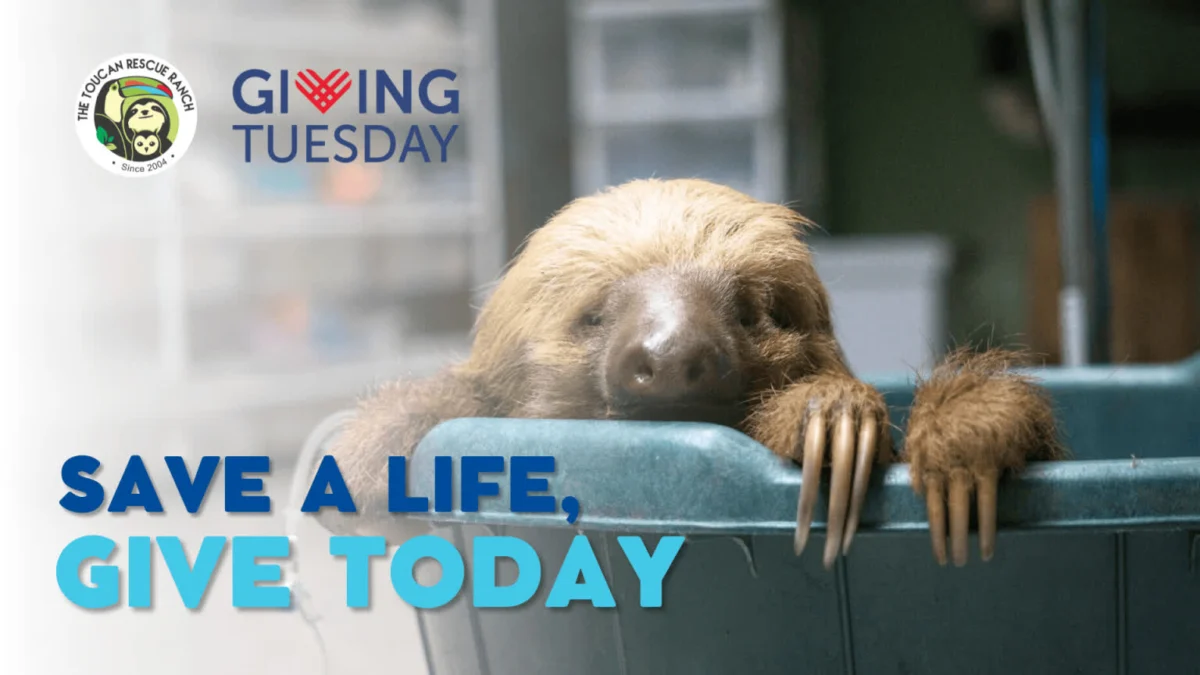
The Toucan Rescue Ranch (TRR), a prominent wildlife conservation organization in Costa Rica, has officially launched its annual Giving Tuesday campaign to address an unprecedented rise in wildlife emergencies that have stretched the facility’s resources to their limits. As the organization marks its 20th year of operation, it faces a critical juncture characterized by a record-breaking influx of injured and orphaned animals, necessitating a significant increase in donor support to maintain its rescue, rehabilitation, and rewilding operations. The campaign, part of the global Giving Tuesday movement, seeks to raise vital funds to ensure the continued survival of Costa Rica’s native species, many of which are victims of increasing human-wildlife conflict.
Record-Breaking Surge in Wildlife Admissions
Data released by the Toucan Rescue Ranch indicates a sharp and alarming upward trend in wildlife admissions over the past two years. In 2023, the facility received over 400 vulnerable animals, a figure that represented one of the busiest years in the organization’s history. However, 2024 has already eclipsed those statistics. By July of this year, the number of admissions had already surpassed the total for the entirety of 2023. At the current trajectory, TRR is on track to handle the highest volume of wildlife emergencies in its two-decade history.
This surge in demand for medical intervention and rehabilitation services is attributed to a variety of factors, primarily rooted in the expanding interface between human infrastructure and natural habitats. The organization reports that a staggering 41.8% of the animals currently in its care are orphans—young creatures that have lost their mothers to accidents or illegal activity. The care for these orphans is particularly resource-intensive, requiring 24-hour monitoring, specialized nutritional formulas, and long-term rehabilitation programs that can span several years before the animal is ready for release.
The Landscape of Human-Wildlife Conflict
The majority of the emergencies handled by the Toucan Rescue Ranch are the direct result of human-wildlife conflicts. While Costa Rica is globally recognized for its commitment to conservation and biodiversity, the rapid development of infrastructure continues to pose significant threats to its fauna.
One of the leading causes of injury is electrocution. As power lines are installed through forested areas without adequate insulation, arboreal species such as sloths, monkeys, and anteaters frequently mistake the wires for branches. These encounters often result in severe burns, limb loss, or death. The Toucan Rescue Ranch has become a specialized center for treating these complex injuries, employing advanced veterinary techniques to save animals that would otherwise perish.
In addition to electrocutions, vehicular strikes have become a growing concern. As roads bifurcate biological corridors, wildlife attempting to navigate their natural ranges are often struck by passing cars. Furthermore, the illegal pet trade remains a persistent issue. Despite strict laws in Costa Rica protecting wildlife, animals are still frequently removed from the wild to be kept as pets, often suffering from malnutrition and psychological trauma before being confiscated by authorities and brought to TRR.
Twenty Years of Evolution in Wildlife Conservation
The current crisis comes as the Toucan Rescue Ranch celebrates its 20th anniversary. Founded two decades ago with a focus on bird rescue, the organization has evolved into a multi-species facility capable of handling some of the most complex veterinary cases in the region. Over the last 20 years, TRR has adapted its protocols to meet the changing needs of Costa Rican wildlife, moving beyond mere rescue to a sophisticated model of "Rewilding."
Rewilding is the cornerstone of the TRR mission. Unlike traditional sanctuaries that may provide permanent homes for animals, TRR prioritizes the return of every capable individual to the wild. This process involves a multi-stage rehabilitation program where animals are taught the skills necessary for survival, including foraging, predator avoidance, and social interaction with their own species. The ultimate goal is to ensure that these animals regain their independence and can contribute to the genetic diversity of the wild population.
The Financial Goal and Resource Allocation
For the Giving Tuesday 2024 initiative, the Toucan Rescue Ranch has identified a primary fundraising target of $8,000. While the organization accepts donations of all sizes—noting that contributions of $10, $25, $50, or $100 are all impactful—this specific goal is designed to cover the immediate costs associated with the recent surge in patients.
The funds raised during this campaign are earmarked for several critical areas:
- Specialized Medical Supplies: The cost of antibiotics, surgical equipment, and diagnostic tools has risen alongside the number of patients.
- Nutritional Support: Many of the 41.8% of residents who are orphans require expensive, specialized milk replacements and high-quality produce to ensure proper growth.
- Enclosure Maintenance and Expansion: To accommodate the record number of animals, the ranch must maintain and occasionally expand its pre-release enclosures to prevent overcrowding and ensure a stress-free rehabilitation environment.
- Professional Veterinary Staff: The increased patient load requires around-the-clock care, necessitating sustained funding for the skilled veterinary and husbandry teams.
As a donor-funded nonprofit, TRR operates without significant government subsidies, making public contributions the lifeblood of its operations. The organization has emphasized that all donations are tax-deductible, providing an incentive for international donors to participate in the campaign.
Official Responses and Perspectives
Representatives from the Toucan Rescue Ranch have expressed a mixture of concern regarding the rising numbers and determination regarding their mission. In statements regarding the Giving Tuesday launch, the organization noted that every animal that enters the clinic provides a "renewed purpose" to the team. They described the work as "creating miracles" for the voiceless, emphasizing that the resilience of the animals serves as the primary motivation for the staff.
Environmental analysts in Costa Rica suggest that the situation at TRR is a microcosm of a larger national challenge. As the country balances its economic growth with its environmental reputation, the pressure on wildlife rescue centers increases. These facilities act as the final safety net for the nation’s biodiversity. Observers note that without the intervention of organizations like TRR, the mortality rate for wildlife involved in human-related accidents would be significantly higher, potentially impacting the ecological balance of the region.
Broader Implications for Costa Rican Biodiversity
The work of the Toucan Rescue Ranch extends beyond the individual animals saved. By rehabilitating and releasing native species, the organization plays a vital role in maintaining the health of Costa Rica’s ecosystems. Species like the sloths and toucans are essential for seed dispersal and the maintenance of forest health.
Furthermore, TRR’s commitment to research and education helps address the root causes of wildlife emergencies. By documenting the types of injuries and the locations where they occur, the organization provides valuable data that can be used to advocate for better infrastructure, such as the installation of wildlife bridges and the insulation of power lines. Education programs also reach local communities and tourists, fostering a culture of respect and protection for the natural world.
The Global Context of Giving Tuesday
Giving Tuesday, falling on the Tuesday after Thanksgiving in the United States, has grown into a global phenomenon since its inception in 2012. It serves as a counter-narrative to the consumerism of Black Friday and Cyber Monday, encouraging individuals to support causes that align with their values. For small nonprofits like the Toucan Rescue Ranch, this single day of giving can represent a significant portion of their annual operating budget.
The 2024 campaign for TRR is not just a request for funds, but an invitation for the global community to participate in the "magic" of wildlife restoration. The organization maintains that together, donors and conservationists can ensure that Costa Rica’s wildlife thrives for generations to come.
Conclusion and Future Outlook
As the Toucan Rescue Ranch navigates its 20th year, the challenges are greater than ever, but so is the potential for impact. The record number of admissions in 2024 serves as a stark reminder of the ongoing threats to wildlife, yet the successful rewilding of hundreds of animals each year offers a beacon of hope.
The success of the $8,000 Giving Tuesday goal will determine the organization’s ability to maintain its high standards of care through the remainder of the year and into 2025. With nearly half of their residents being orphans requiring long-term care, the support of the international community is essential. By providing a safe haven and a second chance at life in the wild, the Toucan Rescue Ranch continues to be a cornerstone of wildlife conservation in Central America, proving that with enough support, the damage caused by human-wildlife conflict can be healed.