
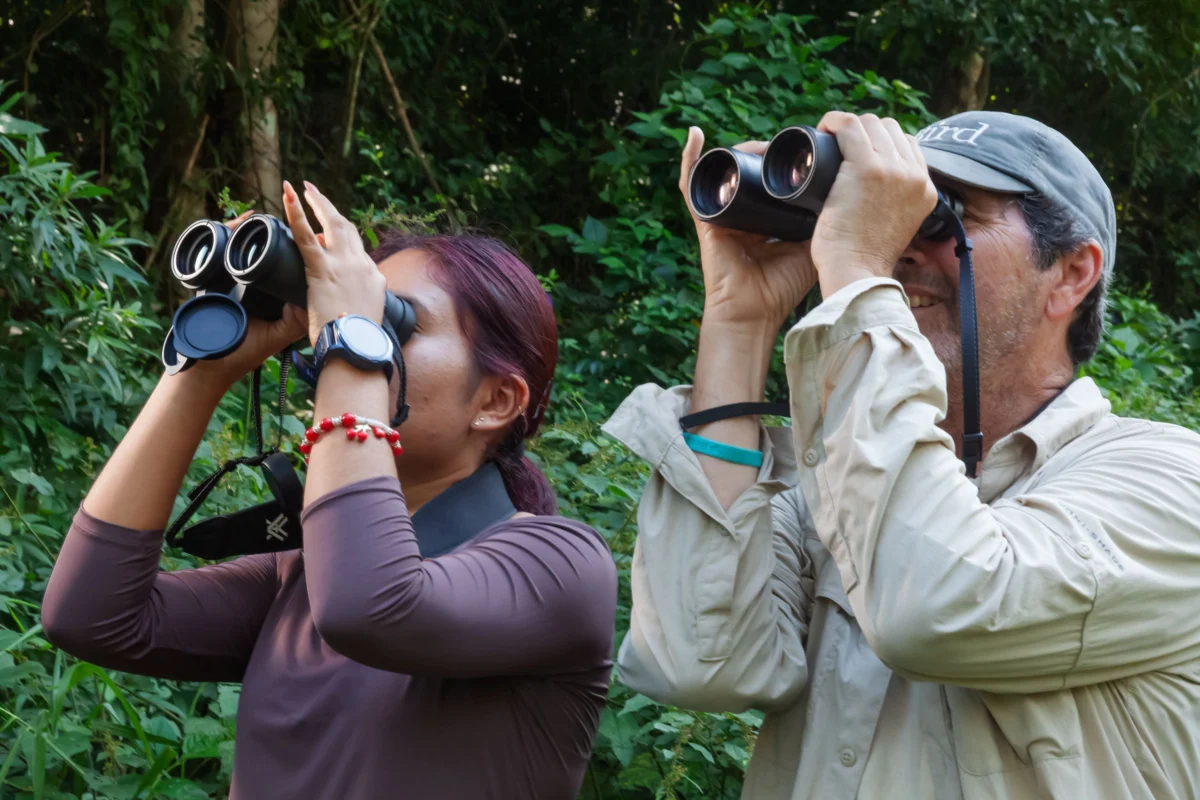
Stories of collaboration are reshaping the narrative surrounding global environmental challenges, providing a tangible sense of hope for the planet’s future. From the rapidly diminishing ice caps of Antarctica to the biodiverse forests of Latin America, a mosaic of partnerships is demonstrating that human ingenuity and collective action can tip the scales towards a more resilient world, even as ecosystems approach critical tipping points. These efforts, highlighted in recent reports, underscore a crucial shift towards integrated, community-led conservation strategies that acknowledge the interconnectedness of human well-being and ecological health.
The urgency of these collaborations is underscored by dramatic environmental changes observed across the globe. In Antarctica, the Adélie Penguin colonies, once a robust symbol of polar life, face existential threats from shrinking sea ice. Scientists monitoring these industrious and patient birds report significant impacts on their primary food sources and nesting habitats. Adélie penguins, known for their distinctive calls and methodical nest-building, depend heavily on stable sea ice for foraging krill and raising their young. Recent data from the National Snow and Ice Data Center (NSIDC) indicates a consistent decline in Antarctic sea ice extent, with record lows observed in multiple years over the past decade. This reduction directly correlates with decreased krill populations, a cornerstone of the Antarctic food web, leading to reproductive challenges and increased mortality rates for penguin chicks.
Further north, in Alaska, the Mendenhall Glacier, or Áak’w Tʼáak Sítʼ, is experiencing a dramatic and visible retreat. This iconic glacier, a significant tourist attraction and a vital component of local ecosystems, has receded by over 1.75 miles since 1929, with the rate of retreat accelerating significantly in recent decades. The melting ice contributes to rising sea levels and alters freshwater ecosystems, impacting salmon runs and the terrestrial habitats of numerous species. Dr. Evelyn Reed, a glaciologist with the University of Alaska Fairbanks, remarked, "The Mendenhall Glacier serves as a stark visual indicator of rapid climate change. Its retreat is not just about ice loss; it reshapes entire landscapes, affecting everything from local hydrology to the unique flora and fauna dependent on glacial meltwater."
These polar transformations are emblematic of a broader global crisis. Rachel Ramirez’s comprehensive report, "When the World Heats: Can Climate Action Keep Ecosystems from Tipping Over," details how various ecosystems worldwide are nearing critical thresholds. These tipping points, once crossed, could trigger irreversible collapses, leading to widespread biodiversity loss, altered weather patterns, and profound socio-economic disruptions. The report highlights that from coral reefs to rainforests and permafrost regions, the interconnected web of life is under unprecedented stress.
A Global Movement Towards Resilience: Chronology and Key Initiatives
Despite the daunting scale of these challenges, a burgeoning movement of collaborative initiatives is demonstrating that a more resilient future is within reach. This shift towards collective action has been gaining momentum, particularly over the last decade, evolving from localized projects to expansive, multi-national programs.
- Early 2010s: Increased scientific consensus on climate change prompts calls for more integrated conservation approaches, moving beyond single-species protection to ecosystem-wide resilience.
- Mid-2010s: Focus on nature-based solutions gains traction. Discussions begin around scaling up native seed programs and empowering local communities in conservation.
- Late 2010s: Pilot programs for native seed banks and community-led conservation efforts begin in earnest. Organizations like Audubon and federal agencies start formalizing partnerships.
- Early 2020s: Initiatives like Conserva Aves are launched, rapidly expanding their reach across Latin America, leveraging lessons learned from earlier, smaller-scale projects.
- Mid-2020s (Present): These programs demonstrate significant progress, garnering wider support and serving as models for future conservation efforts.
One such pivotal initiative is a far-ranging effort in the United States, galvanized by federal agencies and their partners, to build a robust native seed supply. As detailed in Sarah Gilman’s feature story, "Seeding a Movement," the degradation of U.S. lands from past agricultural practices, urbanization, and climate impacts has severely depleted native plant communities. These plants are the foundation of healthy ecosystems, providing food and shelter for wildlife, stabilizing soil, and enhancing water quality. The native seed initiative aims to restore vibrancy to these degraded lands by ensuring a steady and diverse supply of locally adapted native seeds.
This effort involves a complex network of botanists, ecologists, land managers, and community volunteers. The U.S. Bureau of Land Management (BLM), U.S. Forest Service (USFS), and the U.S. Fish and Wildlife Service (USFWS) are key players, collaborating with academic institutions, non-governmental organizations (NGOs), and private growers. The process involves identifying genetically appropriate seed sources, harvesting wild seeds sustainably, cultivating them in nurseries, and eventually deploying them for large-scale restoration projects. "The native seed initiative isn’t just about planting; it’s about rebuilding the ecological integrity of our landscapes from the ground up," states Dr. Lena Hanson, a restoration ecologist involved in the project. "It’s a long-term investment, but one that promises immense returns in terms of biodiversity, carbon sequestration, and resilience against climate extremes." Early data indicates successful restoration across hundreds of thousands of acres, leading to a measurable increase in pollinator populations and improved habitat for native bird species.
Conserva Aves: A Paradigm of Community-Led Conservation
Perhaps one of the most compelling examples of effective collaboration is Conserva Aves, an initiative that has swiftly spread across Latin America, protecting millions of acres through partnerships between conservationists and local communities. Launched with the backing of organizations like Audubon, Conserva Aves represents a significant shift in conservation strategy, prioritizing the knowledge and leadership of indigenous peoples and local residents.
The initiative currently operates in nine countries, including Mexico, Colombia, Ecuador, and Peru, safeguarding critical habitats for migratory and resident bird species. Its success is rooted in a decentralized approach where local communities are not merely beneficiaries but active designers and implementers of conservation solutions. For instance, in Chivixhuyo, Mexico, community monitor Aylin Tolentino works alongside Jorge Montejo of SOS Social Solutions to identify and protect bird habitats, fostering a sense of local ownership over conservation efforts. This model ensures that conservation strategies are culturally appropriate, economically viable, and sustainable in the long term.
"Conserva Aves thrives because it respects and empowers local voices," explains Maria Elena Rodriguez, a program director for Latin American conservation at Audubon. "We provide scientific expertise and resources, but the wisdom and dedication of communities like those in Chivixhuyo are what truly drive lasting change. When people see direct benefits – whether it’s improved water quality, sustainable livelihoods, or the preservation of cultural heritage – they become the most powerful advocates for nature." The millions of protected acres under Conserva Aves contribute significantly to the global network of Important Bird and Biodiversity Areas (IBAs), crucial for species like the Great Green Macaw, whose vibrant populations depend on intact tropical forests.
Beyond Terrestrial Borders: Protecting Seabirds and Engaging Through Art
The spirit of collaboration extends beyond terrestrial boundaries to the vast oceans, where endangered seabirds face a myriad of threats. Initiatives focused on "creating safer conditions" for these species often involve complex partnerships between conservation organizations, fishing industries, and government regulators. Seabirds, many of which spend the majority of their lives at sea, are vulnerable to bycatch in fishing gear, plastic pollution, habitat degradation at nesting sites, and oil spills.
New strategies, developed through collaborative dialogues, include the implementation of bird-friendly fishing techniques such as weighted lines, streamer lines to deter birds from hooks, and night setting of longlines. Fishermen, once seen as adversaries, are now integral partners in designing and adopting these innovations. Dr. Kenneth Davies, a marine biologist specializing in avian conservation, notes, "Engaging with the fishing industry has been transformative. They are on the front lines, and their practical knowledge is invaluable in developing solutions that are both effective for seabirds and feasible for their operations. It’s a testament to the power of finding common ground." These efforts have led to demonstrable reductions in seabird mortality in key fishing zones, showcasing the impact of cross-sectoral cooperation.
Beyond direct conservation, creative collaborations are also playing a vital role in shifting public perception and engagement with birdlife. Musical artists, for example, are increasingly incorporating birdsong into their compositions, not merely as ambient sound but as integral melodic or rhythmic elements. This trend, highlighted in "Meet the Musical Artists Who Are Paying Royalties to Nature," brings the natural world into unexpected cultural spaces, fostering a deeper appreciation for avian acoustics and the environments they inhabit. Artists like Bernie Krause, a pioneer in bioacoustics, have long advocated for listening to the "voice of the natural world," and a new generation of musicians is taking this message to a wider audience, often donating a portion of their proceeds to conservation efforts. This artistic engagement transforms passive listening into active advocacy.
Similarly, the unique talent of the Reiser brothers, known for their deadpan documentary style, is captivating audiences and drawing attention to the intricacies of birdlife. Their latest adventure, documented in Alisa Opar’s dispatch "Seriously Funny," showcases their ability to blend humor with genuine scientific curiosity, making ornithology accessible and entertaining. Their work, particularly their film "Listers," has introduced countless viewers to the dedicated world of birdwatching and the critical importance of citizen science. By reframing how people see and engage with birdlife, these creative endeavors serve as powerful tools for raising awareness and inspiring action, cultivating a fresh perspective on the value of avian species.
The Art of Conservation: Honoring Guardians of the Canopy
The very cover of the Spring 2026 issue exemplifies this elevated form of collaboration, showcasing the intricate craftsmanship of artists who have dedicated their skills to conservation. "Honoring Guardians of the Canopy," the latest installment of The Aviary, details the painstaking process behind the cover art: hundreds of tiny pieces of hand-painted paper meticulously assembled into a lifelike portrait of Great Green Macaws. This species, vibrant and charismatic, symbolizes the richness of biodiversity in Latin America and the threats it faces.
The artistic duo behind the cover has not only created a visually stunning piece but also reinforced the message that appreciation and protection are intertwined. Such art serves as a powerful reminder of what stands to be lost and what can be saved through collective effort. The Great Green Macaw, like so many other species, will directly benefit from the expanded reach and success of Conserva Aves. Its outlook is further aided by people appreciating it not just as a beautiful bird, but as a crucial indicator of forest health, inspiring renewed commitment to its protection.
Broader Impact and Implications
The cumulative impact of these diverse collaborations signals a promising evolution in environmental stewardship. By moving away from siloed approaches and embracing interdisciplinary, multi-stakeholder partnerships, the conservation movement is building a more robust and equitable framework for addressing the climate and biodiversity crises. The emphasis on local empowerment, particularly evident in initiatives like Conserva Aves, demonstrates that sustainable solutions are best forged when those most directly affected are at the heart of the decision-making process.
Furthermore, the integration of scientific data with traditional ecological knowledge, combined with innovative public engagement through art and media, creates a powerful synergy. This holistic approach not only protects species and ecosystems but also fosters a deeper, more widespread connection between humanity and the natural world. The lessons learned from these initiatives – the importance of shared goals, mutual respect, and adaptive strategies – are critical as the planet faces accelerating environmental changes.
As the scientific community continues to track the implications of shrinking sea ice in Antarctica and the dramatic retreat of glaciers in Alaska, the stories of collaboration from the U.S. native seed initiative to the community-led efforts in Latin America offer a vital counter-narrative. They demonstrate that while the challenges are immense, human ingenuity, empathy, and a commitment to working together can indeed tip the scales toward a more resilient and biodiverse future for all. These collaborative models are not just about preserving nature; they are about securing a sustainable future for humanity itself.
To support these ongoing efforts and receive insightful reports on conservation progress, individuals are encouraged to become members of organizations leading these initiatives by making a donation today. Their contributions directly fuel the vital work of protecting our planet’s most vulnerable species and ecosystems.