
Ahead of the Convention on Migratory Species (CMS) COP15 in Campo Grande, Brazil, global community members have converged with a singular, urgent mission: to protect migratory birds and the critical habitats indispensable for their survival. This pivotal gathering takes place against a backdrop of alarming declines in migratory species populations worldwide, underscoring the immediate necessity for concerted international action.
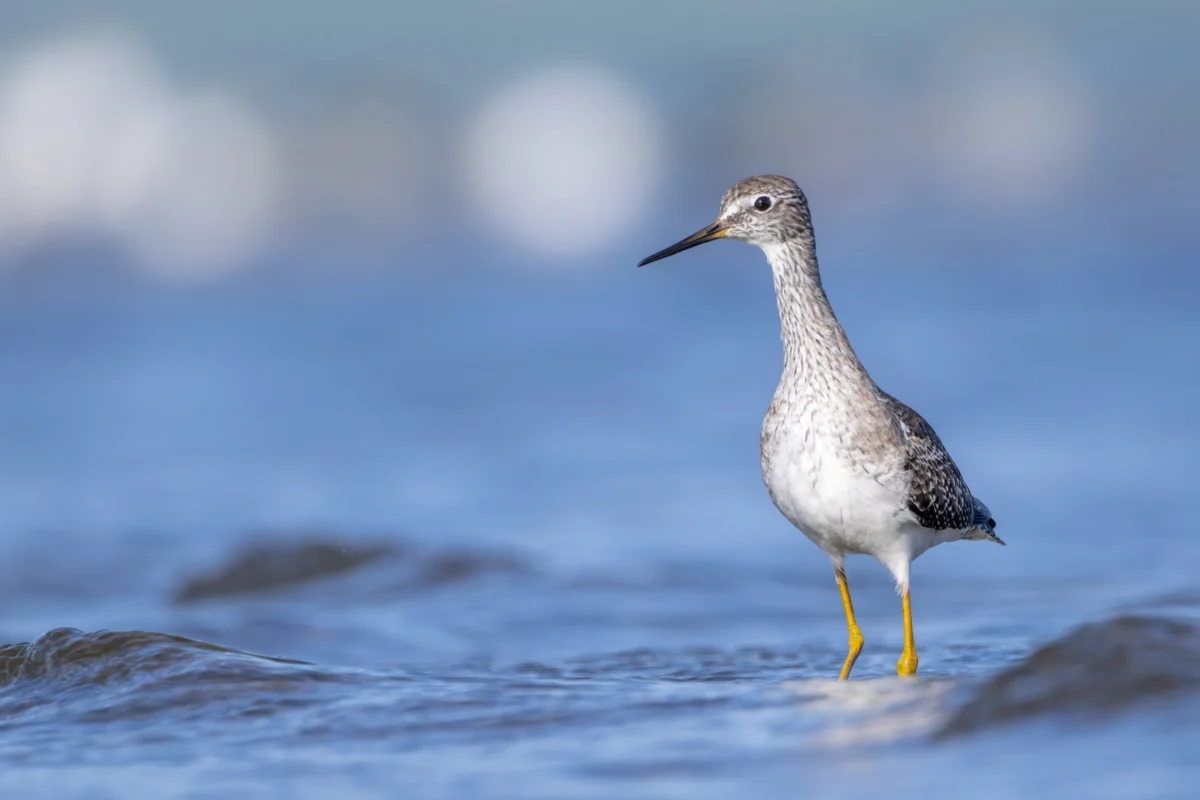
The journey of the Lesser Yellowlegs, a shorebird that undertakes an annual migration spanning thousands of kilometers from its breeding grounds in North America to the sprawling Brazilian Pantanal, the world’s largest tropical wetland, serves as a poignant illustration of this global challenge. Along their epic journey, these birds, like countless other migratory species, rely on a network of diverse habitats for feeding and resting, habitats that are conserved through a patchwork of efforts by governments and private citizens. However, no single nation possesses the capacity to unilaterally ensure the long-term well-being of these remarkable travelers. The health and indeed the very survival of their populations hinge entirely on collaborative actions undertaken by a multitude of stakeholders across numerous countries.
The National Audubon Society, with a legacy spanning over 120 years, has long recognized this fundamental truth, which informs its extensive conservation work across eleven countries throughout the Americas and through a broad network of partners that amplify its reach. This hemispheric approach is designed to conserve birds and the habitats upon which their existence depends. Mirroring these objectives, the Convention on Migratory Species (CMS) was established as an intergovernmental treaty under the auspices of the United Nations Environment Programme (UNEP). Its foundational purpose is to unite the world’s governments in protecting migratory species whose survival is inextricably linked to cross-border cooperation. The current 15th Conference of the Parties (COP15) in Campo Grande, Brazil, could not convene at a more critical juncture, as new data paint a stark picture of biodiversity loss.
The Alarming State of the World’s Migratory Species
The urgency of COP15 is starkly amplified by the recently released "State of the World’s Migratory Species" report, a comprehensive analysis produced by the CMS Secretariat. This landmark report reveals deeply troubling trends: a staggering 49% of the migratory species populations covered by CMS are currently in decline, with 24% facing an immediate risk of extinction. The report further highlights that since the last assessment, eighteen shorebird species have been reclassified into higher extinction risk categories, signaling a rapidly accelerating crisis. These statistics serve as a powerful call to action, demanding immediate and decisive responses from the international community.
Migratory species, from majestic whales and elusive big cats to fragile insects and numerous bird species, play vital roles in maintaining healthy ecosystems, acting as pollinators, seed dispersers, and key components of food webs. Their migrations are often synchronized with seasonal changes and resource availability, making them particularly vulnerable to environmental disruptions. The threats they face are multifaceted and complex, including rampant habitat loss and degradation due to agricultural expansion, urbanization, and infrastructure development; unsustainable hunting and poaching; widespread pollution, particularly from plastics and pesticides; and the pervasive impacts of climate change, which disrupt migratory routes, alter breeding and feeding grounds, and increase the frequency and intensity of extreme weather events. Fisheries bycatch, the accidental capture of non-target species in fishing gear, also poses a significant threat, especially to marine birds and mammals.
The Convention on Migratory Species: A Framework for Global Cooperation
The Convention on Migratory Species, formally known as the Convention on the Conservation of Migratory Species of Wild Animals (CMS), entered into force in 1979. It is the only global convention specializing in the conservation of migratory species, their habitats, and migratory routes. Its strength lies in its ability to bring together range states – countries through which migratory species pass – to develop and implement harmonized conservation measures. The Convention operates through two main appendices: Appendix I lists migratory species that are endangered, requiring strict protection; Appendix II lists migratory species that have an unfavorable conservation status and that would benefit significantly from international cooperative agreements.
The Conference of the Parties (COP) is the decision-making body of CMS, held every three years. It reviews the implementation of the Convention, adopts new resolutions and recommendations, amends the Appendices, and approves the budget. COP15, hosted in Brazil, a country renowned for its immense biodiversity and critical migratory corridors, is poised to build upon past achievements while addressing the escalating challenges outlined in the recent report. The location, on the edge of the Pantanal, a crucial stopover and wintering ground for numerous migratory birds, including the Lesser Yellowlegs, serves as a powerful reminder of the tangible ecosystems at stake.
Key Discussions and Resolutions at COP15
Participants at COP15 are engaging in rigorous discussions to adopt a series of Resolutions and Decisions designed to bolster the protection of migratory species globally. These crucial documents span a broad spectrum of topics, from enhancing the protection of vital marine ecosystems to the critical process of listing species that are newly endangered or threatened in the CMS Appendices, thereby elevating them to a higher level of international protection efforts.
One of the significant areas of debate revolves around refining the definition of threats. For instance, the discussion to define fisheries bycatch as encompassing "migratory" rather than solely "marine" species carries profound implications. Such a redefinition could be instrumental in compelling governments to adopt and enforce more robust regulations aimed at combating the unintended taking of seabirds, a group particularly vulnerable to accidental capture in fishing gear. This seemingly minor linguistic adjustment could catalyze substantial policy shifts, leading to more comprehensive and effective conservation strategies.
Furthermore, a central component of the COP15 agenda involves the consideration and "listing" of new species of conservation concern under CMS Appendices. Among the shorebird species proposed for listing are the Lesser Yellowlegs, Hudsonian Godwit, and Hudsonian Whimbrel. These species, vital indicators of wetland health across the Americas, are currently the focus of intensive conservation efforts by Audubon and its partners. For example, specific actions include safeguarding wetland habitats crucial for Lesser Yellowlegs in Colombia and protecting vital roosting sites for Hudsonian Godwits in Chile. The formal listing under CMS would unlock greater international resources and coordinated efforts for their protection, solidifying a global commitment to their survival.
Audubon’s Strategic Engagement and Collaborative Vision
The Audubon Society is actively participating in COP15, deploying a dedicated team to advocate for outcomes that can effectively "bend the bird curve"—a strategic initiative aimed at reversing population declines across the hemisphere and globally. Audubon’s engagement is deeply collaborative, working closely with BirdLife International, a global partnership of conservation organizations. Together, they are ensuring that the specific considerations and unique challenges faced by migratory bird species are clearly and robustly reflected in the adopted resolutions and decisions. The vast institutional knowledge and lessons learned over Audubon’s 120-year history are being integrated into these documents, transforming them from mere words into actionable frameworks that shape protections for migratory species worldwide.
Audubon’s priorities at COP15 are multifaceted, focusing on systemic changes and direct conservation actions. These include:
- Strengthening Flyway Conservation: Advocating for enhanced recognition and protection of critical migratory pathways, known as flyways.
- Addressing Bycatch: Pushing for stronger regulations and definitions to reduce the incidental capture of migratory birds in fisheries.
- Species Listing: Supporting the listing of critically endangered shorebirds and other migratory species in CMS Appendices to garner increased international protection.
- Climate Change Adaptation: Promoting strategies that help migratory species adapt to the impacts of climate change on their habitats and migration patterns.
- Habitat Restoration and Protection: Emphasizing the need for expanded and improved protected areas along migratory routes.
Strengthening Flyway Conservation: A Hemispheric Imperative
Flyways—the overarching groupings of migratory pathways—are a clear and central focus of discussions at COP15, both within the formal negotiating spaces and in a series of crucial workshops held on the conference margins. Several draft resolutions and accompanying decisions are specifically designed to advance conservation work on birds. One particularly significant draft resolution and its associated decisions aim to promote the conservation of marine and coastal flyways for seabirds. This represents a crucial step in addressing a noted gap in the current global portfolio of recognized and actively managed flyway initiatives, acknowledging the unique threats faced by seabirds and their often vast, transoceanic migrations.
Beyond the formal negotiating space, Audubon, in close collaboration with BirdLife International and other key partners, is working to consolidate the next phase of work on the Americas Flyways Framework. This ambitious initiative, coordinated by the Americas Flyways Task Force, provides a vital platform for dozens of governments, non-governmental organizations, international organizations, and other stakeholders. It offers an unparalleled opportunity to jointly plan, coordinate, and scale up the policies and actions urgently needed to safeguard migratory birds from the Arctic North down to the southernmost reaches of Argentina. By fostering unprecedented collaboration across such a vast geographical expanse, the Framework aims to create a seamless network of protected habitats and coordinated conservation efforts essential for the survival of countless species.
Innovative Partnerships: The Conserva Aves Initiative
In the bustling hallways and on various stages across Campo Grande, Audubon and its diverse network of partners, including American Bird Conservancy, BirdLife International, Birds Canada, and RedLAC (Latin America and Caribbean Network of Environmental Funds), are actively highlighting the transformative Conserva Aves initiative. This innovative partnership represents a groundbreaking approach to conservation, supporting the design and establishment of subnational protected areas in critical bird habitats throughout the hemisphere.
Conserva Aves has already demonstrated remarkable success, with 182 new conservation areas officially created or expanded, encompassing an impressive total of more than 1.1 million acres (445,154 hectares). These tangible achievements are not only protecting vital ecosystems but are also inspiring additional expansions into new geographical regions, demonstrating the scalability and effectiveness of the model. By showcasing the successes of Conserva Aves at COP15, the partners aim to forge new relationships, attract additional support, and further advance this key program, thereby significantly bolstering efforts to protect bird habitats across the region. The initiative underscores the power of local action, empowered by international collaboration, to create lasting conservation impacts.
Broader Implications and the Path Forward
As COP15 draws to a close, delegates will embark on their journeys home, carrying a renewed mandate and a heightened sense of urgency to protect migratory species and the intricate ecosystems upon which they depend. The hope is that they will leave Campo Grande armed with stronger political backing, a suite of new tools, and a shared commitment to bend the bird curve faster and more decisively than ever before. The resolutions and decisions adopted here are not merely bureaucratic pronouncements; they represent the collective will of nations to confront a global environmental crisis.
The implications of COP15 extend far beyond the immediate protection of individual species. By strengthening international cooperation on migratory species, the Convention implicitly reinforces broader conservation goals, including climate change mitigation and adaptation, sustainable land and resource management, and the protection of biodiversity as a whole. The interconnectedness of migratory species with their environment means that actions taken to protect them often yield benefits for entire ecosystems and the human communities that rely on them.
However, the path forward remains challenging. The implementation of these ambitious resolutions will require sustained political will, significant financial investment, and continued scientific research. Enforcement mechanisms must be robust, and local communities must be engaged as active partners in conservation efforts. The success of COP15 will ultimately be measured not just by the agreements made in Campo Grande, but by the tangible improvements in migratory species populations and the health of their habitats in the years to come. The collective endeavor to safeguard these magnificent travelers represents a profound commitment to preserving the natural heritage of our planet for future generations.