
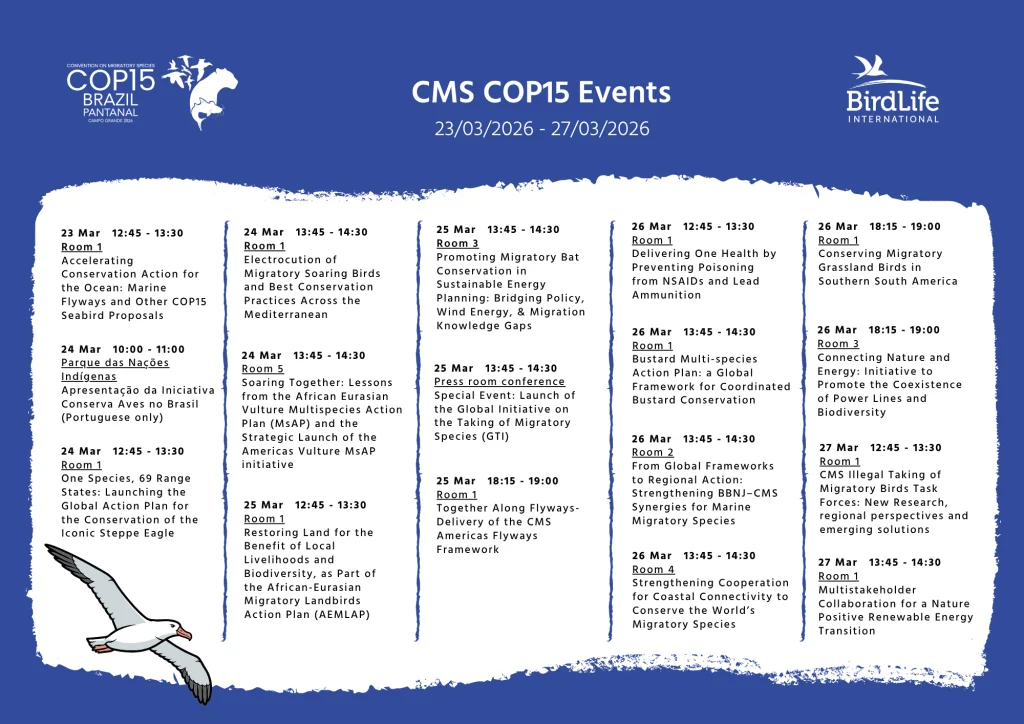
In March 2026, governments from around the world will gather in Campo Grande, Brazil, for the 15th Conference of the Parties (COP15) to the Convention on Migratory Species (CMS), a pivotal global summit scheduled from March 23 to 29, preceded by a series of crucial preparatory meetings and events. This assembly arrives at a critical juncture for global biodiversity, as the planet faces an unprecedented crisis of species extinction and ecosystem degradation, with migratory species serving as stark indicators of the health of our shared environment.
The Urgency of CMS COP15: A Defining Moment for Nature
Migratory species, from the vast oceanic journeys of seabirds to the intercontinental flights of raptors, embody the interconnectedness of nature across political boundaries. Their survival is intrinsically linked to robust, coordinated international action. However, a recent interim report, "The State of the World’s Migratory Species," published ahead of this conference, delivered a sobering assessment: nearly half of the migratory species populations protected under CMS are now in decline. Specifically, 44% of CMS-listed species are experiencing population decreases, a stark figure that underscores the urgent need for enhanced conservation efforts. This alarming trend is attributed to a myriad of human-induced pressures, including habitat loss and fragmentation, unsustainable hunting and fishing, pollution, climate change, and the proliferation of invasive alien species. The report highlights that migratory fish species are particularly vulnerable, with 90% of those assessed facing decline, and many critically endangered.
With only five years remaining until the 2030 deadline to achieve the ambitious targets set by the Kunming-Montreal Global Biodiversity Framework (KMGBF), CMS COP15 represents a vital opportunity to translate high-level global commitments into concrete, actionable conservation measures. As the sole global treaty dedicated specifically to migratory species, CMS plays an indispensable role in assisting governments to integrate biodiversity goals into national policies and to implement targeted actions for the protection of species, their habitats, and the crucial ecological corridors that enable their epic journeys. The framework’s overarching goal to halt and reverse biodiversity loss by 2030, encapsulated in targets like conserving 30% of land and sea areas (the "30×30" target), directly aligns with CMS’s mandate to protect species that often traverse vast, interconnected landscapes and seascapes.
Brazil as Host: A Biodiversity Hotspot at the Forefront
The choice of Campo Grande, the capital of Mato Grosso do Sul, Brazil, as the host city for COP15, carries significant symbolic and practical weight. Brazil is one of the world’s most biodiverse nations, home to the Amazon rainforest, the Atlantic Forest, and the Pantanal wetlands – the largest tropical wetland in the world. These ecosystems are vital habitats and flyways for countless migratory species, including many birds, mammals, and fish. The Pantanal, in particular, is a critical stopover and breeding ground for numerous migratory birds traveling along the South American flyways. Hosting the conference in such a biologically rich region not only spotlights Brazil’s immense natural heritage but also places the discussions firmly within a landscape where the challenges and successes of conservation are acutely felt. It provides a backdrop that emphasizes the tangible impacts of global decisions on local ecosystems and communities.
Key Agenda Items and Priorities for Action

The forthcoming COP15 agenda is packed with critical discussions aimed at addressing the most urgent threats to migratory species, particularly birds. Conservation organizations, including the "we" represented in the original article (understood to be BirdLife International and its global partnership), will focus on a set of priorities derived from their extensive experience with CMS processes and their comprehensive Global Flyways Programme.
A central objective is the anticipated adoption of a new resolution specifically targeting seabirds and marine flyways. Seabirds, a group that includes species like albatrosses, petrels, and shearwaters, are among the most threatened avian groups globally. They face an array of escalating pressures, including entanglement and mortality from fishing gear (bycatch), pervasive plastic and chemical pollution, the increasingly severe impacts of climate change on their foraging grounds and breeding colonies, and habitat degradation at their nesting sites. This proposed new framework aims to establish and strengthen coordinated conservation efforts across the world’s marine flyways, thereby filling a critical gap in current CMS endeavors. It seeks to support enhanced action for species that spend the majority of their lives traversing the high seas, often beyond national jurisdictions, making international cooperation absolutely essential.
Complementing this, governments will deliberate on proposals to elevate the legal protection status of several highly threatened seabird species by listing them on the CMS Appendices. These include multiple species of gadfly petrels (such as the Juan Fernández Petrel and the Stejneger’s Petrel), known for their pelagic lifestyles and vulnerability to introduced predators on their breeding islands, and the Flesh-footed Shearwater (Ardenna carneipes), which faces significant threats from plastic ingestion and bycatch. Should these listings be adopted, they would provide a robust foundation for intensified international cooperation, resource mobilization, and the implementation of targeted conservation measures across their vast migratory ranges.
Flyway conservation, encompassing the entire migratory routes of species, will also be a major thematic focus. Pre-COP discussions are instrumental in shaping the future trajectory of the CMS Americas Flyways Framework. This initiative is designed to foster stronger coordination among countries situated along these vital migratory corridors, laying the groundwork for more effective long-term governance and implementation of conservation strategies. The success of such frameworks depends on the ability of diverse nations to harmonize their policies and pool resources to protect shared migratory populations.
Raptors, another group confronting significant pressures from habitat loss, poisoning, and illegal killing, will feature prominently on the agenda. Delegates will advocate for measures to strengthen their conservation, including progress towards a multi-species action plan for vultures in the Americas, which are facing severe population declines across continents. The adoption of a new action plan for the Steppe Eagle (Aquila nipalensis), a long-distance migrant whose populations have plummeted due to electrocution, poisoning, and habitat loss, is also a key proposal. Furthermore, the listing of the iconic Snowy Owl (Bubo scandiacus) on the CMS Appendices will be considered, recognizing its vulnerability to climate change impacts on its Arctic breeding grounds and prey availability. Efforts to expand the concept of Internationally Important Raptor Areas (IIRAs) to a global scale aim to identify and protect critical sites for these apex predators worldwide.
Collectively, these priorities reflect a broader strategic goal: to ensure that CMS provides governments and other stakeholders with clear, practical, and implementable tools necessary to conserve migratory species and meet their obligations under global biodiversity commitments.
The Power of Partnership: A Unified Voice for Conservation
The presence of a strong global partnership at COP15, exemplified by BirdLife International’s delegation of approximately 40 representatives from across the world, including national partners working directly with government delegations, underscores the collaborative nature of effective conservation. This collective will actively participate in negotiations, contributing to discussions across numerous thematic and cross-cutting issues. With 21 attending partners, the coalition will engage in a wide range of official side events, bilateral meetings with governments, UN bodies, and other stakeholders, ensuring a broad and influential voice for migratory species conservation.

Beyond direct participation, civil society organizations are working closely to forge a strong and unified front. This includes supporting the development of a joint NGO opening statement, a powerful collective declaration outlining civil society’s priorities and concerns. Participation in key pre-COP workshops and task force meetings focused on strengthening flyway conservation further demonstrates this concerted effort to influence outcomes and ensure that the perspectives of conservation practitioners are heard and integrated into policy decisions. This collaborative approach is vital for generating the momentum and political will required for meaningful change.
From Global Commitments to Local Impact: The Grassroots Imperative
While international agreements and high-level resolutions are fundamental, their ultimate success hinges on effective implementation at the local level. Across the BirdLife Partnership, extensive work is already underway to translate global commitments into tangible conservation action on the ground.
A compelling example comes from Uruguay, where BirdLife Partner Aves Uruguay is collaborating closely with government agencies and local communities to protect vital grassland habitats for migratory birds. Through the "Grassland Alliance Initiative" (Alianza del Pastizal), the organization promotes sustainable land use practices among ranchers. This innovative approach combines conservation incentives with livelihood support, demonstrating that economic development and ecological preservation can be mutually reinforcing. Ranchers are encouraged to adopt practices that maintain healthy grasslands, which are crucial for species such as the Buff-breasted Sandpiper and the Strange-tailed Tyrant, while simultaneously improving the productivity and sustainability of their livestock operations.
Crucially, the initiative also prioritizes the inclusion of women and youth, strengthening social resilience and ensuring intergenerational continuity in conservation practices. By empowering these groups, Aves Uruguay is building a more robust and equitable foundation for long-term conservation. This impactful work illustrates how global frameworks like CMS can translate into real, measurable benefits not only for nature but also for the people who depend on and coexist with it. It serves as a powerful model for how internationally agreed targets can drive locally relevant, community-led solutions.
A Decisive Moment for Planetary Health
As governments converge in Brazil, the stakes for migratory species and global biodiversity could not be higher. The accelerating decline of migratory populations, the relentless pressure on ecosystems worldwide, and the rapidly approaching 2030 deadline for global biodiversity targets underscore the urgency of this conference. CMS COP15 offers a critical, perhaps decisive, opportunity to alter the current trajectory of biodiversity loss.
Success at Campo Grande will ultimately be measured not by the carefully negotiated words within conference rooms, but by the tangible recovery of species in the wild and the restoration of their vital habitats. Migratory birds, with their incredible journeys spanning continents and oceans, are more than just symbols of nature’s resilience; they are powerful indicators of the health of our planet and, indeed, of humanity’s collective ability to cooperate and act decisively across borders for a shared future. The outcomes of COP15 will resonate far beyond Brazil, shaping the fate of countless species and the ecological integrity of the world’s most dynamic landscapes and seascapes. The world watches, hoping for commitments that truly turn the tide for nature.