
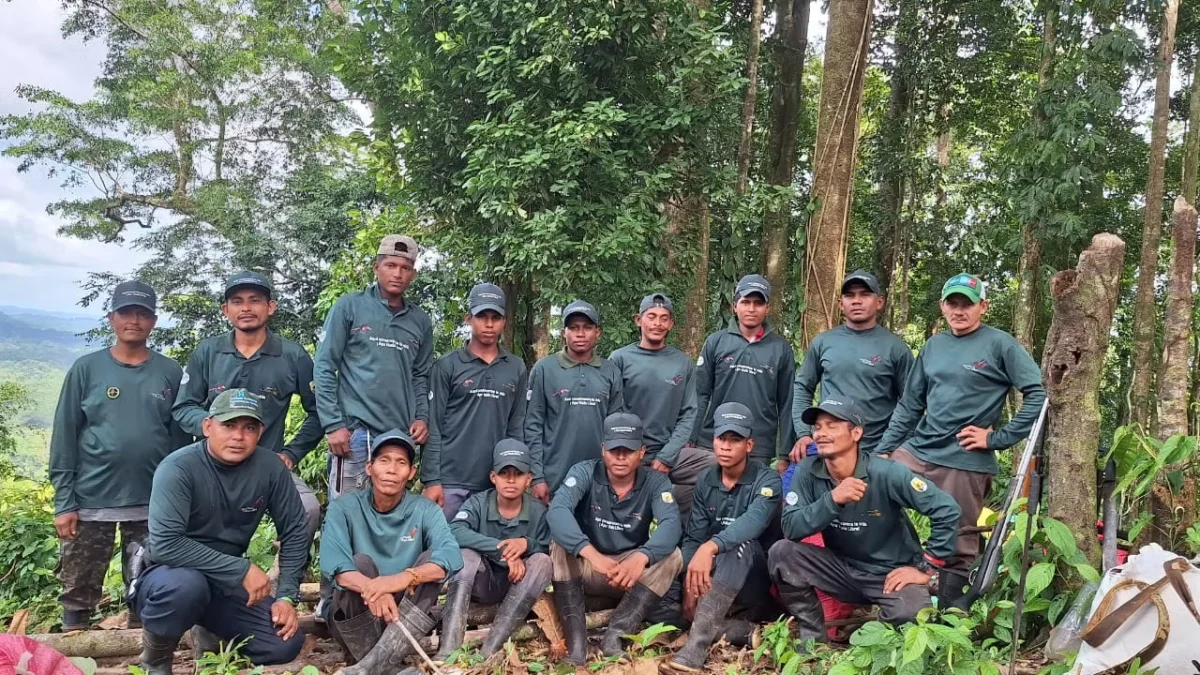
Since 2010, a profound and persistent collaboration has been unfolding in the heart of La Moskitia, Honduras, a region of unparalleled ecological significance. Here, the indigenous inhabitants, alongside the dedicated efforts of One Earth Conservation, have embarked on a critical mission to safeguard their native macaws and the fragile ecosystems that serve as their nesting grounds. While the progress achieved is undeniably commendable, with over 1,000 nests successfully protected from the scourge of poaching and hundreds of birds released back into their natural habitat, a persistent shadow looms. Approximately 20% of these vital nesting sites continue to fall victim to illicit activities, underscoring the ongoing struggle despite the community’s strengthened resolve and increasingly effective protective measures, characterized by constant patrolling and unwavering vigilance.
La Moskitia, a vast expanse of verdant wilderness, holds the distinction of being the second-largest contiguous forest in Mesoamerica, straddling the borders of Honduras and Nicaragua. This sprawling biodiversity hotspot is a crucial sanctuary for an astonishing array of species, including the resplendent scarlet macaw (Ara macao) and the majestic great green macaw (Ara ambiguus). This remote and ecologically rich territory is also home to several distinct indigenous groups, whose traditional knowledge and deep connection to the land are indispensable to conservation efforts. However, La Moskitia, like many of the world’s remaining wild places, grapples with a familiar litany of conservation challenges. These include the relentless encroachment of cattle ranching, the insidious illegal trafficking of both flora and fauna, and the pervasive threat of illegal land grabs, all of which place immense pressure on the delicate balance of this vital ecosystem.
The Unfolding Narrative of Conservation in La Moskitia
The genesis of the partnership between One Earth Conservation and the indigenous communities of La Moskitia can be traced back to 2010. This decade-long commitment has been spearheaded by Dr. LoraKim Joyner, a leading figure at One Earth Conservation, who has dedicated over 15 years to working intimately with the villagers. Her unwavering dedication is exemplified by her planned participation in March and April, where she intends to stand in solidarity with the local guardians by camping beneath the towering trees, providing an additional layer of watchful eyes over the vulnerable birds and their nests during the critical breeding season. However, the scale of the challenge necessitates a broader base of support. The need for increased public awareness and the deployment of additional personnel to bolster patrols, particularly during the birds’ most susceptible periods, remains a pressing concern.
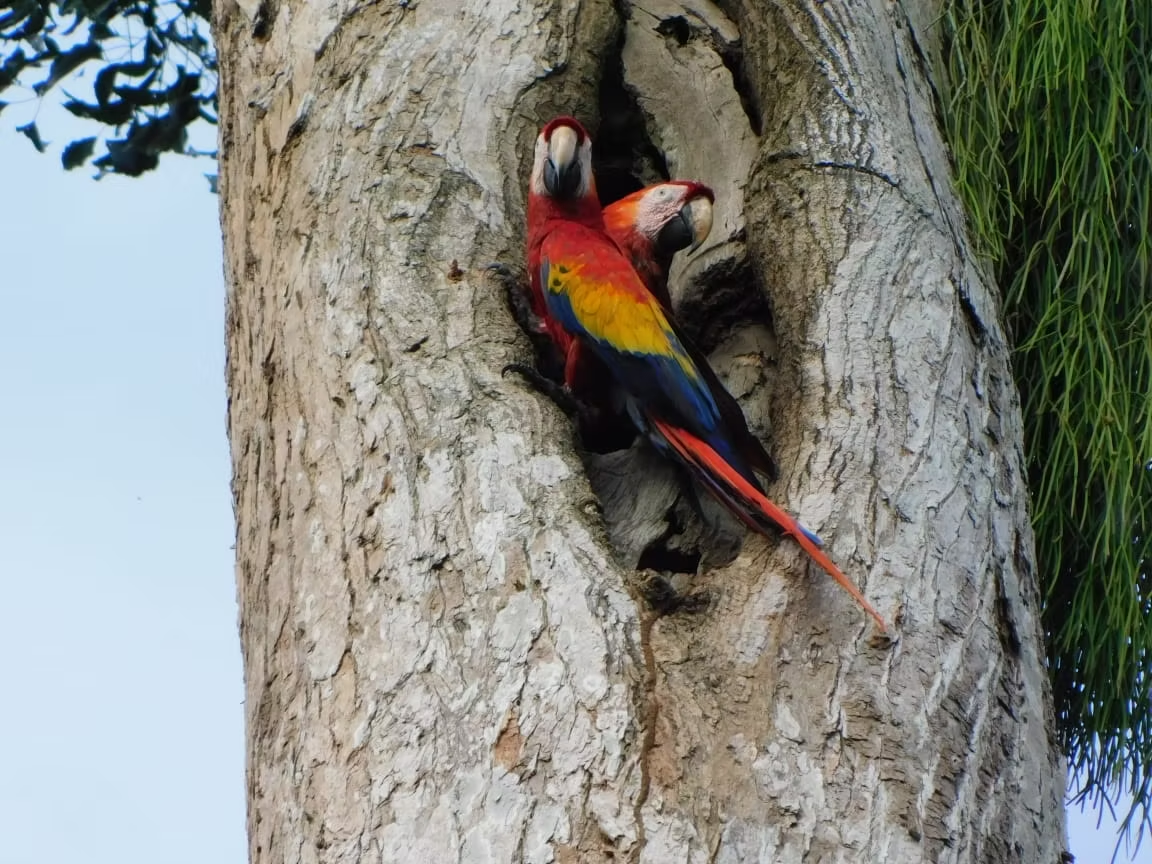
The breeding season, typically spanning from March through August, is a period of heightened vulnerability for the macaws. It is during these months that their nesting sites are most actively sought after by poachers, who aim to exploit the exotic pet trade. Recognizing this critical window, One Earth Conservation and its partners are preparing for a significant awareness campaign scheduled to run from March through August of the current year. This comprehensive initiative aims to shed light on the precarious situation facing the threatened parrots of La Moskitia and galvanize support for their protection. The campaign will feature a multifaceted approach, including public demonstrations designed to draw attention to the issue, the release of regular reports detailing nest activity and bird sightings, and interactive online engagement through Facebook and Zoom meetings. These virtual sessions will offer the public a unique opportunity to connect directly with indigenous conservationists, fostering a deeper understanding of their efforts and the challenges they face. Furthermore, the campaign will delve into the core themes of "Unconditional Solidarity" and "Transformative Conservation," emphasizing the interconnectedness of human efforts and ecological well-being.
A Call to Action: Every Nest, Every Bird, Every Contribution Matters
The success of conservation endeavors in La Moskitia hinges on a collective effort. As Dr. Joyner eloquently states, "Consider taking risks as these people have, because everything is at risk." This sentiment underscores the profound commitment of the local communities who are often on the front lines, facing direct threats from those engaged in illegal activities. One Earth Conservation and the indigenous villagers recognize that they cannot achieve their ambitious conservation goals in isolation. The amplification of their message through social media, particularly concerning the principle of "Unconditional Solidarity," is crucial for building a global network of support. Financial contributions, no matter the size, directly empower these on-the-ground efforts by funding essential resources, including the salaries and equipment for additional patrollers. For those with the capacity and desire to contribute more tangibly, the opportunity to join the conservation team directly in Honduras offers an unparalleled experience and a chance to make a profound, hands-on impact.
To facilitate engagement and support, One Earth Conservation has established a clear pathway for interested individuals. A simple completion of an Interest Form, accessible via a provided link, serves as the first step for those wishing to learn more about how they can contribute, whether through online advocacy or direct participation in person. This streamlined process ensures that potential supporters can easily connect with the organization and understand the various avenues through which they can lend their assistance.
The Broader Implications: Biodiversity, Indigenous Rights, and Sustainable Futures
The plight of the macaws in La Moskitia is emblematic of a global crisis facing biodiversity. The illegal wildlife trade, a multi-billion dollar industry, not only decimates wild populations but also fuels organized crime and undermines national economies. The estimated value of the illegal wildlife trade globally is between $7 to 23 billion annually, according to the UN Environment Programme. The trafficking of parrots, particularly charismatic species like macaws, is a significant component of this illicit market. These birds are often captured from their nests as chicks, a practice that can lead to high mortality rates during capture and transport, and even if they survive, their chances of thriving in captivity are often diminished compared to their wild counterparts.
The conservation efforts in La Moskitia are intrinsically linked to the rights and well-being of the indigenous communities who call this region home. For generations, these communities have lived in harmony with the natural environment, developing a deep understanding of its intricate workings. Their traditional knowledge systems are invaluable for effective conservation strategies. However, these communities often face marginalization and are disproportionately affected by environmental degradation and the impacts of illegal activities. Supporting their conservation efforts is not only an act of ecological preservation but also an act of solidarity with indigenous peoples and a recognition of their inherent rights to their ancestral lands and resources.
Furthermore, the health of the La Moskitia rainforest has broader implications for regional and global climate stability. Large, intact forests like La Moskitia act as vital carbon sinks, absorbing significant amounts of atmospheric carbon dioxide and playing a crucial role in regulating regional weather patterns. The deforestation and degradation driven by illegal activities not only threaten biodiversity but also contribute to climate change. Therefore, the success of conservation initiatives in this region has far-reaching benefits that extend beyond the protection of macaws.
A Look Back: A Decade of Dedicated Partnership
The journey of conservation in La Moskitia since 2010 has been one of resilience and adaptation. Initial efforts likely focused on establishing trust and understanding with the local communities, identifying key nesting areas, and implementing basic monitoring protocols. As the partnership deepened, so did the sophistication of the conservation strategies. The establishment of trained "Parrot Rangers" from within the indigenous communities represents a significant milestone. These rangers, equipped with knowledge and resources, are the eyes and ears on the ground, dedicating their time and effort to safeguarding the macaws. The transition from reactive measures to proactive protection, characterized by constant patrols and community-led vigilance, signifies a maturation of the conservation model.
The ongoing struggle against poaching, however, highlights the persistent demand for these birds in the illegal pet trade and the formidable challenges posed by organized criminal networks involved in trafficking. The fact that around 20% of nests remain vulnerable suggests a continuous need for increased resources, advanced surveillance techniques, and robust legal enforcement mechanisms. The recurring need for additional patrollers during critical breeding seasons indicates a cyclical demand that requires sustained funding and human resources.
The Path Forward: Sustaining Momentum and Fostering Transformative Change
The current campaign, running from March through August, represents a critical juncture. The emphasis on public demonstrations, regular reporting, and online engagement aims to broaden the base of awareness and support beyond the immediate conservation circles. The focus on "Unconditional Solidarity" suggests a commitment to standing with the indigenous communities without reservation, recognizing their leadership and their inherent right to protect their heritage. "Transformative Conservation" implies a deeper engagement with the underlying socio-economic and political factors that drive environmental degradation, aiming for systemic change rather than superficial solutions.
The commitment of Lafeber to contribute to the funding of additional patrollers for the current breeding season is a tangible example of how external support can directly impact conservation outcomes. This financial assistance enables the deployment of more personnel during the most vulnerable periods, enhancing the effectiveness of existing protection efforts and potentially deterring poachers. Dr. Joyner’s powerful quote, "Consider taking risks as these people have, because everything is at risk," serves as a poignant reminder of the stakes involved and an impassioned plea for global participation in this vital conservation mission. The future of La Moskitia’s magnificent macaws, and indeed the ecological integrity of this critical Mesoamerican rainforest, depends on the continued strength of this alliance and the willingness of individuals and organizations worldwide to contribute to its success.
The call to action is clear: to spread the word, to donate, and for those able, to join the effort directly. The online interest form serves as a gateway for individuals to translate their concern into meaningful action, reinforcing the message that in the fight for conservation, every voice, every contribution, and every individual willing to stand in solidarity can make a profound difference in protecting these irreplaceable natural treasures for generations to come.