
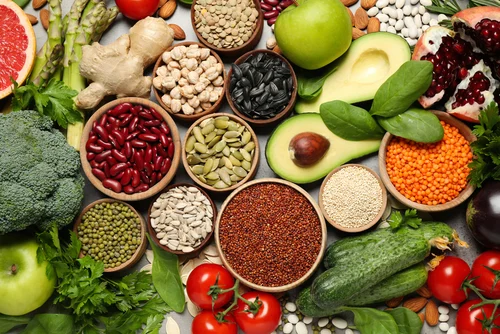
The global resurgence of backyard poultry keeping has transformed residential gardens into mini-ecosystems where chickens serve as both pets and functional livestock. While these birds are celebrated as opportunistic omnivores capable of converting kitchen scraps into nutrient-dense eggs, a growing body of veterinary evidence suggests that the "garbage disposal" approach to feeding can lead to severe health complications. Poultry experts and avian veterinarians emphasize that while chickens possess a hardy digestive system, certain common household foods contain phytochemicals, alkaloids, and glycosides that range from mildly irritating to rapidly fatal. Understanding the distinction between healthy dietary supplements and "toxic treats" is essential for maintaining flock longevity and egg quality.

The Omnivore Misconception and the Biology of Avian Digestion
Chickens are naturally inclined to forage, consuming a diverse diet of seeds, greens, insects, and occasionally small vertebrates. This dietary flexibility often leads owners to believe that any human food is safe for consumption. However, the avian metabolic rate is significantly higher than that of mammals, and their ability to process certain toxins is limited. The Merck Veterinary Manual and various agricultural extension services, such as the Maine Extension Service, have identified specific dietary hazards that can cause systemic failure in poultry.

Toxicity in chickens is rarely a binary state; it is often dose-dependent and influenced by the age, weight, and general health of the bird. Younger chicks, with their developing immune systems and smaller body mass, are particularly vulnerable to chemical imbalances. Furthermore, many toxins found in common foods are cumulative, meaning they build up in the bird’s tissues over time, eventually leading to chronic organ failure or a sudden "unexplained" death.

Critical Toxins: Foods That Pose an Immediate Threat
The most dangerous category of foods includes those containing specific chemical compounds that the avian body cannot neutralize. These should be strictly excluded from the chicken run to prevent acute poisoning.

The Danger of Persin in Avocados
Avocados contain a fungicidal toxin called persin. While relatively harmless to humans, persin is highly toxic to many domestic animals, including poultry. The toxin is concentrated most heavily in the pit and the skin, but it is also present in the flesh and the leaves of the avocado tree. According to veterinary data, the ingestion of even small amounts of avocado can lead to myocardial necrosis—the death of heart muscle cells. Symptoms of persin poisoning include an increased heart rate, labored breathing, and extreme lethargy. In many cases, a bird that consumes a significant amount of avocado can succumb to heart failure within 48 hours.

Solanine and the Nightshade Family
The nightshade family (Solanaceae) includes common garden staples such as potatoes, tomatoes, eggplants, and peppers. These plants produce an alkaloid called solanine as a natural defense against herbivores. In white potatoes, solanine is found throughout the plant but is most concentrated in the green skin, the "eyes," and the sprouts. Unlike some other toxins, solanine is not easily neutralized by boiling.
.jpg)
Ingestion of solanine destroys red blood cells and can cause severe gastrointestinal distress, diarrhea, and heart failure. While ripe tomatoes and peppers contain negligible amounts of solanine and are generally considered safe in moderation, the green parts of the plants—including the stems and leaves—should never be fed to chickens.

Cyanogenic Glycosides in Fruit Pits and Seeds
Many popular stone fruits, such as cherries, peaches, plums, and apricots, as well as apples and pears, contain seeds or pits that harbor cyanogenic glycosides. When these seeds are crushed or digested, they release hydrogen cyanide. Cyanide is a potent respiratory inhibitor that prevents cells from utilizing oxygen. While a chicken would need to consume a large volume of apple seeds to reach a lethal dose, the cumulative effect can cause respiratory distress, a bluish tint to the comb (indicating hypoxia), and sudden cardiac arrest. It is standard practice among experienced keepers to core apples and pit stone fruits before offering them to the flock.

Phytohaemagglutinin in Raw Beans
Raw or undercooked dried beans, particularly red kidney beans, contain high levels of a lectin known as phytohaemagglutinin. This compound is a natural insecticide that is highly toxic to birds and humans alike. Consuming as few as three or four raw beans can cause rapid death in a healthy adult chicken. The toxin causes severe hemagglutination (clumping of red blood cells) and extreme digestive upset. To make dried beans safe, they must be soaked for several hours and then boiled at high temperatures to denature the lectins. Conversely, sprouted legumes like peas and lentils are generally safe, as the sprouting process reduces the concentration of these harmful compounds.

Metabolic Disruptors: Stimulants and Household Staples
In addition to naturally occurring plant toxins, many processed human foods contain substances that disrupt the avian nervous and cardiovascular systems.

Methylxanthines: Caffeine and Chocolate
Chocolate and caffeinated beverages contain theobromine and caffeine, both of which belong to the methylxanthine chemical group. Chickens are far more sensitive to these stimulants than humans. Even small quantities can trigger cardiac arrhythmias, seizures, and hyperactivity followed by sudden death. Furthermore, chocolate is high in fats and sugars that can lead to obesity and liver issues in poultry. Owners are cautioned to ensure that compost piles containing coffee grounds or tea bags are inaccessible to foraging birds.

Alliums and Hemolytic Anemia
Onions, leeks, and chives contain thiosulphate, a compound that can cause hemolytic anemia in chickens by destroying red blood cells. While occasional, minute amounts of cooked onion in kitchen scraps may not be immediately fatal, regular consumption can lead to jaundice and weakness. Interestingly, garlic—though also an allium—contains significantly lower levels of thiosulphate and is often used in small quantities as a natural health supplement for its antimicrobial properties. However, even garlic should be administered with caution and based on expert recommendations.

Alcohol and High-Sodium Foods
Alcoholic beverages and fermented foods with high ethanol content should never be offered to poultry. Alcohol is a central nervous system depressant that can cause rapid intoxication, respiratory failure, and death in small animals. Similarly, highly salted "junk foods" like crackers, chips, and fast food can lead to salt poisoning. Chickens have a limited capacity to excrete excess salt; overconsumption leads to extreme thirst, kidney damage, and electrolyte imbalances that can be fatal.

Restricted Foods: Nutritional Interference and Egg Quality
Some foods are not "toxic" in the traditional sense but can interfere with the bird’s nutritional uptake or negatively impact the quality of the eggs produced.

Calcium Absorption and Oxalic Acid
Spinach, rhubarb, and beet greens are high in oxalic acid. While these greens are nutrient-dense, oxalic acid binds with calcium to form oxalates, making the calcium unavailable for the bird to use. Because laying hens require significant calcium for eggshell formation, a diet high in oxalates can result in soft-shelled eggs and bone density loss (osteoporosis) in the birds. Rhubarb leaves are particularly dangerous as they contain extremely high concentrations of oxalic acid and other unidentified toxins that can cause kidney failure.

Organoleptic Impact: The "Tainted Egg" Phenomenon
Certain pungent foods can alter the flavor profile of the eggs. Asparagus and excessive amounts of onions or fish meal are known to "taint" eggs, giving them an off-putting taste or odor. While this does not harm the chicken, it renders the primary product of backyard keeping less desirable for human consumption.

Nutritional Vacuity: Iceberg Lettuce and White Grains
Iceberg lettuce, white rice, pasta, and white bread are often used as "filler" treats. While not toxic, they offer very little nutritional value. Iceberg lettuce, in particular, has a high water content that can cause diarrhea if fed in large quantities. Experts recommend replacing these with nutrient-dense alternatives like kale, swiss chard, or whole grains (brown rice and oats) to ensure the flock receives adequate vitamins and minerals.

Environmental Hazards and Feed Management
The safety of a chicken’s diet is also dictated by the condition of the food and the environment in which it is consumed.

Mycotoxins and Moldy Food
It is a common mistake to feed moldy bread or spoiled produce to chickens. Mold produces mycotoxins, such as aflatoxin, which are highly carcinogenic and can cause acute liver damage or "mushy chick disease." While wilted or overripe produce is perfectly safe, anything with visible mold growth should be discarded or composted in a secure bin.

Chemical Contaminants
Lawn treatments, including pesticides, herbicides, and synthetic fertilizers, pose a significant risk to foraging flocks. Chickens ingest these chemicals both through the plants they eat and the insects they consume. Chronic exposure to lawn chemicals has been linked to reproductive issues and weakened immune systems in poultry. A "chicken-safe" yard should ideally be managed using organic methods.

Broader Impact and Best Practices for Flock Management
The nutritional health of a backyard flock directly influences the safety and quality of the food supply for the household. Malnourished or poisoned birds produce fewer eggs, and those eggs may contain traces of environmental toxins. To optimize flock health, poultry experts recommend the "10% Rule": treats and kitchen scraps should never exceed 10% of a chicken’s total daily caloric intake. The remaining 90% should consist of a high-quality, nutritionally balanced commercial poultry feed.

In conclusion, while the ability of chickens to recycle food waste is a boon for sustainable living, it requires a disciplined approach. By eliminating high-risk foods like avocados, raw beans, and nightshade greens, and by moderating the intake of "restricted" treats, keepers can ensure their birds remain productive and healthy. The transition from seeing chickens as "garbage disposals" to seeing them as high-performance livestock is the first step toward successful and ethical backyard poultry management. Foraging should be encouraged, but it must be conducted within a "poison-proofed" environment to safeguard the well-being of the flock.