
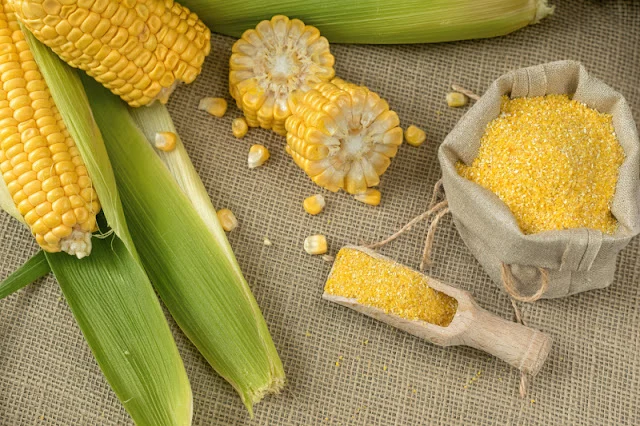
The debate surrounding the inclusion of corn in the diet of backyard poultry has intensified in recent years, as a growing number of hobbyists and small-scale farmers seek to optimize the health and productivity of their flocks. While corn has long been a staple of agricultural feed, a specific controversy has emerged regarding its suitability during the summer months. Many poultry keepers have been cautioned against feeding corn to chickens during periods of high heat, based on the theory that the energy required to digest the grain significantly raises the birds’ internal body temperature, potentially leading to heat exhaustion or death. However, a nuanced examination of avian physiology, nutritional science, and seasonal management reveals that corn remains a versatile and beneficial component of a chicken’s diet when administered with an understanding of its various forms and metabolic effects.
The Nutritional Composition of Corn in Avian Diets
To understand the role of corn in poultry management, it is essential to first analyze its nutritional profile. Corn is primarily classified as an energy feed, comprised largely of complex carbohydrates in the form of starch. While it is often criticized for being "low in protein" compared to specialized layer rations—which typically contain 16% to 18% protein—corn provides essential micronutrients that support overall health.

Corn contains significant levels of antioxidants, specifically carotenoids like lutein and zeaxanthin, which are responsible for the deep yellow pigment in egg yolks and the yellow skin and shanks of certain chicken breeds. Furthermore, corn is a source of essential vitamins and minerals, including Vitamin B6, Vitamin C, folate, magnesium, niacin, phosphorus, and potassium. The fiber content in corn aids in digestive regularity, while its high carbohydrate density provides the sustained energy necessary for the high metabolic demands of egg production and thermoregulation.
The Thermodynamics of Avian Digestion
The central concern regarding summer feeding is the "heat increment of feeding" (HIF). This biological process refers to the heat produced by the body during the digestion, absorption, and metabolism of food. In chickens, the digestion of whole or cracked grains is a labor-intensive process for the digestive tract.
When a chicken consumes dried corn, the grain first enters the crop, where it is softened by moisture. It then moves to the gizzard, a muscular organ that uses grit to grind the hard grain into a digestible paste. This mechanical action, followed by enzymatic breakdown in the intestines, generates metabolic heat. During the winter, this internal heat source is a critical survival mechanism. By consuming scratch grains—which are often predominantly corn—before dusk, chickens can maintain their core body temperature throughout freezing nights as their bodies process the energy-dense kernels.

In the context of a summer heatwave, however, the addition of metabolic heat to an already stressed bird can be problematic. When ambient temperatures exceed 85 degrees Fahrenheit (29 degrees Celsius), chickens struggle to dissipate heat, as they lack sweat glands and must rely on panting (evaporative cooling) and spreading their wings. While a small amount of corn is unlikely to be fatal, agricultural experts generally recommend shifting toward more hydrating, less metabolically taxing treats during peak summer temperatures.
Seasonal Feeding Chronology and Strategy
A professional approach to flock management involves a shifting feeding schedule that mirrors the environmental challenges of the seasons.
The Winter Phase: Sustenance and Warmth
During the late autumn and winter months, the caloric requirements of poultry increase as they expend energy to stay warm. Dried corn, whether whole or cracked, serves as an ideal supplement during this period. It is best utilized as a "bedtime snack." By offering corn in the late afternoon, keepers ensure that the birds’ gizzards are active during the coldest hours of the night, providing a steady internal heat source. During this phase, corn helps maintain the fat stores necessary for insulation and continued health during the molting season.

The Spring Phase: Transition and Energy
As temperatures rise and hens return to peak egg-laying cycles, corn provides the energy needed to fuel reproductive systems. However, as the grass begins to grow, keepers often reduce the ratio of dried corn in favor of allowing birds to forage for protein-rich insects and nutrient-dense greens.
The Summer Phase: Hydration and Freshness
The summer months require a departure from dried, hard grains. Instead, the focus shifts to "fresh corn." Fresh sweet corn, whether served on the cob or as loose kernels, has a significantly higher moisture content than its dried counterpart. This moisture aids in hydration, which is the primary defense against heat stress. Frozen corn kernels are also frequently used by poultry keepers as a cooling treat, providing both nutrition and a method to lower the birds’ internal temperature.
The Autumn Phase: Preparation
As the days shorten, poultry begin the process of molting—shedding old feathers and growing new ones. This process is protein-intensive. While corn is necessary for energy, it must be balanced with high-protein supplements (such as black oil sunflower seeds or mealworms) to ensure the birds have the building blocks required for feather regeneration.

Utilizing the Entire Plant: Husks, Silks, and Cobs
A significant but often overlooked aspect of corn as a poultry treat is the utility of the plant’s byproducts. Journalistic observation of sustainable farming practices shows that the "waste" from human corn consumption—husks and silks—offers distinct medicinal and nutritional benefits for chickens and ducks.
Corn silk, the long thread-like fibers found under the husk, is rich in Vitamin K. This vitamin is essential for proper blood clotting and bone health. Furthermore, corn silk acts as a mild diuretic and contains anti-inflammatory properties that can support kidney health in poultry. Ducks, in particular, are known to find corn silk highly palatable.
The husks, while fibrous, provide environmental enrichment. Tossing whole corn husks into a coop encourages natural foraging behavior, as chickens peck at the remains of the kernels and shred the leaves. This activity reduces boredom-induced aggression within the flock. Similarly, spent corn cobs—those with the kernels already removed—are frequently given to flocks. Chickens will spend hours picking at the "heart" of the cob, obtaining trace nutrients and fiber.

Risks of Overconsumption: Obesity and Metabolic Disorders
Despite its benefits, corn is often referred to by veterinarians as "chicken candy" due to its high sugar and starch content. The primary risk of an all-corn or corn-heavy diet is avian obesity.
Obese chickens are prone to a variety of health issues, the most serious being Fatty Liver Hemorrhagic Syndrome (FLHS). This condition occurs when the liver accumulates excessive fat, making it friable and prone to rupture, which often results in sudden death. Additionally, overweight hens are more likely to suffer from prolapsed oviducts or become "egg bound," a life-threatening condition where an egg becomes stuck in the reproductive tract.
Data from poultry science studies suggest that supplemental treats, including corn, should not exceed 10% of a chicken’s total daily caloric intake. The remaining 90% should consist of a balanced commercial feed formulated to meet the specific life-stage requirements of the bird.

Broader Implications for the Backyard Poultry Industry
The rise of the backyard chicken movement—spurred by global supply chain instabilities and a growing interest in food sovereignty—has led to a surge in demand for clear, evidence-based husbandry guidelines. The "corn controversy" highlights a broader trend in the industry: the move away from "one-size-fits-all" feeding to a more nuanced, "bioregional" approach.
In regions with mild summers and harsh winters, corn remains an undisputed hero of the poultry yard. In tropical or arid climates, its use must be more strictly regulated. This distinction is vital for the economic viability of small-scale egg production. Over-reliance on expensive, imported grains when local, seasonal corn is available can hurt a small farmer’s bottom line; conversely, the loss of a flock to heat stress due to improper feeding is a significant financial blow.
Conclusion
The consensus among poultry experts and experienced keepers is that corn is neither a "superfood" nor a "poison," but rather a tool that must be used with seasonal awareness. Dried corn serves as a vital fuel for thermoregulation in the winter, while fresh corn offers hydration and enrichment during the summer. By prioritizing moderation and recognizing the different physiological impacts of dried versus fresh grains, poultry keepers can leverage this ancient crop to maintain a healthy, productive, and resilient flock throughout the year. As the backyard farming sector continues to mature, such nuanced understandings of avian nutrition will be essential in ensuring the welfare of the millions of birds now residing in residential settings.