
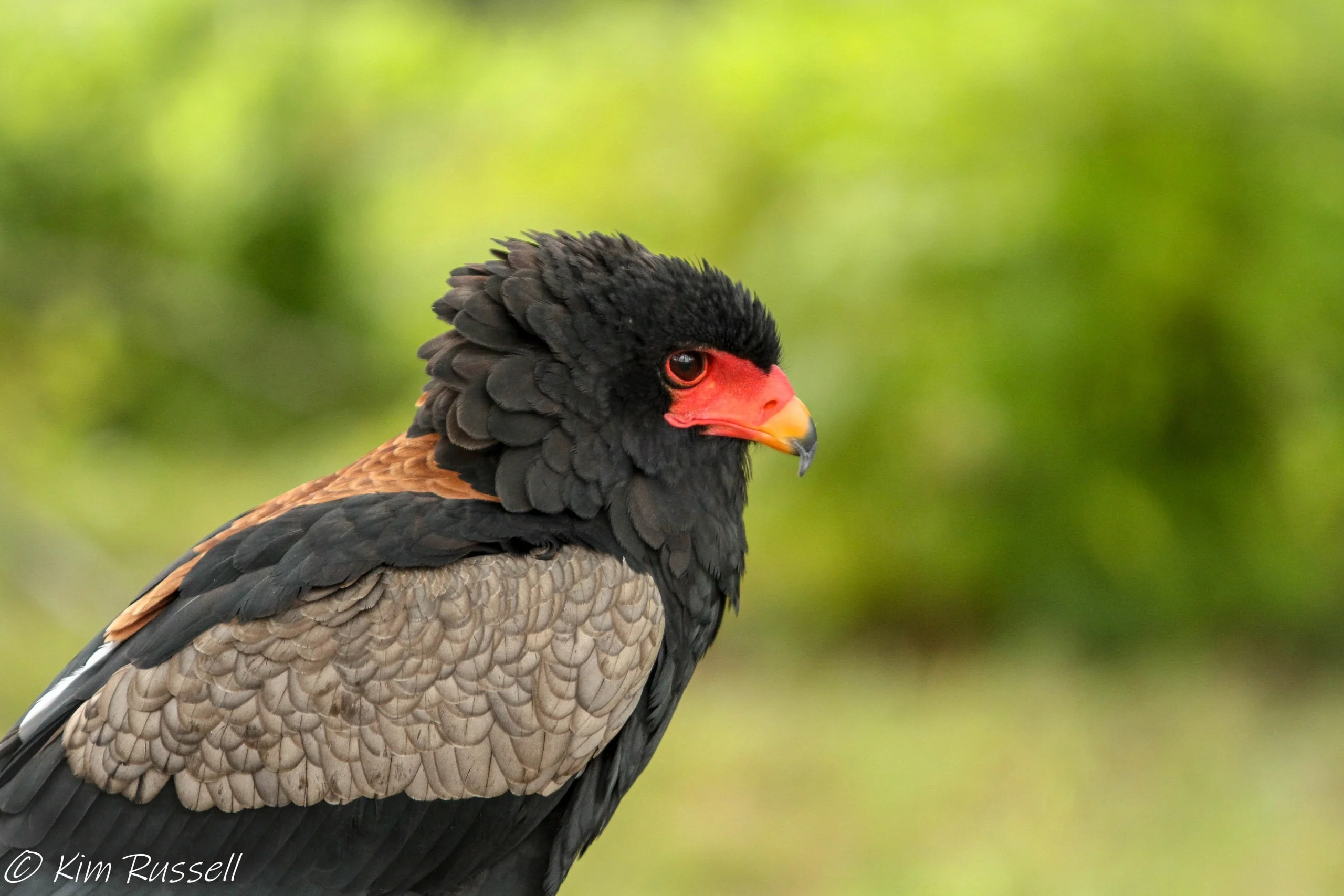
The groundbreaking work of Waha Thuweeka, also known as William "Two-Raven" Voelker, a proud member of the Ohnononuh band of the Comanche People, is reshaping the intersection of Indigenous knowledge and ornithological science. For over four decades, Voelker, the son of a full-blood Comanche mother and a raptor research father, has dedicated his life to a holistic approach that merges ethnology and ornithology, with a profound commitment to the preservation of the eagle across history, science, and spirit. His pioneering efforts have established him as a pivotal figure in conservation and cultural heritage, particularly through the establishment of Sia: The Comanche Nation Ethno-Ornithological Initiative.
A Legacy Forged in Nature and Culture
Voelker’s unique lineage provided him with an unparalleled perspective on the natural world and the deep cultural connections Indigenous peoples hold with it. This dual heritage has fueled his lifelong pursuit of integrating traditional ecological knowledge with modern scientific methodologies. His early immersion in raptor research, combined with his inherent understanding of Comanche heritage, laid the foundation for his innovative work. This fusion of disciplines is not merely academic; it is a vital mechanism for safeguarding both avian populations and the cultural legacies intricately linked to them.
His early achievements in raptor conservation were groundbreaking. Voelker holds the distinction of being the first Native American to obtain U.S. Fish & Wildlife Service permits for the care and breeding of Bald and Golden Eagles in captivity. This authorization alone marked a significant shift, recognizing the capacity of Indigenous communities to actively participate in and lead conservation efforts for species of immense cultural and ecological importance. Furthermore, his success in propagating both Bald and Golden Eagles through artificial insemination is an unparalleled feat in North America. This scientific achievement not only contributed to the captive breeding programs for these iconic species but also demonstrated the potential for advanced scientific techniques to be applied in conjunction with traditional stewardship.
The world’s first Bald Eagle produced through artificial insemination is a testament to Voelker’s innovative spirit and dedication. Since 1974, he has overseen the production of over four hundred native eagles in captivity, with the vast majority being successfully reintroduced into the wild. This impressive number underscores the scale and impact of his conservation initiatives. Beyond these celebrated successes with native species, Voelker’s extensive research encompasses field studies, captive behavioral analysis, and propagation efforts for sixty-eight diverse species of eagles and other raptors, spanning five continents. This global reach highlights the universal importance of raptor conservation and the interconnectedness of ecosystems worldwide. His past service as chairman of the Comanche Nation NAGPRA & Historic Preservation Board of Directors further demonstrates his commitment to protecting and advancing Indigenous cultural heritage and rights.
Sia: Weaving Tradition and Conservation into a Formal Initiative
In 1999, Voelker formally established Sia: The Comanche Nation Ethno-Ornithological Initiative as an official program under the political umbrella of the Comanche Nation. This strategic incorporation solidified his life’s work, providing a robust framework for addressing critical issues at the nexus of Indigenous culture and avian resources. Sia represents a significant step forward in recognizing and authorizing traditional, cultural interactions between Native Peoples and their avian resources, ensuring that these practices are conducted ethically and sustainably.
One of Sia’s most significant and forward-thinking developments is the establishment of The Sia Essential Species Repository. This initiative marks the first tribally administered Native American feather acquisition and dispersal program. It is founded on the principle of "Native Americans meeting the feather needs of Native Americans," a vision realized in partnership with the U.S. Fish & Wildlife Service. This repository offers a legal and ethical pathway for members of federally recognized tribes to acquire and possess feathers from non-eagle migratory birds, all while upholding stringent conservation protocols. The journey to establish this repository was a lengthy one, with the initial proposal submitted to the U.S. Fish & Wildlife Service in 1973, illustrating decades of persistent advocacy and meticulous planning.
A Comprehensive Archive of Avian Knowledge and Comanche History
As the designated historian of bird knowledge for the Numunuh (Comanche People), Sia maintains an extraordinary archive that bridges cultural memory and scientific inquiry. This archive houses material culture dating back over 300 years, providing invaluable insights into the historical relationship between the Comanche and their environment. The facility is state-of-the-art, ensuring the pristine preservation of these irreplaceable artifacts.
Complementing the material culture is a research library boasting over 28,000 volumes, a treasure trove of information for scholars, researchers, and community members alike. The historic photographic archive is equally impressive, featuring more than 4,600 images of the Numunuh dating back to periods before forced captivity. These photographs offer a visual chronicle of Comanche life, traditions, and their connection to the natural world. Furthermore, Sia’s collection includes an extensive archive of over 500,000 pages of unpublished historical documents, including letters, diaries, field notes, and associated materials. This vast collection represents a critical repository of unwritten histories and firsthand accounts, offering a deeply nuanced understanding of Comanche ethnology and ornithology.
Implications and Future Directions
The establishment of Sia: The Comanche Nation Ethno-Ornithological Initiative and its associated programs, particularly the Essential Species Repository, carries profound implications for Indigenous communities, conservation efforts, and scientific research.
Enhanced Cultural Continuity and Spiritual Practices: The repository ensures that Native American religious and cultural practices, which often rely on feathers for regalia, ceremonies, and spiritual objects, can continue without violating federal laws or compromising conservation goals. This addresses a long-standing challenge faced by Indigenous peoples, where legal restrictions on the possession of bird parts could hinder essential cultural expressions.
Empowerment of Indigenous Stewardship: By creating a tribally administered program, Sia empowers the Comanche Nation and other federally recognized tribes to take a leading role in managing and distributing avian resources. This aligns with the principles of self-determination and recognizes the inherent rights of Indigenous peoples to govern matters related to their cultural heritage and natural resources.
Bridging Scientific and Traditional Knowledge: Voelker’s work at the intersection of ethnology and ornithology provides a powerful model for integrating traditional ecological knowledge with Western scientific approaches. This interdisciplinary approach can lead to more comprehensive and effective conservation strategies, recognizing that Indigenous communities often possess invaluable, long-term insights into ecological systems.
Conservation Advancements: The success of Sia’s captive breeding programs and its ongoing research contribute directly to the conservation of endangered and threatened raptor species. The repository’s focus on migratory birds also supports broader efforts to protect avian populations and their habitats.
Legal and Policy Precedents: The long journey of establishing the feather repository highlights the evolving legal and policy landscape surrounding Indigenous rights and wildlife conservation. Sia’s success sets a precedent for other tribes seeking to establish similar programs and for federal agencies to collaborate more effectively with Indigenous communities on conservation matters.
Research Opportunities: The extensive archives maintained by Sia offer unparalleled opportunities for researchers in ornithology, anthropology, history, and Indigenous studies. The collection of historical documents and cultural artifacts can illuminate previously untold stories and provide new perspectives on the human-animal relationship.
The work of Waha Thuweeka and Sia: The Comanche Nation Ethno-Ornithological Initiative represents a vital and evolving contribution to the fields of conservation, cultural preservation, and scientific understanding. It stands as a testament to the enduring wisdom of Indigenous peoples and their crucial role in safeguarding the natural world for future generations. The initiative not only protects avian species but also ensures the continuity of cultural practices and strengthens the sovereign rights of Native American tribes.