
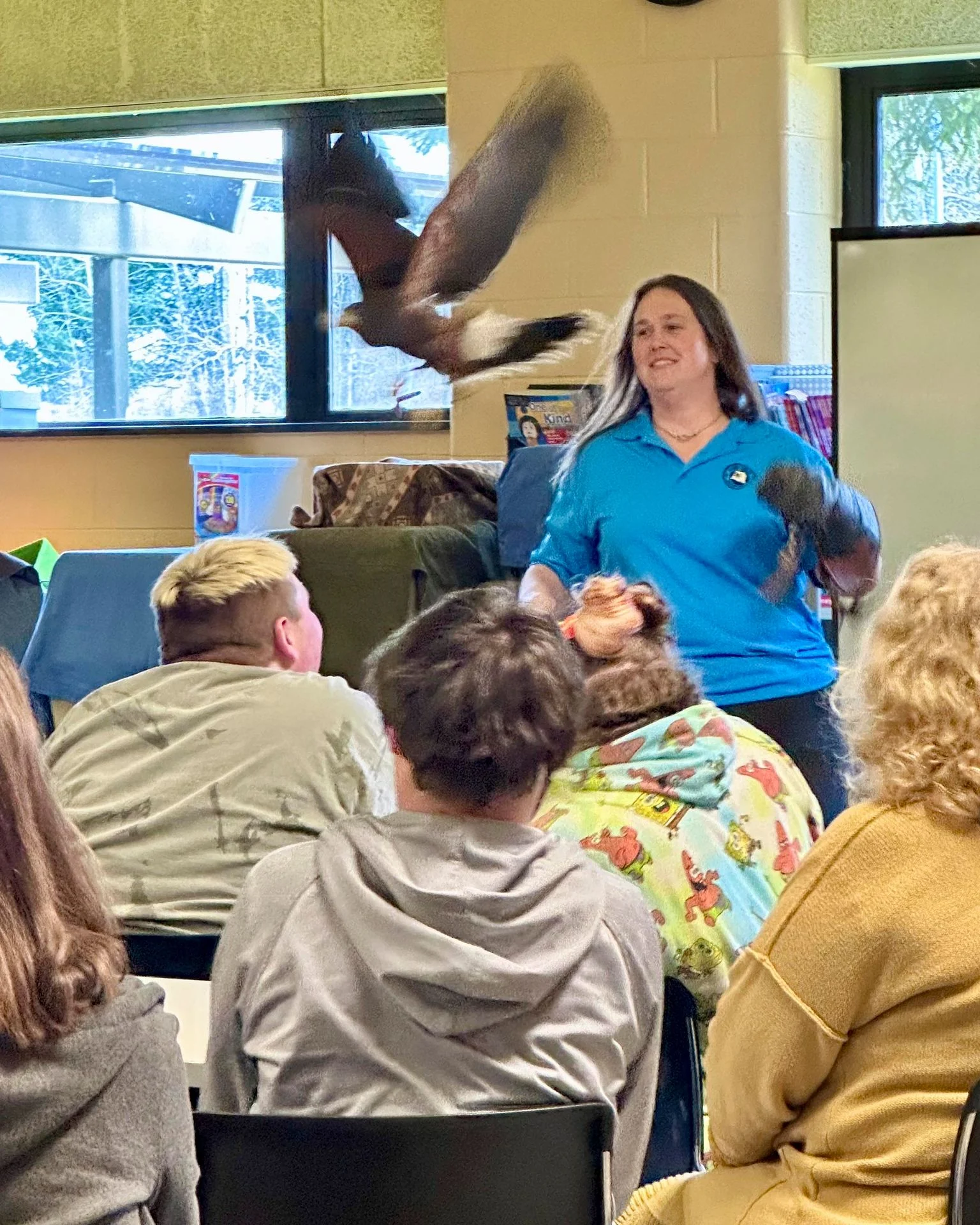
Students at the Hewes Educational Center recently experienced an unforgettable journey into the natural world thanks to an engaging educational program delivered by the Hawk Creek Wildlife Center Inc. This initiative, designed to foster a deeper understanding and appreciation for wildlife, brought a captivating array of animals directly to the students, transforming abstract ecological concepts into tangible, memorable encounters. The visit underscored the vital role of wildlife education in cultivating environmental stewardship among younger generations.
A Day of Discovery and Wonder
The educational program at Hewes Educational Center featured a dynamic presentation by two seasoned wildlife naturalists from Hawk Creek. Their expertise illuminated the intricate lives of a diverse group of animals, including majestic raptors, elusive mammals, and fascinating reptiles. The curriculum was meticulously crafted to go beyond simple observation, delving into the specific natural habitats, unique behaviors, and ecological roles of each species. This approach aimed to equip students with a comprehensive understanding of the interconnectedness of ecosystems.
A particularly exhilarating moment for the students was the awe-inspiring flight of a raptor, which soared directly overhead, offering a breathtaking, real-time demonstration of avian prowess. Such direct interaction with wildlife provides an unparalleled learning experience, igniting curiosity and a sense of wonder that textbooks alone cannot replicate. These immersive encounters are crucial for building a strong foundation of environmental literacy and empathy.
The Mission of Hawk Creek Wildlife Center
Hawk Creek Wildlife Center, a non-profit organization dedicated to fostering compassion, saving species, and restoring ecological balance, has long been at the forefront of wildlife education and rehabilitation. Founded with the mission to connect people with the natural world, the center utilizes a variety of programs, including live animal presentations, to achieve its objectives. Their work extends to rescuing, rehabilitating, and releasing injured or orphaned wildlife, contributing significantly to local conservation efforts.
The educational outreach programs, like the one conducted at Hewes Educational Center, are a cornerstone of Hawk Creek’s commitment. These programs are designed to be accessible and impactful for students of all ages, from elementary school to higher education. By bringing a carefully selected group of ambassador animals – often those that cannot be released back into the wild due to injury or habituation – Hawk Creek provides unique opportunities for students to learn about conservation challenges and solutions firsthand. The center’s logo, prominently displayed on their website, features the motto "Fostering Compassion, Saving Species, Restoring Balance," encapsulating their multifaceted approach to wildlife welfare and education.

Educational Impact and Supporting Data
The educational benefits of such programs are well-documented. Research consistently shows that hands-on, experiential learning, particularly involving live animals, leads to increased knowledge retention, heightened interest in science and nature, and a stronger sense of personal responsibility towards the environment. According to a report by the North American Association for Environmental Education (NAAEE), programs that connect students with nature can lead to improved academic performance, enhanced critical thinking skills, and a greater likelihood of pursuing careers in environmental fields.
The specific curriculum employed by Hawk Creek likely includes modules on topics such as:
- Biodiversity: Illustrating the variety of life and the importance of each species within an ecosystem.
- Adaptations: Explaining how animals have evolved unique traits to survive in their specific environments (e.g., a raptor’s keen eyesight, a mammal’s camouflage, a snake’s thermoregulation).
- Habitat Preservation: Discussing the threats to wildlife habitats, such as deforestation, pollution, and climate change, and the importance of conservation.
- Human Impact: Educating students on how human activities can affect wildlife and what actions can be taken to mitigate negative impacts.
The center’s commitment to education is further evidenced by its online presence, which includes a donation portal, as indicated by the presence of a "donate-icon-1.png" image on their website. This suggests a reliance on public support to fund their extensive rehabilitation and educational activities.
Context and Chronology of Wildlife Education Programs
The tradition of bringing live animals into educational settings has evolved significantly over time. Early forms of zoological education often involved static displays or limited interaction. However, modern wildlife education centers, like Hawk Creek, emphasize dynamic, interactive presentations that prioritize animal welfare and educational impact.
The visit to Hewes Educational Center can be viewed within the broader context of Hawk Creek’s annual outreach schedule. While specific dates for this particular event were not provided in the source material, it is reasonable to infer that such programs are typically planned and executed during the academic year, aligning with school calendars. These visits often involve extensive preparation, including selecting appropriate ambassador animals, developing age-specific lesson plans, and coordinating logistics with the educational institutions.
Potential Reactions and Broader Implications

While direct statements from Hewes Educational Center staff or students were not included, it is highly probable that the visit was met with enthusiasm and positive feedback. Educators continually seek engaging ways to supplement classroom learning, and programs that offer direct, impactful experiences are invaluable.
The broader implications of such educational initiatives are significant:
- Cultivating Future Conservationists: By inspiring a love for nature and an understanding of ecological principles at a young age, these programs help to shape a generation of environmentally conscious citizens and potential conservation leaders.
- Promoting Empathy and Respect for Animals: Direct interaction with wildlife, even through trained professionals, can foster empathy and a deep respect for all living creatures, countering common misconceptions or fears about certain species.
- Highlighting the Importance of Local Wildlife: These programs often focus on native species, raising awareness about the local ecosystems and the conservation challenges faced by wildlife in the students’ own communities.
- Supporting Wildlife Rehabilitation Efforts: By engaging the public, particularly young people, through educational outreach, centers like Hawk Creek can garner support for their vital rehabilitation work, ultimately contributing to the survival of species.
The fact that the article mentions "Share This Story, Choose Your Platform!" indicates a desire by Hawk Creek to amplify the reach of their educational impact, encouraging broader community awareness and engagement with their mission. This social media integration is a common strategy for non-profit organizations to broaden their audience and solicit support.
About the Author: Amanda
The article is attributed to "Amanda," an author associated with Hawk Creek Wildlife Center. While her specific role is not detailed, her contribution suggests an active involvement in documenting and disseminating the center’s outreach activities. The inclusion of an author bio, complete with a gravatar image, is standard practice for many online publications and blogs, providing a personal touch and establishing credibility. Amanda’s writing likely aims to highlight the successes of Hawk Creek’s programs and encourage further participation and support.
Conclusion
The visit by Hawk Creek Wildlife Center to Hewes Educational Center exemplifies the power of experiential learning in fostering environmental awareness and appreciation. By bringing the wonders of the natural world directly to students, these programs not only educate but also inspire a lifelong commitment to conservation. As the center continues its mission to save species and restore balance, such educational endeavors remain a critical component of its success, nurturing the next generation of environmental stewards. The engagement at Hewes Educational Center serves as a testament to Hawk Creek’s dedication to its educational outreach and its belief in the transformative impact of connecting young minds with the wild.