
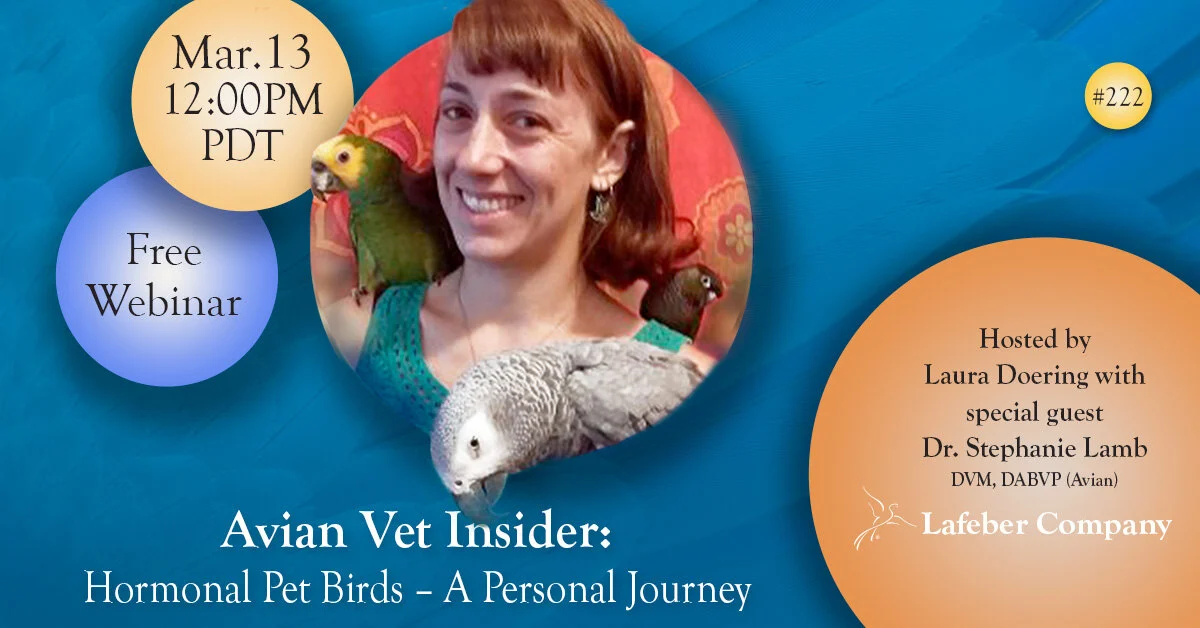
A significant educational event focusing on the complex hormonal behaviors exhibited by pet birds is set to take place on Friday, March 13, 2026. The live, interactive webinar, titled "Hormonal Pet Birds – A Personal Journey," promises an in-depth exploration of a topic that affects a vast majority of parrot owners at some point during their bird’s life. Hosted by Laura Doering, a distinguished figure with extensive experience as the former editor of prominent avian publications such as Bird Talk magazine and Birds USA magazine, the session aims to provide practical insights and expert guidance. The webinar will feature Dr. Stephanie Lamb, DVM, DABVP (Avian Practice), who brings both professional expertise and personal experience to the discussion. The event is scheduled to commence at 12:00 p.m. PDT, with attendees encouraged to utilize a provided time zone converter to confirm their local start time.
Understanding Avian Hormonal Cycles: A Widespread Concern for Pet Owners
Hormonal fluctuations in pet birds are a common and often challenging aspect of avian ownership. These changes can manifest seasonally or appear sporadically, leading to a range of behavioral shifts that can perplex and sometimes distress bird owners. Dr. Lamb’s personal journey with this phenomenon, coupled with her extensive veterinary experience, positions her as a uniquely qualified speaker. The webinar is designed to offer an "insider’s view" into the daily realities encountered at an avian veterinary clinic when dealing with hormonal parrots. This includes a comprehensive look at the behavioral, medical, and management considerations associated with these hormonal periods.
The implications of hormonal behavior extend beyond mere inconvenience. Unmanaged hormonal cycles can contribute to aggression, territoriality, excessive vocalization, feather destructive behaviors, and even reproductive issues such as egg-binding or phantom nesting. For owners, understanding these hormonal drives is crucial for maintaining a harmonious relationship with their pets and ensuring their overall well-being. Dr. Lamb’s presentation aims to demystify these behaviors, offering owners practical strategies for managing them effectively.
The Value of Expert-Led Education in Avian Care
The decision to host such a specialized webinar underscores a growing recognition within the veterinary and pet care communities of the need for accessible, high-quality educational resources for pet owners. Laura Doering’s involvement as host lends considerable credibility to the event. Her tenure at leading avian magazines has provided her with a deep understanding of the concerns and questions that arise within the bird-keeping community. By bringing together Doering’s editorial acumen and Dr. Lamb’s clinical expertise, the webinar is poised to deliver valuable information to a broad audience.
Dr. Stephanie Lamb’s credentials as a Diplomate of the American Board of Veterinary Practitioners in Avian Practice signify a high level of specialization and dedication to avian medicine. This advanced certification indicates a rigorous examination process and a commitment to continuing education in the field of bird health and care. Her personal experiences with hormonal birds, as highlighted in the webinar’s description, suggest a relatable and empathetic approach, which can be particularly beneficial when addressing sensitive topics that may cause owners to feel isolated or overwhelmed.
A Personal Perspective: Bridging the Gap Between Vet and Owner
The emphasis on Dr. Lamb’s "personal journey" is a key element that distinguishes this webinar. It suggests that the content will not be purely clinical or theoretical but will also incorporate anecdotal evidence and practical, lived experiences. This approach can be incredibly effective in making complex veterinary topics more understandable and actionable for the average pet owner. By sharing her own challenges and successes in managing hormonal behaviors, Dr. Lamb can foster a sense of connection and understanding with her audience, validating their experiences and offering hope for successful management strategies.
This personal dimension is crucial because hormonal issues in birds can significantly impact the human-animal bond. Behaviors that were once endearing can become challenging, leading to frustration, guilt, and a feeling of helplessness for owners. Hearing from a veterinarian who has navigated these same waters can provide immense comfort and practical guidance. It allows for a more nuanced understanding of the bird’s perspective and the biological drivers behind their actions, moving beyond simple behavioral modification to address the root causes.
Background and Context of Avian Hormonal Behavior
To fully appreciate the significance of this webinar, it is important to consider the biological underpinnings of hormonal behavior in parrots. Hormones, such as estrogen, progesterone, and testosterone, play a critical role in reproduction, social bonding, and territoriality. In wild parrots, these hormones are typically regulated by seasonal cues like daylight hours, food availability, and social dynamics. However, in a domestic environment, these cues can be disrupted or amplified, leading to prolonged or intensified hormonal periods.
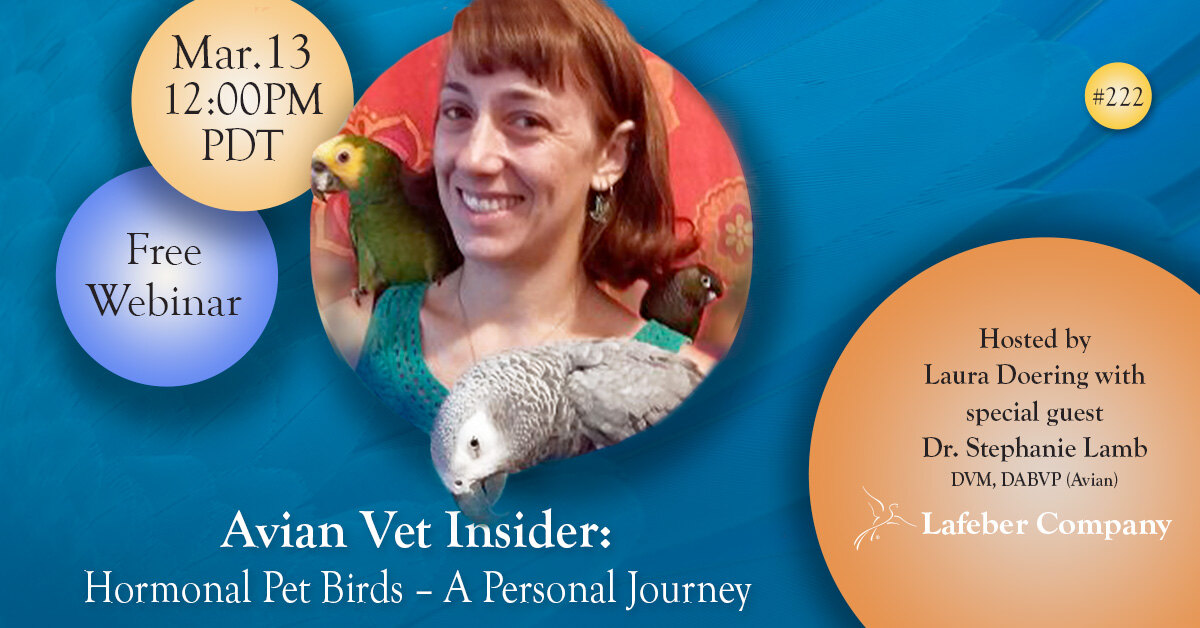
Factors that can influence hormonal behavior in pet parrots include:
- Diet: A diet high in fat and protein can sometimes stimulate reproductive hormones.
- Photoperiod: Artificial lighting can extend daylight hours, mimicking breeding seasons.
- Environmental Cues: The presence of nesting materials, specific types of toys, or even the proximity of a perceived mate (human or another bird) can trigger hormonal responses.
- Social Interaction: Certain types of petting (especially on the back or under the wings) can be interpreted as courtship behavior by the bird, further stimulating hormonal activity.
- Genetics: Some species and individual birds may be genetically predisposed to more pronounced hormonal cycles.
Understanding these triggers is the first step in managing hormonal behavior. The webinar is expected to delve into these factors, providing attendees with the knowledge to identify and, where possible, modify environmental and social influences that contribute to hormonal issues.
Potential Content and Expected Takeaways
While specific details of Dr. Lamb’s presentation are not fully disclosed, based on the webinar’s description and the expertise of the speakers, attendees can anticipate a comprehensive discussion covering:
- Identifying Hormonal Behaviors: A clear delineation of typical hormonal behaviors versus other potential health or behavioral issues. This might include descriptions of increased aggression, nest-seeking, food begging, territoriality, vocalizations, and changes in social interaction.
- The Hormonal Cycle: An explanation of the physiological processes involved in avian hormonal cycles, including the role of specific hormones and how they influence behavior.
- Triggers and Modifiers: A detailed examination of environmental, dietary, and social factors that can initiate or exacerbate hormonal behaviors.
- Management Strategies: Practical, evidence-based strategies for managing hormonal birds, which may include:
- Environmental Modifications: Adjusting cage setup, lighting, and the availability of nesting materials.
- Dietary Adjustments: Recommendations for a balanced, species-appropriate diet that minimizes the stimulation of reproductive hormones.
- Behavioral Training: Techniques for redirecting unwanted hormonal behaviors and reinforcing calm, non-reproductive interactions.
- Medical Interventions (when necessary): A discussion of when and how veterinary intervention, such as hormonal implants or medications, might be considered, emphasizing that these are typically last resorts after behavioral and environmental management.
- The Role of the Avian Veterinarian: Insights into what owners can expect when seeking professional help, including diagnostic processes and treatment options.
- Personal Anecdotes: Real-world examples and case studies that illustrate the challenges and solutions associated with hormonal birds.
The interactive nature of the webinar also suggests an opportunity for attendees to ask Dr. Lamb and Ms. Doering questions directly, further personalizing the learning experience.
Broader Implications for the Avian Community
The scheduling of this webinar by Lafeber Company (implied by the domain name of the source article) highlights a commitment to advancing avian welfare through education. Lafeber Company is a well-respected name in avian nutrition and health, often associated with producing high-quality diets and educational materials for bird owners and veterinarians. Their support for such initiatives indicates a broader trend towards prioritizing the mental and behavioral health of companion birds.
The implications of this webinar extend beyond individual bird owners. By equipping owners with better knowledge and tools, it can contribute to:
- Reduced Bird Surrenders: Hormonal issues are a significant reason why birds are surrendered to rescues or rehomed. Effective management can help maintain stable, lifelong homes for these birds.
- Improved Human-Animal Bond: Understanding and managing hormonal behaviors can lead to a more positive and rewarding relationship between owners and their pets.
- Enhanced Bird Welfare: By addressing the underlying biological drivers of behavior, owners can better meet their birds’ physical and psychological needs, leading to happier and healthier pets.
- Advancement of Avian Knowledge: Sharing expert insights and personal experiences contributes to the collective understanding of avian behavior and care within the broader pet-owning community.
Event Details and Registration
The "Hormonal Pet Birds – A Personal Journey" webinar is scheduled for Friday, March 13, 2026, at 12:00 p.m. PDT. Attendees are strongly advised to verify their local time using the provided time zone converter link to ensure they do not miss the live broadcast. The webinar is offered free of charge, signifying an investment in community education by the organizers.
Registration for the webinar is mandatory and can be completed through a dedicated registration link: https://us02web.zoom.us/webinar/register/WN_vZOuLegtQvuW8nEUJirAvw. This link will guide interested individuals through the simple registration process, ensuring they receive all necessary access information for the live event. Given the universal nature of hormonal challenges in parrot ownership, this webinar represents a valuable opportunity for any owner seeking to deepen their understanding and improve their bird’s quality of life.