
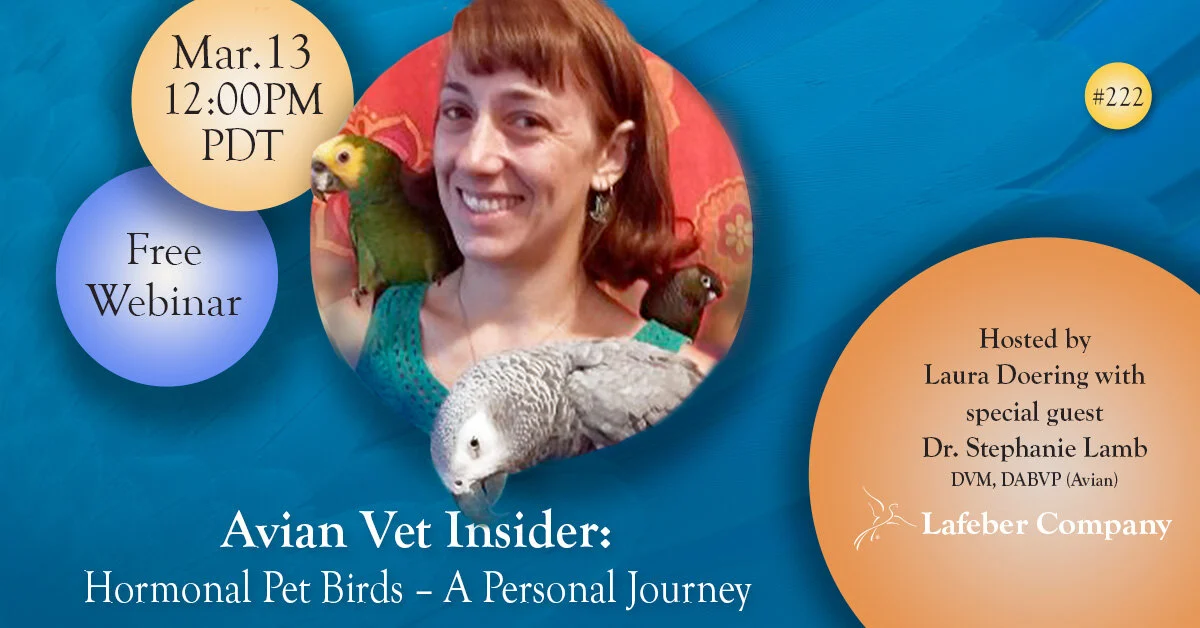
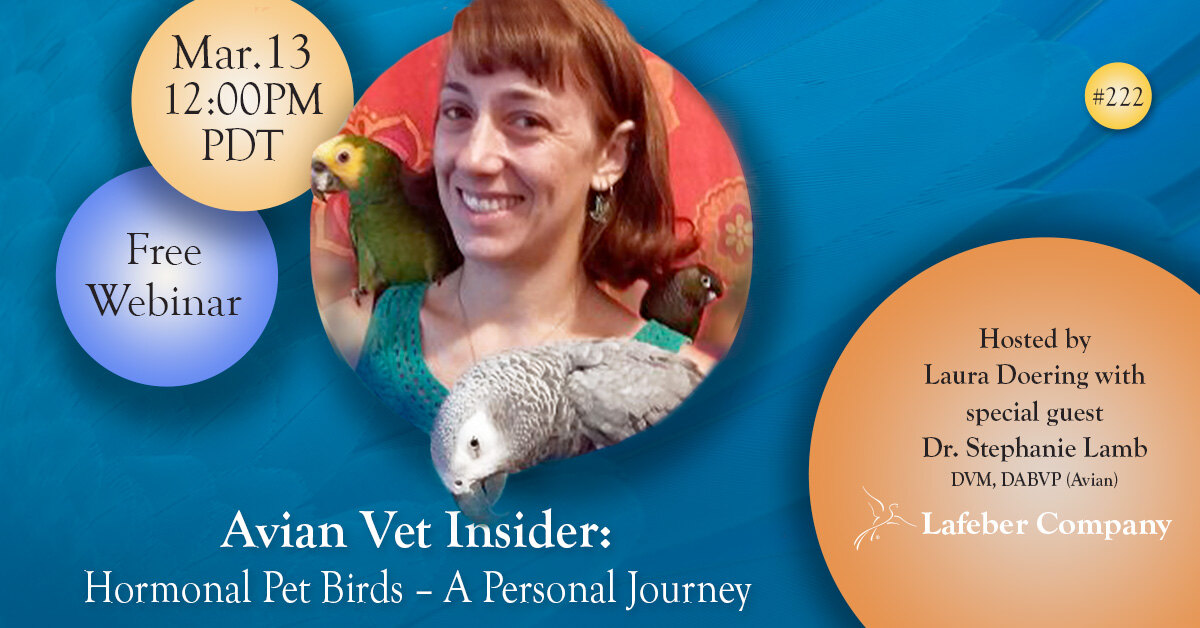
A free, live, and interactive webinar titled "Hormonal Pet Birds – A Personal Journey" is scheduled to take place on Friday, March 13, 2026, at 12:00 p.m. Pacific Daylight Time (PDT). The event, hosted by Laura Doering, a former editor of prominent avian publications Bird Talk and Birds USA magazines, will feature Dr. Stephanie Lamb, DVM, DABVP (Avian Practice), as the special guest speaker. Dr. Lamb is expected to share her personal experiences and professional insights into the complexities of hormonal behavior in pet parrots, a common and often challenging aspect of avian ownership.
The webinar aims to provide parrot owners with a deeper understanding of the hormonal cycles that affect their birds, which can manifest seasonally or fluctuate throughout the year. Dr. Lamb’s presentation is anticipated to offer an "insider’s view" of the daily occurrences at an avian veterinary clinic, drawing from her firsthand encounters with these behavioral issues in her own practice and potentially in her personal life. Attendees will have the opportunity to learn about the potential troubles associated with a hormonal parrot and gain practical knowledge for managing these behaviors.
Understanding Hormonal Behavior in Pet Birds: A Growing Concern
Hormonal fluctuations are a natural biological process in all animals, including birds, and play a crucial role in reproduction, territoriality, and social bonding. In pet parrots, these hormonal changes can manifest in a variety of ways, often leading to behavioral shifts that can be perplexing and disruptive for owners. These can include increased aggression, heightened vocalizations, nesting behaviors, changes in appetite, and a general increase in intensity of personality.
For many parrot owners, navigating these hormonal phases can be a significant challenge. The intensity and duration of these behaviors can vary greatly depending on the species, individual bird, and environmental factors. Understanding the underlying biological drivers of these behaviors is the first step in effectively managing them. This webinar is poised to offer valuable insights from an expert who has both professional and personal experience in this area.
The Expert Perspective: Dr. Stephanie Lamb’s Expertise
Dr. Stephanie Lamb’s credentials as a Doctor of Veterinary Medicine (DVM) and a Diplomate of the American Board of Veterinary Practitioners (ABVP) with a specialization in Avian Practice underscore her deep expertise in avian health and behavior. The ABVP certification is a rigorous process that signifies a veterinarian has met stringent standards of knowledge and experience in a specific species or group of species. Her specialization in avian practice means she has dedicated her career to the unique medical and behavioral needs of birds.
The decision to focus the webinar on a "personal journey" suggests that Dr. Lamb will not only present scientific information but also share anecdotal evidence and practical strategies derived from her direct involvement with hormonal parrots. This approach can make the information more relatable and actionable for pet owners who are struggling with similar issues. Her willingness to share her personal experiences can foster a sense of empathy and understanding, creating a more supportive learning environment.
Laura Doering: A Familiar Voice in Avian Media
Laura Doering’s role as former editor of Bird Talk and Birds USA magazines places her in a unique position to connect avian experts with the bird-owning community. These publications have historically served as valuable resources for information on bird care, health, and behavior. Doering’s experience in curating content for these platforms suggests a strong understanding of the topics that resonate with bird enthusiasts and the challenges they face. Her involvement in hosting this webinar lends it credibility and accessibility.
Key Takeaways for Parrot Owners
The webinar is expected to equip attendees with practical strategies for managing hormonal behaviors. This could include:
- Understanding the Triggers: Identifying environmental factors that can stimulate or exacerbate hormonal behavior, such as changes in daylight hours, the presence of nesting materials, or specific types of interaction.
- Behavioral Modification Techniques: Learning about positive reinforcement methods to redirect unwanted behaviors and encourage more desirable ones.
- Dietary and Environmental Adjustments: Exploring how diet and habitat enrichment can play a role in moderating hormonal cycles.
- Recognizing When to Seek Professional Help: Understanding the signs that indicate a need for veterinary intervention beyond simple behavioral management.
- The Importance of Patience and Consistency: Emphasizing that managing hormonal behavior is an ongoing process that requires patience and consistent application of strategies.
Background of Avian Hormonal Behavior
In their natural habitats, parrots experience distinct breeding seasons, often dictated by environmental cues like rainfall and food availability. These seasons are characterized by a surge in reproductive hormones, leading to behaviors geared towards finding a mate, nesting, and raising young. When kept as pets, these natural cycles can be disrupted or amplified by artificial lighting, readily available food sources, and a lack of natural environmental cues that would otherwise signal the end of a breeding season.
This can lead to a phenomenon known as "perpetual breeding season" in some pet parrots, where they exhibit hormonal behaviors year-round. This is not only stressful for the bird, as they may not be able to fulfill their natural reproductive drives, but also for the owner, who has to cope with the associated behavioral changes. Understanding the evolutionary basis of these behaviors is crucial for developing effective management strategies.
The Role of Time Zones and Accessibility
The webinar’s timing at 12:00 p.m. PDT is intended to be accessible to a broad audience across different time zones. The inclusion of a time zone converter link is a thoughtful addition, ensuring that potential attendees can easily ascertain the local time of the broadcast. This demonstrates a commitment to inclusivity and maximizing participation. The fact that the webinar is free further enhances its accessibility, removing financial barriers to accessing expert information on a critical aspect of pet bird care.
Potential Impact and Broader Implications
The information shared in this webinar has the potential to significantly improve the lives of both pet parrots and their owners. By providing owners with the knowledge and tools to understand and manage hormonal behavior, the webinar can:
- Reduce Bird Rehoming: Hormonal behaviors are a common reason for birds being surrendered to shelters or rehomed. Effective management can help keep birds in their homes, reducing stress on the birds and the burden on rescue organizations.
- Enhance the Human-Animal Bond: When owners understand and can effectively manage challenging behaviors, their relationship with their pet bird can become stronger and more harmonious.
- Promote Responsible Pet Ownership: Educating owners about the biological underpinnings of their pet’s behavior fosters a more informed and responsible approach to avian care.
- Advance Avian Welfare: By addressing a significant welfare concern for pet parrots, this webinar contributes to the broader goal of improving the lives of companion birds.
Future Considerations and Related Discussions
The topic of hormonal behavior in pet birds is multifaceted and often intersects with other aspects of avian care, including nutrition, environmental enrichment, and the importance of a strong human-avian bond. Future discussions or webinars might delve deeper into:
- Species-Specific Hormonal Differences: Exploring how hormonal behaviors manifest differently across various parrot species.
- The Impact of Diet on Hormonal Balance: A more in-depth look at how specific dietary components can influence hormonal levels.
- The Role of Environmental Enrichment in Behavior Management: Strategies for providing stimulating environments that can help mitigate unwanted hormonal behaviors.
- The Ethics of Hormonal Intervention: Discussing the veterinary and ethical considerations surrounding potential medical interventions for severe hormonal issues.
Registration and Participation
Interested individuals are encouraged to register for the webinar via the provided link: https://us02web.zoom.us/webinar/register/WN_vZOuLegtQvuW8nEUJirAvw. Early registration is often recommended to secure a spot, as popular webinars can reach capacity. The interactive nature of the webinar suggests that attendees will have the opportunity to ask questions directly to Dr. Lamb and Ms. Doering, making it a valuable learning experience.
This webinar represents a significant opportunity for parrot owners to gain crucial knowledge from leading experts in the field. By addressing a common and often perplexing aspect of avian pet ownership, it aims to foster better understanding, more effective management, and ultimately, happier and healthier lives for both birds and their human companions. The commitment to providing this information free of charge underscores a dedication to avian welfare and the broader goal of supporting the dedicated community of parrot enthusiasts.