
Hummingbirds are Worth the Wait
By WBU Inc | Birds
The arrival of hummingbirds each spring is a highly anticipated event, signaling the end of winter and the vibrant return of nature’s artistry to backyards across North America. For many, the first glimpse of these iridescent jewels is a moment of pure joy, a testament to nature’s resilience and the enduring allure of these tiny, energetic avian marvels. While their migratory journeys are arduous, spanning up to 2,000 miles from Central America to their summer breeding grounds, their eventual appearance at feeders and in gardens is a reward that far outweighs the patience required.
The Grand Migration: A Triumph of Tiny Wings
The migration of hummingbirds is one of nature’s most extraordinary spectacles. These diminutive birds, weighing as little as a dime, undertake journeys that are almost incomprehensible in scale. Species like the Ruby-throated Hummingbird in the eastern United States and Canada, and various western species such as the Black-chinned, Rufous, and Broad-tailed Hummingbirds, embark on this perilous trek annually. Their migration is not a leisurely stroll but a high-stakes race against time and the elements.
Supporting Data: Studies have shown that hummingbirds, particularly the Rufous Hummingbird, can travel astonishing distances. Some individuals have been documented migrating over 3,900 miles (6,275 kilometers) from Alaska to Mexico, a feat that requires an incredible expenditure of energy. This journey is often fueled by a high-fat diet, with hummingbirds consuming nectar and insects to build up reserves. They can fly at speeds of up to 30 miles per hour (48 kilometers per hour), with dives reaching over 60 miles per hour (97 kilometers per hour).
Eastern Marvels: The Ruby-Throated Hummingbird
In the eastern half of North America, the Ruby-throated Hummingbird is the primary species that graces backyard feeders. These energetic birds begin their journey northward in early spring, typically starting in March. Their arrival is staggered, with different individuals and populations arriving at different times depending on latitude and local environmental conditions. By late April and May, most of the eastern United States and southern Canada will be buzzing with their activity.
The journey for these birds is fraught with challenges. They must navigate vast expanses of water, including the Gulf of Mexico, often making non-stop flights that can last for 18 to 22 hours. This requires them to store a significant amount of fat, which can constitute up to 50% of their body weight before these long flights. The success of their migration is directly linked to the availability of nectar sources along their migratory routes and the establishment of suitable breeding habitats upon arrival.
Western Wonders: A Diverse Avian Tapestry
The western United States and Canada host a more diverse array of hummingbird species. While many western species also undertake long-distance migrations, some are residents or undertake shorter altitudinal migrations. Species like Anna’s Hummingbirds are year-round residents in coastal California, adapting to urban environments and readily utilizing backyard feeders. Other species, such as Costa’s Hummingbirds and Allen’s Hummingbirds, also breed and reside in the western regions.
The Black-chinned Hummingbird is another common migrant in the West, breeding from the Great Plains to the Pacific coast. The Rufous Hummingbird, known for its aggressive nature and brilliant iridescent plumage, undertakes one of the longest migrations relative to its size, traveling from as far north as Alaska to wintering grounds in Mexico.

Enticing These Tiny Treasures: The Art of Hummingbird Gardening and Feeding
Attracting hummingbirds to one’s yard is a rewarding endeavor that requires a thoughtful approach to both food sources and habitat. Providing nectar feeders filled with a simple sugar-water solution (four parts water to one part granulated sugar, boiled and cooled) is a primary method of drawing them in. It is crucial to maintain these feeders meticulously, cleaning them regularly to prevent the growth of mold and bacteria, which can be harmful to the birds. A common misconception is that red dye or honey should be added to the nectar; this is not only unnecessary but can also be detrimental to their health.
Beyond feeders, the establishment of a hummingbird-friendly garden is paramount. Native plants that produce abundant nectar are essential for providing a natural and sustainable food source. Different species of hummingbirds have preferences for certain flower shapes and colors, but generally, tubular flowers in vibrant hues of red, orange, pink, and purple are highly attractive.
Recommended Native Plants for Hummingbirds:
- Eastern U.S.: Cardinal Flower (Lobelia cardinalis), Bee Balm (Monarda spp.), Trumpet Vine (Campsis radicans), Columbine (Aquilegia canadensis), Butterfly Weed (Asclepias tuberosa).
- Western U.S.: California Fuchsia (Epilobium canum), Penstemon (Penstemon spp.), Indian Paintbrush (Castilleja spp.), Salvia (Salvia spp.), Manzanita (Arctostaphylos spp.).
Creating a diverse planting scheme ensures a continuous bloom throughout the season, providing nectar from early spring through late summer and into fall, supporting them during their migration. Including plants that attract insects is also beneficial, as hummingbirds supplement their nectar diet with small insects and spiders, which are vital for protein and nutrients, especially for nestlings.
The Joy of Observation: Witnessing Avian Acrobatics
Once hummingbirds begin to frequent feeders and gardens, the real magic unfolds. Observing their behavior is a captivating experience. They are renowned for their aerial agility, capable of hovering, flying backward, and even upside down for brief moments. Their territorial nature often leads to spectacular aerial displays, with males chasing rivals away from prime feeding spots.
Detailed Behavioral Observations:
- Feeding Mechanism: A common fascination is understanding how hummingbirds feed. Contrary to popular belief, they do not suck nectar through their beaks. Instead, their specialized tongues are grooved and have fringed tips that act like tiny capillary sponges. When they dip their tongue into nectar, the grooves open, and capillary action draws the liquid up. The tongue can flick in and out of their bill up to 12-15 times per second, allowing them to rapidly extract nectar.
- Vocalizations: While often associated with the "hum" of their wings, hummingbirds also produce a variety of chirps and squeaks, often used in communication, territorial disputes, and alarm calls.
- Courtship Displays: Males often perform elaborate courtship flights, including dive displays where they rapidly ascend and then plunge downwards in a U-shaped pattern, producing a buzzing sound with their tail feathers to impress females.
- Pollen Collection: As they feed on flowers, hummingbirds inadvertently collect pollen on their heads and beaks. This pollen is then transferred to other flowers, playing a crucial role in plant pollination. Hints of yellow pollen on their foreheads are a common sign of their recent floral visits.
The Next Generation: Observing Young Hummingbirds
For those fortunate enough to reside in areas where hummingbirds breed, the anticipation extends to observing the next generation. In the far west, species like Costa’s, Anna’s, and Allen’s hummingbirds may already be busy raising their young. This presents an additional layer of wonder, as observers can witness the fledglings making their tentative first flights and their initial, often clumsy, attempts at feeding from established feeders. Observing juvenile hummingbirds, which may have less vibrant plumage than adults, is a special treat that signifies the successful continuation of the species.
Innovative Viewing: Enhancing the Hummingbird Experience
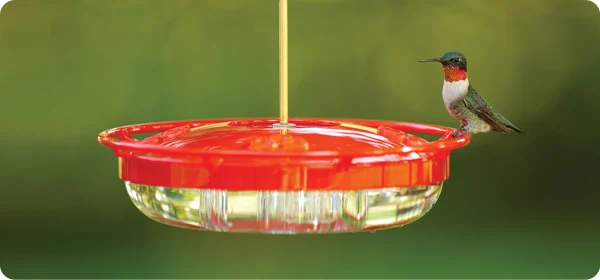
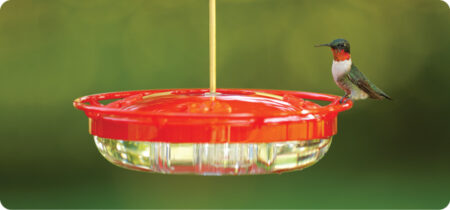
To further enhance the observational experience, specialized feeders have been developed. Feeders with clear plastic bases, such as those offered by Wild Birds Unlimited, allow for an unparalleled view of the hummingbird’s feeding mechanism. Witnessing the rapid lapping action of their tongues is a remarkable insight into their unique physiology and feeding strategy. Window feeders also offer an intimate perspective, bringing these captivating creatures right up to the glass, providing close-up views of their behavior and intricate details.

A Broader Ecological Context and Implications
The presence and health of hummingbird populations are indicative of the broader ecological well-being of an area. Their reliance on specific floral resources and their migratory patterns make them sensitive indicators of environmental change. Habitat loss, pesticide use, and climate change can all have significant impacts on hummingbird populations, affecting their migratory timing, breeding success, and overall survival rates.
Analysis of Implications:
- Pollination Services: Hummingbirds are vital pollinators for numerous plant species, including many that are economically important. Their role in transferring pollen contributes to the reproductive success of these plants, impacting ecosystems and agricultural yields.
- Biodiversity Indicators: A healthy hummingbird population suggests a robust and diverse ecosystem with sufficient floral resources and insect prey. Declines in their numbers can signal underlying environmental problems that warrant further investigation.
- Citizen Science Contributions: Backyard bird feeding and observation contribute to citizen science initiatives, providing valuable data on bird distribution, population trends, and migratory patterns. Organizations like the Cornell Lab of Ornithology rely on such data to conduct extensive research and conservation efforts.
Expert Insights and Further Exploration
For those eager to deepen their understanding and appreciation of these remarkable birds, resources such as the WBU Nature Centered Podcast offer invaluable insights. Episode 72, "Hooray for Hummingbirds," hosted by John and Brian, provides entertaining and expert advice on attracting and observing hummingbirds, further enriching the backyard birding experience.
Conclusion: The Enduring Appeal of the Hummingbird
The anticipation for the return of hummingbirds is a shared sentiment among nature enthusiasts. Their arduous journeys, their vibrant beauty, and their fascinating behaviors make them one of nature’s most captivating spectacles. By providing appropriate food sources, native plants, and a safe environment, backyard observers can play a crucial role in supporting these tiny aviators. The patience required for their arrival is consistently rewarded with moments of wonder, a reminder of the intricate beauty and resilience of the natural world. The hum of their wings, the flash of their iridescent colors, and their acrobatic displays are a testament to why, indeed, hummingbirds are always worth the wait.