
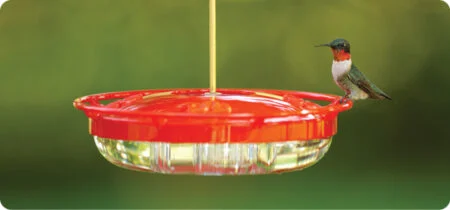
The annual return of hummingbirds, particularly the arduous 2,000-mile journey from Central America, heralds a significant natural event that captivates observers across North America. For many, the anticipation of the first glimpse of these iridescent jewels at their feeders is a source of profound joy, marking the transition from the dormancy of winter to the vibrancy of spring and summer. This widespread sentiment underscores the inherent value and appeal of these tiny avian marvels, making their eventual arrival a truly rewarding experience for those who patiently await their presence.
The Epic Migration: A Testament to Resilience
Hummingbirds undertake one of the most remarkable migrations in the avian world. Species such as the Ruby-throated Hummingbird in the eastern United States and Canada embark on a non-stop flight across the Gulf of Mexico, a feat requiring immense physiological adaptation and energy reserves. Similarly, western species like the Black-chinned, Rufous, and Broad-tailed hummingbirds navigate vast distances, often over challenging terrain, to reach their breeding grounds. This migratory phenomenon is not merely a seasonal occurrence but a testament to the species’ evolutionary resilience and their unwavering drive to find suitable habitats for breeding and foraging.
The duration and intensity of this journey highlight the critical role of consistent food sources and safe stopover points along their migratory routes. Disruptions to these resources, whether due to climate change, habitat loss, or extreme weather events, can have significant implications for hummingbird populations. Conservation efforts focused on preserving migratory corridors and ensuring the availability of nectar-producing plants are therefore paramount to the continued success of these migrations.
Regional Diversity and Resident Species
While many hummingbirds are migratory, a significant portion of the hummingbird population remains in resident or semi-resident status, particularly in the milder climates of the far west. Species such as Costa’s, Anna’s, and Allen’s hummingbirds are already engaged in raising their young by early spring. This often means that the first hummingbirds observed by backyard enthusiasts in these regions are not necessarily newly arrived migrants, but rather the fledglings of established resident families. The observation of these young birds making their initial forays to feeders adds another layer of wonder to the hummingbird watching experience.
The diversity of hummingbird species across different geographical regions underscores the adaptability of these birds to a wide range of ecological niches. Each species possesses unique characteristics, from plumage coloration and size to feeding habits and migratory patterns, contributing to the rich tapestry of avian life in North America.
The Art of Observation: Unveiling Hummingbird Behavior
Watching hummingbirds at feeders offers a captivating window into their intricate behaviors. Their characteristic tail-fanning, often displayed during territorial disputes or courtship rituals, is a visually striking behavior. The subtle hint of yellow pollen on their forehead, a tell-tale sign of their diligent work as pollinators, further emphasizes their ecological importance. Their vocalizations, ranging from soft chitters to sharp squeaks, add an auditory dimension to the experience, complementing the incessant, almost ethereal hum of their wings.
Perhaps the most fascinating aspect of hummingbird feeding is their unique tongue mechanism. Contrary to popular belief, hummingbirds do not suck nectar through their bills. Instead, they employ a specialized, forked, and grooved tongue that laps up nectar with remarkable speed. This rapid lapping action, which can occur up to 12 times per second, allows them to efficiently extract the energy-rich liquid from flowers and feeders.

Enhancing the Viewing Experience: Innovative Feeders
To fully appreciate the intricacies of hummingbird feeding behavior, specialized feeders are often recommended. Products like the Wild Birds Unlimited (WBU) Hummingbird Feeder and the WBU Window Hummingbird Feeder are designed with clear plastic bases. This transparency allows observers to witness the rapid, dynamic movement of the hummingbird’s tongue as it feeds, providing an unparalleled close-up view of this extraordinary biological process. Such innovative designs not only enhance the observational experience but also encourage a deeper understanding and appreciation of these remarkable creatures.
The Importance of Nectar Feeders and Native Plants
Attracting hummingbirds to a backyard involves a dual strategy: providing readily available nectar sources and cultivating native plants that offer natural foraging opportunities. Nectar feeders, when properly maintained and filled with a simple sugar-water solution (typically a 4:1 ratio of water to granulated white sugar, without any red dye or artificial sweeteners), offer a consistent and vital food source, especially during periods of high energy demand like migration and breeding.
However, the long-term health and sustainability of hummingbird populations are intrinsically linked to the availability of native flora. A diverse array of flowering native plants not only provides nectar but also offers essential pollen, insects, and shelter. For instance, in the eastern United States, the Ruby-throated Hummingbird relies on a variety of nectar-rich flowers such as bee balm (Monarda spp.), cardinal flower (Lobelia cardinalis), and trumpet vine (Campsis radicans). In the west, species may favor penstemons, columbines, and Indian paintbrush.
The selection of native plants is crucial as they are adapted to the local climate and soil conditions, requiring less maintenance and supporting the local ecosystem more effectively. Furthermore, native plants provide the insects and spiders that hummingbirds also consume, which are vital for protein, especially for nestlings. Creating a hummingbird-friendly habitat is therefore a holistic approach that combines artificial feeding with the thoughtful integration of indigenous plant species.
Expert Insights and Further Engagement
For those seeking to deepen their understanding and enjoyment of hummingbirds, resources like the WBU Nature Centered Podcast offer valuable insights. Episode 72, titled "Hooray for Hummingbirds," features hosts John and Brian discussing strategies for attracting and observing these birds, providing entertaining and informative content for enthusiasts of all levels. Such educational platforms play a vital role in fostering a greater connection between people and the natural world.
Broader Implications and Conservation
The widespread appeal of hummingbirds highlights a significant public interest in avian conservation and backyard wildlife. The dedication of individuals to providing feeders and suitable habitats demonstrates a tangible commitment to supporting these migratory species. This individual action, when aggregated across communities and regions, contributes to the larger conservation picture.
The challenges faced by hummingbirds, from the perils of long-distance migration to the impacts of habitat fragmentation and climate change, underscore the need for broader conservation initiatives. These include protecting natural habitats, reducing pesticide use that can harm insect populations vital to hummingbird diets, and advocating for policies that support biodiversity.
The study of hummingbird migration also offers valuable data for ornithologists and conservationists. Tracking the timing of arrival and departure, as well as migratory routes, can reveal shifts in population dynamics and identify areas that may require increased conservation attention. The resilience of these tiny birds in undertaking such monumental journeys serves as a powerful reminder of the intricate interconnectedness of ecosystems and the importance of preserving them for future generations. The anticipation for their return is not merely a personal delight but a shared societal appreciation for the wonders of the natural world, a world that is, indeed, richer for the presence of these dazzling aerial acrobats.