
Illinois lawmakers have a pivotal opportunity to enact comprehensive legislation that could significantly reduce flood risk, protect vital drinking water sources, and conserve essential wildlife habitat by restoring and protecting the state’s rapidly diminishing wetlands. The proposed Wetlands Protection Act (Senate Bill 2401) represents a critical step toward reversing decades of ecological degradation and bolstering Illinois’s resilience against a changing climate. This legislative effort comes at a crucial time, as scientific consensus underscores the indispensable role of wetlands in maintaining ecological balance and providing invaluable ecosystem services to both natural systems and human communities.
A Vanishing Landscape: The Historical Context of Illinois’s Wetlands
For centuries, Illinois was characterized by a rich mosaic of prairies, forests, and expansive wetlands, an intricate natural infrastructure that shaped its hydrology and biodiversity. These wetlands, encompassing diverse types from marshes and swamps to bogs and wet prairies, were integral to the health of the state’s rivers and streams, including the mighty Mississippi. However, the arrival of European settlers in the 19th century marked the beginning of a dramatic transformation. Driven by agricultural expansion, urbanization, and infrastructure development, vast tracts of wetlands were systematically drained, filled, and converted. The fertile soils of the Illinois prairie, once waterlogged, became prime agricultural land, fueling the state’s rise as a global agricultural powerhouse.
This intensive land conversion led to staggering losses. Illinois, along with other Corn Belt states such as Indiana, Iowa, Missouri, and Ohio, has lost more than 85 percent of its historic wetland acreage. From an estimated original extent of over eight million acres, less than 1.3 million acres remain today, a mere fraction of the state’s natural heritage. This drastic reduction has profoundly altered Illinois’s hydrological cycle, exacerbated flood risks, degraded water quality, and decimated populations of wetland-dependent species. The environmental consequences of this historical trajectory are now increasingly evident, manifesting as more frequent and severe flooding, impaired waterways, and a significant decline in biodiversity.
The "Isolated Wetlands" Dilemma: Explaining the Federal Protection Gap
A significant driver for the proposed state legislation is the current vulnerability of many of Illinois’s remaining wetlands due to a patchwork of federal protections. For decades, the federal Clean Water Act (CWA), enacted in 1972, served as the primary regulatory tool for safeguarding "waters of the United States," including many wetlands. However, a series of Supreme Court rulings and subsequent interpretations by the U.S. Environmental Protection Agency (EPA) and the U.S. Army Corps of Engineers have progressively narrowed the scope of federal jurisdiction.
Most notably, the 2006 Rapanos v. United States Supreme Court case created significant ambiguity regarding the protection of "isolated wetlands" – those not directly connected to larger, navigable waterways. This ambiguity was further exacerbated by subsequent regulatory changes, particularly during recent administrations, which limited federal oversight to wetlands with a clear "significant nexus" to traditional navigable waters. As a direct consequence, an alarming 72 percent of Illinois’s remaining 981,000 acres of wetlands are now considered "isolated" under current federal interpretations, rendering them vulnerable to development or drainage without comprehensive federal oversight. This regulatory gap has left a vast and critical portion of Illinois’s wetlands exposed, creating an urgent need for robust state-level protections.
The Wetlands Protection Act: A New Framework for Conservation
In response to this critical vulnerability, the Wetlands Protection Act (SB 2401) seeks to establish a comprehensive state permitting program that would provide consistent and enforceable protections for all wetlands within Illinois. This legislative initiative aims to close the federal regulatory gap and ensure that all wetlands, regardless of their hydrological connection to navigable waters, are recognized for their ecological value and receive appropriate safeguards.
Under the proposed Act, most activities involving the modification or filling of wetlands would require prior permission from a designated state agency, likely the Illinois Department of Natural Resources (IDNR) or the Illinois Environmental Protection Agency (IEPA). This permitting process would introduce a structured review system, compelling developers and landowners to consider alternatives that avoid wetland impacts where feasible. Critically, the Act includes provisions for "exempt actions," recognizing the need to balance conservation with essential activities. While the exact scope of these exemptions would be detailed in subsequent regulations, "normal farming activities" are explicitly mentioned as exempt, addressing concerns from the agricultural community about undue burdens on ongoing operations. Other common exemptions in similar state laws often include routine maintenance of existing infrastructure, emergency repairs, and certain forestry practices, provided they do not permanently alter wetland hydrology or function.
A key component of the Act is its approach to unavoidable impacts. In instances where wetland modification or filling cannot be entirely avoided, the legislation mandates that the state be compensated for these impacts. These compensatory funds would then be strategically directed towards future wetland restoration and enhancement activities elsewhere in the state. This "mitigation banking" approach ensures a net-positive outcome for wetland acreage and function over time, providing a sustainable funding mechanism for ongoing conservation efforts. This system aims to achieve "no net loss" of wetland function and acreage, a common goal in effective wetland protection policies.
Ecological Cornerstones: Wetlands as Biodiversity Hotspots
Beyond their hydrological functions, wetlands are unparalleled biodiversity hotspots, serving as critical habitats for a vast array of plant and animal species. They are often referred to as "biological supermarkets" due to their immense productivity and the rich food webs they support. Approximately one-third of all North American bird species rely on wetlands for various stages of their life cycle, utilizing these ecosystems for food, shelter, breeding, and migratory rest stops.
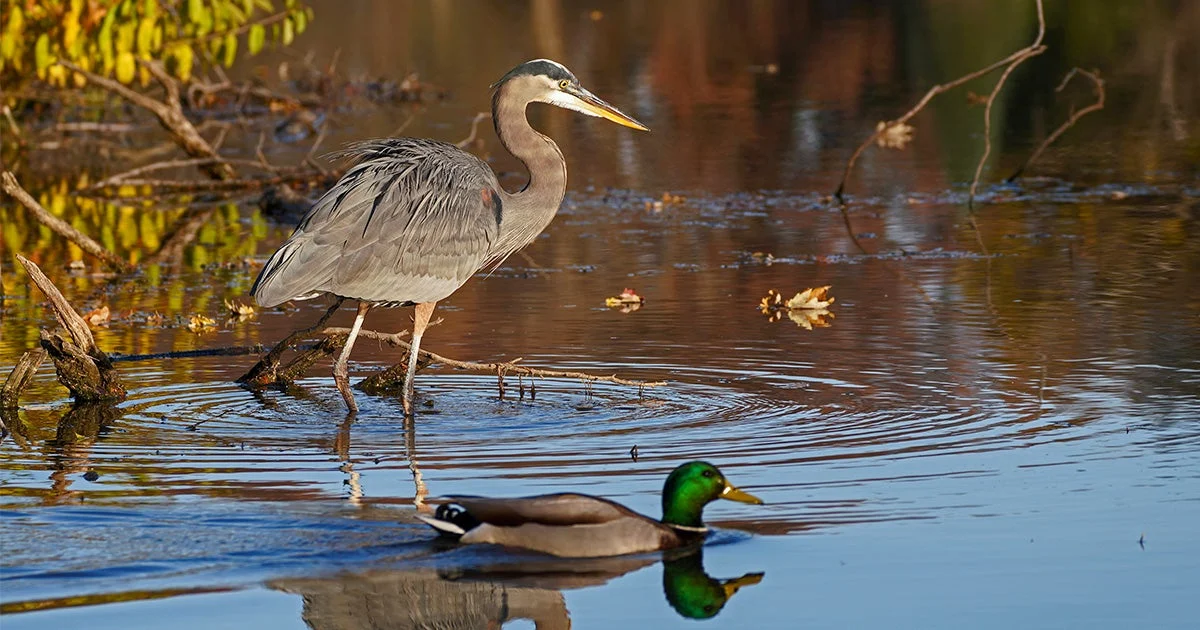
Illinois, situated within the crucial Mississippi Flyway, experiences the passage of millions of migratory birds annually. Wetland-dependent species within this flyway are incredibly diverse, encompassing iconic birds such as the majestic Bald Eagle, the elegant Great Blue Heron, and the distinctive American White Pelican. The list extends to various species of cranes, grebes, loons, kingfishers, shorebirds, waterfowl like Mallards and Teals, and numerous perching birds specifically adapted to wetland environments. These birds utilize wetlands for critical breeding and nesting grounds, raising their young in the protective cover and abundant food sources found within these habitats. During their arduous migratory journeys, wetlands offer essential refueling stations, providing respite and sustenance necessary for their survival. The loss of wetlands directly translates to habitat fragmentation and reduction, leading to declines in these sensitive avian populations.
The ecological significance of wetlands extends far beyond birds. These ecosystems support diverse communities of amphibians, including frogs and salamanders, which depend on water for breeding and larval development. Fish species adapted to shallow, oxygen-poor waters thrive in wetlands, and numerous insects, from dragonflies to aquatic beetles, form the base of intricate food chains. Unique wetland flora, including water lilies, cattails, and sedges, contribute to the structural complexity of these habitats and provide food and shelter for other species. The destruction of wetlands represents an irreversible loss of this intricate ecological tapestry, diminishing overall biodiversity and ecosystem health.
Natural Infrastructure: Wetlands in Flood Mitigation and Water Quality
One of the most compelling arguments for wetland protection is their role as natural infrastructure in flood mitigation and water quality improvement. Wetlands are often described as "nature’s sponges" due to their remarkable capacity to store vast quantities of water. A single acre of wetland, just one foot deep, can hold up to 1.5 million gallons of water. This immense storage capability allows wetlands to absorb floodwaters during heavy rainfall events, slowly releasing them over time. This process significantly reduces peak flood flows, lowers water levels in rivers and streams, and lessens the erosive power of rushing water on streambanks.
Unlike engineered flood control structures like levees and floodwalls, which are expensive to build, maintain, and repair after flood events, wetlands provide these services free of charge and improve with age. Their natural design is inherently resilient, adapting to changing hydrological conditions. The economic benefits of this natural flood protection are substantial. A recent study evaluating investments in wetlands restoration in Ohio, for instance, found an impressive return of $8 to the public for every $1 invested. These returns come from avoided flood damages, reduced infrastructure costs, and enhanced ecosystem services. In Illinois, a state frequently impacted by major flood events along the Mississippi and Illinois Rivers, and prone to localized flash flooding in urban areas, investing in wetland restoration is a proactive and economically sound strategy for enhancing community resilience.
Furthermore, wetlands are highly effective natural filters. As water flows through these ecosystems, the dense vegetation and underlying soils act as biological and chemical purifiers. Wetlands can effectively remove excess nutrients, such as nitrogen and phosphorus, which primarily originate from agricultural runoff and wastewater treatment plants. These nutrients are a major source of water pollution, contributing to harmful algal blooms in local waterways and the vast hypoxic "dead zone" in the Gulf of Mexico, which significantly impacts fisheries and marine ecosystems. By trapping sediments, pollutants, and excess nutrients, wetlands improve water clarity and quality, safeguarding drinking water sources and reducing the need for costly conventional water treatment processes. This natural filtration service provides immense economic value, preventing millions of dollars in pollution control and public health costs annually.
Lessons from Neighbors: Wisconsin’s Successful Model
Illinois can draw valuable lessons from neighboring states that have successfully implemented and expanded wetland protection and restoration programs. Wisconsin, for example, has demonstrated the tangible benefits of investing in natural flood risk reduction practices. The Wisconsin legislature initially authorized a demonstration project to test the efficacy of wetland restoration in mitigating flood impacts in flood-prone areas of Ashland County. The project proved to be a resounding success, showcasing the practical and cost-effective nature of leveraging natural systems for hazard mitigation.
Building on this success, the Wisconsin legislature subsequently established a comprehensive Pre-Disaster Flood Resilience Grant Program. This program provides funding to support voluntary wetland construction and restoration projects across the state, empowering local communities and landowners to participate in resilience-building efforts. Illinois could readily adopt a similar "formula" for success, creating its own robust pre-disaster flood resilience grant program. Such a program would not only facilitate the expansion of wetland restoration efforts but also foster a culture of proactive flood mitigation, moving beyond reactive responses to flood events. This proactive approach aligns with modern disaster management principles, emphasizing prevention and preparedness through natural solutions.
Voices on the Bill: Support, Concerns, and the Path Forward
The Wetlands Protection Act has garnered significant support from a broad coalition of environmental organizations, conservation groups, and public health advocates across Illinois. Groups like Audubon Illinois, the Illinois Environmental Council, and the Sierra Club Illinois Chapter have consistently championed the bill, emphasizing its critical importance for safeguarding the state’s natural resources and the well-being of its residents. Proponents argue that the Act is a necessary measure to protect a vital public resource that provides invaluable services for flood control, water quality, and biodiversity. They highlight the long-term economic benefits of wetland protection, including reduced disaster recovery costs, enhanced recreational opportunities, and improved public health outcomes.
Legislators sponsoring the bill, such as Senator Linda Holmes (D-Aurora), have underscored the urgency of addressing the federal protection gap and empowering the state to manage its own natural assets. They point to the growing scientific evidence of wetlands’ value and the increasing frequency of extreme weather events as compelling reasons for immediate action.
While the bill enjoys broad support, some industry groups, particularly those in development and certain agricultural sectors, have historically expressed concerns regarding potential regulatory burdens and impacts on land use flexibility. These concerns typically revolve around the costs associated with permitting processes, potential delays in development projects, and perceived limitations on property rights. However, proponents emphasize that the Act’s provisions, including explicit exemptions for normal farming activities and a clear mitigation framework, are designed to balance conservation goals with economic realities. Furthermore, the long-term economic benefits of healthy wetlands, such as reduced flood insurance premiums, improved water access for recreation, and enhanced property values in resilient communities, are often cited as offsetting initial regulatory costs. Ongoing dialogue between stakeholders, facilitated by the legislative process, will be crucial in refining the bill to address legitimate concerns while preserving its core conservation objectives.
Broader Implications: Resilience, Economy, and the Mississippi River
The passage of the Wetlands Protection Act in Illinois would have far-reaching implications, extending beyond the state’s borders. It represents a significant step forward in building climate resilience. Wetlands act as natural carbon sinks, sequestering atmospheric carbon dioxide in their soils and vegetation, thus contributing to climate change mitigation efforts. By enhancing the state’s capacity to absorb floodwaters and filter pollutants, the Act directly contributes to Illinois’s adaptation strategies against more intense rainfall events and altered hydrological patterns predicted by climate models.
Economically, investing in wetlands offers a powerful multiplier effect. Beyond the direct cost savings from flood damage reduction and water purification, healthy wetlands support recreational activities such as hunting, fishing, birdwatching, and ecotourism, generating revenue and creating jobs in rural communities. These "green infrastructure" investments are increasingly recognized as a smart, sustainable approach to economic development.
Furthermore, Illinois’s actions would set a powerful precedent for other states within the vast Mississippi River Basin. As a primary contributor to the nutrient load flowing down the Mississippi to the Gulf of Mexico, Illinois has a significant responsibility in regional environmental stewardship. By strengthening its wetland protections, Illinois would contribute substantially to broader efforts to reduce nutrient pollution and restore the ecological health of the entire river system, benefiting downstream states and the Gulf ecosystem. The state could become a model for other states currently lacking comprehensive wetland protections, inspiring a renewed focus on conserving these critical habitats across the nation.
Conclusion: A Critical Juncture for Illinois’s Natural Heritage
The present legislative session marks a critical juncture for Illinois. The Wetlands Protection Act offers a strategic and scientifically sound pathway to address the pressing challenges of flood risk, water quality degradation, and biodiversity loss. By embracing this opportunity, Illinois lawmakers can solidify the state’s commitment to environmental stewardship, invest in its natural infrastructure, and secure a more resilient and prosperous future for its communities and its invaluable natural heritage. The urgency of action is undeniable; with continued wetland loss leading to greater harm to both human and avian communities, proactive measures to protect and expand these vital ecosystems are more important than ever. The time for Illinois to establish robust programs and safeguards to conserve these critical habitats is now.