
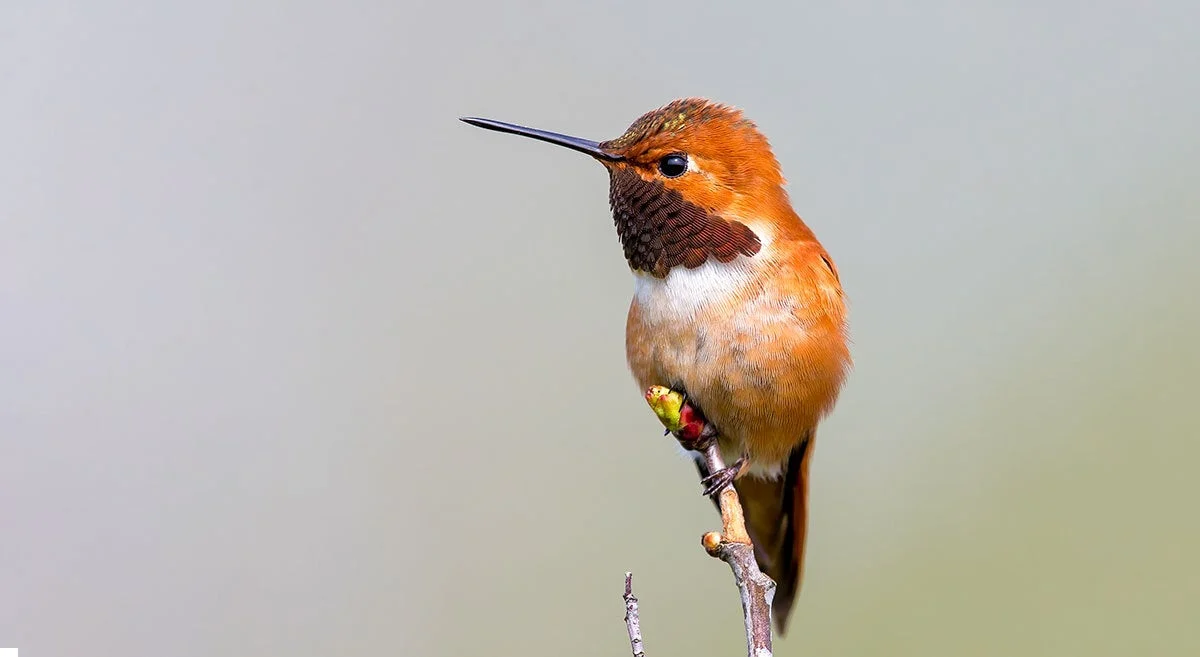
Indigenous-led conservation initiatives are poised to enact expansive protections for vital lands and waters across Canada’s Boreal Forest, a region globally recognized as North America’s bird nursery, securing critical habitats for billions of migratory birds and reinforcing Indigenous stewardship over ancestral territories. These monumental efforts, primarily centered on the Seal River Watershed in Manitoba and the western shores of Hudson and James Bays in Ontario, represent a significant evolution in conservation strategy, integrating traditional ecological knowledge with contemporary environmental protection goals. The scale of these proposed protections, encompassing tens of millions of acres, underscores a paradigm shift towards reconciliation and nature-based climate solutions driven by the First Nations who have stewarded these lands for millennia.
The Boreal Forest: North America’s Avian Nursery
The Canadian Boreal Forest is an ecosystem of unparalleled ecological significance, stretching across the continent from Newfoundland to the Yukon. It is a vast, interconnected landscape of dense coniferous forests, expansive wetlands, and intricate river systems that collectively form the largest intact forest on Earth. Beyond its sheer scale, the Boreal plays a critical role in global ecological balance. It is a massive carbon sink, storing an estimated 208 billion tonnes of carbon in its trees, soils, and peatlands, making it an indispensable buffer against climate change. Its pristine nature and abundant resources provide crucial breeding grounds for an estimated three to five billion migratory birds annually, earning it the moniker "North America’s bird nursery." These avian populations include a diverse array of species, from warblers and sparrows to raptors and waterfowl, many of which undertake epic journeys across the Western Hemisphere, passing through countless communities and landscapes before returning to the Boreal to nest and raise their young. The health of the Boreal directly impacts bird populations from the Arctic to South America, highlighting its hemispheric importance. Beyond birds, the Boreal supports a rich tapestry of wildlife, including iconic species like caribou, moose, wolves, and bears, as well as countless fish species in its myriad lakes and rivers.
Indigenous Leadership in Conservation: A New Paradigm
The concept of Indigenous Protected and Conserved Areas (IPCAs) and Indigenous-led National Marine Conservation Areas (NMCAs) is gaining global recognition as an effective, equitable, and sustainable model for conservation. These initiatives are not merely about setting aside land; they are fundamentally about recognizing and empowering the inherent rights, responsibilities, and traditional ecological knowledge of Indigenous peoples in managing their ancestral territories. For generations, First Nations, Inuit, and Métis communities have maintained profound connections to their lands and waters, developing sophisticated systems of resource management and conservation that predate colonial boundaries and policies. This traditional ecological knowledge (TEK), passed down through generations, offers invaluable insights into ecosystem dynamics, species behavior, and sustainable harvesting practices.
The resurgence of Indigenous-led conservation in Canada is a powerful testament to the principles of reconciliation. After centuries of displacement, dispossession, and the imposition of colonial land management practices, these initiatives represent a reclaiming of stewardship and a revitalization of cultural practices inextricably linked to the land. IPCAs, in particular, are defined by Indigenous leadership, long-term commitment, and the primary purpose of conserving biodiversity and culture. They are often established through collaborative processes involving Indigenous governments, federal and provincial authorities, and conservation organizations, but with Indigenous communities holding the decision-making authority. This collaborative approach, often referred to as "two-eyed seeing," seeks to integrate the strengths of both Indigenous and Western knowledge systems for more holistic and effective conservation outcomes. The initiatives currently underway in Manitoba and Ontario exemplify this groundbreaking approach, setting precedents for future conservation efforts across Canada and globally.
The Seal River Watershed: A Vision of Protection
Nestled in the remote northern reaches of Manitoba, the Seal River Watershed is one of the Boreal’s most ecologically significant and pristine areas. This vast region, encompassing an enormous 12-million-acre expanse, is characterized by its untamed wilderness, free-flowing rivers, expansive wetlands, and diverse terrestrial and aquatic habitats. It is named for the beluga whales that frequent its estuary, a testament to its connection to the marine environment of Hudson Bay. The watershed is a critical calving ground for the threatened Qamanirjuaq caribou herd, a vital food source and cultural keystone for Indigenous communities. Its myriad lakes and rivers support healthy fish populations, and its undisturbed landscapes provide crucial habitat for a wide range of wildlife, including polar bears, wolves, and countless bird species. The ecological integrity of the Seal River Watershed makes it indispensable for maintaining biodiversity and supporting healthy ecosystems across the hemisphere.
For millennia, the Sayisi Dene First Nation, along with their neighbors the Northlands Denesuline First Nation, Barren Lands First Nation, and O-Pipon-Na-Piwin Cree Nation, have lived within, harvested from, and stewarded these lands. Their cultures, languages, and identities are deeply interwoven with the health of the watershed. Recognizing the urgent need to protect this irreplaceable ecosystem from industrial development and resource extraction, these First Nations collectively formed the Seal River Watershed Alliance. This alliance has been engaged in advanced, final-stage negotiations with the federal government of Canada and the provincial government of Manitoba to formally establish an Indigenous Protected and Conserved Area (IPCA) within the watershed.
The proposed Seal River Watershed IPCA would not be a single monolithic protected area but rather a carefully designed network of protected zones, reflecting the varied ecological and cultural uses of the land. This innovative approach ensures comprehensive protection while also allowing for sustainable cultural practices and responsible land use, always under Indigenous governance. The establishment of this IPCA is envisioned to sustain the region’s lands and waters, honor the rich Dene and Cree traditions, and welcome visitors into the future, fostering a model of conservation that benefits both nature and people. The formal designation of this IPCA would represent a landmark achievement in Indigenous rights, environmental protection, and reconciliation in Canada, securing a legacy of conservation for generations to come.
Safeguarding Hudson and James Bays: A Vital Marine Corridor
Further to the east, along the remote western shores of Hudson and James Bays in Ontario, another critically important Indigenous-led conservation initiative is unfolding. Known as Washaybeyoh and Weeneebeg in the Omushkego Cree language, this vast coastal region is a globally significant ecosystem that serves as a vital staging and stopover area for millions of migratory birds. Each year, over 170 species of birds, including vast numbers of shorebirds and waterfowl, funnel through this narrow coastal corridor as they migrate south from their Arctic breeding grounds. They spend several crucial weeks here, feeding intensely to build up fat reserves necessary for their arduous journeys further south. The nutrient-rich tidal flats, coastal marshes, and shallow marine waters provide an abundant supply of invertebrates and plant matter, making this an indispensable refueling station for transcontinental migrants.
Beyond its avian importance, the region is home to a rich array of marine and terrestrial wildlife, including polar bears, beluga whales, seals, and numerous fish species. The health of these waters, shores, and coastal lands is paramount not only for wildlife but also for the Omushkego people, who have inhabited this region for millennia. Their traditional way of life, sustenance, and cultural practices are intrinsically linked to the marine and coastal environment. Recognizing the escalating threats posed by industrial development, including potential bottom trawling, dumping of waste, and oil and gas drilling, First Nations along the coast, including those part of the Mushkegowuk Council, as well as the Weenusk First Nation and the Fort Severn First Nation, have embarked on negotiations with the Government of Canada. Their objective is to establish a National Marine Conservation Area (NMCA) covering an immense 22-million-acre stretch of ocean.
The proposed NMCA would provide robust protection against harmful industrial activities, ensuring the ecological integrity of these vital marine and coastal habitats. This Indigenous-led initiative is a proactive measure to safeguard a pristine environment that is increasingly vulnerable to external pressures. The establishment of this NMCA would secure critical habitat for migratory birds, protect marine biodiversity, and uphold the Omushkego people’s right to manage and benefit from their traditional marine territories. It signifies a profound commitment to protecting a globally important ecological corridor and ensuring the sustainability of traditional Indigenous livelihoods and cultures.
The Broader Tapestry: Hemispheric and Global Significance
The impacts of the critical work undertaken by the Seal River Watershed Alliance and the Mushkegowuk Council extend far beyond Canada’s borders. The billions of migratory birds that nest, breed, and rest in these protected regions are better equipped for their epic journeys across the hemisphere. A healthy Boreal Forest and robust coastal staging grounds mean stronger, healthier bird populations that can successfully complete migrations spanning thousands of kilometers, from the Canadian Arctic to the Amazon rainforest. This interconnectedness highlights the global responsibility associated with protecting these Canadian ecosystems. Conservation efforts in one part of the flyway directly influence the ecological health of distant regions.
Moreover, these Indigenous-led initiatives offer significant contributions to global climate change mitigation and adaptation efforts. By protecting vast tracts of intact Boreal Forest and associated wetlands, the Seal River IPCA directly safeguards immense carbon stores, preventing their release into the atmosphere. Similarly, the NMCA in Hudson and James Bays will help maintain healthy marine ecosystems that sequester carbon and provide resilience against the impacts of a changing climate. These initiatives serve as powerful examples of nature-based solutions, demonstrating how protecting biodiversity can simultaneously address the climate crisis.
On a broader societal level, these projects are foundational to advancing reconciliation in Canada. They provide tangible mechanisms for implementing the United Nations Declaration on the Rights of Indigenous Peoples (UNDRIP) by recognizing Indigenous self-determination and the right to free, prior, and informed consent regarding resource development on their traditional territories. The success of these initiatives offers a compelling model for other nations grappling with similar challenges of environmental protection and Indigenous rights, showcasing how empowering local Indigenous communities can lead to more effective, equitable, and durable conservation outcomes.
A Call to Action and the Path Forward
The establishment of the Seal River Watershed IPCA and the Hudson and James Bays NMCA represents a pivotal moment in Canadian conservation history. These are not merely administrative designations but living expressions of deep cultural connection, scientific understanding, and a shared commitment to a sustainable future. The ongoing negotiations between First Nations and federal and provincial governments are complex, requiring sustained political will, financial investment, and a genuine commitment to partnership. Support from the public, both within Canada and internationally, plays a crucial role in demonstrating the widespread value placed on these initiatives.
Organizations like Audubon, through their advocacy and educational outreach, help to amplify the voices of Indigenous communities and connect these local efforts to a broader global narrative of migratory bird conservation. By highlighting the incredible journeys of these birds and the critical role of these Canadian landscapes, they foster a sense of shared responsibility for these transcontinental travelers.
The long-term vision for these areas extends beyond protection. It encompasses sustainable management plans, opportunities for eco-tourism that respect Indigenous cultures and the environment, and the continued practice of traditional activities that have sustained communities for generations. These initiatives are designed to ensure that the lands and waters remain healthy, vibrant, and accessible for future generations, honoring the legacy of Indigenous stewardship and safeguarding the planet’s biodiversity.
Audubon’s "Birds on the Move": Connecting the Journey
To further illuminate the extraordinary journeys of these migratory birds and the people dedicated to their survival, Audubon has launched "Birds on the Move," a four-part documentary series. This series traces the paths of these avian travelers, starting from Canada’s Boreal Forest—North America’s bird nursery—and following their incredible migrations all the way to Colombia, the most bird-rich country on Earth. The documentary not only showcases the breathtaking natural beauty of these diverse landscapes but also highlights the critical conservation efforts underway along the entire flyway. It features the dedicated individuals and communities, including Indigenous leaders, scientists, and local conservationists, who are working tirelessly to ensure these birds make it safely along their arduous routes. By connecting the seemingly disparate landscapes through the shared narrative of bird migration, "Birds on the Move" emphasizes the interconnectedness of ecosystems and the global impact of local conservation actions. The series serves as a powerful educational tool, inspiring a deeper understanding and appreciation for migratory birds and the vital role of Indigenous-led conservation in securing their future.