
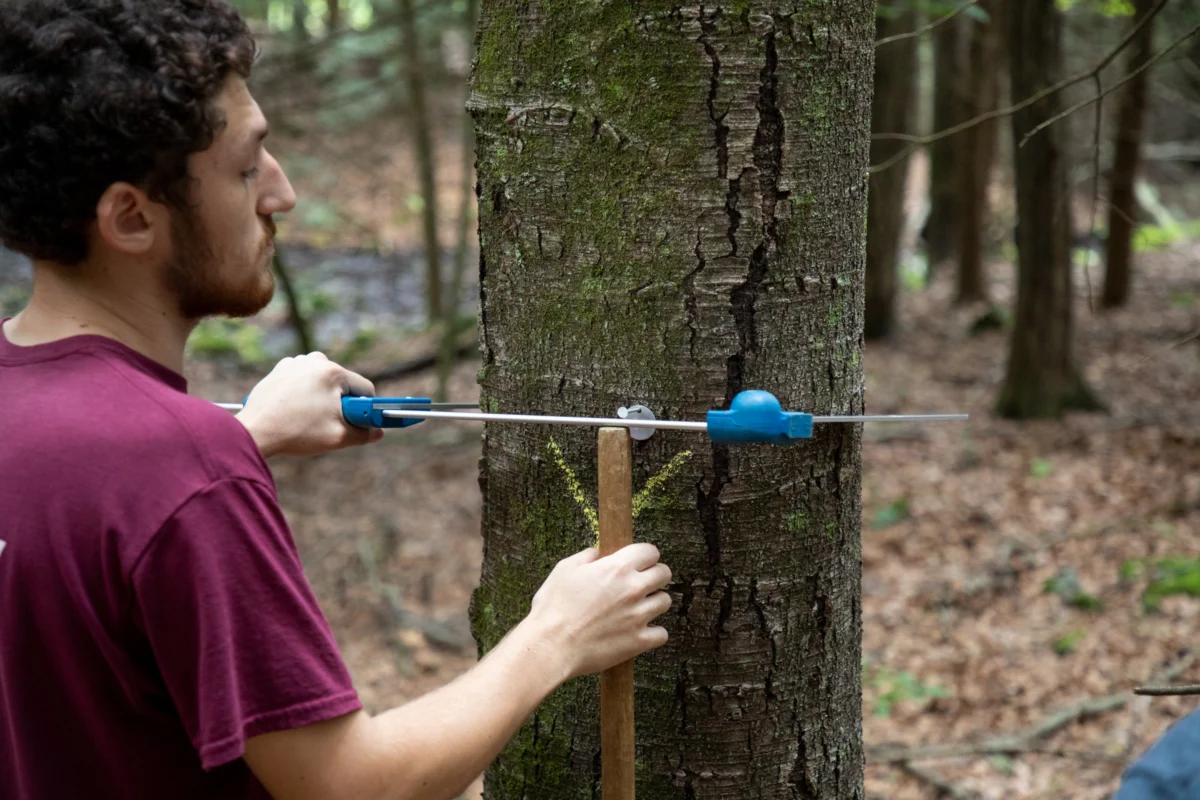
At the Bent of the River Audubon Center and Sanctuary in Southbury, Connecticut, a pioneering initiative is not only managing its expansive 700-acre preserve but also nurturing the next generation of environmental stewards. The Junior Forest Technicians (JFT) program, a competitive summer employment opportunity, sends groups of high school interns into the Connecticut woods each year, equipping them with practical forestry skills while gathering invaluable data essential for the center’s long-term conservation efforts. This symbiotic relationship provides unparalleled career exposure and hands-on training for students from local agriculture high schools, alongside critical ecological insights for the Audubon Center, demonstrating a powerful model for youth engagement in environmental science.
Nurturing Future Stewards: The Bent of the River JFT Program
For the Junior Forest Technicians, no two days within the program are alike, fostering a dynamic learning environment that mimics the multifaceted nature of professional environmental work. One day might see the JFTs meticulously refilling bird feeders across the sprawling western Connecticut facility, followed by dedicated hours tending to the native plant nurseries. Later, their tasks could involve the precise measurement of sapling heights, a crucial indicator of forest regeneration and health. The following day might pivot dramatically, offering students the unique opportunity to observe a live bird-banding demonstration, engage in a candid discussion with a professional forester about their career path and challenges, or embark on an educational visit to a neighboring sanctuary to learn about diverse land management strategies.
Glen Somogie, the dedicated director of the JFT program, aptly describes it as a "college prep course" – a sentiment echoed by the program’s rigorous curriculum and its emphasis on practical, transferable skills. The Bent of the River Audubon Center initially launched this initiative in 2014, driven by an immediate need for assistance in managing its substantial 700 acres of protected forests, meadows, rivers, and an intricate network of hiking trails. Over the past decade, the program has flourished, evolving from a direct response to a labor requirement into a highly sought-after summer employment opportunity. Each year, a select group of approximately five to eight JFTs gains not only invaluable career exposure and intensive hands-on training but also develops a profound sense of community, all while earning a paycheck. This arrangement forms a robustly symbiotic relationship, as Somogie emphasizes: "The students learn professional forestry skills, but then provide us with important data on how to understand changes within the forest." This data is not merely academic; it is foundational to the center’s adaptive management strategies in an era of escalating environmental challenges.
A Decade of Growth: Program Evolution and Impact
The establishment of the Junior Forest Technicians program in 2014 marked a strategic enhancement of the Bent of the River Audubon Center’s commitment to both conservation and community engagement. Prior to 2014, like many nature preserves, Bent of the River faced the perennial challenge of balancing ecological preservation with the demands of active land management. The 700-acre property, a mosaic of diverse habitats, requires constant monitoring and intervention to maintain its ecological integrity, protect native species, and mitigate threats such as invasive plants, pests, and the increasingly evident impacts of climate change. The idea of engaging local youth was a natural fit, offering a sustainable solution for labor while simultaneously investing in future environmental leadership.
From its inception, the program was designed to be more than just summer employment; it was conceived as an immersive educational experience. The initial focus was on equipping students with fundamental forestry and ecological survey techniques. Over time, as the program demonstrated its efficacy and the demand for participation grew, it evolved. What began as a practical response to immediate management needs transformed into a competitive internship, drawing talent from local agriculture-focused high schools where students often already possess a foundational interest in land stewardship and natural sciences. This targeted recruitment ensures a cohort of highly motivated individuals eager to deepen their understanding and contribute meaningfully.
The journey of a JFT typically begins with an application process, followed by an intensive summer of learning and fieldwork. From orientation and safety training to mastering identification skills for flora and fauna, the students are quickly integrated into the center’s operational rhythm. This chronological progression from novice to skilled technician is a hallmark of the program’s success. Graduates often leave with a clearer vision of potential career paths in environmental science, forestry, or conservation, armed with practical experience that distinguishes them in college applications and future job markets. The program’s longevity and consistent success underscore its vital role in the regional environmental landscape.
Precision in the Pines: Data Collection and Ecological Insights
Central to the JFT program’s utility for the Bent of the River Audubon Center is its systematic approach to ecological data collection. Throughout the summer, the teams of young technicians meticulously visit and analyze ten designated study plots, strategically scattered across the preserve’s diverse ecosystems. Each plot, precisely measured at 20 by 20 meters, becomes a focal point for comprehensive ecological assessment. Within these defined areas, students undertake a variety of critical measurements: the diameter at breast height (DBH) of trees, providing insights into growth rates and stand age; the meticulous identification and quantification of invasive plant species, crucial for targeted removal efforts; and a detailed evaluation of the forest canopy’s health, indicative of light penetration and overall forest vitality.
The data gleaned from these study plots offers indispensable insights for the center’s land management team, particularly as the challenges of conservation have intensified. Climate change, for instance, has introduced a new array of complexities, manifesting as altered weather patterns that favor the proliferation of invasive plants, the emergence of novel pests, and the heightened susceptibility of native trees to various pathogens. Connecticut, like much of the Northeast, grapples with invasive species such as Japanese barberry, multiflora rose, and oriental bittersweet, which outcompete native flora, reduce biodiversity, and alter forest structure. Pests like the Emerald Ash Borer continue to decimate specific tree populations, while new fungal diseases pose ongoing threats. The JFTs’ consistent monitoring provides an early warning system and quantitative data to track these changes, allowing the center to adapt its stewardship plans proactively.
A significant outcome of this rigorous data collection is its direct application in developing a comprehensive bird-friendly stewardship plan for the site. An experienced Audubon forester, leveraging the multi-year datasets compiled by the JFTs, is now crafting this strategic document. A bird-friendly plan typically involves specific habitat enhancements, such as maintaining a diverse forest structure with multiple canopy layers, promoting native understory growth that provides food and cover, managing deadwood for cavity-nesting birds, and ensuring water sources. These efforts are critical for supporting both resident and migratory bird populations, which are often sensitive indicators of overall ecosystem health. The JFTs’ work directly informs which areas require intervention, which species are thriving or struggling, and how best to manage the landscape to maximize avian biodiversity.
Beyond the study plots, JFTs are also actively involved in the hands-on maintenance of the center’s early successional forest habitat. This vital habitat, characterized by rapidly regenerating vegetation in areas that were historically disturbed (such as clear-cut farmland in the 1800s), is crucial for a distinct suite of bird species that thrive in open, shrubby environments. Birds like the Prairie Warbler, Blue-winged Warbler, and Field Sparrow rely on these transitional habitats for nesting and foraging. The JFTs’ work here, which might include targeted removal of encroaching woody vegetation or invasive species, ensures the continued viability of these specialized ecosystems. Furthermore, the students are encouraged to undertake their own research projects, fostering independent inquiry and scientific methodology. These projects often involve meeting with a diverse array of industry professionals, including foresters, entomologists, and biologists, who share their expertise, discuss career paths, and provide mentorship, further broadening the students’ understanding of environmental careers and the interconnectedness of ecological disciplines.
From Intern to Instructor: A Journey of Passion and Mentorship
The transformative power of the JFT program is perhaps best exemplified by the journey of Danni Syrotiak. After her initial summer as a Junior Forest Technician, Syrotiak recounts, "I became hooked." Her enthusiasm and dedication were evident, leading to her swift promotion to a crew leader position. In this enhanced role, she returned each subsequent year to mentor and teach incoming JFTs, sharing her accumulated knowledge and passion. Now a senior at the University of Connecticut, Syrotiak has dedicated five seasons to the Bent of the River program, a testament to its profound impact on her personal and professional development.
As an instructor, Syrotiak brought her unique pedagogical approach to the lessons. One notable innovation involved teaching the students to identify four specific bird species—Indigo Buntings, Prairie Warblers, Blue-winged Warblers, and Field Sparrows—not only by sight but also by their distinctive songs. This auditory skill is invaluable for fieldwork, allowing for species detection even when birds are hidden by foliage. Her experience within the program proved to be a pivotal realization point, guiding her toward a clear career aspiration in environmental education. "I really like teaching and getting others excited about it, and I have the program to thank for that," she affirms, highlighting the program’s role in cultivating her passion for sharing knowledge.
The JFT program, however, is not exclusive to students with pre-existing forestry or environmental career aspirations. Syrotiak emphasizes its inclusivity: "Anybody can love nature and contribute. It’s a whole mix of kids with a ton of different interests, all uniting for the same purpose." This diversity of backgrounds and interests enriches the learning environment and fosters a strong sense of community. The camaraderie among the JFTs is frequently cited as a significant aspect of the experience, with students forming close bonds during their shared fieldwork and collaborative projects. Syrotiak’s sentiment, "We’re like a little family over the summer," resonates deeply with many participants, underscoring the program’s success in creating a supportive and engaging atmosphere.
Statements from other stakeholders further reinforce the program’s value. Leadership at the Bent of the River Audubon Center often express profound appreciation for the JFTs’ contributions, recognizing the critical role they play in advancing the center’s mission. "The JFT program is vital to our mission," remarked a spokesperson for the center, "providing critical data for land stewardship and nurturing the next generation of environmental stewards." Local high school administrators have also acknowledged the program’s academic and vocational benefits, viewing it as an invaluable extension of classroom learning and a direct pathway to career exploration. Parents, too, often voice their pride and gratitude, observing significant growth in their children’s scientific literacy, teamwork skills, and overall appreciation for the natural world.
Broader Canopy: Implications for Conservation and Workforce Development
The Junior Forest Technicians program at the Bent of the River Audubon Center transcends its immediate scope, yielding far-reaching implications for regional conservation efforts and the broader field of environmental workforce development. By systematically collecting data on forest health, invasive species, and regeneration, the JFTs contribute directly to the scientific understanding of Connecticut’s ecosystems. This localized data, when aggregated over time, helps inform regional biodiversity conservation strategies and contributes to a more holistic picture of ecological changes across the state. The specific focus on bird-friendly stewardship, for an Audubon center, underscores its commitment to maintaining healthy habitats crucial for both resident and migratory avian populations, thereby playing a role in the larger continental migratory flyway conservation.
In an era where environmental challenges are increasingly complex, the program serves as a critical model for climate change adaptation. The data collected by JFTs on invasive species proliferation and forest health directly supports strategies to enhance ecosystem resilience against extreme weather events, pest outbreaks, and habitat degradation exacerbated by a changing climate. Proactive management based on real-time data is essential for ensuring the long-term viability of protected lands.
Furthermore, the JFT program directly addresses a pressing need for youth engagement in STEM fields and outdoor professions. In an increasingly urbanized and technologically driven world, many young people have limited opportunities for direct interaction with nature and hands-on scientific inquiry. The program effectively combats "nature deficit disorder" by immersing students in an outdoor learning environment, fostering a deeper connection to the natural world and inspiring a sense of responsibility for its preservation. This engagement is crucial for cultivating a citizenry that values and understands conservation.
Perhaps one of the most significant long-term implications is the program’s role in workforce development. By providing hands-on training in forestry, ecology, and data collection, the JFT program acts as a vital pipeline for future environmental professionals. As the demand for skilled labor in conservation, natural resource management, and environmental science continues to grow, initiatives like the JFT program are essential for equipping young individuals with the practical skills and theoretical knowledge necessary to fill these roles. Graduates emerge with a competitive edge, possessing not only academic knowledge but also demonstrable field experience, a critical asset in today’s job market. This practical training helps bridge the gap between academic learning and real-world application, making students more job-ready upon graduation.
The success of the Bent of the River JFT program also raises questions about its replicability. Its key success factors—a clear mission, dedicated leadership, strong community partnerships (especially with local schools), and a robust curriculum that balances education with practical output—could serve as a blueprint for other Audubon centers or similar conservation organizations across the nation. Scaling this model could significantly amplify its positive impacts, fostering a nationwide network of young environmental stewards and providing critical data for conservation efforts on a much broader scale. The program demonstrates that by investing in youth, conservation organizations can simultaneously secure their future workforce and enhance the effectiveness of their land management strategies.
In conclusion, the Junior Forest Technicians program at the Bent of the River Audubon Center and Sanctuary stands as a shining example of how innovative educational initiatives can synergistically advance both conservation goals and youth development. By seamlessly merging rigorous scientific fieldwork with immersive career exposure and a strong sense of community, the program not only generates invaluable data for managing Connecticut’s precious ecosystems but also cultivates a new generation of passionate, skilled, and environmentally conscious leaders. Its decade of success underscores the profound benefits of connecting young people with the natural world, equipping them with the tools and inspiration to become lifelong stewards of our planet.