
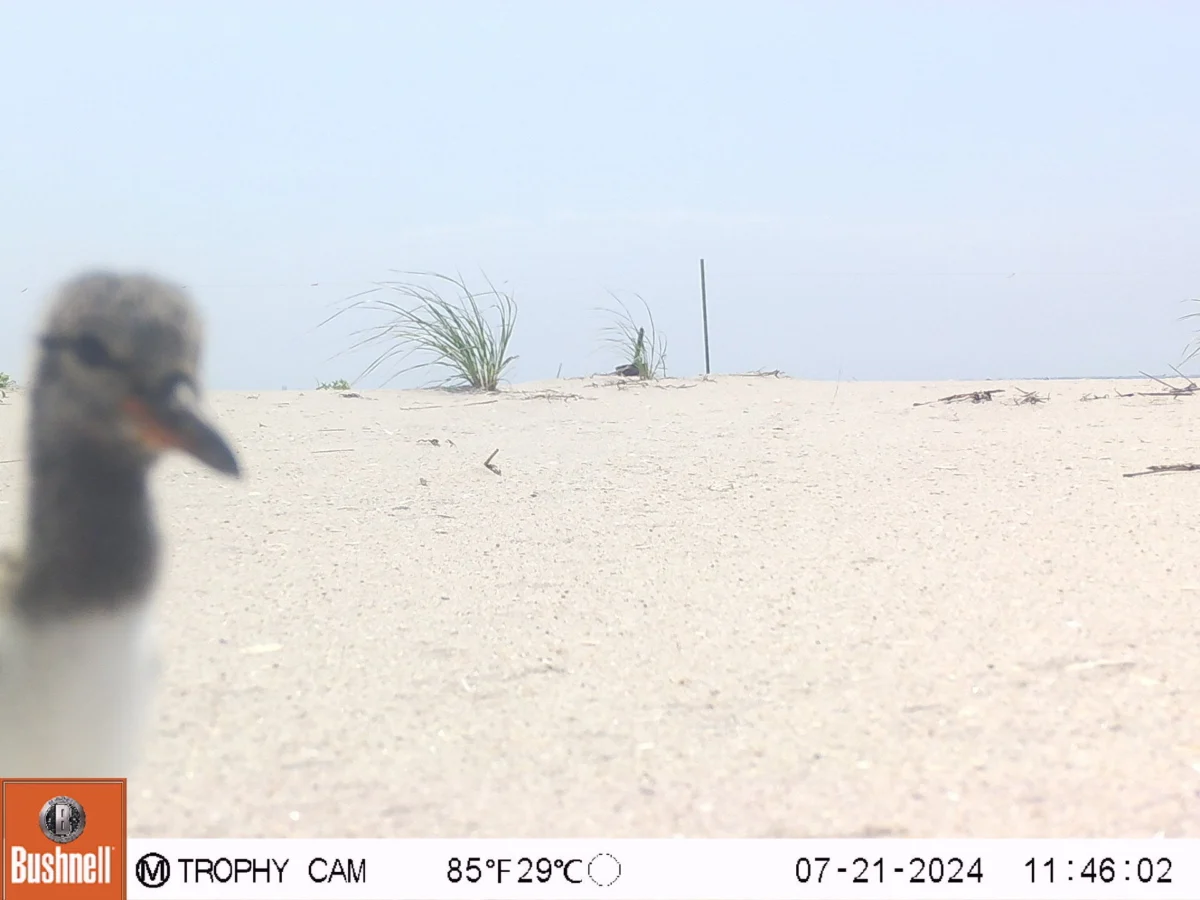
A remarkable success story emerged from the shores of Jones Beach in the summer of 2024, as an American Oystercatcher chick, the first to hatch at the site in four years, successfully entered the world. This pivotal event, serendipitously captured on camera, marked a turning point in the Audubon Society’s decade-long efforts to understand and mitigate the mysterious decline in hatching success for these distinctive coastal birds on Long Island. The "American Oystercatcher Camera Project," initiated after years of puzzling observations, has since expanded, providing unprecedented visual data on the myriad threats facing these charismatic shorebirds, from opportunistic predators to human disturbance and the vagaries of weather. The findings from the project are not only shedding light on specific challenges but are also poised to reshape conservation strategies across Long Island’s vital coastal ecosystems.
A Decade of Concern: The Vanishing Chicks of Long Island (2014-2023)
For over a decade, the National Audubon Society, in collaboration with its dedicated partners, has maintained a vigilant presence along Long Island’s beaches, monitoring the delicate balance of its coastal bird populations. Since 2014, their focus has included the American Oystercatcher ( Haematopus palliatus ), a striking shorebird characterized by its bright red-orange bill, black head, and white belly. These birds are critical indicators of estuarine health, relying on healthy shellfish populations for their diet of oysters, clams, and mussels. Despite consistent monitoring and the establishment of protective measures, Audubon scientists began noticing a troubling trend: while American Oystercatchers were building nests with regularity on Long Island beaches, the successful hatching of chicks was becoming increasingly rare.
This phenomenon stood in stark contrast to the fortunes of other beach-nesting species, such as the federally protected Piping Plover (Charadrius melodus). Plovers, alongside various tern species, were demonstrably benefiting from Audubon’s stewardship and monitoring initiatives. These efforts typically involve proactive measures implemented early in the nesting season, including the erection of string fencing to demarcate and protect nesting areas from human intrusion and the strategic placement of wire exclosures around Plover nests to deter ground predators. The larger size of oystercatchers, however, prevents the use of similar exclosures, leaving their nests more exposed. Additionally, Audubon regularly conducts public outreach days, educating beachgoers on the importance of respecting nesting sites and minimizing disturbance. The discrepancy in hatching success between species, particularly within similarly protected zones, presented a confounding puzzle for conservationists.
The lack of hatching success for oystercatchers was particularly concerning given the broader challenges facing coastal bird populations. American Oystercatchers are designated as a species of special concern in several states along the Atlantic Flyway, vulnerable to habitat loss due to coastal development, sea-level rise exacerbated by climate change, and persistent human disturbance on recreational beaches. Their relatively long incubation period and dependence on specific intertidal zones for foraging make them particularly susceptible to disruptions. Without understanding the precise causes of nest failure, effective conservation interventions remained elusive.
Pivoting to Technology: The 2024 Pilot Program at Jones Beach
Recognizing the urgent need for direct observational data, Audubon sought and secured funding to launch the "American Oystercatcher Camera Project." This initiative represented a strategic shift, moving beyond traditional ground surveys to employ technology for round-the-clock surveillance of nesting sites. The inaugural phase of the project commenced in the 2024 nesting season, with two high-definition cameras strategically deployed at Jones Beach, a popular and extensive coastal park known for its significant bird populations but also high levels of human activity.
The results of this pilot program were nothing short of revelatory. Against a backdrop of years of minimal hatching success, the cameras documented an extraordinary turn of events: four American Oystercatcher chicks successfully fledged from three nests at Jones Beach that summer. This unprecedented success, after a four-year hiatus in hatching at the site, underscored the immediate potential of the camera technology to monitor nesting dynamics without causing disturbance. While celebrating this remarkable achievement, Audubon scientists acknowledged that the pilot, while successful in demonstrating feasibility, provided limited data on the reasons behind past failures. More comprehensive, targeted observation was needed to isolate the specific environmental pressures affecting oystercatcher nests. The success of the 2024 pilot, however, offered a much-needed beacon of hope and a clear path forward for expanded research.
Scaling Up: The 2025 Comprehensive Study Across Long Island
Building on the promising results of the pilot, the project secured additional funding for the 2025 nesting season, enabling a significant expansion of its scope and ambition. This phase saw the deployment of cameras at an impressive 24 nests across three critical Long Island sites: Jones Beach, Tobay Beach in Oyster Bay, and Lido Beach and Point Lookout within the Town of Hempstead. This multi-site approach was crucial for gathering geographically diverse data and identifying potential regional variations in threats.
To manage the exponential increase in data – tens of thousands of triggered and time-lapse images – a dedicated staff person was brought on board. This individual’s expertise was vital for meticulously reviewing the vast amount of footage, identifying critical events, and categorizing observations. The deployment strategy was carefully planned, with all cameras installed between April and July to minimize disturbance to late-season nests. Working closely with their conservation partners, Audubon teams identified suitable nesting pairs for monitoring, deliberately varying camera placement to observe both older, established nesting pairs and newer, potentially less experienced ones. This nuanced approach aimed to uncover any correlations between pair experience and nesting success or vulnerability to specific threats.
The detailed observations from the 2025 season provided a granular understanding of the challenges. Out of the 24 monitored nests, nine successfully hatched, while 15 ultimately failed. The camera footage unequivocally identified the primary culprits behind these failures: mammalian predators. Domestic and feral cats, red foxes, and raccoons were frequently documented preying on eggs or chicks. These opportunistic predators, often habituated to human presence and benefiting from readily available food sources in developed coastal areas, pose a significant threat to ground-nesting birds.
Beyond predation, the cameras also revealed other forms of disturbance, some surprisingly innocuous. For instance, an owl was observed landing near a nest, but the footage clarified it was not preying on the oystercatchers; rather, it merely sought a quiet spot to consume its own catch. More concerning, however, was the recorded evidence of human disturbance. Beachgoers were observed tossing trash near nesting sites, inadvertently attracting predators and potentially causing direct disruption to the nesting birds. Such incidents highlight the persistent challenge of coexisting with wildlife in popular recreational areas and underscore the ongoing need for public education.
Technological Triumphs and Remaining Hurdles
The 2025 season was a testament to the refinement of the project’s technical execution. Audubon teams reported significant improvements in camera deployment techniques, leading to more effective monitoring and minimal impact on the nesting birds. Crucially, none of the deployed cameras were damaged or stolen, a common risk in public areas, indicating successful integration and acceptance. The American Oystercatchers themselves exhibited minimal disturbance from the cameras, with only a few curious chicks showing passing interest in the new fixtures in their environment. This confirmed the non-invasive nature of the monitoring technology.
However, the project also identified areas for improvement and further technological adaptation. Environmental factors, particularly fog and other adverse weather conditions, occasionally impacted camera visibility, obscuring critical events. More notably, the existing camera setup, while effective against larger predators, frequently missed the presence and activities of smaller threats, such as ghost crabs. These crustaceans, while small, can be significant predators of eggs and newly hatched chicks, particularly in sandy coastal environments. Addressing this gap will require future adjustments to camera placement, sensitivity, or possibly the integration of complementary monitoring tools.
The Broader Ecological Picture: Threats to Coastal Birds
The findings of the American Oystercatcher Camera Project resonate with broader ecological concerns facing coastal bird populations across the Atlantic Flyway. American Oystercatchers, like Piping Plovers and various tern species, are highly vulnerable to the triple threat of habitat loss, human disturbance, and climate change. Coastal development continues to erode essential nesting and foraging grounds. The very beaches that attract tourists are also critical nurseries for these birds, creating inevitable conflicts. Human activities, from uncontrolled pets to recreational vehicles and discarded litter, directly contribute to nest failure and chick mortality.
Furthermore, the escalating impacts of climate change, particularly sea-level rise and increased intensity of coastal storms, pose an existential threat. Higher tides can inundate nests, and eroded beaches reduce available nesting habitat. The data gathered by the camera project on specific predator types is invaluable, as it allows conservationists to tailor predator management strategies, potentially including targeted trapping or deterrents where appropriate, or focusing on reducing attractants like unsecured trash that draw predators to nesting areas.
Collaborative Conservation and Future Horizons
The success and insights of the American Oystercatcher Camera Project are a testament to collaborative conservation. The work is made possible through the generous funding of the Robert F. Schumann Foundation and The National Fish and Wildlife Foundation, whose support underscores the significance of this research for broader wildlife conservation efforts. These partnerships extend to local beach managers and community groups, whose cooperation is essential for implementing protective measures and fostering public awareness.
Looking ahead, the American Oystercatcher Camera Project is poised for further expansion in the upcoming season, with plans to deploy cameras at additional beaches and nesting sites across Long Island. This expansion will build upon the refined techniques and lessons learned from the previous seasons. A significant new component will be the fitting of a small number of oystercatchers with GPS transmitters. This innovative step will provide crucial data not only on nesting success but also on the birds’ foraging patterns, migratory routes, and overall habitat use throughout their life cycle. Combining camera observations with GPS telemetry will create a holistic understanding of the birds’ ecological needs and vulnerabilities, allowing for more targeted and effective conservation interventions.
Implications for Coastal Ecosystem Management
The conclusive evidence being gathered by the camera project is invaluable for informing adaptive management strategies at each beach nesting site. The detailed identification of specific predators, the patterns of human disturbance, and the impact of environmental factors provide actionable intelligence. Audubon and its partners look forward to working directly with beach managers and local authorities to implement data-driven solutions. This might include enhanced predator control measures, stricter enforcement of leash laws for pets, improved waste management protocols, or modified public access during critical nesting periods.
Ultimately, the shared goal among all stakeholders – conservation organizations, funders, local governments, and the public – is to protect these iconic birds and facilitate the growth of their populations. The American Oystercatcher, with its distinctive call and vibrant presence, is more than just a beautiful bird; it is a vital component of Long Island’s coastal heritage and a sentinel of the health of its marine ecosystems. Through continued research, technological innovation, and collaborative action, there is a renewed optimism that the future for American Oystercatchers on Long Island can be one of resilience and thriving populations.