
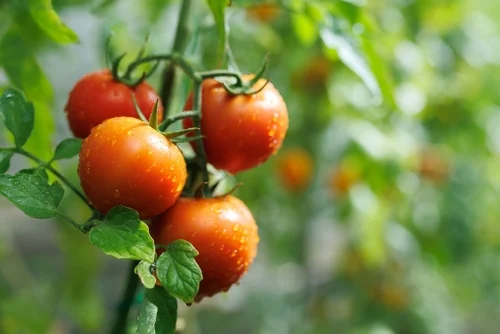
The integration of garden produce into the diets of backyard poultry has become a standard practice among modern homesteaders, yet the inclusion of tomatoes requires a nuanced understanding of botanical chemistry and avian physiology. As members of the Solanaceae family, commonly known as nightshades, tomatoes (Solanum lycopersicum) contain specific alkaloids that serve as natural pesticides for the plant but can pose significant health risks to livestock if consumed improperly. While ripe tomatoes are generally considered a safe and nutritious treat for adult chickens, the green components of the plant—including the stems, leaves, and unripe fruit—harbor concentrations of solanine and tomatine that can lead to severe toxicity. Understanding the balance between these nutritional benefits and chemical risks is essential for maintaining flock health in an era where supplemental foraging is increasingly popular.
The Botanical Chemistry of the Solanaceae Family
The Solanaceae family encompasses a wide range of plants, including essential food crops like potatoes, peppers, and eggplants, as well as highly toxic species such as belladonna (deadly nightshade). The primary defense mechanism of these plants involves the production of glycoalkaloids, specifically solanine and tomatine. These compounds are designed to deter insects and herbivores from consuming the plant before the seeds are ready for dispersal.

Solanine is a bitter-tasting steroidal alkaloid that acts as a cholinesterase inhibitor. In the context of avian biology, it interferes with the body’s ability to regulate acetylcholine, a neurotransmitter vital for nervous system function. When a chicken ingests high levels of solanine, the resulting chemical imbalance can lead to a breakdown in neurological coordination and digestive distress. Tomatine, while similar, is found specifically in tomato plants. While some research suggests that tomatine is slightly less toxic to certain animals than solanine, its presence in green tomatoes and foliage remains a primary concern for poultry keepers.
As a tomato ripens, the concentration of these glycoalkaloids drops precipitously. The plant undergoes a chemical transformation where the toxic alkaloids are metabolized, making the fruit palatable and safe for consumption. This biological "off-switch" is the reason why a bright red, fully ripe tomato is a nutritional powerhouse, while a firm, green tomato remains a potential hazard.
Clinical Symptoms of Glycoalkaloid Poisoning in Poultry
Identifying the signs of toxicity early is critical for the survival of a bird that has scavenged in a tomato patch. Because chickens are opportunistic omnivores, they may inadvertently consume leaves or fallen green fruit if their primary food source is insufficient or if they are granted unrestricted access to a vegetable garden.

Symptoms of solanine poisoning in chickens are often progressive. Initial signs usually manifest as digestive upset, including severe diarrhea and abdominal pain. As the toxin enters the bloodstream and affects the nervous system, the bird may exhibit a slowed pulse and a noticeable drop in body temperature. In advanced cases, the respiratory system is compromised, and the bird may suffer from paralysis or sudden death.
Tomatine poisoning presents with slightly different clinical markers, though there is significant overlap. Owners should monitor for nausea, visible cramping (often manifested as the bird hunching or withdrawing from the flock), and persistent diarrhea. Because chickens have a high metabolic rate, the onset of these symptoms can occur within hours of ingestion. Veterinary experts emphasize that young chicks, elderly hens, and birds with underlying health conditions are at the highest risk, as their immune systems and organs are less capable of processing and expelling these toxins.
Nutritional Profile and Health Benefits of Ripe Tomatoes
Despite the risks associated with the green parts of the plant, ripe tomatoes offer a sophisticated array of nutrients that can enhance the overall health of a poultry flock. When fed as a controlled supplement, tomatoes provide essential vitamins and minerals that support various biological functions:

- Antioxidants and Carotenoids: Tomatoes are a primary source of lycopene, a powerful antioxidant. In poultry, antioxidants help combat oxidative stress, which can improve the bird’s longevity and resistance to environmental stressors.
- Vitamin A: Essential for vision health and the maintenance of epithelial tissues, Vitamin A plays a crucial role in preventing respiratory infections and maintaining the quality of the skin and feathers.
- Vitamin C: While chickens can synthesize their own Vitamin C, supplemental intake during periods of heat stress or illness can provide a significant boost to the immune system.
- Vitamin K: This vitamin is vital for blood clotting and bone metabolism. Adequate Vitamin K levels ensure that hens maintain strong skeletal structures, which is particularly important for high-production egg layers.
- Potassium: This mineral supports heart health and fluid balance within the bird’s body.
Furthermore, the high water content in ripe tomatoes makes them an excellent hydrating treat during peak summer months. The presence of fiber also aids in digestive regularity, provided the fruit is offered in moderation.
Management Strategies: The 10% Rule and Feeding Guidelines
To maximize the benefits of garden treats while minimizing risk, poultry nutritionists recommend adhering to the "10% Rule." This guideline dictates that treats, including fruits, vegetables, and scratch grains, should comprise no more than 10% of a chicken’s total daily caloric intake. For the average adult hen, this equates to approximately one to two tablespoons of supplemental food per day.
The remaining 90% of the diet must consist of a high-quality, nutritionally balanced commercial feed. These feeds are scientifically formulated to provide the exact ratios of protein, calcium, and amino acids required for egg production and metabolic health. Overloading a chicken’s diet with tomatoes—even ripe ones—can dilute the intake of these essential nutrients, leading to thin eggshells or protein deficiencies.

Chronological management of the garden is also essential. During the spring and early summer, when tomato plants are growing rapidly and fruit is predominantly green, chickens should be fenced away from the garden beds. It is only during the late summer harvest, when the fruit has reached full maturity and the solanine levels have dissipated, that keepers should consider sharing the bounty with their flock.
Historical Context and Evolutionary Adaptation
The relationship between poultry and nightshade plants has evolved alongside human agriculture. Historically, chickens were kept as scavengers on farms where they had access to various vegetable scraps. Traditional "old-timers" methods often involved tossing kitchen waste into the coop, but modern avian science has refined our understanding of why certain birds survived these practices while others did not.
Chickens have a limited number of taste buds compared to mammals, which makes them less likely to be deterred by the bitter taste of solanine. This lack of a natural "warning system" places the burden of safety entirely on the keeper. In a wild or feral state, chickens might avoid toxic plants due to the availability of other forage, but in a confined backyard setting, the lack of variety may drive them to eat plants they would otherwise ignore.

Comparative Risk Analysis: Tomatoes vs. Other Nightshades
While the focus is often on tomatoes, other garden staples in the Solanaceae family present similar challenges.
- Potatoes: Raw green potatoes and potato sprouts (eyes) contain much higher concentrations of solanine than tomatoes. While cooked potatoes are safe, the raw peels are a frequent source of poultry poisoning.
- Peppers: Like tomatoes, the fruit of bell peppers and hot peppers is safe when ripe, but the leaves and stems are toxic. Interestingly, chickens lack the receptors to feel the "heat" of capsaicin, making hot peppers a safe treat for them, though the green parts of the plant remain off-limits.
- Eggplants: These follow the same rule as tomatoes; only the fully matured fruit should be fed, and in limited quantities.
By understanding this family-wide trait, poultry keepers can implement a holistic safety plan for their entire vegetable garden.
Broader Implications for Flock Management and Bio-Security
The decision to feed tomatoes to chickens reflects a broader trend toward sustainable, circular food systems in residential settings. By recycling garden surplus through poultry, homeowners can reduce waste and produce high-quality eggs. However, this practice must be tempered with a commitment to bio-security and nutritional science.

Agricultural extension offices and veterinary pathologists continue to study the long-term effects of dietary alkaloids on avian health. While acute poisoning is the most immediate threat, there is ongoing discussion regarding the potential for sub-clinical toxicity, where low-level exposure to glycoalkaloids might not kill a bird but could lead to reduced egg production or weakened immune responses over time.
For the modern backyard chicken keeper, the takeaway is one of cautious moderation. The tomato is neither a universal superfood nor a forbidden fruit; rather, it is a complex biological entity that requires respect and proper handling. By ensuring that only the ripest fruit is provided and that the toxic green elements of the plant remain strictly out of reach, keepers can safely enjoy the benefits of integrated gardening. This balanced approach ensures that the flock remains healthy, productive, and vibrant throughout the growing season and beyond.