
Governor Michelle Lujan Grisham signed the state budget into law on March 11, a decisive act that solidified the legislative victories. Central to these achievements were substantial appropriations directed towards critical water initiatives. The budget included a robust $13 million allocation for the River Stewardship Program and an additional $10 million for the Strategic Water Reserve, representing a significant financial commitment to protecting and restoring New Mexico’s vital waterways. These investments are particularly noteworthy given the state’s ongoing battle with persistent drought, climate change impacts, and the urgent need to bolster its natural infrastructure against future ecological challenges.
Historic Investments in Water Security and Riparian Health
The River Stewardship Program, housed within the New Mexico Environment Department (NMED), is a cornerstone of the state’s riparian restoration efforts. This program awards grants to a diverse array of organizations, including local communities, conservation groups, and tribal entities, for projects focused on enhancing and restoring riparian ecosystems across New Mexico. These projects range from invasive species removal and native plant reintroduction to stream bank stabilization and habitat improvement for various wildlife species. Historically, the program has operated with limited funding, typically receiving around $2 million annually through the Land of Enchantment Legacy Fund and only a few additional millions from the state legislature each year. The overwhelming interest in the program, often resulting in grant requests far exceeding available funds, underscores the critical need for expanded investment.
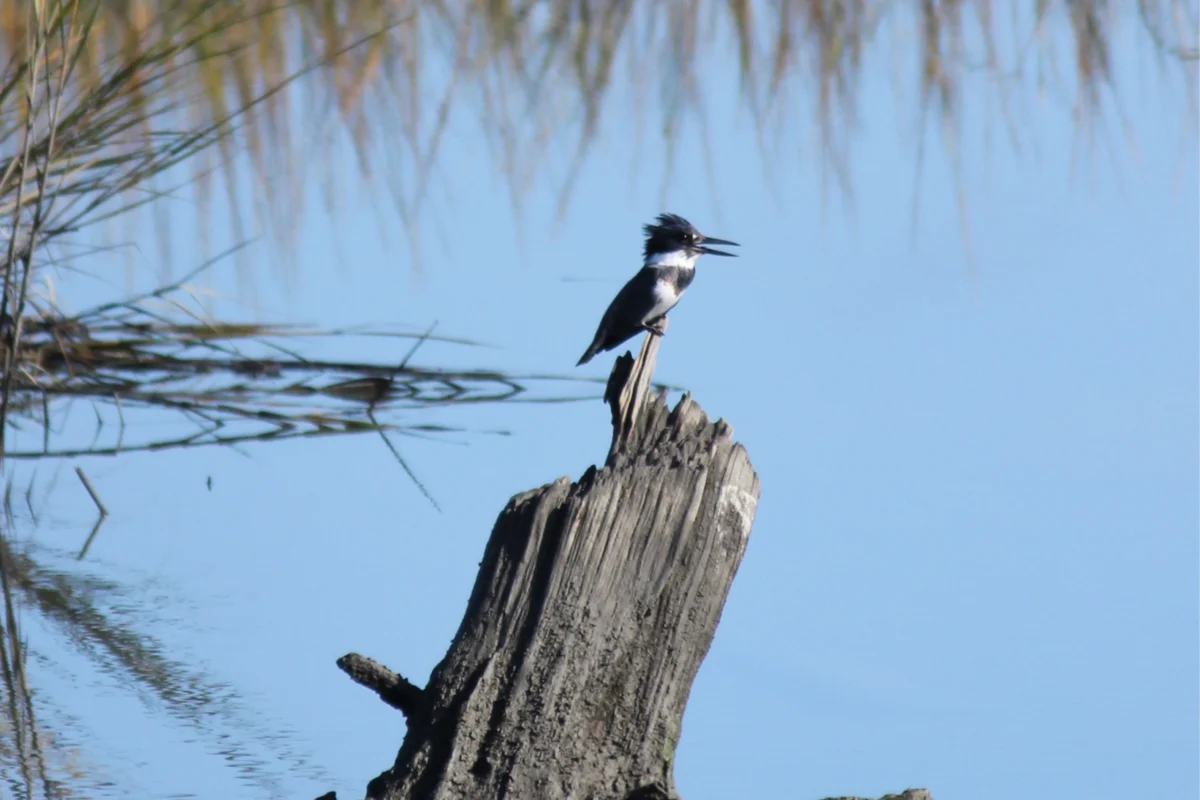
The unprecedented $13 million appropriation in 2026 represents a more than fivefold increase over typical legislative contributions, signaling a profound shift in the state’s approach to water and habitat restoration. Riparian areas – the green ribbons of vegetation along rivers and streams – are ecological hotspots, providing disproportionately high biodiversity and essential ecosystem services in arid landscapes like New Mexico. They act as natural filters, improving water quality, recharging groundwater, stabilizing soils, and mitigating flood impacts. Crucially, these areas are indispensable for a vast array of wildlife, with studies indicating that approximately 80% of New Mexico’s at-risk bird species are entirely riparian-dependent. This significant investment is expected to catalyze a new era of large-scale restoration projects, offering a lifeline to these fragile ecosystems and the myriad species that rely upon them.
Similarly, the Strategic Water Reserve (SWR) received a substantial boost with a $10 million appropriation. Managed by the Interstate Stream Commission (ISC), the SWR is a vital mechanism for ensuring the state’s compliance with interstate water compacts and for providing water for environmental and recreational purposes. The SWR is authorized to purchase or lease water rights from willing sellers and then release that water into rivers and streams as needed. This flexibility allows New Mexico to meet its obligations under agreements like the Rio Grande Compact, which governs water allocations between Colorado, New Mexico, and Texas, particularly during periods of drought when meeting downstream delivery requirements becomes challenging.
Beyond compact compliance, the SWR plays a critical role in supporting endangered species, such as the Rio Grande silvery minnow and the southwestern willow flycatcher, which require specific in-stream flow regimes to survive and reproduce. The reserve also facilitates recreational activities like fishing and rafting by maintaining adequate water levels. Like the River Stewardship Program, the SWR has historically operated with comparatively smaller budgets, limiting its capacity to acquire sufficient water rights to address the state’s complex and escalating water demands. This new influx of funds will empower the ISC to strategically place water in rivers and streams that are in dire need, enhancing ecological resilience and supporting a more balanced approach to water management in a state where every drop counts.
Officials from the New Mexico Environment Department expressed enthusiasm for the increased funding, with an NMED spokesperson stating, "This historic investment in the River Stewardship Program will allow us to scale up our efforts dramatically, tackling more projects and protecting more of New Mexico’s precious riparian habitats. It’s a recognition of the vital role these ecosystems play in our state’s environmental health and resilience." Similarly, a representative from the Interstate Stream Commission noted, "The $10 million for the Strategic Water Reserve is a game-changer. It provides us with the necessary resources to proactively manage our water resources, ensuring we can meet our compact obligations while simultaneously supporting critical ecological and recreational needs."
Advancing Data-Driven Environmental Policy
Beyond water initiatives, the 2026 session also secured $2 million for the University of New Mexico (UNM) to update and expand the Environmental Database, an innovative resource that Audubon Southwest helped establish in 2021. This database is a centralized repository for much of New Mexico’s environmental and public health data, consolidating information that was previously scattered across various state agencies and institutions. Its primary purpose is to provide policymakers, researchers, and the public with a single, accessible platform for examining environmental trends, assessing risks, and facilitating more informed decision-making across different state departments.
The initial creation of the database was a significant step towards improving transparency and data accessibility. The new funding is earmarked for transforming the database from a mere repository into a sophisticated analytical tool. The goal is to develop capabilities that will allow the system to begin predicting and analyzing potential impacts from proposed development projects, climate change scenarios, and other environmental stressors. This enhanced functionality will enable state agencies to conduct more robust environmental reviews, anticipate future challenges, and formulate proactive strategies for mitigating adverse effects on New Mexico’s environment and public health.
A UNM project lead commented on the new funding, stating, "This $2 million investment is crucial for evolving the Environmental Database into a cutting-edge analytical platform. We envision a system that not only houses data but actively helps us understand complex environmental interactions and forecast future impacts, empowering New Mexico to make smarter, more sustainable decisions for generations to come." This move towards predictive analytics aligns with national trends in environmental governance, emphasizing the importance of robust, accessible data for effective policy implementation and adaptive management in the face of rapid environmental change.
Modernizing New Mexico’s Wildlife Management Framework
A significant legislative achievement that completed a multi-year effort was the passage and enactment of Senate Bill 104 (SB 104). This bill represented the final piece in a comprehensive puzzle aimed at modernizing the New Mexico Department of Game and Fish. The journey towards this modernization began with Senate Bill 5 (SB 5), passed in the preceding year’s session, which laid much of the groundwork for reform.
SB 5 accomplished four key objectives:
- Renamed the Department: It officially changed the name of the agency to the Department of Wildlife, reflecting a broader mandate that extends beyond traditional game species to encompass all wildlife within the state.
- Updated Fee Structure: It revised the fee structure for hunting and fishing licenses, aiming to create a more sustainable funding model for the department’s operations and conservation efforts.
- Clarified Authority: It explicitly clarified the department’s authority to work on all species, including previously overlooked but ecologically vital groups such as pollinators. This expansion of scope recognizes the interconnectedness of ecosystems and the importance of conserving biodiversity at all levels.
- Depoliticized the Game Commission: Perhaps the most impactful change, SB 5 introduced measures to depoliticize the Game Commission, the body responsible for setting wildlife policy and overseeing the department. This included specifying qualifications for commissioner positions and establishing a nominating committee to provide the Governor with a slate of qualified, diverse candidates, thereby reducing the potential for politically motivated appointments.
However, a critical component of SB 5—a process for the removal of Commissioners—was vetoed by the Governor in 2025, leaving a gap in the reform efforts. This year, through SB 104, a compromise was successfully negotiated and enacted into law. The new removal process stipulates that while the Governor retains the authority to initiate the removal of a Commissioner, the matter must then immediately proceed to the state Supreme Court for a hearing. The Supreme Court’s role is to determine whether the Commissioner was removed for "causes specified in law," rather than at the Governor’s discretion. This mechanism is crucial for ensuring that Commissioners can only be removed for legitimate, legally defined reasons, such as malfeasance or dereliction of duty, thereby safeguarding the commission from arbitrary political interference and ensuring stability in leadership. It provides a clear and relatively swift judicial review process, balancing gubernatorial authority with the need for independent oversight in wildlife management.
The successful passage of SB 104 was met with relief and praise from conservation groups and legislative proponents. A spokesperson for a coalition of wildlife advocacy organizations stated, "The passage of SB 104 completes a vital reform package. This new removal process ensures that our Game Commissioners can serve without fear of arbitrary dismissal, allowing them to focus on sound, science-based wildlife management for the long term. It’s a testament to collaborative governance." This modernization effort is expected to foster greater trust in the Department of Wildlife, improve its operational efficiency, and enhance its capacity to protect New Mexico’s diverse wildlife populations, from iconic game animals to essential pollinators.
Broader Impact and Future Outlook
The 2026 legislative session, despite its compressed timeframe, delivered significant victories for New Mexico’s environment and natural resources. The substantial funding for the River Stewardship Program and the Strategic Water Reserve underscores a growing recognition of the urgency of water conservation and riparian restoration in a desert state grappling with climate change. These investments are not merely financial allocations; they represent a commitment to the long-term ecological health and economic stability of New Mexico, impacting everything from agricultural resilience to the vibrancy of outdoor recreation.
The expansion of the Environmental Database signifies a forward-thinking approach to governance, leveraging technology and data science to create a more transparent, evidence-based framework for environmental and public health decision-making. This move will empower state agencies to be more proactive in addressing environmental challenges and to implement policies grounded in comprehensive information.
Finally, the completion of the Game and Fish Department modernization package with SB 104 solidifies a framework for professional, science-driven wildlife management. By depoliticizing the commission and clarifying its authorities, New Mexico is positioning itself as a leader in comprehensive wildlife conservation, ensuring that the state’s natural heritage is managed with integrity and expertise for future generations.
As New Mexico looks ahead to the longer 2027 legislative session, which will allow for more extensive policy discussions, the achievements of 2026 provide a strong foundation. The progress made in securing crucial funding and implementing key policy reforms, particularly in areas as vital as water and wildlife, reflects a concerted effort by legislators, the Governor, and engaged citizens. The positive outcomes of this "short" session serve as a powerful reminder of what can be achieved through focused advocacy and collaborative governance, setting a hopeful precedent for continued environmental progress in the Land of Enchantment.