
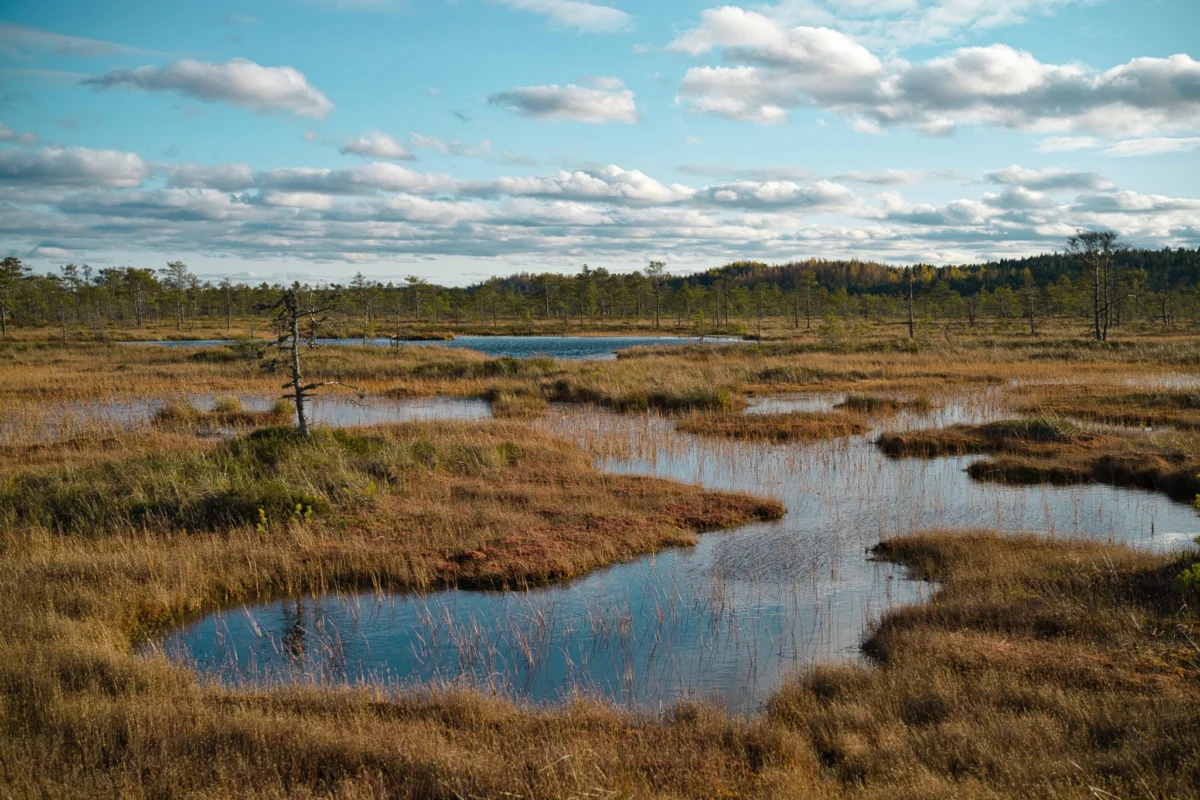
A groundbreaking scientific paper published in the prestigious journal Science introduces a novel framework designed to simplify and accelerate climate action by standardizing the measurement of mitigation efforts. This innovative approach, termed "climate wedges," not only clarifies the comparative impact of diverse strategies but also significantly elevates the profile of peatland restoration as a critical, albeit often overlooked, solution in the global fight against climate change.
The study, titled "Comparing Climate Mitigation Strategies Using a Wedge Framework," offers a clear and accessible method for quantifying the impact of various climate actions. Each "wedge" represents a significant reduction in global emissions, specifically defined as a 4% decrease in annual global emissions, or approximately 2 billion tonnes of CO2 equivalent, by the year 2050. This unit of measurement allows for direct comparison between vastly different interventions, ranging from scaling up renewable energy sources like solar power to reducing air travel and expanding forest cover.
Democratizing Climate Action: The "Wedge" Framework Explained
The core objective behind the development of the wedge framework is to make complex climate modeling and decision-making more accessible to a broader audience, extending beyond the realm of specialized energy modelers. At a time when net-zero emissions plans are facing increased scrutiny and pushback due to concerns over energy costs, economic livelihoods, and national security, the paper argues that public trust and engagement are contingent upon climate strategies being transparent, understandable, and open to public discourse.
While many well-established climate solutions have garnered significant attention, the Science paper highlights that some of the most potent levers for climate mitigation are currently operating in relative obscurity. Among these, the strategic investment in healthy peatlands is identified as one of the top 36 most effective climate mitigation strategies. The study posits that peatland protection, restoration, and rewetting initiatives can deliver climate benefits on a scale comparable to much larger and more conspicuous interventions, all while requiring a comparatively smaller land footprint.
Peatlands: The Carbon-Dense Giants of Climate Mitigation
The research meticulously details how peatlands, despite covering a relatively small percentage of the Earth’s land surface, are unparalleled carbon sinks. These unique ecosystems, when kept wet and undisturbed, store vast quantities of carbon. However, when peatlands are drained for agricultural, forestry, or other land-use purposes, the peat soil begins to oxidize. This process releases the stored carbon into the atmosphere, transforming these ancient carbon reservoirs into significant sources of greenhouse gas emissions. Consequently, rewetting degraded peatlands is presented as an essential strategy not only for halting these emissions but also for mitigating the risk of wildfires and initiating ecological recovery.
According to Dr. Nathan Johnson, a Research Associate at Imperial College London and a lead author of the study, "Peatlands cover only a few percent of Earth’s land, yet they store twice as much carbon as all the world’s forests. When land footprint is an important bottleneck for climate action, protecting and restoring peatlands is one of the most powerful ways to cut emissions without competing for vast areas of land." This statement underscores the efficiency and strategic advantage of peatland-focused climate action, especially in contexts where land availability is a constraint.
Quantifying Peatland Impact: A Full Wedge of Mitigation
The study provides a concrete example of the impact of peatland restoration: achieving one full wedge of mitigation can be accomplished by halting the drainage of tropical peatlands and restoring 90% of currently drained tropical peatland areas by 2050. This translates to approximately 18 million hectares of restored land, an area roughly equivalent to the size of Cambodia. The climate mitigation achieved through this effort is substantial, matching the impact of many headline-grabbing climate interventions, yet with a significantly smaller land requirement compared to alternatives such as large-scale forest expansion projects.
A Global Call to Action: The Peatland Breakthrough Initiative
This research emerges at a critical juncture, coinciding with the imminent launch of the "Peatland Breakthrough," a major global initiative dedicated to accelerating investment and scaling up peatland action. The Science paper provides a robust climate rationale for governments, corporations, and financial institutions to align with and support this crucial initiative.
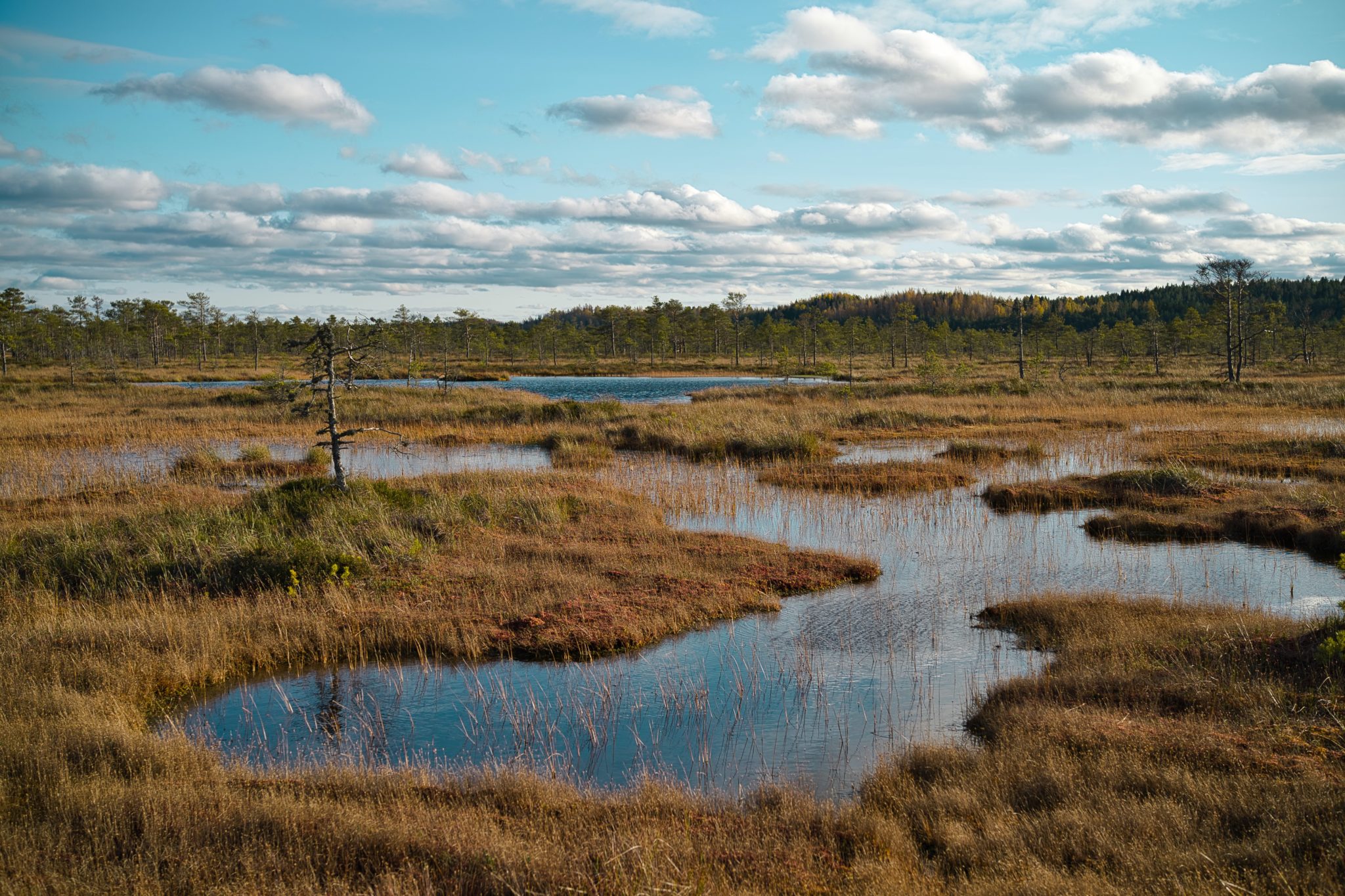
Eva Hernandez, Global Peatlands Lead for Wetlands International, commented on the paper’s significance: "Peatlands are the world’s unsung climate champions. We’ve been banging away about their huge mitigation potential for years and this paper shows clearly why governments, businesses and funders should invest in safeguarding and restoring healthy peatlands. As an added bonus, wet, healthy peatlands also enhance water security, reduce wildfires, mitigate floods and drought, and boost unique biodiversity." Her statement highlights the multifaceted benefits of peatland conservation beyond carbon sequestration, emphasizing their role in broader environmental and societal resilience.
Reframing the Climate Conversation: Beyond High-Profile Technologies
The paper’s release is particularly timely in a policy landscape that often gravitates towards high-profile technological solutions such as battery storage, nuclear power, carbon capture, and direct air capture. The "wedge" framework effectively demonstrates that many solutions with comparable climate impacts can appear vastly different in their practical implementation, and critically, that some of the most impactful strategies are readily available and often overlooked.
Illustrative Comparisons: Revealing the Scale of Action
To further illustrate the power of the wedge framework, the study draws striking comparisons:
- Dietary Shifts vs. Air Travel: Reducing global meat consumption by 30% is shown to have the same climate impact as cutting passenger air travel by 70%. This comparison highlights the significant role of individual and collective dietary choices in climate mitigation.
- Food Waste Reduction vs. Cement Production: A 51% reduction in global food loss and waste would deliver one full wedge of mitigation. In contrast, achieving the same impact would necessitate nearly complete decarbonization of the global cement production industry, a notoriously difficult sector to abate.
These comparisons serve a dual purpose: they underscore the sheer scale of action required to address the climate crisis while simultaneously revealing that there is no single, prescriptive path to a stable climate future. The paper estimates that approximately 20 wedges are needed to keep the goal of limiting global warming to 1.5°C within reach, relative to current policy trajectories. Furthermore, it suggests that over 6 trillion distinct combinations of strategies could collectively achieve this ambitious target, emphasizing the vast array of potential solutions.
Interactive Tools for Empowerment: climatewedges.com
Complementing the scientific paper, the researchers have launched an interactive online tool, climatewedges.com. This platform empowers individuals and organizations to construct their own decarbonization pathways by comparing and contrasting a wide range of mitigation options across various sectors, including energy, transportation, food systems, buildings, industry, and land use.
Dr. Johnson articulated the philosophy behind this initiative: "People should have agency over how they live and what they vote for, but must be able to compare options to do so." This statement champions a participatory approach to climate action, where informed choices are facilitated by accessible data and transparent comparisons.
Peatlands as Central Climate Strategies
For peatlands, this reframing is profoundly significant. It elevates them from the status of niche conservation projects to central climate strategies demanding substantial attention and investment. Their capacity to immediately cut emissions by halting further degradation and to slowly sequester atmospheric carbon positions them as a cornerstone of nature-based climate solutions. The co-benefits they offer, including enhanced water security, improved livelihoods, increased resilience to fire and drought, and the protection of unique biodiversity, further bolster their case as indispensable components of any comprehensive climate portfolio.
A More Compelling Mitigation Portfolio
The study also serves as a crucial reminder that climate mitigation strategies are not always additive; some interventions compete for finite resources such as land, biomass, materials, or clean electricity. In this context, peatland restoration emerges as particularly compelling. Compared to many land-intensive mitigation options, it offers disproportionately high returns from relatively modest land areas, making it a highly efficient use of resources.
As governments worldwide refine their climate action plans and societies grapple with the fairness, feasibility, and effectiveness of various pathways, the "wedge" framework provides a clearer lens through which to examine the choices ahead. For these choices to be credible and impactful, peatlands must be integrated into the global climate action narrative. Restoring and rewetting these vital ecosystems is not merely an effective method to prevent emissions from degraded landscapes and sequester carbon; it stands as a prime example of how nature-based solutions can deliver climate impact at the necessary scale.

Historical Context and Future Implications
The scientific understanding of peatlands’ role in the global carbon cycle has evolved significantly over the past few decades. Early climate models often overlooked or underestimated the contribution of these ecosystems. However, a growing body of research, culminating in this latest Science publication, has progressively illuminated their critical importance.
Historically, peatlands have been viewed primarily through the lens of land management, often as obstacles to development or sources of peat for fuel and horticulture. The economic pressures associated with agricultural expansion and forestry have led to widespread drainage and degradation across the globe. For instance, Southeast Asia, home to vast tropical peat swamp forests, has experienced extensive conversion for palm oil and acacia plantations, leading to significant carbon emissions and ecological damage.
The timeline of peatland degradation is deeply intertwined with industrialization and agricultural intensification. While precise global figures are challenging to ascertain due to historical data limitations, it is estimated that a significant portion of the world’s peatlands have been drained or degraded. This has resulted in an estimated annual release of 1 to 2 billion tonnes of CO2 into the atmosphere, making drained peatlands a substantial contributor to global greenhouse gas emissions.
The implications of this new research are far-reaching. By providing a standardized unit of comparison, the wedge framework can help policymakers allocate resources more effectively. It offers a powerful argument for increased public and private investment in peatland restoration projects, potentially unlocking significant climate finance.
The "Peatland Breakthrough" initiative, supported by this research, aims to catalyze action by bringing together governments, NGOs, private sector actors, and local communities. Its success hinges on translating scientific understanding into tangible policy and on-the-ground interventions. The initiative’s goals include developing robust monitoring systems, promoting sustainable land management practices, and fostering international cooperation.
Furthermore, the interactive climatewedges.com tool has the potential to democratize climate discourse, enabling citizens to engage more deeply with the complexities of climate action and advocate for policies that prioritize effective solutions like peatland restoration. This shift from technocratic pronouncements to public understanding and participation is crucial for building the broad societal consensus needed to tackle the climate crisis effectively.
The long-term implications of prioritizing peatland restoration extend beyond climate mitigation. The co-benefits highlighted by Wetlands International – enhanced water security, reduced wildfire risk, flood mitigation, and biodiversity conservation – contribute to broader goals of sustainable development and ecosystem resilience. In a world increasingly vulnerable to the impacts of climate change, these nature-based solutions offer a pathway towards a more secure and sustainable future.
In conclusion, the Science paper and its accompanying framework represent a significant advancement in how we conceptualize and implement climate action. By shining a spotlight on peatlands and providing a clear, quantifiable method for comparing mitigation strategies, this research empowers a more informed, inclusive, and ultimately, more effective approach to safeguarding our planet. The call to action is clear: peatlands are not a peripheral concern, but a central pillar of a viable climate future.