
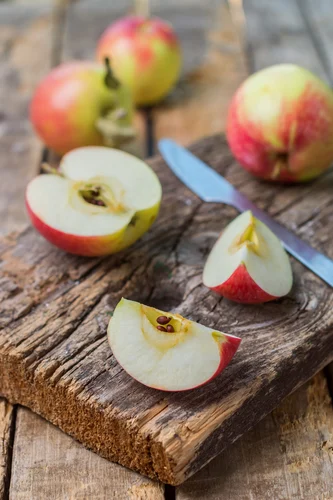
The practice of supplementing backyard poultry diets with kitchen scraps and fresh produce has seen a significant resurgence alongside the global growth of small-scale homesteading; however, avian nutritional experts are issuing renewed guidance on the specific risks associated with common fruits, particularly apples. While the flesh and skin of apples provide essential vitamins, fiber, and antioxidants that promote robust gut health in Gallus gallus domesticus, the seeds of these fruits contain amygdalin, a cyanogenic glycoside that can release lethal hydrogen cyanide upon digestion. As backyard flocks become a staple of suburban and rural ecosystems, understanding the intersection of nutritional enrichment and toxicological risk is paramount for maintaining flock longevity and egg production quality.
Nutritional Benefits and the Role of Enrichment
Apples are widely regarded by poultry nutritionists as a high-value supplemental treat. They are rich in Vitamin C, Vitamin A, and potassium, all of which contribute to a chicken’s immune system and metabolic functions. The high fiber content, specifically pectin, serves as a prebiotic that supports the microbiome of the chicken’s digestive tract. Beyond the chemical benefits, the physical structure of the apple provides an opportunity for environmental enrichment. Poultry keepers often employ creative delivery methods, such as hanging whole, cored apples from the ceiling of a coop—a practice colloquially known as "chicken tetherball." This encourages natural pecking behaviors, reduces flock boredom, and can mitigate aggressive pecking orders within the coop.
Despite these benefits, the transition from commercial feed to a diversified diet must be managed with precision. The consensus among avian experts is that supplemental treats should never exceed 10 percent of a bird’s total daily caloric intake. For an average adult hen, this equates to approximately one to two tablespoons of supplemental food per day. Over-supplementation can lead to nutritional deficiencies, as treats often lack the precise balance of protein, calcium, and amino acids found in formulated layer pellets.

The Biochemistry of Amygdalin and Cyanide Toxicity
The primary concern regarding apple consumption in poultry lies within the endocarp—the central core containing the seeds. Apple seeds contain amygdalin, a compound composed of sugar and cyanide. When the seeds are crushed or chewed, the amygdalin comes into contact with digestive enzymes, breaking down into hydrogen cyanide (HCN). In the context of a chicken’s anatomy, the gizzard—a muscular organ used to grind food with the help of ingested grit—is highly efficient at breaking down seeds, thereby facilitating the rapid release of toxins.
Cyanide is a potent respiratory inhibitor. It works by binding to the iron atom in cytochrome c oxidase, an enzyme in the mitochondria of cells. This binding prevents the cells from utilizing oxygen, effectively causing cellular asphyxiation even when oxygen is present in the blood. Because chickens have a high metabolic rate and relatively small body mass compared to humans or larger livestock, they are significantly more susceptible to acute poisoning from small doses of toxins.
Clinical Symptoms and Pathophysiology in Poultry
The manifestation of cyanide poisoning in poultry is rapid and often catastrophic. Veterinary records indicate a specific progression of symptoms that keepers must be vigilant in identifying. One of the earliest signs of respiratory distress or toxicosis in chickens is a change in the color of the comb and wattles. A healthy chicken typically displays a vibrant red comb; however, in cases of cyanide poisoning, the comb may turn a deep blue or purple hue—a condition known as cyanosis, indicating a lack of oxygenation in the blood.
Other clinical symptoms include:

- Respiratory Distress: Shortness of breath, gasping, or open-mouth breathing.
- Cardiovascular Collapse: Rapid heart rate (tachycardia) followed by cardiac arrest.
- Neurological Impairment: Loss of coordination, tremors, or loss of consciousness.
- Acute Mortality: In severe cases, the bird may enter a coma and succumb to death within minutes or hours of ingestion.
While a single apple seed is unlikely to provide a lethal dose to a healthy adult hen, the cumulative effect of multiple seeds, or the ingestion of seeds by younger, smaller, or immunocompromised birds, poses a legitimate threat.
Comparative Risks: Stone Fruits and the Broader Toxicological Landscape
The risk associated with amygdalin is not limited to apples. This chemical compound is also found in the pits of various stone fruits, including peaches, plums, apricots, and cherries. While the hard exterior of a peach or plum pit is often too robust for a chicken to crack, the kernel inside contains concentrated levels of cyanogenic glycosides. If a pit is damaged or if a bird manages to access the interior kernel, the risk of poisoning is identical to that of apple seeds.
To mitigate these risks, the standard protocol for fruit preparation involves "coring and pitting." By removing the central core of the apple or the stone from a peach before offering the fruit to the flock, keepers can provide the nutritional benefits of the fruit flesh and skin while entirely eliminating the risk of cyanide exposure. This precautionary measure is a cornerstone of modern backyard poultry management.
Chronology of Dietary Evolution in Small-Scale Poultry Farming
The history of poultry feeding has shifted dramatically over the last century. In the early 20th century, farm chickens were largely "scavengers," dietarily reliant on insects, seeds, and whatever kitchen waste was available. With the industrialization of agriculture in the 1940s and 50s, the development of scientifically formulated "complete feeds" revolutionized the industry, ensuring birds received the exact ratios of lysine, methionine, and calcium required for maximum egg output.

However, the 21st-century "backyard chicken boom"—accelerated by the 2008 economic recession and the 2020 global pandemic—has seen a return to supplemental feeding. Modern keepers view their birds not just as livestock, but as pets and "living compost bins." This shift has necessitated a more rigorous education on avian toxicology. Organizations and experts, such as Lisa Steele, a fifth-generation chicken keeper and author, have been instrumental in disseminating research-based information to hobbyists. Steele’s advocacy for natural, old-timer methods tempered with modern scientific safety standards emphasizes that while chickens are hardy, their digestive systems require specific boundaries.
Supporting Data: The Growth of the Backyard Market and Safety Awareness
Market analysis reports indicate that the global backyard poultry market is projected to grow at a compound annual growth rate (CAGR) of over 4% through 2030. In the United States alone, it is estimated that over 10 million households now keep chickens. This surge in ownership has led to an increase in veterinary consultations regarding non-infectious ailments, including dietary toxicosis.
According to data from avian diagnostic laboratories, while infectious diseases like Coccidiosis remain a primary concern, nutritional imbalances and accidental poisonings represent a growing percentage of backyard flock morbidity. Educational outreach focusing on the "10% treat rule" and the identification of toxic plants (such as nightshades, dried beans, and avocado skins) has become a priority for agricultural extension offices across North America.
Official Guidelines for Safe Treat Administration
To ensure the safety of the flock, the following guidelines are recommended by agricultural experts and experienced poultry practitioners:

- Preparation: All apples must be cored. All stone fruits must be pitted.
- Moderation: Treats should be measured. For a flock of five hens, no more than half a cup of total supplemental treats should be provided daily.
- Observation: Keepers should observe the flock during treat time to ensure that more aggressive birds do not monopolize the treats, which could lead to both nutritional imbalance and obesity.
- Freshness: Fruits should be fresh and free of mold. While chickens can eat slightly overripe fruit, moldy fruit can contain mycotoxins, which are as dangerous as cyanide.
- Variety: A diverse range of safe treats, including leafy greens (kale, spinach), berries (blueberries, raspberries), and grains (oats), should be rotated to provide a broad spectrum of nutrients.
Broader Impact and Implications for the Poultry Industry
The management of backyard poultry diets has implications that extend beyond the individual coop. Healthy, well-nourished backyard flocks contribute to the overall biosecurity of the regional poultry population. Conversely, malnourished birds or those suffering from chronic low-level toxicosis are more susceptible to viral and bacterial infections, which can potentially spread to commercial operations.
Furthermore, the quality of the eggs produced is directly tied to the hen’s diet. A diet supplemented with antioxidant-rich fruits like apples can result in eggs with higher levels of certain vitamins, though the primary driver of egg quality remains the base layer feed. The "hobbyist" movement’s focus on high-quality, safe supplementation reflects a broader consumer trend toward transparency and health in the food supply chain.
In conclusion, while apples represent an excellent source of hydration, fiber, and mental stimulation for chickens, the presence of amygdalin in their seeds necessitates a disciplined approach to feeding. By adhering to the principles of coring, pitting, and moderation, poultry keepers can safeguard their flocks from the preventable tragedy of cyanide poisoning while still enjoying the benefits of a diversified, natural diet. The synthesis of traditional farming wisdom and modern toxicological awareness remains the most effective strategy for the thriving backyard farmer.