
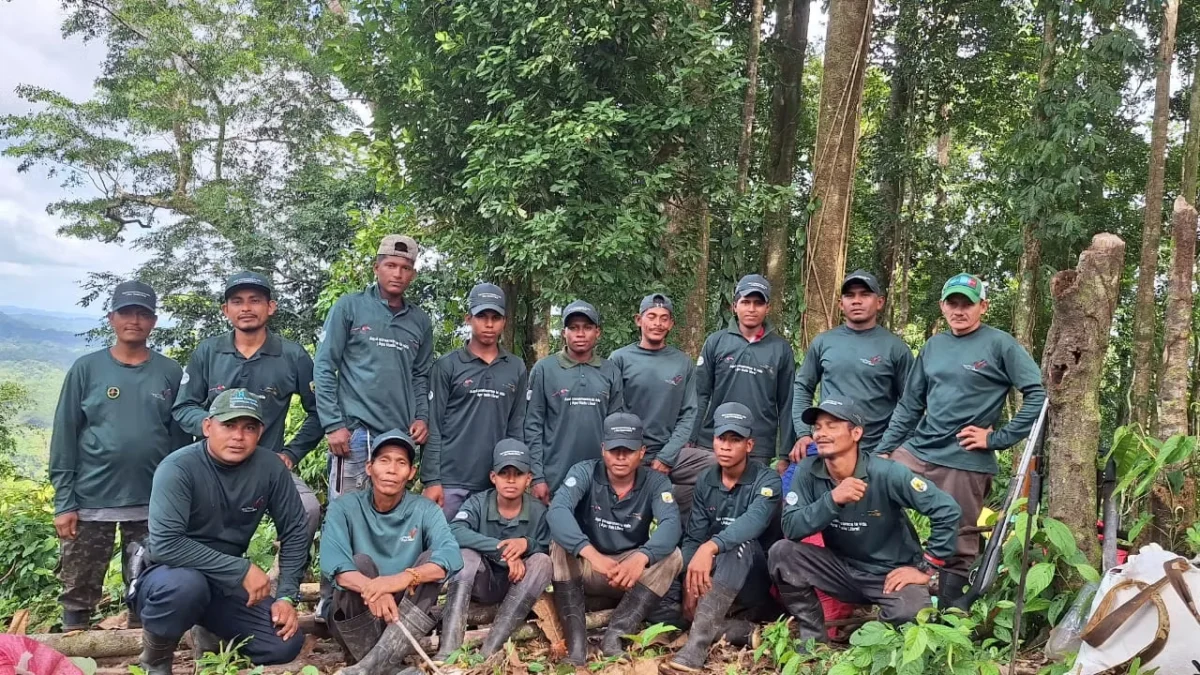
Since 2010, a dedicated collaboration between One Earth Conservation and the indigenous peoples of La Moskitia, Honduras, has been at the forefront of a vital mission to protect the region’s native macaws and their critical nesting sites. This partnership, forged in the heart of Mesoamerica’s second-largest contiguous forest, has yielded significant successes, including the protection of over 1,000 macaw nests from the pervasive threat of poaching and the successful reintegration of hundreds of birds back into their natural habitat. However, despite these commendable achievements, an estimated 20% of nests continue to fall victim to illegal trafficking, underscoring the persistent challenges faced by these vulnerable avian populations and the communities committed to their preservation.
La Moskitia, a vast and biologically rich expanse straddling the borders of Honduras and Nicaragua, is a critical stronghold for a diverse array of wildlife, most notably the magnificent scarlet macaw (Ara macao) and the striking great green macaw (Ara ambiguus). This remote and ecologically significant region is home to several indigenous groups whose ancestral lands are intrinsically linked to the health and survival of these iconic parrot species. Yet, the very biodiversity that makes La Moskitia so precious also makes it a target for destructive practices. The region grapples with a formidable array of conservation challenges, including the relentless expansion of cattle ranching, the illicit trade of flora and fauna, and the insidious encroachment of illegal land grabs. These pressures, often driven by economic motives, directly threaten the delicate balance of the ecosystem and the future of its inhabitants, both human and animal.
A Decade of Dedication and Developing Strategies
The genesis of the One Earth Conservation initiative can be traced back to 2010, when the organization recognized the urgent need for coordinated conservation efforts in La Moskitia. The initial phase involved establishing trust and fostering strong relationships with the indigenous communities, whose traditional knowledge and intimate understanding of the forest are invaluable to any conservation endeavor. This foundational period was crucial in developing culturally sensitive strategies that empowered local populations to become active stewards of their environment.
Over the ensuing years, the partnership has evolved from its nascent stages into a robust program characterized by consistent monitoring, proactive patrols, and community-led initiatives. The success in protecting over 1,000 nests represents a tangible victory, a testament to the dedication of both the conservationists and the indigenous rangers. The return of hundreds of birds to the wild further signifies the positive impact of these sustained efforts, offering a glimmer of hope in the face of ongoing threats.
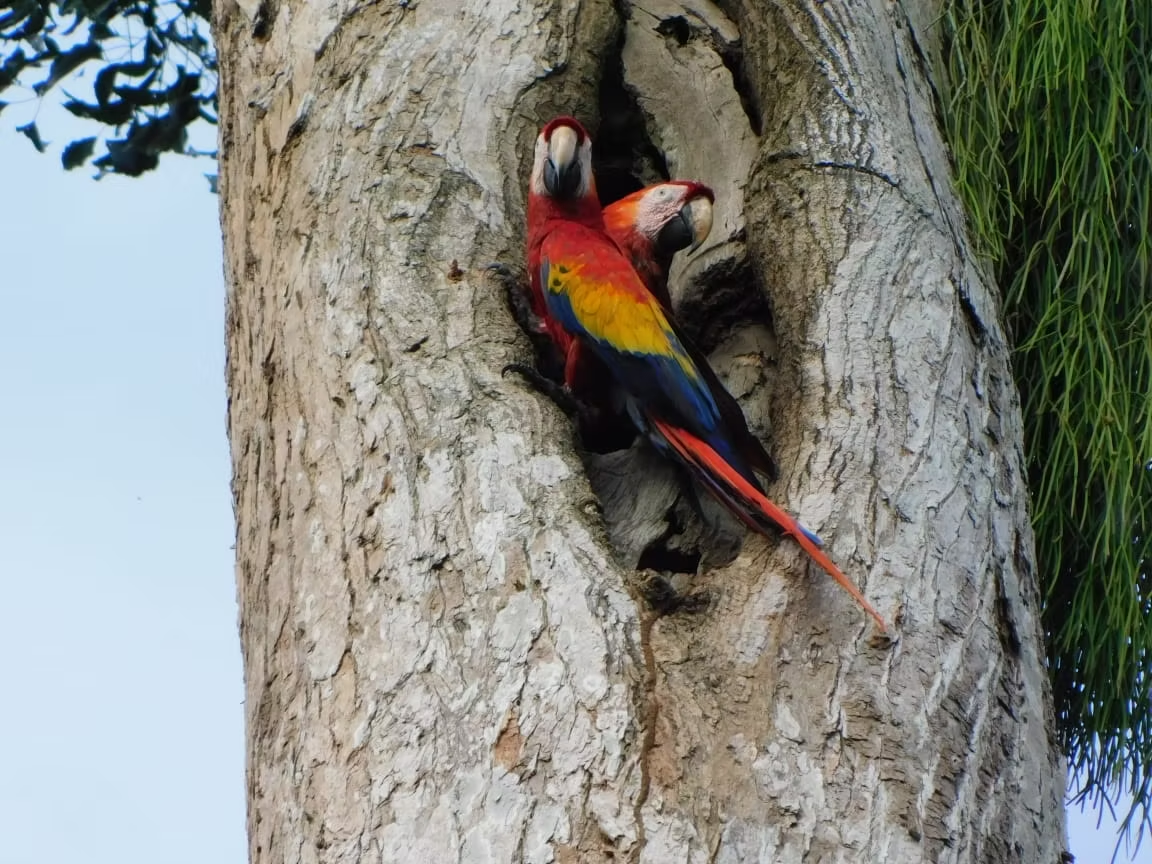
However, the persistent 20% poaching rate highlights the adaptive nature of illegal trafficking networks and the constant need for enhanced vigilance. This statistic serves as a stark reminder that conservation is not a static goal but an ongoing process that requires continuous adaptation, resource allocation, and unwavering commitment. The effectiveness of the community’s improved protection strategies, including constant patrolling and vigilance, is demonstrably making a difference, but the persistent losses indicate that the scale of the threat often outpaces the available resources.
Understanding the La Moskitia Ecosystem and Its Threats
La Moskitia’s ecological significance extends far beyond its role as a sanctuary for macaws. As the second-largest rainforest in Mesoamerica, it plays a crucial role in regional climate regulation, carbon sequestration, and maintaining biodiversity across a vast geographical area. The forest’s complex web of life supports a myriad of species, many of which are endemic or endangered. The indigenous communities inhabiting this region, such as the Miskito, Pech, and Tawahka peoples, have lived in harmony with the forest for centuries, developing sustainable practices that have historically ensured its preservation.
The contemporary threats facing La Moskitia are largely external and driven by economic pressures and demand for natural resources. Cattle ranching, often carried out illegally, leads to deforestation and habitat fragmentation, displacing wildlife and disrupting ecological processes. The illegal trafficking of flora and fauna, including the highly sought-after macaws and their eggs, fuels a lucrative black market that incentivizes poaching and exposes the birds to inhumane conditions during transport. Illegal land grabs, frequently for agricultural purposes or resource extraction, further exacerbate habitat loss and create conflict between local communities and external actors.
The cultural and economic fabric of the indigenous communities is also intertwined with the health of the rainforest. Their livelihoods, traditions, and spiritual practices are deeply connected to the natural environment. The degradation of the forest and the depletion of its resources directly impact their well-being and their ability to maintain their cultural heritage. Therefore, the conservation of La Moskitia is not merely an environmental issue; it is also a matter of social justice and cultural preservation.
The Crucial Role of "Parrot Rangers" and Community Vigilance
Dr. LoraKim Joyner, a prominent figure from One Earth Conservation, has been a driving force behind the La Moskitia initiative for over 15 years. Her deep-seated commitment to the region and its inhabitants has fostered a unique bond with the villagers, who have become indispensable partners in the conservation efforts. Dr. Joyner’s personal involvement, including plans to camp under the trees during the critical nesting months of March and April, underscores the urgency and dedication required to protect these vulnerable birds. This hands-on approach, alongside the unwavering efforts of the local "Parrot Rangers," is vital during the breeding season when macaws and their offspring are most susceptible to threats.
The "Parrot Rangers" are indigenous individuals who have been trained and equipped to monitor macaw populations, identify nesting sites, and deter poachers. Their intimate knowledge of the forest, combined with their commitment to protecting their natural heritage, makes them exceptionally effective in their role. However, the sheer scale of La Moskitia and the constant pressures from illegal activities mean that these rangers are often stretched thin. The need for additional personnel to support their patrols, especially during peak vulnerability periods, is a recurring and critical requirement.
The concept of "Unconditional Solidarity" championed by One Earth Conservation emphasizes the ethical imperative of standing with communities facing environmental challenges, recognizing that their fight for conservation is a fight for shared ecological well-being. This principle guides the organization’s approach, ensuring that conservation efforts are not imposed from the outside but are collaboratively developed and driven by the needs and aspirations of the local populations.
A Call to Action: The 2024 Awareness Campaign
This year, from March through August, a significant awareness campaign is set to unfold, aiming to amplify the plight of La Moskitia’s threatened parrots and rally broader support for conservation. This comprehensive campaign will encompass a multi-pronged approach designed to engage diverse audiences and foster a deeper understanding of the challenges and successes in the region.
Key components of the campaign include:
- Public Demonstrations: Events designed to raise public awareness and advocate for stronger conservation policies and enforcement.
- Progress Reports: Regular updates on nest activity, bird sightings, and the ongoing conservation efforts will be disseminated to provide transparency and showcase the impact of the work being done.
- Online Engagement: Interactive Facebook and Zoom meetings will offer direct opportunities for the public to connect with indigenous conservationists, hear their stories firsthand, and gain insights into the realities of conservation on the ground.
- Thematic Exploration: Discussions and explorations will delve into the core themes of "Unconditional Solidarity" and "Transformative Conservation," aiming to inspire a more profound and effective approach to environmental protection.
The timing of this campaign is particularly significant, coinciding with the critical breeding season for macaws. This period, when eggs are laid and chicks are vulnerable, is also when poaching activities tend to intensify due to the high demand for young birds in the illegal pet trade. By focusing attention during these crucial months, the campaign seeks to maximize its impact in deterring poaching and garnering support for increased ranger presence and resources.
The Broader Implications and the Path Forward
The success of conservation efforts in La Moskitia has implications that extend far beyond the borders of Honduras. As a vital component of the Mesoamerican ecological corridor, the health of La Moskitia directly influences the biodiversity and ecological stability of the entire region. The protection of its macaws contributes to the genetic diversity of these species across their range and reinforces the interconnectedness of global ecosystems.
The challenges faced in La Moskitia are not unique; they mirror the conservation struggles occurring in many biodiversity hotspots around the world. The reliance on community engagement, the fight against illegal trafficking, and the need for sustainable economic alternatives for local populations are common threads in global conservation efforts. The lessons learned and the strategies developed in La Moskitia can serve as a model and an inspiration for similar initiatives elsewhere.
The model of "Transformative Conservation" proposed by One Earth Conservation suggests a paradigm shift from traditional conservation approaches to those that recognize the inherent value of all life and the interconnectedness of human and natural systems. It advocates for solutions that are not only ecologically sound but also socially just and economically viable, empowering communities to become agents of change.
One Earth Conservation and the indigenous communities of La Moskitia recognize that they cannot achieve their conservation goals in isolation. The call for assistance is a testament to the collaborative spirit that underpins their work. The public can contribute in numerous ways, from amplifying the message of "Unconditional Solidarity" through social media to making direct financial contributions that support vital conservation activities. For those seeking a more immersive experience, the opportunity to join the team in Honduras offers a chance to contribute directly to the fieldwork and witness the conservation efforts firsthand.
The current donation from Lafeber is earmarked for the crucial task of funding additional patrollers during the upcoming breeding season. This direct investment in on-the-ground protection highlights the immediate needs and the tangible impact that support can have. Dr. Joyner’s poignant quote, "Consider taking risks as these people have, because everything is at risk," encapsulates the profound dedication and the high stakes involved in safeguarding La Moskitia’s precious natural heritage. The future of these magnificent macaws, and indeed the ecological integrity of one of Mesoamerica’s last great wildernesses, hinges on continued support, unwavering vigilance, and the enduring spirit of collaboration.