
World Wildlife Day, observed annually on March 3rd, arrives this year under the vital theme of "Partnerships for Wildlife Conservation," a call to action that resonates deeply with the ongoing efforts to protect species teetering on the brink. This global observance, established by the United Nations General Assembly in 2013, aims to raise awareness of the critical importance of wildlife and the multifaceted threats they face, from habitat destruction and climate change to illegal trade and human-wildlife conflict. The chosen theme underscores a fundamental truth: no single entity, organization, or individual can effectively safeguard the planet’s biodiversity alone. Collaboration, shared resources, and collective responsibility are paramount.
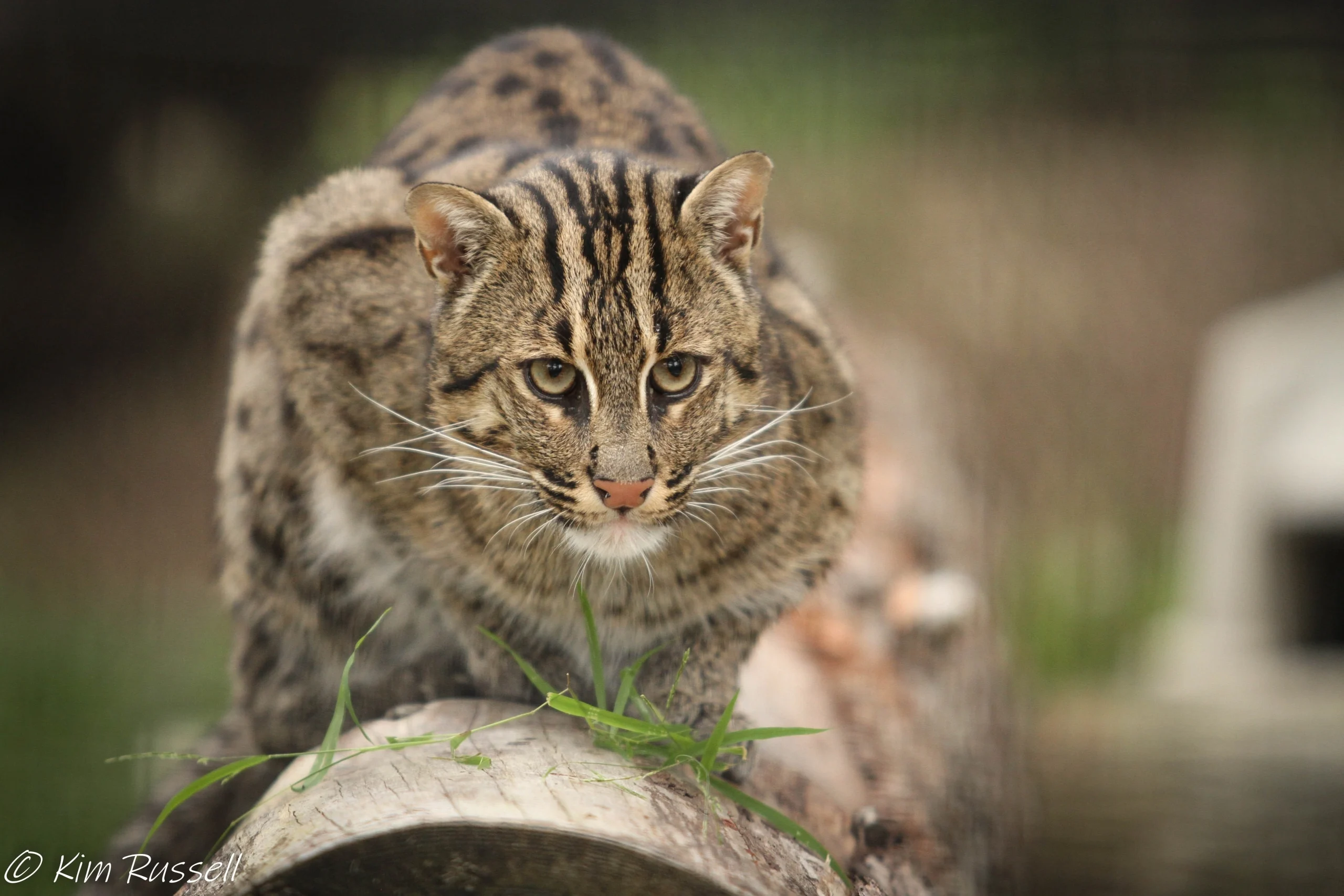
At the heart of this year’s conservation narrative, particularly concerning a species often overlooked by the public consciousness, is River, a charismatic six-year-old fishing cat residing at the Hawk Creek Wildlife Center. River is more than just an inhabitant; she embodies the urgent need for conservation by serving as an ambassador animal. Her presence and interactions with visitors, educators, and researchers provide a tangible connection to a species whose very existence is increasingly precarious. The fishing cat (Prionailurus viverrinus), a medium-sized wild cat native to South and Southeast Asia, is classified as "Vulnerable" on the International Union for Conservation of Nature (IUCN) Red List. This designation signifies a high risk of extinction in the wild, a stark reality driven by a confluence of environmental pressures.
The decline in fishing cat populations is a silent crisis unfolding across their natural range. These specialized predators, uniquely adapted to life in wetlands, mangroves, and riverine habitats, are facing unprecedented challenges. Their aquatic environments are being rapidly degraded and converted for agriculture, aquaculture, urban development, and industrialization. Pollution further contaminates their food sources and water bodies. Moreover, fishing cats are often victims of retaliatory killings by local communities who perceive them as a threat to livestock or fisheries, and they are also poached for their skins and other body parts. The lack of widespread public awareness about this species exacerbates the problem; many individuals remain unaware of their existence, let alone the existential threats they confront. This is where ambassador animals like River play an indispensable role. By captivating the attention and empathy of thousands, River inspires a deeper understanding and a commitment to supporting fishing cat conservation initiatives.
Donations made to Hawk Creek Wildlife Center on World Wildlife Day are not merely contributions to an animal sanctuary; they are direct investments in the survival of fishing cats. These funds help sustain the center’s operational costs, including specialized care, nutrition, and enrichment for animals like River, and crucially, support broader conservation efforts. The center’s work extends beyond the enclosures, contributing to educational outreach programs and providing vital resources for conservation organizations working in the field.
The significance of ambassador animals in conservation research cannot be overstated. The founder of the Fishing Cat Conservancy, a dedicated organization focused on the species’ protection, recently made a journey to Hawk Creek to personally observe River. This visit highlights the critical role that captive ambassador animals play in advancing scientific understanding. Fishing cats are notoriously elusive and difficult to study in their natural habitats. Their secretive nature and preference for dense, often inaccessible wetland environments make direct observation and data collection a formidable undertaking. However, by studying captive individuals like River, researchers gain invaluable insights. The founder’s observation of River’s movements and her sophisticated paw techniques for catching fish provides crucial data that can inform conservation strategies. Understanding how these animals hunt, navigate their environments, and interact with their surroundings in a controlled setting allows scientists to develop more effective methods for protecting their wild counterparts. This research is vital for designing and implementing successful conservation programs, from habitat restoration to anti-poaching initiatives.
The Fishing Cat Conservancy is at the forefront of a multi-pronged approach to secure the future of this vulnerable species. Their efforts are multifaceted, encompassing the establishment of dedicated nature preserves where fishing cats can thrive undisturbed. These preserves act as vital refuges, offering safe havens from human encroachment and providing the necessary habitat for breeding and foraging. Beyond direct land acquisition, the Conservancy actively engages in forming strategic partnerships with private landowners. By collaborating with individuals who own land within critical fishing cat habitats, they work to promote land management practices that are conducive to wildlife conservation. This collaborative approach recognizes that effective conservation often requires working with communities and landowners, fostering a shared sense of stewardship for the natural world. Their mission extends to inspiring systemic change, advocating for policy shifts that prioritize wetland protection and sustainable land-use practices across their range. For those interested in delving deeper into the plight of the fishing cat and the work being done to save them, the organization’s website, fishcat.org, serves as a comprehensive resource.
The Global Context of World Wildlife Day
World Wildlife Day was proclaimed by the UN General Assembly during its 68th session on December 20, 2013, to celebrate and raise awareness of the world’s wild animals and plants. The date, March 3rd, was chosen to commemorate the adoption of the Convention on International Trade in Endangered Species of Wild Fauna and Flora (CITES) on this day in 1973. CITES is a landmark international agreement that aims to ensure that international trade in specimens of wild animals and plants does not threaten their survival. The establishment of World Wildlife Day serves as an annual reminder of the CITES treaty’s significance and the ongoing need for robust international cooperation to combat wildlife crime and protect endangered species.
The Vulnerable Status of the Fishing Cat: Data and Trends
The IUCN Red List of Threatened Species is the world’s most comprehensive inventory of the global conservation status of biological species. The "Vulnerable" classification for the fishing cat indicates that it faces a high risk of extinction in the wild. While precise population figures are notoriously difficult to ascertain due to the species’ elusive nature and vast, often remote habitats, estimates suggest a significant decline in recent decades. For instance, fragmented populations exist across India, Sri Lanka, Bangladesh, Myanmar, Thailand, Cambodia, Vietnam, Laos, and Indonesia. In some regions, such as parts of India and Sri Lanka, fishing cat populations are thought to be declining at an alarming rate. Studies have indicated habitat loss as the primary driver, with estimates suggesting that over 50% of mangrove forests in Southeast Asia, crucial fishing cat habitats, have been lost in the last century. The fragmentation of these habitats further isolates populations, reducing genetic diversity and increasing their susceptibility to local extinctions.
The Role of Ambassador Animals in Conservation Education
Ambassador animals, like River, serve as crucial intermediaries between the public and the often-abstract concept of wildlife conservation. They offer a personal, emotional connection that educational materials alone can rarely achieve. For a species as enigmatic as the fishing cat, River’s presence allows for direct engagement, providing opportunities for:
- Species Familiarity: Introducing the public to a species they might never otherwise encounter.
- Understanding Adaptations: Demonstrating the unique physical and behavioral adaptations that allow fishing cats to thrive in their specific environments, such as their semi-aquatic lifestyle and specialized fishing techniques.
- Highlighting Threats: Educating visitors about the specific challenges these animals face in the wild, such as habitat loss and human-wildlife conflict.
- Inspiring Action: Motivating individuals to support conservation efforts through donations, volunteering, or advocating for policy changes.
The study of River’s behavior by the founder of the Fishing Cat Conservancy exemplifies how captive animals can contribute to scientific knowledge. By observing her paw dexterity, hunting strategies, and social interactions (if applicable), researchers can infer crucial information about the ecological needs and behaviors of wild fishing cats. This data can then be used to inform the design of effective conservation interventions, such as creating or restoring suitable wetland habitats or developing humane methods for mitigating human-wildlife conflict.
Chronology of Conservation Efforts for Fishing Cats
While specific timelines can vary by region and organization, the concerted effort to conserve fishing cats has gained momentum over the past few decades, driven by increasing awareness of their vulnerable status.
- Early 20th Century – Mid-20th Century: Fishing cats were often perceived as common and were sometimes hunted or killed without significant conservation concern. Limited scientific research was conducted on their populations or ecology.
- Late 20th Century: Growing recognition of habitat degradation and species declines led to initial IUCN assessments, placing the fishing cat on various threatened lists. Conservation organizations began to emerge and focus on regional efforts.
- Early 21st Century: The establishment of the Fishing Cat Conservancy and similar dedicated groups marked a more focused and organized approach. Research efforts intensified, utilizing camera traps, scat analysis, and an increasing understanding of wetland ecosystems.
- 2010s – Present: The designation of "Vulnerable" on the IUCN Red List amplified calls for action. Initiatives like establishing protected areas, engaging local communities, and utilizing ambassador programs gained prominence. World Wildlife Day’s focus on partnerships directly supports these collaborative approaches.
Partnerships for the Future: A Multifaceted Approach
The theme of "Partnerships for Wildlife Conservation" is particularly resonant for the fishing cat due to the complex nature of the threats it faces. Effective conservation requires a united front involving:
- Government Agencies: Implementing and enforcing wildlife protection laws, establishing protected areas, and managing natural resources.
- Non-Governmental Organizations (NGOs): Conducting research, implementing on-the-ground conservation projects, raising public awareness, and advocating for policy changes. Organizations like the Fishing Cat Conservancy are pivotal in this regard.
- Local Communities: Engaging communities living in or near fishing cat habitats to foster co-existence, provide alternative livelihoods, and involve them in conservation efforts.
- Private Landowners: Encouraging sustainable land management practices on private properties that may serve as crucial corridors or habitats.
- Research Institutions and Universities: Conducting scientific studies to understand species ecology, population dynamics, and the effectiveness of conservation interventions.
- Zoos and Wildlife Centers: Acting as centers for education, research, and breeding programs, and providing ambassador animals like River.
Analysis of Implications: The Ripple Effect of Conservation Success
The successful conservation of the fishing cat has broader implications that extend beyond the species itself. As a keystone species in wetland ecosystems, its well-being is intrinsically linked to the health of its environment.
- Ecosystem Health: Protecting fishing cat habitats means safeguarding vital wetlands, which play a crucial role in water purification, flood control, and carbon sequestration. These ecosystems also support a myriad of other species, contributing to overall biodiversity.
- Human Well-being: Healthy wetlands provide essential ecosystem services that benefit human populations, including clean water, fertile land, and protection from natural disasters.
- Economic Benefits: Sustainable ecotourism and responsible management of natural resources can provide economic benefits to local communities, creating incentives for conservation.
- Public Awareness and Engagement: The story of the fishing cat, amplified through initiatives like World Wildlife Day and the work of ambassador animals, can foster a greater appreciation for the natural world and inspire broader engagement in conservation efforts for all species.
The efforts to protect the fishing cat, epitomized by the work of Hawk Creek Wildlife Center and the Fishing Cat Conservancy, serve as a potent reminder of the challenges and triumphs in modern wildlife conservation. As River continues her vital role as an ambassador, she embodies the hope that through dedicated partnerships and a collective commitment, even the most vulnerable species can be brought back from the brink. The success of these endeavors hinges on sustained support, innovative strategies, and a shared understanding that the fate of wildlife is inextricably linked to our own.