
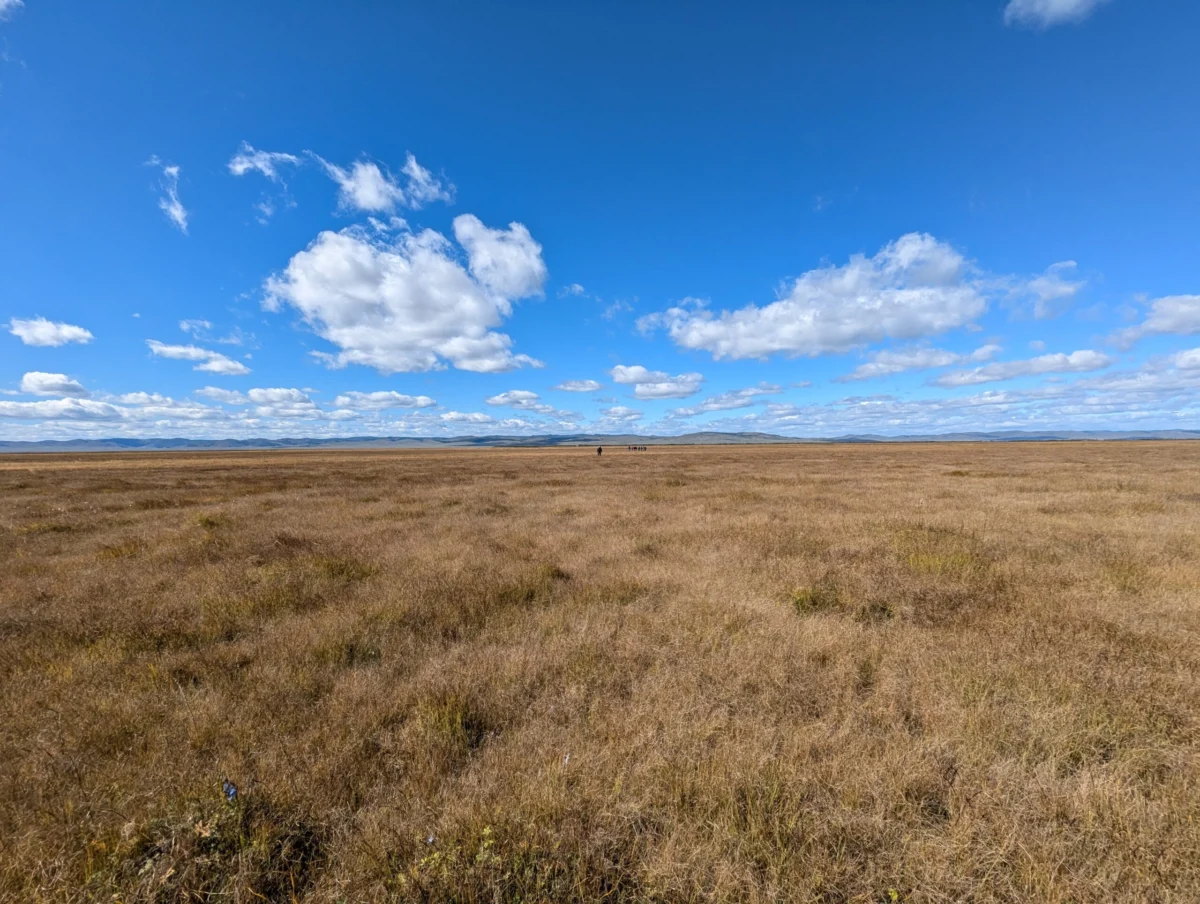
Peatlands are Earth’s unsung climate heroes, unique and rare ecosystems that, despite covering a mere 3-4% of the planet’s land surface, hold an astonishing one-third of the world’s soil carbon. This vast carbon reservoir is more than double the amount stored in all the world’s forest biomass combined. However, these vital carbon sinks are under severe threat. Widespread drainage and degradation of peatlands are contributing a significant portion to annual global human-induced emissions, accounting for 4-5%, a figure comparable to the combined emissions from the aviation and shipping industries. Consequently, preserving this sequestered carbon is paramount to achieving the global climate goals outlined in the Paris Agreement.
Recognizing this urgent imperative, a concerted global effort, the Peatland Breakthrough, has been launched to halt the ongoing loss of peatlands and initiate their restoration. This initiative seeks to safeguard these indispensable ecosystems, which play a critical role in climate regulation, biodiversity conservation, water and nutrient management, and the sustenance of sustainable livelihoods. The overarching ambition is for the global peatland area to achieve net-zero emissions by 2050, and ideally, to become a net greenhouse gas sink, thereby fostering resilient ecosystems and communities for generations to come.
The Peatland Breakthrough: A Unified Call to Action
The Peatland Breakthrough is a collaborative initiative designed to galvanize immediate and large-scale action for the conservation, rewetting, and restoration of the world’s peatlands. It also aims to facilitate their sustainable and wise use, ensuring their essential functions are maintained to support climate objectives, water security, biodiversity, and human well-being.
As an integral part of the broader 2030 Breakthrough Agenda, the Peatland Breakthrough endeavors to accelerate the flow of finance, knowledge, and partnerships essential for implementing ambitious peatland conservation and restoration projects worldwide. This represents an urgent appeal for coordinated action, guided by shared, science-based global targets. Effective peatland stewardship transcends mere technical solutions; it necessitates the cultivation of shared values, the forging of robust partnerships, and a steadfast commitment to long-term sustainability. The Breakthrough initiative provides a crucial common platform to align investments, harmonize strategies, expedite progress, and generate enduring positive impacts on a global scale.
Core Targets Guiding Collective Ambition
The Peatland Breakthrough is structured around three fundamental targets, designed to catalyze transformative change and drive collective ambition:
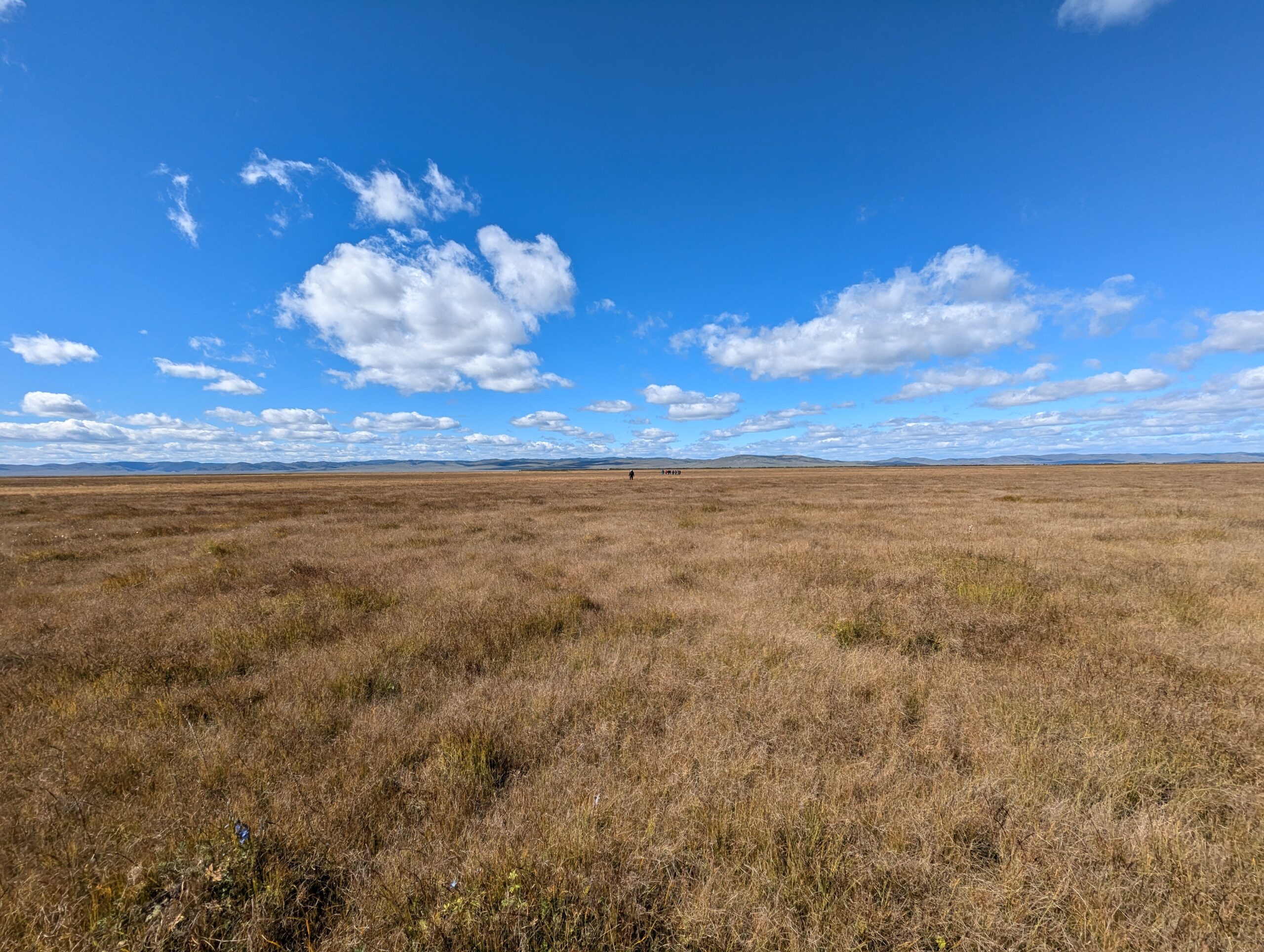
- Target 1: Halting Peatland Degradation and Loss: This target focuses on immediate measures to cease the draining, burning, and unsustainable exploitation of peatlands. It emphasizes the protection of intact peatland ecosystems and the prevention of further degradation, recognizing their immense carbon storage capacity and ecological value. This includes enforcing policies that prohibit peat extraction for commercial purposes and promoting alternative, sustainable land-use practices.
- Target 2: Rewetting and Restoring Degraded Peatlands: This crucial target aims to reverse the damage inflicted upon peatlands through extensive rewetting and restoration efforts. Rewetting involves raising the water table to re-establish the anaerobic conditions necessary for peat formation and carbon sequestration. Restoration encompasses a range of interventions, from natural regeneration to active planting of peat-forming vegetation, to revive the ecological functions of degraded areas. The goal is to reactivate these ecosystems as carbon sinks and to enhance their biodiversity and water regulation services.
- Target 3: Enabling Sustainable and Wise Use of Peatlands: This target acknowledges that peatlands can provide sustainable livelihoods and resources when managed responsibly. It promotes practices that allow for the continued benefits derived from peatlands, such as sustainable agriculture on specific types of peat soils, responsible harvesting of certain peatland products, and ecotourism, all while ensuring the peatland’s ecological integrity and carbon storage functions are maintained. This requires careful planning, community engagement, and the development of appropriate governance frameworks.
To achieve these transformative changes, actions must prioritize the safeguarding of peatlands and their associated biodiversity. They must be firmly grounded in scientific understanding and driven by practical, innovative solutions. The initiative stresses the importance of fostering shared responsibility and robust governance structures, adopting a holistic landscape approach to management, and making unwavering commitments to long-term sustainability. Crucially, all actions must advance equity and inclusion, with a particular focus on empowering Indigenous Peoples, local communities, farmers, women, youth, and other vulnerable groups who are often most directly impacted by peatland degradation and restoration efforts.
A Coalition of Leading Organizations
The Peatland Breakthrough is spearheaded by a formidable coalition of leading international organizations dedicated to environmental conservation and sustainable development. Wetlands International, a global organization working to restore and protect wetlands for people and nature, plays a central role. They are joined by the UN Environment Programme (UNEP), a leading authority on environmental issues globally, and the Food and Agriculture Organization of the UN (FAO), which focuses on sustainable agriculture and land management.
The Greifswald Mire Centre, a renowned research and expertise hub for peatlands and mires, also contributes significantly. The initiative is developed in close alignment with the Global Peatlands Initiative (GPI), a collaborative partnership of governments, NGOs, and research institutions working to advance peatland conservation and restoration. Furthermore, the Peatland Breakthrough benefits from the expertise and guidance of the High-Level Climate Champions Team, who advocate for climate action within international negotiations, and the Convention on Wetlands (Ramsar Convention), an intergovernmental treaty that provides a framework for national action and international cooperation for the conservation and wise use of wetlands and their resources.
The growing network of partners supporting the Peatland Breakthrough includes the Landscape Finance Lab, which works to scale up investments in nature-based solutions; the Global Environment Centre (GEC), a non-profit organization focused on environmental education and conservation in Malaysia and beyond; RE-PEAT, an initiative dedicated to promoting peatland restoration and conservation; and The Nature Conservancy, a global environmental organization working to conserve the lands and waters on which all life depends.
Background and Chronology of the Peatland Breakthrough
The genesis of the Peatland Breakthrough can be traced back to increasing scientific understanding of peatlands’ critical role in the global carbon cycle and the growing urgency of the climate crisis. For decades, peatlands were often viewed as wastelands, suitable for drainage and conversion to agriculture or forestry, or for peat extraction as a fuel source or horticultural medium. This perception led to the widespread degradation of these vital ecosystems.
By the late 20th and early 21st centuries, scientific research began to highlight the immense carbon storage capacity of peatlands and the significant greenhouse gas emissions resulting from their drainage. Reports from organizations like the IPCC (Intergovernmental Panel on Climate Change) and UNEP increasingly emphasized the need for peatland conservation and restoration as a key climate mitigation strategy.

The concept of a coordinated global effort gained momentum in the years leading up to the Glasgow Climate Summit in 2021 (COP26). The 2030 Breakthrough Agenda, launched by the UK Presidency of COP26, aimed to accelerate the transition to a green economy by identifying key sectors and actions that could achieve significant progress by 2030. Peatlands were identified as a critical sector requiring urgent attention.
The formal launch of the Peatland Breakthrough, as part of this broader agenda, occurred in the period following COP26, with its foundational principles and targets being developed and refined through extensive consultations with scientific experts, policymakers, and civil society organizations. The initiative leverages existing networks and collaborations, such as the Global Peatlands Initiative, to build momentum and ensure a unified approach. The publication date of this article, February 10, 2026, suggests an ongoing and evolving initiative, with its key milestones and targets set for the near future and mid-century.
Supporting Data and Scientific Evidence
The scientific underpinnings of the Peatland Breakthrough are robust and compelling:
- Carbon Storage: As mentioned, peatlands store approximately one-third of the world’s soil carbon, estimated at between 500 and 700 billion tonnes. This dwarfs the carbon stored in all terrestrial vegetation combined, which is around 450-550 billion tonnes. This immense carbon reservoir has accumulated over millennia due to the slow decomposition of organic matter in waterlogged conditions.
- Emissions from Degradation: When peatlands are drained, they become exposed to oxygen, leading to the decomposition of organic matter and the release of carbon dioxide (CO2) and methane (CH4), potent greenhouse gases. Studies have estimated that peatland degradation contributes approximately 4-5% of global anthropogenic greenhouse gas emissions. This is equivalent to the annual emissions of the entire aviation sector or the combined emissions of global shipping.
- Peatland Extent: Globally, peatlands cover an estimated 3 million square kilometers, or roughly 3% of the Earth’s ice-free land surface. However, a significant portion of these peatlands, estimated to be over 15% globally, have been drained or degraded for various human activities, including agriculture, forestry, and peat extraction.
- Biodiversity Hotspots: Peatlands support unique and specialized flora and fauna adapted to their specific conditions. They are critical habitats for a wide range of species, including migratory birds, amphibians, insects, and specialized plants like carnivorous species and unique mosses. The loss of peatlands leads to a significant loss of biodiversity.
- Water Regulation: Peatlands act as natural sponges, regulating water flow and quality. They help to mitigate floods by absorbing excess water and release it slowly during dry periods, contributing to water security. They also filter water, removing pollutants and nutrients, thus improving water quality downstream.
The data underscores the critical need for intervention. For instance, restoring a single hectare of degraded peatland can prevent the release of several tonnes of CO2 annually, making restoration a highly cost-effective climate mitigation strategy.
Official Responses and Endorsements
The Peatland Breakthrough has garnered support from various governmental bodies and international organizations, signaling a growing recognition of its importance. While specific quotes are not provided in the original text, the involvement of UNEP, FAO, and the Convention on Wetlands suggests endorsement from key UN agencies and international environmental agreements.
It is highly probable that national governments, particularly those with significant peatland areas such as Indonesia, Canada, Russia, Finland, and the United States, are engaging with the Breakthrough. Such engagement typically involves commitments to develop national peatland action plans, integrate peatland conservation into Nationally Determined Contributions (NDCs) under the Paris Agreement, and seek international support for restoration projects.

The inclusion of the High-Level Climate Champions Team indicates that the Peatland Breakthrough is being positioned as a key initiative within the broader UNFCCC (United Nations Framework Convention on Climate Change) process, aiming to drive ambition and concrete action towards global climate goals.
Broader Impact and Implications
The success of the Peatland Breakthrough carries profound implications for global climate action, biodiversity conservation, and sustainable development.
- Climate Change Mitigation: By halting degradation and restoring peatlands, the initiative directly contributes to reducing greenhouse gas emissions and enhancing carbon sequestration. This is vital for keeping global warming within the targets set by the Paris Agreement. Achieving the goal of net-zero emissions from peatlands by 2050 would represent a significant step towards global climate neutrality.
- Biodiversity Preservation: Peatlands are unique biodiversity hotspots. Their restoration will help to protect and recover endangered species and their habitats, contributing to the global effort to halt biodiversity loss. The interconnectedness of ecosystems means that healthy peatlands also support the health of surrounding terrestrial and aquatic environments.
- Water Security and Quality: The role of peatlands in water regulation is crucial, particularly in regions facing water scarcity or increased flood risk due to climate change. Restored peatlands can enhance resilience to extreme weather events and improve the availability and quality of freshwater resources.
- Sustainable Livelihoods: The focus on the "wise use" of peatlands acknowledges the economic and social importance of these ecosystems for local communities. By promoting sustainable practices, the Breakthrough can help create green jobs, support traditional livelihoods, and foster economic development that is compatible with environmental conservation.
- Global Cooperation and Finance: The initiative highlights the need for substantial financial investment and international cooperation. The call for USD 100 billion in just, transparent, and accessible finance by 2030 underscores the scale of the challenge and the importance of mobilizing both public and private sector funding. This could spur innovation in green finance mechanisms and foster stronger international partnerships.
- Policy and Governance Reform: Implementing the Peatland Breakthrough will require robust policy frameworks, effective land-use planning, and strong governance structures at national and local levels. This includes land tenure reforms, anti-corruption measures, and participatory decision-making processes to ensure that peatland management benefits all stakeholders.
Call to Action: Mobilizing for Peatlands
The Peatland Breakthrough is not merely a call for awareness; it is an urgent summons to action. To meet the ambitious Global Peatland Targets, a mobilization of at least 100 billion USD by 2030 is required. This finance must be delivered in a manner that is just, transparent, and accessible, particularly to developing countries that often hold significant peatland resources but lack the financial capacity for large-scale restoration. Furthermore, every peatland-possessing nation is urged to act immediately to map, monitor, and manage their peatlands before irreversible damage occurs.
The initiative invites all stakeholders to "Join the Peatland Breakthrough to act now for peatlands as nature’s Climate Champions." This overarching call to action encapsulates the vital role peatlands play in mitigating climate change and the collective responsibility to protect them. By embracing this mission, the global community can unlock the immense potential of peatlands to secure a more sustainable and resilient future for both people and the planet.