
On March 31, 2026, Prime Minister Mark Carney unveiled "A Force of Nature: Canada’s Strategy to Protect Nature," a landmark multi-billion-dollar initiative designed to safeguard the nation’s vast and diverse ecosystems. This comprehensive strategy outlines the Government of Canada’s ambitious plan to fulfill its international pledge to conserve 30% of its lands and waters by the year 2030, a critical commitment made under global biodiversity frameworks. The initiative is bolstered by a substantial CAD$3.8 billion injection of new funds, earmarked for a wide array of conservation efforts, including the protection of vital habitats, the integration of biodiversity concerns into industrial strategies, and the mobilization of private capital for nature-positive outcomes. This investment underscores Canada’s resolve to be a global leader in environmental stewardship, recognizing the intrinsic value of its natural heritage and its critical role in global ecological balance.
A Commitment to Global Biodiversity
The launch of "A Force of Nature" is a direct response to the escalating global biodiversity crisis and Canada’s leadership role in shaping international conservation targets. During the 15th Conference of the Parties (COP15) to the Convention on Biological Diversity, hosted in Montreal in December 2022, nations worldwide adopted the Kunming-Montreal Global Biodiversity Framework. A cornerstone of this framework is the "30×30" target, aiming to conserve at least 30% of the world’s land and marine areas by 2030. Canada, as the planet’s second-largest country by landmass, holds immense ecological significance, encompassing vast stretches of Boreal forest, Arctic tundra, temperate rainforests, and extensive coastlines. Its natural landscapes are home to an extraordinary array of species, many of which are migratory and depend on these habitats for survival, making its conservation efforts globally impactful.
Prior to this announcement, Canada had made significant strides in conservation, steadily increasing its protected areas. As of recent data, Canada had protected approximately 13.5% of its land and freshwater and 13.9% of its marine areas. The new strategy represents a monumental acceleration of these efforts, aiming to more than double the protected land and significantly expand marine conservation within a mere four years. This aggressive timeline reflects the urgency of addressing habitat loss, climate change, and other pressures threatening biodiversity across the country.
Strategic Investments in Critical Habitats
The CAD$3.8 billion investment is strategically allocated to achieve tangible conservation outcomes. A significant portion of these funds will be directed towards the establishment of new protected areas across Canada’s diverse biomes. The strategy commits to creating 14 new marine protected and conserved areas, which are vital for safeguarding ocean biodiversity, supporting fish stocks, and enhancing marine ecosystem resilience against climate change impacts. These areas will protect critical spawning grounds, migratory routes for marine mammals, and unique underwater habitats.
On land, the plan outlines the creation of 10 new national parks, expanding Canada’s iconic network of wilderness sanctuaries. These parks will preserve large, ecologically intact areas, providing refuge for numerous species and offering unparalleled opportunities for nature-based recreation and education. Complementing these expansive wilderness areas, 15 new national urban parks are slated for development. These urban green spaces are designed to connect Canadians living in cities with nature, promoting mental and physical well-being, fostering environmental literacy, and enhancing biodiversity within metropolitan regions. Furthermore, four new National Wildlife Areas will be established, focusing on critical habitats for migratory birds and other wildlife, ensuring the protection of key breeding, staging, and wintering grounds.
A particularly crucial aspect of the strategy is the dedicated effort to restore and rebuild Pacific and Atlantic salmon habitats. Salmon populations across Canada have faced severe declines due to habitat degradation, climate change, and other factors. The strategy’s focus on these iconic species underscores their ecological and cultural importance, promising investments in river restoration, barrier removal, and sustainable management practices to ensure their recovery.
Focus on Iconic Wildlife and UNESCO Heritage Sites
The strategy includes a specific investment of CAD$90 million over five years in the Wood Buffalo National Park World Heritage Site. This UNESCO-designated site, straddling Alberta and the Northwest Territories, is a globally significant ecosystem. It is the largest national park in Canada and one of the largest protected areas in the world, renowned for its free-roaming herd of wood bison and, most importantly, as the nesting area for the last wild migratory flock of Whooping Cranes left on Earth. The Whooping Crane, one of North America’s most endangered birds, relies entirely on the pristine wetlands of Wood Buffalo for successful breeding. This substantial investment will support ongoing conservation efforts, habitat management, and research critical to the survival of this iconic species. Protecting Wood Buffalo ensures the continued viability of this vital nesting ground, directly impacting the species’ recovery and global population stability.
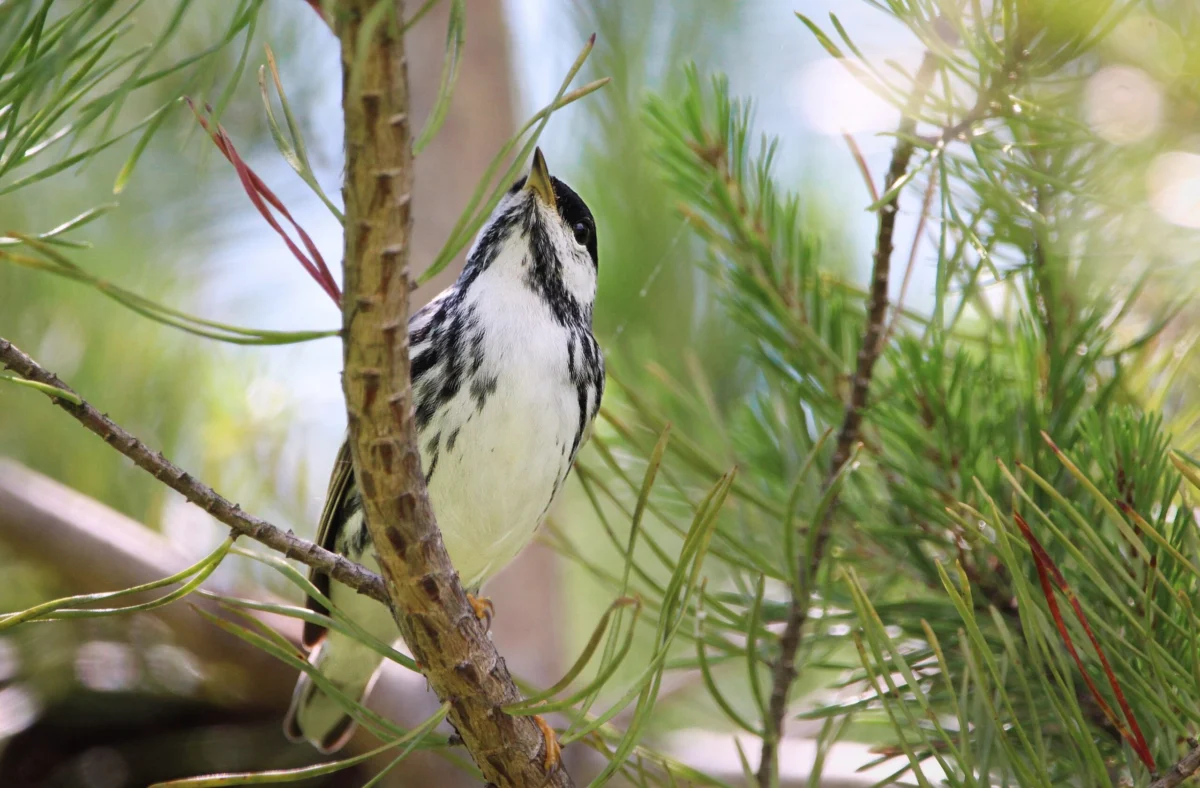
These broader investments in protected areas are anticipated to have far-reaching benefits for bird populations that breed in Canada and undertake epic migrations across the hemisphere and beyond. Canada’s Boreal Forest, in particular, is often referred to as North America’s "bird nursery," supporting billions of migratory birds annually. By safeguarding these breeding grounds, the strategy directly contributes to the health and abundance of bird species that traverse the United States, Mexico, Central and South America, and the Caribbean.
The Indispensable Role of Indigenous-Led Conservation
A cornerstone of "A Force of Nature" is its profound commitment to Indigenous-led conservation, recognizing the invaluable traditional ecological knowledge and stewardship practices of First Nations, Inuit, and Métis communities. The strategy provides significant investments to advance several Indigenous-led initiatives, reflecting a paradigm shift towards co-management and self-determination in conservation.
Audubon, a prominent conservation organization, has lauded Canada’s clear financial commitment to two particularly significant Indigenous-led projects: the Seal River Watershed Indigenous Protected and Conserved Area (IPCA) and National Park Reserve in Manitoba, and the Wiinipaakw Indigenous Protected Area and National Marine Conservation Area in Eastern James Bay. Audubon has been an active supporter of both initiatives, recognizing their global significance for biodiversity.
The Seal River Watershed, located in northern Manitoba, represents one of the world’s largest remaining intact watersheds. Its pristine tundra, taiga, and freshwater ecosystems support an extraordinary array of wildlife, including caribou, polar bears, and a multitude of migratory bird species. The establishment of this IPCA, led by the Sayisi Dene First Nation, is a testament to Indigenous communities’ long-standing vision for protecting their traditional territories. Similarly, the Wiinipaakw IPCA and National Marine Conservation Area in Eastern James Bay, Quebec, is critical habitat for millions of migratory birds that rely on the rich coastal wetlands and marine environments for breeding, staging, and feeding. The announcement of a CAD$266.7 million investment over 11 years to advance the establishment of these two protected areas is not merely a regional success but a "win of global significance," as highlighted by Audubon, for its impact on international biodiversity and Indigenous rights.
Beyond these specific projects, the strategy significantly expands Indigenous Guardians Programs across Canada. These programs empower Indigenous communities to employ land stewards who utilize traditional knowledge alongside modern science to protect, maintain, and manage their ancestral lands and waters. The expansion includes the establishment of a new Arctic Indigenous Guardians Program, which is particularly vital for the ecologically sensitive and rapidly changing Arctic region. Audubon’s Canada program has expressed enthusiasm for collaborating and supporting Inuit organizations and the Canadian government in this new venture, underscoring the collaborative spirit of the strategy. These programs not only contribute to effective conservation but also foster self-determination, economic opportunities, and cultural revitalization within Indigenous communities.
Pioneering Natural Capital Accounting and Financing
Beyond direct investments in protected areas, the strategy signals Canada’s ambition to lead in the innovative field of natural capital accounting and nature financing. A much-needed commitment within "A Force of Nature" is the launch of an Expert Taskforce on Natural Capital Accounting and Nature Financing in spring 2026. This taskforce will be charged with developing recommendations to bridge the global biodiversity financing gap, specifically by mobilizing private capital for nature-positive outcomes.
Natural capital accounting is an emerging discipline that seeks to measure and value the stocks and flows of natural assets (like forests, wetlands, and oceans) and the ecosystem services they provide (such as clean water, carbon sequestration, and pollination). By integrating these values into economic decision-making, it aims to shift from a purely extractive economy to one that recognizes and rewards environmental stewardship. The taskforce’s work will be crucial in developing frameworks and mechanisms—such as green bonds, biodiversity credits, and impact investment funds—that can attract private sector investment into conservation projects, moving beyond traditional public funding models. This initiative positions Canada at the forefront of global efforts to create sustainable financial models for environmental protection, an essential step given the scale of the challenges.
Broader Implications and Global Impact
Canada’s new nature strategy is not merely a national undertaking; its implications resonate across the globe. As the world’s second-largest country, protecting 30% of its lands and waters translates into conserving an immense area—approximately 2.99 million square kilometers, or roughly 738 million acres. This vast expanse includes critical portions of the Boreal Forest, which acts as a massive carbon sink and global climate regulator; the Arctic, which is disproportionately affected by climate change and crucial for global weather patterns; and extensive marine habitats that support global ocean health.
The protection of these diverse ecosystems directly benefits hundreds of millions of migratory birds that rely on Canada’s habitats for breeding and foraging before migrating south across the United States, Mexico, Central and South America, and the Caribbean. For instance, species like warblers, sparrows, and waterfowl that spend their summers in Canada’s Boreal forests are integral components of ecosystems thousands of kilometers away during their wintering periods. This interconnectedness underscores the global responsibility inherent in Canada’s conservation efforts.
Beyond biodiversity, the strategy holds significant implications for climate change mitigation and adaptation. Intact forests, wetlands, and coastal ecosystems are powerful natural climate solutions, sequestering carbon, regulating water cycles, and providing buffers against extreme weather events. By investing in nature, Canada is simultaneously investing in its resilience to the impacts of a changing climate. Furthermore, the strategy is expected to foster economic benefits through sustainable resource management, eco-tourism, and job creation in the conservation sector, contributing to a greener economy.
Audubon’s unwavering support for "A Force of Nature" highlights the international recognition of its importance. The organization has pledged to continue investing and collaborating with Canada, its provinces and territories, and Indigenous governments and organizations in the coming months and years. This long-term commitment reflects the understanding that effective conservation requires sustained effort, multi-faceted partnerships, and a shared vision for a healthier planet.
The launch of "A Force of Nature" marks a pivotal moment for Canada and for global conservation. It is a bold declaration of intent, backed by significant financial commitment, to safeguard the natural world for current and future generations. While the challenges of implementation, monitoring, and adapting to evolving environmental pressures remain, this strategy sets a clear and ambitious course for Canada to deliver on its international commitments and cement its legacy as a leading steward of the planet’s invaluable natural heritage.